
 Anteprima in scala reale
 Invia
Invia Condividi
 Dettagli opera
 Guida
Guida

 Scarica
 Simili
 Radiografia
 Slideshow
 Domande e risposte
 Statistiche
Torn Out in the Spring. Triptych part 2


 Espandi i dettagli
L'opera d'arte visualizzata in questa pagina è protetta dalle leggi sul diritto d'autore, il che significa che non possiamo legalmente creare o vendere una riproduzione identica. Tale protezione è garantita da accordi internazionali quali la Convenzione di Berna e dalle leggi nazionali, incluse quelle stabilite da Legge sul copyright degli Stati Uniti - Titolo 17. Tutti i diritti riservati. Le immagini presenti su questo sito sono protette da copyright e non possono essere riprodotte o utilizzate senza l'autorizzazione scritta di WahooArt.com o dei rispettivi proprietari del copyright.
Questo metodo è pienamente conforme alle normative sul diritto d'autore poiché non prevede la copia o la duplicazione dell'opera protetta. Si tratta invece di una rielaborazione creativa: un nuovo dipinto che trae ispirazione dall'originale, senza tuttavia esserne identico.
Giclée / Stampe d'arte
Stampa giclée o su tela di qualità museale, con produzione rapida e diverse opzioni di finitura. ( Acquista il dipinto realizzato a mano Passa all'immagine digitale)




P118B €10

P118H €10

P118W €10

P438Z €10

P508JH €12

P508YH €12

P805H €10

P805Z €10

P919BZ €10

P919G €10

P919XJ €10

P959ZH €10

P968JZ €12

W106C €8

W218G €10

W218JH €8

W218Y €10

W307PJ €10

W316G €10

W316PJ €8

W316Y €10

W398PJ €8

W4111J €10

W500HY €15

W500JH €15

W692G €12

W849H €8

W940BG €15

W953PJ €8




Scegli tra le nostre dimensioni predefinite, che rispettano le proporzioni originali dell'opera d'arte.

Inserisci la larghezza e l'altezza desiderate, per adattarle alla tua cornice o alla tua parete. Una stampa può essere solo ritagliata, mai resa più grande dell'immagine originale; pertanto, un formato con una forma differente comporterà la perdita di una parte dell'opera. Ti invieremo un mockup digitale da approvare prima di procedere con la stampa. L'immagine mostrata in questa pagina non rappresenta il ritaglio reale — solo il mockup lo mostra.
Consegna in tutto il mondo () in 2 settimane invece delle normali 4/5 settimane. (11 Novembre)

Spedizione espressa gratuita in tutto il mondo

Tela in lino di alta qualità

Assicurazione completa sulla spedizione

Garanzia di rimborso dei dazi doganali

Garanzia di fedeltà cromatica assoluta

Politica di reso entro 100 giorni (solo per difetti di fabbricazione)

Garanzia di rimborso al 100%

Offerta per acquisti multipli
 L'opzione vetro è disponibile solo per dimensioni inferiori a 110 cm

Torn Out in the Spring. Triptych part 2
Giclée / Stampe d'arte
Dimensioni riproduzione
-


Prezzo finale calcolato
€ 73
A Fragmented Spring – Unveiling Mikhail Ardashnikov’s “Torn Out in the Spring”
Mikhail Ardashnikov's "Torn Out in the Spring," part of a larger triptych, is not merely a cityscape; it’s an immersive journey into the layered narratives of memory, myth, and the enduring pulse of Russian cultural heritage. Created in 2019, this work immediately draws the eye with its vibrant palette and dynamic composition, yet it's the subtle complexities beneath the surface that truly captivate. Ardashnikov, a St. Petersburg-based artist deeply rooted in historical research and a fascination with archetypal symbols, has crafted a scene brimming with both recognizable urban life and potent, almost dreamlike imagery.
The painting depicts a bustling city street, rendered with a confident, slightly abstracted style reminiscent of early 20th-century Russian realist painters. Buildings rise in the background, their forms echoing architectural traditions while simultaneously possessing an otherworldly quality. A prominent clock tower dominates the scene, its hands frozen at a specific moment – perhaps signifying a suspended time, a captured memory. Scattered throughout are details that hint at a deeper symbolic resonance: birds soaring above, dogs patrolling the streets, and figures engaged in everyday activities. These elements aren’t simply decorative; they contribute to a complex tapestry of meaning.
The Language of Symbolism – Myth and Memory
Ardashnikov's work is profoundly influenced by Russian folklore and historical narratives. The triptych as a whole, and “Torn Out in the Spring” specifically, can be interpreted through the lens of the *Skazka* tradition—Russian fairy tales that often blend reality with magic and symbolism. The presence of birds, frequently associated with freedom and spiritual insight in Russian art, suggests a yearning for transcendence within the confines of urban life. Similarly, the dogs, traditionally guardians and symbols of loyalty, might represent the enduring connection to ancestral roots amidst the rapid changes of modernity.
The title itself, “Torn Out in the Spring,” evokes a sense of disruption and revelation. Spring is a time of rebirth and renewal, but "torn out" implies something lost or fragmented—a memory unearthed, a truth exposed. This duality reflects Ardashnikov’s broader exploration of how personal experience intersects with collective history. The painting feels like a visual excavation, as if the artist is carefully piecing together fragments of the past to reveal a hidden narrative.
Technique and Material – A Layered Approach
Ardashnikov employs a mixed technique, combining elements of oil paint with other materials on paper. This layering creates a rich textural surface, inviting close inspection. The brushstrokes are visible, lending a sense of immediacy and spontaneity to the work while simultaneously contributing to its overall depth. The use of color is particularly striking – bold blues and greens contrast with warmer earth tones, creating a dynamic visual tension. It’s clear that Ardashnikov isn't simply replicating reality; he’s actively shaping it through his artistic choices.
Emotional Resonance – A Window into the Soul
"Torn Out in the Spring" is more than just a depiction of a city street; it’s an invitation to contemplate the nature of time, memory, and identity. The painting possesses a quiet intensity, drawing the viewer into its world with a subtle yet powerful emotional pull. There's a sense of melancholy interwoven with hope, suggesting that even in the midst of urban chaos, there remains a connection to something deeper—to our past, our heritage, and our own inner landscapes. Reproductions of this piece offer a remarkable opportunity to bring this evocative atmosphere into any space, serving as both a conversation starter and a source of contemplative beauty.
Domande e risposte
In che modo lo stile di "Torn Out in the Spring. Triptych part 2" si relaziona all'epoca del suo autore?
"Torn Out in the Spring. Triptych part 2" appartiene al movimento Contemporary Symbolism, e il suo autore ha operato nell'epoca Contemporaneo.
Chi è l'autore di "Torn Out in the Spring. Triptych part 2" e a quale movimento appartiene?
L'opera "Torn Out in the Spring. Triptych part 2" è opera di Mikhail Ardashnikov e appartiene al movimento Contemporary Symbolism.
Che età aveva Mikhail Ardashnikov quando ha realizzato "Torn Out in the Spring. Triptych part 2"?
Mikhail Ardashnikov ha realizzato "Torn Out in the Spring. Triptych part 2" all'età di 56. L'artista è nato nel 1963 e l'opera risale al 2019.
Biografia dell'artista
L'Arazzo della Memoria e del Mito
Mikhail Ardashnikov è un artista con base a San Pietroburgo la cui opera funge da profonda meditazione sull'interconnessione dell'esistenza, intrecciando i fili della ricerca storica con una fascinazione per i simboli archetipici. Il suo percorso creativo affonda le radici in una ricca educazione letteraria; all'età di undici anni, aveva già attraversato gran parte del canone letterario classico russo, trovando una particolare risonanza nelle opere di Čechov ed Esenin. Questa precoce immersione nel mondo della narrazione, integrata dalle estati trascorse smarrito nei mondi fantastici di Tolkien e Astrid Lindgren, ha gettato le fondamenta per una visione artistica che cerca di esplorare l'architettura dei sogni e le varie modalità della percezione umana.
La pratica di Ardashnikov è caratterizzata da un approccio meticoloso e laborioso, in cui ogni tela diventa un complesso paesaggio di significati. La sua tecnica impiega spesso un metodo materico e audace, utilizzando pennellate spesse e impastate che conferiscono una presenza fisica ai suoi soggetti. Fondendo abilmente colori acrilici con elementi di mixed media — inclusi quelli che sembrano essere polveri pigmentate — l'artista raggiunge una luminescenza ultraterrena che infonde vita alle sue composizioni. Questa stratificazione di colore e consistenza gli permette di creare profondità e dinamismo, rispecchiando l'energia esplosiva che si ritrova nei suoi temi più celebrati.
Simbolismo e Visione Cosmica
L'essenza dell'opera di Ardashnikov risiede nella sua capacità di tradurre concetti spirituali astratti in esperienze visive viscerali. In opere come “Explosion of Cultural Vibrations”, egli utilizza una vibrante tavolozza di gialli e arancioni per raffigurare un occhio centrale e penetrante all'interno di un cerchio colossale. Questo motivo funge da finestra su antiche credenze cosmologiche, dove il sole rappresenta la coscienza e la presenza divina. Attraverso l'uso di forme circolari, egli evoca temi di interezza, eternità e della natura ciclica del tempo, invitando gli spettatori a contemplare i propri paesaggi interiori insieme a una vasta visione cosmica.
Oltre il celeste, il suo lavoro si confronta spesso con gli aspetti tangibili ma mitizzati dell'eredità russa. In opere come “Torn Out in the Spring”, parte di un più ampio trittico, egli presenta un paesaggio urbano frammentato che funge da viaggio immersivo attraverso la memoria e il mito. I suoi dipinti possono essere interpretati attraverso la lente della tradizione Skazka — la fiaba russa — dove realtà e magia sono inestricabilmente legate. All'interno di queste scene urbane, elementi quotidiani come uccelli e cani vengono elevati a uno status simbolico, rappresentando rispettivamente l'intuizione spirituale e la lealtà, creando un complesso arazzo che risuona sia con la narrazione storica che con l'immaginario onirico.
Riconoscimento ed Eredità Artistica
Sebbene il processo di Ardashnikov sia esigente e si traduca in una produzione relativamente infrequente di nuove opere, l'impatto delle sue creazioni è stato significativo all'interno della comunità artistica. La sua capacità di catturare le profonde complessità dell'inconscio ha suscitato l'ammirazione di critici e collezionisti allo stesso modo. Una pietra miliare degna di nota nel suo riconoscimento internazionale si è verificata nel 2020, quando il rinomato artista mondiale KAWS ha acquisito una delle sue opere durante una mostra digitale per Art Brut Global.
Il contributo di Ardashnikov all'arte contemporanea è definito dalla sua capacità unica di colmare il divario tra l'storico e il surreale. La sua opera si erge come testimonianza del potere del simbolismo nel comunicare verità universali, navigando il delicato confine tra il passato documentato e le infinite possibilità dell'immaginazione umana.

Mikhail Ardashnikov
1963 - , Russia
Dettagli rapidi
- Data Di Nascita: 1963
- Luogo Di Nascita: Mosca, Russia
- Movimento O Stile Artistico: Surrealismo e simbolismo archetipico
- Nazionalità: Russa
- Nome Completo: Mikhail Ardashnikov
- Opere D'Arte Note:
- Esplosione di vibrazioni culturali
- Strappato in primavera
Articoli correlati
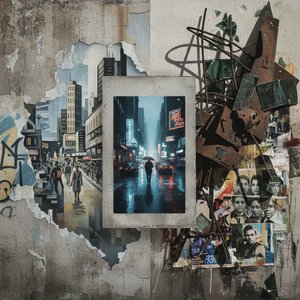
Concrete Visions: Exploring Representations of Urban Life in Modern & Contemporary Art
Explore the evolution of cityscape painting from Realism to contemporary art. Discover key artists & invest in timeless urban visions with OriginalUniqueArt's expert guidance and museum-quality reproductions.

Svelare il Caos: i 25 Capolavori più Potenti di Francis Bacon
Scopri i 25 capolavori di Francis Bacon e l'essenza dell'espressionismo. Esplora la collezione su OriginalUniqueArt.com.
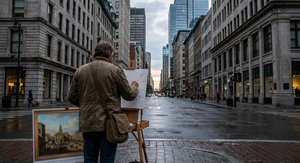
Urban Visions: A Historical & Artistic Exploration of the Cityscape in Painting
Explore the evolution of cityscape painting from historical maps to Impressionist masterpieces. Discover artists like Caillebotte & Utrillo. Find museum-quality reproductions at OriginalUniqueArt.

Concrete Visions: Exploring the Urban Landscape in Painting – From Realism to Contemporary Art
Explore the evolution of cityscape painting from Realism to contemporary art with OriginalUniqueArt. Discover key artists & invest in timeless urban visions. Expert guidance, museum-quality reproductions.
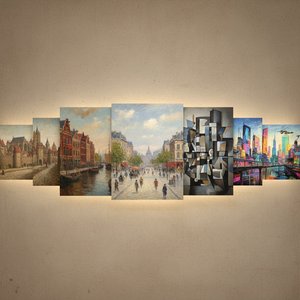
Urban Visions: A Historical & Artistic Exploration of the Cityscape in Painting
Explore the evolution of cityscape painting from historical maps to Impressionist masterpieces. Discover artists like Caillebotte, Utrillo & Matsumoto Shunsuke. Find museum-quality reproductions at OriginalUniqueArt.
