Anteprima in scala reale
 Invia
Invia Condividi
 Dettagli opera

 Scarica immagine
 Simili
 Radiografia
 Slideshow
 Statistiche
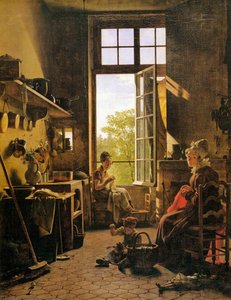
INTERIEUR D'UNE CUISINE


 Espandi i dettagli
Riproduzione a olio fatta a mano
Olio su tela dipinto a mano nelle tue dimensioni e con la tua cornice, realizzato su ordinazione dai nostri artisti. ( Passa a Stampe Passa all'immagine digitale)




P118B $10

P118H $10

P118W $10

P438Z $10

P508JH $12

P508YH $12

P805H $10

P805Z $10

P919BZ $10

P919G $10

P919XJ $10

P959ZH $10

P968JZ $12

W106C $8

W218G $10

W218JH $8

W218Y $10

W307PJ $10

W316G $10

W316PJ $8

W316Y $10

W398PJ $8

W4111J $10

W500HY $15

W500JH $15

W692G $12

W849H $8

W940BG $15

W953PJ $8




Scegli tra le nostre dimensioni predefinite, che rispettano le proporzioni originali dell'opera d'arte.

È possibile inserire dimensioni personalizzate per adattare l'opera a una cornice o a uno spazio specifico. Se la dimensione selezionata non corrisponde alle proporzioni dell'immagine originale, provvederemo a ritagliare l'opera o a estendere il dipinto con elementi aggiuntivi dipinti a mano. Un mockup digitale ti sarà inviato per approvazione prima dell'inizio della produzione.
Si prega di notare che l'anteprima a schermo non riflette il ritaglio o l'estensione effettivi. Solo il mockup mostrerà accuratamente la composizione finale.
Sebbene siano disponibili dimensioni personalizzate, consigliamo di selezionare una dimensione dall'elenco predefinito per preservare le proporzioni originali.
Dopo l'ordine, il team di OriginalUniqueArt.com contatterà il cliente via e-mail per le istruzioni e fornirà un'anteprima del mockup
Consegna in tutto il mondo () in 3/4 settimane anziché nelle normali 5 settimane. (9 Settembre). Nessun compromesso sulla qualità.

Spedizione espressa gratuita in tutto il mondo

Tela in lino di alta qualità

Assicurazione completa sulla spedizione

Garanzia di rimborso dei dazi doganali

Garanzia di fedeltà cromatica

Politica di reso entro 100 giorni (solo per difetti)

Garanzia di rimborso al 100%

Offerta per acquisti multipli
 L'opzione vetro è disponibile solo per dimensioni inferiori a 110 cm

INTERIEUR D'UNE CUISINE
Tecnica di riproduzione
Dimensioni riproduzione
-


Prezzo totale calcolato
$ 325
A Window into the Soul of 19th-Century France
In the quiet corners of art history, certain works possess the unique ability to transcend their era, acting as temporal portals that invite us into a lost world. Michel Martin Drolling’s “Interior of Kitchen,” painted in 1815, is precisely such a masterpiece. It is far more than a mere depiction of a domestic space; it is a carefully orchestrated tableau that captures the very essence of early 19th-century French life. As we gaze upon this scene, we are drawn into a sanctuary of understated elegance and palpable warmth, where the boundaries between the industriousness of daily routine and the serene beauty of nature seem to dissolve.
The composition is masterfully anchored by an inviting open window, which serves as both a literal and symbolic focal point. Through this aperture, a tranquil landscape unfolds, offering a breath of fresh air that prevents the interior from feeling enclosed. This deliberate use of linear perspective guides the viewer’s eye through the room, past the heavy stoves and shelves laden with polished cookware, and out toward the horizon. It suggests a profound connection between the domestic sphere and the wider world, hinting at a life lived in harmony with the rhythms of the natural environment.
The Artistry of Light, Texture, and Tone
Drolling’s technical prowess is on full display through his exquisite command of the Neoclassical style blended with burgeoning Romantic sensibilities. The artist employs a palette rooted in the comforting embrace of earthy tones—rich browns, deep ochres, and sun-drenched yellows—which imbue the kitchen with a sense of enduring solidity and age. These warm hues are punctuated by subtle, muted reds and greens found within the clothing of the figures and decorative accents, adding layers of visual interest that evoke themes of fertility and domestic comfort.
For the discerning collector or interior designer, the tactile quality of this work is perhaps its most captivating feature. Drolling’s meticulous attention to detail allows the viewer to almost feel the textures within the frame: the rugged, honest surface of the stone flooring, the smooth, reflective sheen of metal utensils, and the soft, heavy folds of fabric. Through masterful blending techniques, he achieves a luminous effect, capturing the way natural light streams through the window to cast soft, diffused shadows across the room. This interplay of light and shadow creates an atmosphere of serene tranquility, making the painting an ideal centerpiece for spaces seeking to evoke a sense of peace and historical depth.
A Legacy of Family and Tradition
Beyond its aesthetic brilliance, “Interior of Kitchen” carries a profound emotional weight. The presence of the figures—a seated woman and a standing child—introduces a narrative of continuity and familial devotion. In an era of significant social transformation, Drolling captures a moment of stillness that celebrates the enduring values of home and tradition. The painting speaks to the evolving roles within the household, presenting the kitchen not merely as a place of labor, but as a heart of the home where generations connect.
Whether displayed in a grand gallery or as a sophisticated reproduction in a contemporary living space, this artwork offers an unparalleled opportunity for inspiration. It invites the observer to slow down, to appreciate the beauty in the mundane, and to surround themselves with a piece that radiates warmth, history, and a timeless sense of grace.
Biografia dell'artista
Michel Martin Drolling: Una Vita nell'Arte Neoclassica
Primi Anni e Formazione
Michel Martin Drolling nacque il 7 marzo 1786 a Parigi, in Francia. Proveniva da una famiglia artistica; suo padre, Martin Drolling, era anch'egli pittore. Questa influenza familiare ha acceso l'interesse di giovane Michel per l'arte e lui iniziò la sua formazione sotto la supervisione del padre. Nel 1806, approfondì la sua istruzione studiando con il rinomato artista neoclassico Jacques-Louis David, un momento cruciale che ha plasmato la sua traiettoria artistica.Il Prix de Rome e Inizio della Carriera
Il talento di Drolling divenne rapidamente evidente, culminando nella sua vittoria del prestigioso Prix de Rome nel 1810. Questo premio gli ha garantito una borsa di studio per studiare all'Accademia francese a Roma. La sua presentazione vincente era “La Rabbia di Achille”, che dimostrava la sua maestria sui temi e le tecniche classiche. Dopo aver completato i suoi studi a Roma, tornò a Parigi e iniziò a stabilirsi come pittore.Stile Artistico e Opere Principali
I dipinti di Drolling sono caratterizzati dalle caratteristiche del Neoclassicismo: teatralità, colori vivaci, contrasti drammatici di luce e ombra e attenzione meticolosa ai dettagli. Eccelleva sia nella pittura storica che nel ritratto. Alcune delle sue opere più significative includono:- “La Morte di Abele” (1817) – Questo lavoro gli ha procurato un notevole riconoscimento dopo la sua esposizione al Salon.
- “Il Signore Scende sulla Terra per Stabilire il suo Impero e Diffondere le sue Buone Fatti” – Un affresco su larga scala per la Sala degli Illustri Uomini al Louvre.
- “Gli Stati Generali di Tours” (1836) e “La Convenzione di Alessandria” (1837) – Entrambe commissionate per il Museo della Storia nel Palazzo di Versailles.
- “Gesù tra i Dottori” (1840) – Creato per la Chiesa di Nostra Signora di Loreto a Parigi.
Riconoscimenti e Influenza
Il talento di Drolling è stato ampiamente riconosciuto, portando alla sua elezione come membro dell'Académie des Beaux-Arts nel 1837. Successivamente è stato nominato professore presso la École Nationale Supérieure des Beaux-Arts, dove ha condiviso le sue conoscenze ed esperienza con gli aspiranti artisti. I suoi studenti includevano figure degne di nota come Paul Baudry, Jules Breton, Roger Fenton e molti altri.Significato Storico e Eredità
Michel Martin Drolling rappresenta una figura chiave nella transizione dal Neoclassicismo agli stili artistici del tardo XIX secolo. Pur essendo saldamente radicato nei principi classici, il suo lavoro prefigura alcuni dei drammatici elementi che caratterizzeranno il Romanticismo. I suoi grandi dipinti storici hanno contribuito in modo significativo alla narrazione visiva della storia e dell'identità nazionale francese durante un periodo di cambiamenti politici e sociali. È morto a Parigi il 9 gennaio 1851, lasciando dietro di sé un'eredità di opere d'arte abilmente eseguite e di significato storico.
Michel Martin Drolling
1786 - 1851 , Francia
Dati rapidi
- Artistic Movement Or Style: Neoclassicismo
- Artists Or Movements Influenced By This Artist: ['Romanticismo']
- Artists Who Influenced This Artist: ['Jacques Louis David']
- Date Of Birth: 7 marzo 1786
- Date Of Death: 9 gennaio 1851
- Full Name: Michel Martin Drolling
- Nationality: Francese
- Notable Artworks:
- La Rabbia di Achille
- La Morte di Abele
- Il Signore Scende sulla Terra
- Gli Stati Generali di Tours
- La Convenzione di Alessandria
- Place Of Birth: Parigi, Francia
Articoli correlati

Murales in Cucina e Bagno: L'Eleganza del Design di Alto Livello
Scopri come i murales trasformano cucine e bagni in spazi unici! Consigli di esperti, materiali pregiati e soluzioni personalizzate per un design d'interni di lusso. : arte su misura per il tuo stile.
Equilibrio e Audacia: L'Integrazione dell'Arte Contemporanea negli Interni Classici per un'Eleganza Senza Tempo
Scopri come integrare l'arte contemporanea negli interni classici con stile ed eleganza. Consigli esperti, ispirazioni e soluzioni personalizzate per una casa di lusso unica.

Neoclassical Art Guide: A Procurement Professional's Manual for Timeless Elegance in Luxury Hotel Interiors
A professional procurement guide for hotel designers sourcing Neoclassical art. Discover how hand-painted oil reproductions and large-scale murals provide scalable, timeless elegance for luxury hospitality interiors with reliable bulk ordering and global shipping.
Henri Martin: Sintesi di Impressionismo e Simbolismo nella Tradizione Paesaggistica Francese
Esplora l'opera di Henri Martin, maestro dell'Impressionismo e del Simbolismo francese. Analisi approfondita della sua tecnica divisionista, dei cicli decorativi e del suo contributo alla storia dell'arte.
Neoclassical Portraiture: A Procurement Guide to Timeless Elegance for Luxury Hotel Interiors
A professional procurement guide for hotel designers sourcing Neoclassical portraiture. Discover how to integrate timeless elegance into luxury interiors with high-volume, hand-painted oil reproductions, custom sizing, and reliable global logistics for large-scale hospitality projects.