
 Anteprima in scala reale
 Condividi
 Condividi
 Dettagli

 Scarica immagine
 Articoli simili
 Radiografia
 Slideshow
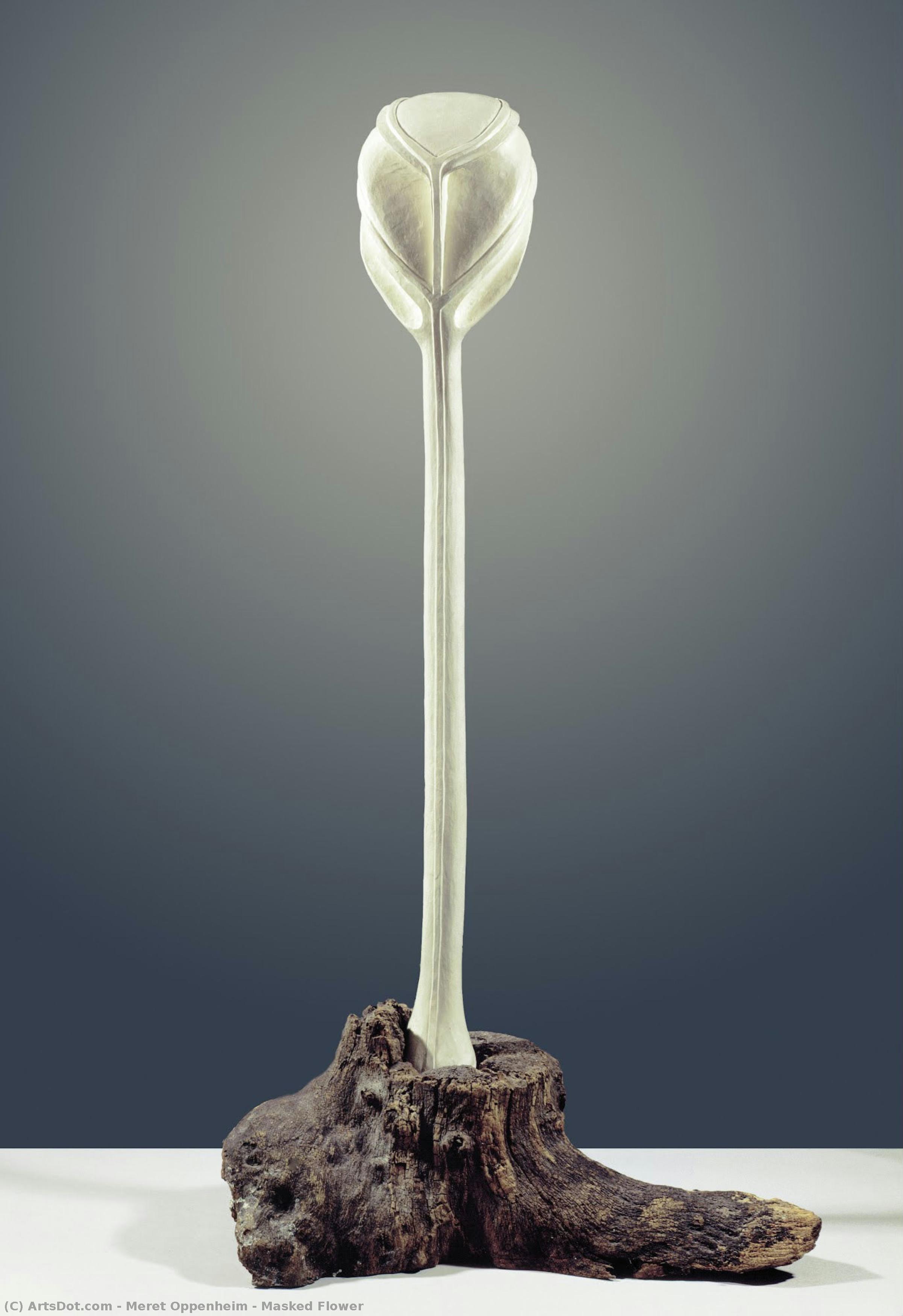
Masked Flower
 Acrylic On Canvas
- WallArt
- Surrealist
 1958
1958 108.0 x 54.0 cm
 Kunsthaus Zürich
 Leggi tutto
Giclée / Stampe d'arte
Stampa giclée o su tela di qualità museale, con produzione rapida e diverse opzioni di finitura. ( Ordina la riproduzione dipinta a mano Acquista download)




P118B $10

P118H $10

P118W $10

P438Z $10

P508JH $12

P508YH $12

P805H $10

P805Z $10

P919BZ $10

P919G $10

P919XJ $10

P959ZH $10

P968JZ $12

W106C $8

W218G $10

W218JH $8

W218Y $10

W307PJ $10

W316G $10

W316PJ $8

W316Y $10

W398PJ $8

W4111J $10

W500HY $15

W500JH $15

W692G $12

W849H $8

W940BG $15

W953PJ $8




Scegli tra le nostre dimensioni predefinite, che rispettano le proporzioni originali dell'opera d'arte.

È possibile inserire dimensioni personalizzate per adattare l'opera a una cornice o a uno spazio specifico. Se la dimensione selezionata non corrisponde alle proporzioni dell'immagine originale, procederemo al ritaglio dell'opera o all'estensione dell'immagine con un bordo specchiato o a tinta unita. Un mockup digitale ti verrà inviato per approvazione prima dell'inizio della produzione.
Si prega di notare che l'anteprima a schermo non riflette il ritaglio o l'estensione effettivi. Solo il mockup mostrerà accuratamente la composizione finale.
Sebbene siano disponibili dimensioni personalizzate, si raccomanda di selezionare una dimensione dall'elenco predefinito per preservare le proporzioni originali.
Consegna in tutto il mondo () in 2 settimane invece delle normali 4/5 settimane. (19 Agosto)

Spedizione espressa gratuita in tutto il mondo

Tela in lino di alta qualità

Assicurazione completa sulla spedizione

Garanzia di rimborso dei dazi doganali

Garanzia di fedeltà cromatica dell'originale

Politica di reso entro 60 giorni (solo per difetti di fabbricazione)

Garanzia di rimborso al 100%

Sconto per acquisti multipli
 L'opzione vetro è disponibile solo per dimensioni inferiori a 110 cm

Masked Flower
Giclée / Stampe d'arte
Dimensioni della riproduzione
-


Prezzo totale
$ 80
Descrizione del pezzo
A Silent Bloom: Meret Oppenheim’s “Masked Flower”
Meret Oppenheim's "Masked Flower" (1958) isn’t merely a sculpture; it’s an invitation to contemplate the delicate balance between beauty and concealment, nature and artifice. Born in Berlin amidst the turbulent backdrop of pre-war Europe, Oppenheim’s artistic journey was shaped by a profound exposure to diverse influences – from the vibrant Expressionism of her youth to the revolutionary ideas of Carl Jung and the groundbreaking experimentation of Surrealism. This piece, created during a period of intense introspection for the artist, embodies these influences in a strikingly intimate and unsettling way.
At first glance, the sculpture presents a deceptively simple arrangement: a smooth, white, organically shaped form – reminiscent of a blossoming flower bud or perhaps a stylized vase – resting upon a rough-hewn wooden base. However, closer inspection reveals a subtle yet powerful tension. The pristine whiteness of the upper element contrasts dramatically with the weathered texture and irregular contours of the base, creating an immediate visual dialogue between smoothness and roughness, delicacy and strength. This juxtaposition immediately draws the viewer in, prompting questions about their relationship to each other and to the artwork as a whole.
Deconstructing the Object: Surrealist Techniques and Materiality
Oppenheim’s approach was deeply rooted in the principles of Surrealism, an artistic movement that sought to unlock the creative potential of the unconscious mind. She frequently employed techniques of appropriation and transformation, taking everyday objects – teacups, fur coats, furniture – and recontextualizing them to challenge conventional perceptions. “Masked Flower” exemplifies this strategy perfectly. The sculpture’s form is deliberately ambiguous, blurring the lines between botanical representation and abstract design. The choice of materials—cast plaster for the upper element and wood for the base—further enhances this effect, highlighting the inherent qualities of each substance while simultaneously creating a sense of discordance.
Notably, the surface of the white form is meticulously polished to an almost unnerving sheen, contrasting sharply with the raw, tactile quality of the wooden base. This deliberate contrast isn’t merely aesthetic; it speaks to Oppenheim's fascination with duality and the hidden layers within seemingly simple objects. The sculpture invites us to consider how appearances can be deceiving, and how even the most familiar forms can conceal unexpected complexities.
Symbolism and Emotional Resonance
The title itself – “Masked Flower” – is laden with symbolic weight. Flowers are universally associated with beauty, fertility, and renewal, yet the ‘mask’ suggests concealment, secrecy, or even a deliberate attempt to obscure their true nature. This duality creates a powerful tension within the artwork, prompting us to contemplate themes of hidden potential, repressed desires, and the fragility of appearances. The sculpture can be interpreted as an exploration of the human psyche—a representation of the unconscious mind striving to break free from its constraints.
Furthermore, Oppenheim’s work often reflected her interest in Jungian psychology, particularly the concept of the ‘shadow self.’ The “mask” could represent this hidden aspect of our personality – the parts we keep concealed from others and even ourselves. The overall effect is profoundly evocative, stirring a sense of quiet contemplation and inviting viewers to project their own interpretations onto the artwork.
A Timeless Masterpiece: Reproduction and Legacy
“Masked Flower” remains a seminal work in the history of Surrealist art, demonstrating Oppenheim’s unique ability to transform ordinary objects into potent symbols. Reproductions capture the sculpture's textural richness and subtle nuances with remarkable fidelity, allowing viewers to appreciate its complexity and emotional depth. Whether displayed as a statement piece in a contemporary interior or studied within an academic setting, this artwork continues to resonate with audiences today, prompting reflection on the nature of beauty, concealment, and the human condition.
Biografia dell'artista
Primi Anni e Influenze
- Nata: Berlino, Germania (1913)
- Morta: 1985
- Prende il nome da Meretlein del "Verdi Henry" di Gottfried Keller.
- La famiglia si trasferì a Delémont, Svizzera, a causa del servizio militare del padre durante la Prima Guerra Mondiale.
- Esposizione all'arte e agli artisti in tenera età in Svizzera.
- Ispirata dalla sua zia, Ruth Wenger, e dal suo stile di vita moderno.
- Influenzata dal Modernismo, Espressionismo, Fauvismo e Cubismo.
- Introdotta agli scritti di Carl Jung e iniziò a registrare i sogni, che divennero importanti fonti per la sua arte.
- L'opera di Paul Klee influenzò significativamente il suo sviluppo artistico.
Carriera e Sviluppo Artistico
- Si trasferì a Parigi nel 1932 e frequentò l'Académie de la Grande Chaumière.
- Partecipò a mostre surrealiste a partire dal 1933, associandosi ad André Breton, Man Ray, Max Ernst e altri.
- Prima mostra personale a Basilea nel 1936 alla Galerie Schulthess.
- Blocco artistico iniziò nel 1937 dopo il successo iniziale; distrusse gran parte del suo lavoro durante questo periodo.
- Ritorno all'arte negli anni '50, tornando a stili e temi precedenti.
Opere Principali e Stile
- Oggetto (Le Déjeuner en fourrure) (1936): La sua opera più famosa – una tazza, un piattino e un cucchiaio ricoperti di pelliccia. Questo pezzo esplora temi della sessualità femminile, del lusso e dell'oggettivazione delle donne.
- Il suo lavoro spesso incorporava oggetti quotidiani disposti per evocare scenari onirici o inquietanti.
- Esplorò temi di femminilità, sfruttamento e inconscio attraverso i suoi dipinti e sculture.
- Stile caratterizzato da una miscela di Surrealismo, influenze Dada e simbolismo personale.
Significato Storico e Eredità
- Considerata una figura di spicco nel movimento surrealista.
- Il suo lavoro ha sfidato le nozioni convenzionali dell'arte e dei ruoli di genere.
- Oggetto (Le Déjeuner en fourrure) è diventato un simbolo iconico dell'arte del XX secolo, acquisito dal MoMA poco dopo la sua creazione.
- L'esplorazione di Oppenheim dei sogni, della sessualità e dell'inconscio continua a risuonare con il pubblico contemporaneo.
- Il suo lavoro successivo ha enfatizzato la libertà personale e l'"andria del pensiero".
Influenze Chiave e Cerchia Artistica
- Carl Jung: Le sue teorie sulla psicoanalisi e sugli archetipi hanno profondamente influenzato i temi e le immagini della sua arte.
- Paul Klee: Ispirata dal suo stile astratto e dall'esplorazione del colore e della forma.
- André Breton: Figura chiave nel movimento surrealista che incoraggiò e promosse il suo lavoro.
- Marcel Duchamp & Max Ernst: Il loro approccio concettuale all'arte ha influenzato l'uso di oggetti quotidiani da parte di Oppenheim.
- Man Ray: Collaborò con Oppenheim su opere fotografiche, tra cui ritratti nudi.

Meret Oppenheim
1913 - 1985 , Germania
Informazioni rapide
- Artisti Influenti:
- Paul Klee
- Carl Jung
- Marcel Duchamp
- Max Ernst
- André Breton
- Data Di Morte: 15 novembre 1985
- Data Di Nascita: 6 ottobre 1913
- Luogo Di Nascita: Berlino, Germania
- Movimento Artistico: Surrealismo
- Nazionalità: Svizzera-Tedesca
- Nome Completo: Meret Elisabeth Oppenheim
- Opere Notevoli: ['Object (Le Déjeuner en fourrure)']
Articoli correlati

I 10 Capolavori Bronzei che Hanno Rivoluzionato la Storia dell'Arte | OriginalUniqueArt
Esplora i 10 capolavori bronzei che hanno segnato la storia dell'arte! Da Rodin a Michelangelo, scopri le storie e le tecniche dietro queste sculture iconiche. Trova riproduzioni d'arte di alta qualità per decorare la tua casa con OriginalUniqueArt.com.

The Enduring Form: Exploring Themes & Techniques in Sculpture Across Historical Periods
Explore the rich history of sculpture from ancient masterpieces to contemporary innovations. Discover key techniques, influential artists & investment potential for discerning art collectors.

I 10 Capolavori in Bronzo che Hanno Rivoluzionato la Storia dell'Arte | OriginalUniqueArt
Esplora i 10 capolavori in bronzo che hanno segnato la storia dell'arte! Da Michelangelo a Rodin, scopri le storie e le tecniche dietro queste statue iconiche. Trova riproduzioni artistiche di alta qualità per decorare casa tua con OriginalUniqueArt.com.
René Magritte: I 25 Capolavori che Definiscono il Surrealismo | OriginalUniqueArt
Esplora i 25 capolavori di René Magritte, il maestro del surrealismo. Scopri storie, significati e tecniche dietro opere iconiche come 'L'Impero delle Luci'. Trova riproduzioni d'arte su tela e idee per decorazioni uniche su OriginalUniqueArt.com.
Max Ernst: I 25 Capolavori che Rivoluzionarono l'Arte Moderna | OriginalUniqueArt
Esplora i 25 capolavori di Max Ernst, pioniere del Surrealismo. Scopri la storia, le tecniche e il simbolismo dietro ogni opera iconica. Trova riproduzioni arte su tela di alta qualità per decorare casa con OriginalUniqueArt.com.

