 Anteprima in scala reale
 Condividi
 Condividi
 Dettagli

 Scarica immagine
 Articoli simili
 Radiografia
 Slideshow
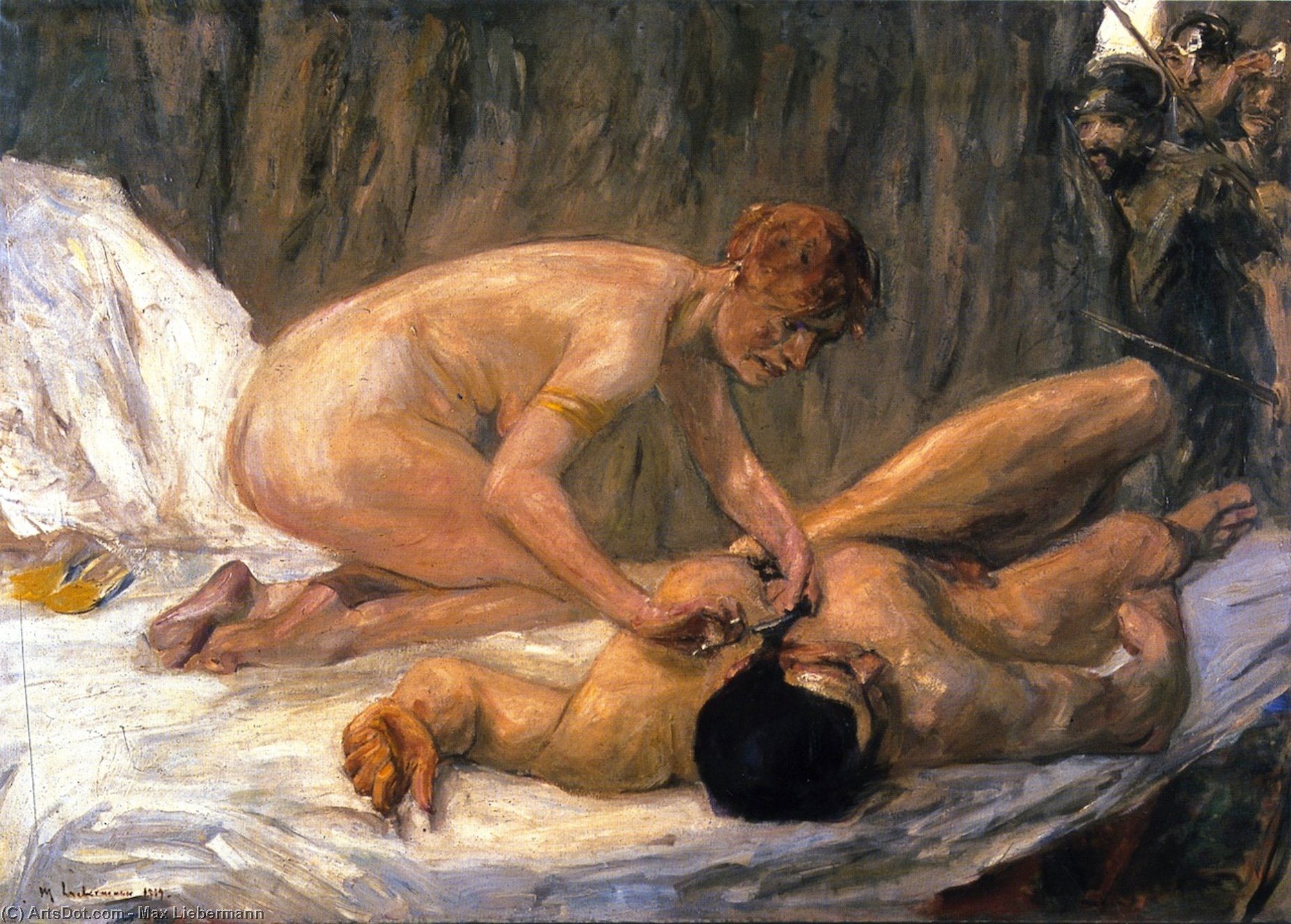
Samson and Delilah


 Leggi tutto
Giclée / Stampe d'arte
Stampa giclée o su tela di qualità museale, con produzione rapida e diverse opzioni di finitura. ( Ordina la riproduzione dipinta a mano Acquista download)




P118B $10

P118H $10

P118W $10

P438Z $10

P508JH $12

P508YH $12

P805H $10

P805Z $10

P919BZ $10

P919G $10

P919XJ $10

P959ZH $10

P968JZ $12

W106C $8

W218G $10

W218JH $8

W218Y $10

W307PJ $10

W316G $10

W316PJ $8

W316Y $10

W398PJ $8

W4111J $10

W500HY $15

W500JH $15

W692G $12

W849H $8

W940BG $15

W953PJ $8




Scegli tra le nostre dimensioni predefinite, che rispettano le proporzioni originali dell'opera d'arte.

È possibile inserire dimensioni personalizzate per adattare l'opera a una cornice o a uno spazio specifico. Se la dimensione selezionata non corrisponde alle proporzioni dell'immagine originale, procederemo al ritaglio dell'opera o all'estensione dell'immagine con un bordo specchiato o a tinta unita. Un mockup digitale ti verrà inviato per approvazione prima dell'inizio della produzione.
Si prega di notare che l'anteprima a schermo non riflette il ritaglio o l'estensione effettivi. Solo il mockup mostrerà accuratamente la composizione finale.
Sebbene siano disponibili dimensioni personalizzate, si raccomanda di selezionare una dimensione dall'elenco predefinito per preservare le proporzioni originali.
Consegna in tutto il mondo () in 2 settimane invece delle normali 4/5 settimane. (18 Agosto)

Spedizione espressa gratuita in tutto il mondo

Tela in lino di alta qualità

Assicurazione completa sulla spedizione

Garanzia di rimborso dei dazi doganali

Garanzia di fedeltà cromatica dell'originale

Politica di reso entro 60 giorni (solo per difetti di fabbricazione)

Garanzia di rimborso al 100%

Sconto per acquisti multipli
 L'opzione vetro è disponibile solo per dimensioni inferiori a 110 cm

Samson and Delilah
Giclée / Stampe d'arte
Dimensioni della riproduzione
-


Prezzo totale
$ 80
Descrizione del pezzo
The Genesis of a Dramatic Narrative
Max Liebermann’s “Samson and Delilah” isn't merely a depiction of a biblical tale; it’s a carefully constructed tableau brimming with psychological tension, a potent exploration of desire, betrayal, and the shifting power dynamics between men and women. Painted in 1910, during a period of significant artistic ferment in Germany, the work stands as a testament to Liebermann's ability to infuse historical narratives with his own distinctive brand of realism and subtle emotionalism. The story itself – the tale of Samson’s downfall at the hands of Delilah, who seduces him to reveal his secret strength – is ripe with symbolism, offering fertile ground for an artist seeking to dissect human nature.
A Study in Light and Shadow: Liebermann's Technique
Liebermann, a key figure within the German Impressionist movement, employed a technique that skillfully blended elements of realism with the fleeting effects of light. “Samson and Delilah” exemplifies this approach. The composition is rendered with a deliberate flatness, reminiscent of early Impressionism, yet imbued with a meticulous attention to detail. Liebermann’s brushstrokes are visible, creating a textured surface that invites close examination. He masterfully utilizes light – predominantly diffused and atmospheric – to sculpt the figures and define their forms. Notice how the shadows subtly emphasize the vulnerability of Samson, while Delilah's presence is marked by a cool, almost predatory luminescence. The color palette is restrained, dominated by earthy tones—ochres, browns, and greys— punctuated by flashes of red in Delilah’s attire, drawing the eye to her central role.
The Figures: A Dance of Power and Deception
The painting's strength lies not just in its technical execution but also in the nuanced portrayal of its two protagonists. Samson, depicted as a powerfully built man, is rendered with a quiet vulnerability—a sense of impending doom etched onto his face. His nakedness isn’t overtly provocative; rather, it underscores his exposed state, both physically and emotionally. Delilah, on the other hand, is presented with a calculated elegance, her gaze direct and alluring. She's not portrayed as a villainess in the traditional sense but as a woman of agency, actively shaping the narrative through her actions. The positioning of the figures—close together yet separated by an unspoken tension—heightens the drama and invites speculation about their motivations.
Contextualizing the Masterpiece: Liebermann's Berlin
To fully appreciate “Samson and Delilah,” it’s crucial to understand the artistic climate of Berlin in 1910. The city was a hub of innovation, with artists pushing boundaries and challenging established conventions. Liebermann himself was part of the Berlin Secession, a group that rejected the conservative traditions of the German art establishment. This period saw a growing interest in portraying modern life—particularly the lives of the bourgeoisie—and exploring themes of social commentary and psychological realism. “Samson and Delilah” reflects this shift, moving beyond purely mythological subjects to engage with more complex human relationships.
Beyond the Narrative: Emotional Resonance
Ultimately, "Samson and Delilah" transcends its biblical origins to become a timeless meditation on power, betrayal, and the seductive allure of deception. The painting’s enduring appeal lies in its ability to evoke a profound sense of unease and intrigue. It's not simply a story of a hero’s downfall but a poignant exploration of the vulnerabilities inherent in human relationships—a reminder that even the strongest among us can be undone by weakness, desire, and the calculated actions of another. It remains a powerful image, prompting viewers to contemplate the complexities of love, trust, and the consequences of our choices.
Biografia dell'artista
Primi Anni e Formazione
- Nato: Berlino, Germania (1847)
- Morto: 1935
Carriera Artistica e Stile
- Impressionismo: Liebermann divenne un sostenitore di spicco dell'Impressionismo in Germania, catturando momenti fugaci della vita moderna con un focus su luce e colore.
- Influenze: Il suo stile fu notevolmente influenzato da Édouard Manet, evidente nel suo spirito e approccio alla pittura.
- Motivi: Dipingeva frequentemente scene della borghesia e aspetti del suo giardino vicino al lago Wannsee.
- Ritrattistica: Liebermann ottenne riconoscimento come rinomato ritrattista, creando oltre 200 ritratti su commissione, tra cui quelli di Albert Einstein e Paul von Hindenburg.
Opere Significative e Riconoscimenti
- "Il dodicenne Gesù nel tempio": Un'opera giovanile che suscitò dibattiti a causa della sua rappresentazione di un ragazzo semitico come Gesù.
- Elezione alla Prussian Academy of Arts: Un significativo riconoscimento del suo merito artistico e contributo.
- Leadership della Berlin Secession (1899-1911): Guidò questa importante formazione d'avanguardia in Germania, sfidando le norme artistiche tradizionali.
Ultimi Anni e Significato Storico
- Dimissioni dalla Prussian Academy: Nel 1933, si dimise a seguito della decisione dell'accademia di escludere gli artisti ebrei.
- Morte ed Eredità: Morì a Berlino nel 1935, lasciando dietro di sé un corpus significativo di opere che continuano ad essere celebrate per il loro stile impressionista e la loro acuta rappresentazione della società tedesca.

Max Liebermann
1847 - 1935 , Germania
Informazioni rapide
- Artistic Movement Or Style: Impressionismo
- Artists Or Movements Influenced By This Artist: ['Lovis Corinth']
- Artists Who Influenced This Artist: ['Édouard Manet']
- Date Of Birth: 20 luglio 1847
- Date Of Death: 8 febbraio 1935
- Full Name: Max Liebermann
- Nationality: Tedesca
- Notable Artworks:
- Il dodicenne Gesù nel tempio
- Cascina olandese con donna
- Ritratto del Dottor Max Linde
- Place Of Birth: Berlino, Germania
Articoli correlati

Max Ernst: I 25 Capolavori che Rivoluzionarono l'Arte Moderna | OriginalUniqueArt
Esplora i 25 capolavori di Max Ernst, pioniere del Surrealismo. Scopri la storia, le tecniche e il simbolismo dietro ogni opera iconica. Trova riproduzioni arte su tela di alta qualità per decorare casa con OriginalUniqueArt.com.

Espressionismo Tedesco: 10 Capolavori Rivoluzionari per Arredare con Emozione
Esplora i 10 capolavori dell'Espressionismo Tedesco con OriginalUniqueArt.com! Scopri Kirchner, Munch e Nolde, le loro emozioni intense e tecniche rivoluzionarie. Arreda la tua casa con stampe d'arte di alta qualità. Esplora la collezione online!
Max Klinger: Simbolismo, Scienza e Inconscio – L'Eredità di un Maestro Tedesco
Esplora il mondo affascinante di Max Klinger, maestro del Simbolismo tedesco. Analisi approfondita della sua arte, l'influenza della scienza e la rappresentazione dell'inconscio. Scopri l'eredità di un artista rivoluzionario.

Anton von Werner: Pittore Imperiale, Testimone Storico e l'Identità Tedesca in Evoluzione
Esplora la vita e le opere di Anton von Werner, pittore imperiale tedesco e testimone chiave della storia prussiana. Analisi approfondite, contesto storico e l'eredità artistica di un maestro del realismo.
The Northern Awakening: Artistic Innovation & Cultural Transformation in the German Renaissance
Explore the artistic innovation of the German Renaissance! Discover Dürer, the Danube School & Reformation art. Learn about techniques, materials & lasting influence. Find museum-quality reproductions at OriginalUniqueArt.