 Anteprima in scala reale
 Condividi
 Condividi
 Dettagli

 Scarica immagine
 Articoli simili
 Radiografia
 Slideshow
untitled (9089)


 Leggi tutto
Riproduzione a olio fatta a mano
Olio su tela dipinto a mano nelle tue dimensioni e con la tua cornice, realizzato su ordinazione dai nostri artisti. ( Ordina stampa Acquista download)




P118B $10

P118H $10

P118W $10

P438Z $10

P508JH $12

P508YH $12

P805H $10

P805Z $10

P919BZ $10

P919G $10

P919XJ $10

P959ZH $10

P968JZ $12

W106C $8

W218G $10

W218JH $8

W218Y $10

W307PJ $10

W316G $10

W316PJ $8

W316Y $10

W398PJ $8

W4111J $10

W500HY $15

W500JH $15

W692G $12

W849H $8

W940BG $15

W953PJ $8




Scegli tra le nostre dimensioni predefinite, che rispettano le proporzioni originali dell'opera d'arte.

È possibile inserire dimensioni personalizzate per adattare l'opera a una cornice o a uno spazio specifico. Se la dimensione selezionata non corrisponde alle proporzioni dell'immagine originale, provvederemo a ritagliare l'opera o a estendere il dipinto con elementi aggiuntivi dipinti a mano. Un mockup digitale ti sarà inviato per approvazione prima dell'inizio della produzione.
Si prega di notare che l'anteprima a schermo non riflette il ritaglio o l'estensione effettivi. Solo il mockup mostrerà accuratamente la composizione finale.
Sebbene siano disponibili dimensioni personalizzate, consigliamo di selezionare una dimensione dall'elenco predefinito per preservare le proporzioni originali.
Dopo l'ordine, il team di OriginalUniqueArt.com contatterà il cliente via e-mail per le istruzioni e fornirà un'anteprima del mockup
Consegna in tutto il mondo () in 3/4 settimane anziché nelle normali 5 settimane. (17 Agosto). Nessun compromesso sulla qualità.

Spedizione espressa gratuita in tutto il mondo

Tela in lino di alta qualità

Assicurazione completa sulla spedizione

Garanzia di rimborso dei dazi doganali

Garanzia di fedeltà cromatica dell'originale

Politica di reso entro 60 giorni (solo per difetti di fabbricazione)

Garanzia di rimborso al 100%

Sconto per acquisti multipli
 L'opzione vetro è disponibile solo per dimensioni inferiori a 110 cm

untitled (9089)
Tecnica di riproduzione
Dimensioni della riproduzione
-


Prezzo totale
$ 300
Descrizione dell'opera
A Descent into the Subconscious: The Vision of Max Ernst
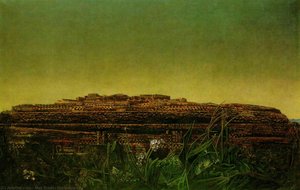
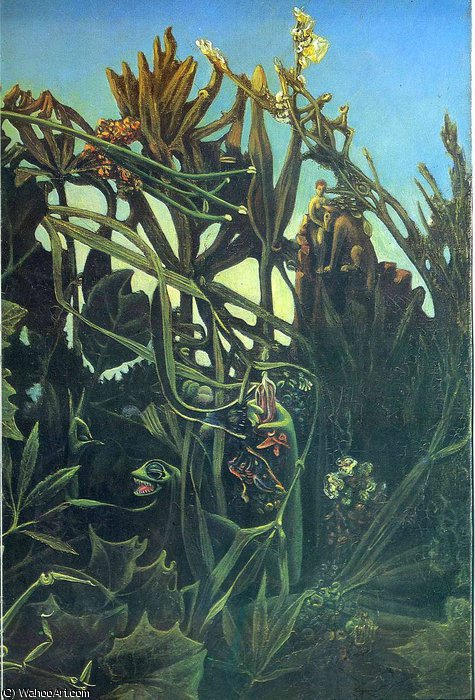
In the vast, labyrinthine landscape of twentieth-century modernism, few works capture the unsettling beauty of the human psyche quite like Max Ernst’s “untitled (9089).” This masterpiece serves as a profound gateway into the realms of Dada and Surrealism, movements that emerged from the fractured reality of post-World War I Europe. Ernst, a pioneer who eschewed traditional academic constraints in favor of psychological exploration, invites the viewer to step away from the rational world and enter a dreamscape where the boundaries between the animate and inanimate dissolve. The painting is not merely a visual experience; it is an invitation to wander through the untamed wilderness of the unconscious mind.
The composition is anchored by a striking, central motif: a solitary man mounted upon a horse, navigating a dense, primordial jungle. This figure, rendered in muted and somber tones, evokes a sense of profound vulnerability amidst the overwhelming scale of nature. As your eyes traverse the canvas, you encounter a surreal ecosystem teeming with life—stylized trees, thickets of bushes, and watchful birds that seem to emerge from the very texture of the earth. Scattered throughout this verdant chaos are other human figures, some resting and others observing, creating a sense of a shared yet deeply isolated existence within this mysterious landscape.
The Alchemy of Texture: Grattage and Form
What truly distinguishes this work is Ernst’s revolutionary approach to medium and method. Eschewing the smooth, polished finishes of classical painting, Ernst utilized grattage—a technique of scraping paint across a canvas layered over textured surfaces like burlap or wood grain. This process allows the underlying textures to bleed through the pigment, creating an intricate, organic surface that feels alive with movement. The resulting visual language is one of deliberate unevenness, where every scratch and scrape mirrors the turbulent emotional currents of the Surrealist movement.
For the discerning collector or interior designer, this technique offers a tactile depth that is rare in traditional portraiture or landscapes. The interplay of light and shadow across these textured ridges creates a dynamic quality; the painting appears to shift and breathe depending on the viewer's perspective and the ambient lighting of the room. It is a work that demands attention, providing a sophisticated focal point that brings an air of intellectual mystery and avant-garde elegance to any curated space.
Symbolism and the Emotional Resonance of the Wild
Beyond its formal brilliance, “untitled (9089)” is rich with symbolic weight. The horse, traditionally a symbol of strength and nobility, appears here in a state of subjugation to human will, perhaps reflecting Ernst’s critique of societal hierarchies and the struggle for dominance. The jungle itself acts as a powerful metaphor for the repressed instincts and primal anxieties that lie beneath the surface of civilized behavior. It is a place where the "id" emerges into the light, presenting a landscape that is simultaneously enchanting and threatening.
The emotional impact of the piece is a complex tapestry of melancholy contemplation and quiet defiance. There is a haunting stillness to the scene, yet it is charged with an underlying current of tension. To possess a reproduction of this work is to bring a piece of art history’s most profound psychological inquiries into one's home. It serves as a constant reminder of the beauty found in the unknown and the enduring power of the imagination to transform chaos into a structured, albeit surreal, vision of existence.
Biografia dell'artista
Max Ernst: Una Vita nel Surrealismo
Primi Anni di Vita ed Educazione
- Nato il: 1° aprile 1891, a Brühl, Germania.
- Il padre di Ernst, Philipp Ernst, era un insegnante dei sordi e pittore dilettante, favorendo fin dalla giovane età l'interesse di Max per l'arte.
- Ha studiato filosofia, storia dell’arte, letteratura, psicologia e psichiatria all’Università di Bonn dal 1909.
- Questo background accademico diversificato ha profondamente influenzato le sue successive esplorazioni artistiche.
Sviluppo Artistico e Influenze
- Un momento cruciale è stata l’esposizione Sonderbund a Colonia (1912), dove ha incontrato opere di Pablo Picasso, Vincent van Gogh, e Paul Gauguin.
- Nel 1914 ha conosciuto Hans Arp, iniziando un’amicizia che dura tutta la vita e che ha segnato significativamente il suo percorso artistico.
- La Prima Guerra Mondiale ha avuto un profondo impatto su Ernst; le sue esperienze come soldato hanno portato a disillusione e una visione critica della società.
- È stato influenzato dalle opere di Sigmund Freud, esplorando temi della mente inconscia nella sua arte.
Dada & Surrealismo
- Ernst è diventato una figura chiave del gruppo Dada di Colonia dopo la Prima Guerra Mondiale, rifiutando le convenzioni artistiche tradizionali.
- Ha pionierizzato tecniche innovative come frottage (sfregamento di matite su superfici testurizzate) e grattage (raschiatura della pittura per rivelare gli strati sottostanti).
- Negli anni ’20 è entrato nel movimento Surrealista a Parigi, collaborando con artisti come Paul Éluard.
- Il suo lavoro di questo periodo ha esplorato immagini oniriche e temi psicologici.
Opere Principali e Tecniche
- Frottage: Una tecnica utilizzata per creare texture e immagini inaspettate, esemplificata in molte delle sue opere.
- Collage: Ernst ha spesso impiegato il collage, combinando elementi disparati per creare composizioni surrealiste.
- Opere Notevoli:
- La Città Intera
- Euclides
- Di Questo Nessuno Dovrà Sapere
- Foresta e Colomba
- I suoi dipinti spesso presentano immagini simboliche, tra cui uccelli (in particolare il suo alter ego Loplop), paesaggi e giustapposizioni inquietanti.
Vita Successiva & Eredità
- Ernst si è trasferito negli Stati Uniti durante la Seconda Guerra Mondiale, continuando a dipingere ed sperimentare nuove tecniche.
- È tornato in Francia dopo la guerra e è rimasto attivo fino alla sua morte il 1° aprile 1976, a Parigi.
- Significato Storico: I contributi di Max Ernst a Dada e Surrealismo sono stati rivoluzionari. Ha sfidato le norme artistiche, ha esplorato la mente inconscia e ha inventato tecniche innovative che continuano a ispirare gli artisti oggi.
- Resta uno dei personaggi più importanti e influenti del 20° secolo d’arte.
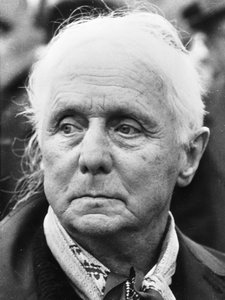
Max Ernst
1891 - 1976 , Germania
Informazioni rapide
- Artisti Che Hanno Influenzato Questo Artista:
- Pablo Picasso
- Vincent van Gogh
- Paul Gauguin
- Sigmund Freud
- Data Di Morte: 1 aprile 1976
- Data Di Nascita: 1 aprile 1891
- Luogo Di Nascita: Brühl, Germania
- Movimento Artistico: Dada e Surrealismo
- Nazionalità: Tedesca
- Nome Completo: Max Ernst
- Opere Notevoli:
- La Città Intera
- Euclides
- Foresta e Colomba
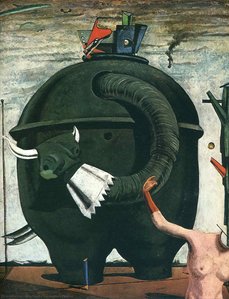
- L'Elefante di Celebes
Articoli correlati

Max Ernst: I 25 Capolavori che Rivoluzionarono l'Arte Moderna | OriginalUniqueArt
Esplora i 25 capolavori di Max Ernst, pioniere del Surrealismo. Scopri la storia, le tecniche e il simbolismo dietro ogni opera iconica. Trova riproduzioni arte su tela di alta qualità per decorare casa con OriginalUniqueArt.com.
The Noble Steed on Canvas: A Historical & Artistic Exploration of Horse Painting Across Cultures
Explore the rich history of horse painting! Discover masterpieces from Stubbs to Munnings & learn about symbolism, techniques & artists. Find museum-quality reproductions at OriginalUniqueArt.
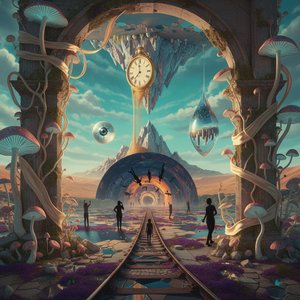
Dreamscapes & Disrupted Realities: Exploring Surrealism's Enduring Influence
Explore the fascinating world of Surrealism! Discover its origins, key artists like Dalí & Magritte, and enduring influence on art & culture. Expert insights & high-quality reproductions at OriginalUniqueArt.

The Equine Muse: A Historical & Artistic Exploration of Horses in Painting
Explore the captivating history of horses in painting! Discover Renaissance masterpieces, Baroque grandeur & expert insights for collecting equestrian art. Learn about symbolism, techniques & lasting value with OriginalUniqueArt.
René Magritte: I 25 Capolavori che Definiscono il Surrealismo | OriginalUniqueArt
Esplora i 25 capolavori di René Magritte, il maestro del surrealismo. Scopri storie, significati e tecniche dietro opere iconiche come 'L'Impero delle Luci'. Trova riproduzioni d'arte su tela e idee per decorazioni uniche su OriginalUniqueArt.com.