 Anteprima in scala reale
 Condividi
 Condividi
 Dettagli

 Scarica immagine
 Articoli simili
 Radiografia
 Slideshow
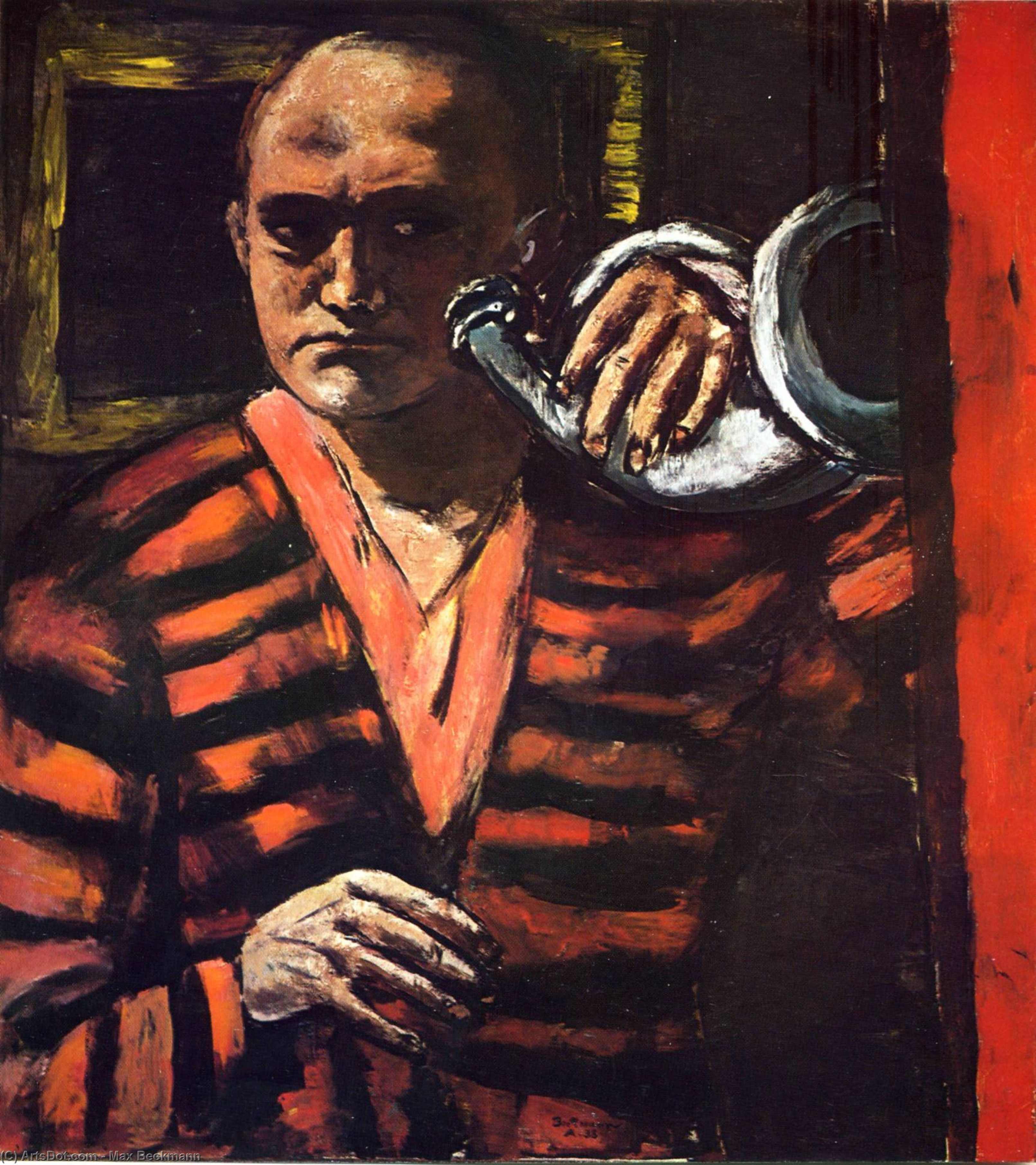
Self-Portrait with Trumpet
 Oil On Canvas
- WallArt
- Expressionist Portraiture
 1938
1938- Modern
 101.0 x 110.0 cm
 Leggi tutto
Giclée / Stampe d'arte
Stampa giclée o su tela di qualità museale, con produzione rapida e diverse opzioni di finitura. ( Ordina la riproduzione dipinta a mano Acquista download)




P118B $10

P118H $10

P118W $10

P438Z $10

P508JH $12

P508YH $12

P805H $10

P805Z $10

P919BZ $10

P919G $10

P919XJ $10

P959ZH $10

P968JZ $12

W106C $8

W218G $10

W218JH $8

W218Y $10

W307PJ $10

W316G $10

W316PJ $8

W316Y $10

W398PJ $8

W4111J $10

W500HY $15

W500JH $15

W692G $12

W849H $8

W940BG $15

W953PJ $8




Scegli tra le nostre dimensioni predefinite, che rispettano le proporzioni originali dell'opera d'arte.

È possibile inserire dimensioni personalizzate per adattare l'opera a una cornice o a uno spazio specifico. Se la dimensione selezionata non corrisponde alle proporzioni dell'immagine originale, procederemo al ritaglio dell'opera o all'estensione dell'immagine con un bordo specchiato o a tinta unita. Un mockup digitale ti verrà inviato per approvazione prima dell'inizio della produzione.
Si prega di notare che l'anteprima a schermo non riflette il ritaglio o l'estensione effettivi. Solo il mockup mostrerà accuratamente la composizione finale.
Sebbene siano disponibili dimensioni personalizzate, si raccomanda di selezionare una dimensione dall'elenco predefinito per preservare le proporzioni originali.
Consegna in tutto il mondo () in 2 settimane invece delle normali 4/5 settimane. (20 Agosto)

Spedizione espressa gratuita in tutto il mondo

Tela in lino di alta qualità

Assicurazione completa sulla spedizione

Garanzia di rimborso dei dazi doganali

Garanzia di fedeltà cromatica dell'originale

Politica di reso entro 60 giorni (solo per difetti di fabbricazione)

Garanzia di rimborso al 100%

Sconto per acquisti multipli
 L'opzione vetro è disponibile solo per dimensioni inferiori a 110 cm

Self-Portrait with Trumpet
Giclée / Stampe d'arte
Dimensioni della riproduzione
-


Prezzo totale
$ 80
Descrizione del pezzo
Max Beckmann's 'Self-Portrait with Trumpet': A Study in Disquiet
Max Beckmann’s 1938 ‘Self-Portrait with Trumpet’ is not merely a representation of the artist; it’s a raw, unsettling exploration of identity and disillusionment rendered with the characteristic intensity of his expressionist style. Completed during a period of profound personal and artistic transformation, this oil on canvas offers a glimpse into Beckmann's evolving worldview – one shaped by the trauma of World War I and a growing sense of alienation from the societal norms of his time. The painting’s immediate impact lies in its unsettling composition: a man, clad in a striking red garment, stares directly at the viewer with an almost accusatory gaze. His posture is rigid, conveying a palpable tension, while the trumpet he holds to his lips suggests both aspiration and perhaps a desperate attempt to find solace or expression within a world seemingly devoid of meaning.
- Subject & Composition: The central figure dominates the canvas, immediately drawing the viewer into a confrontation. The inclusion of the bottle and cup adds layers of complexity, hinting at themes of indulgence, contemplation, and perhaps even self-medication – common anxieties reflected in Beckmann’s oeuvre.
- Technique & Materials: Executed in oil on canvas, the painting showcases Beckmann's masterful control over texture and color. Thick impasto strokes build a sense of physicality, while his use of muted reds, browns, and blues creates an atmosphere of brooding melancholy. The deliberate distortion of perspective further amplifies the emotional impact.
Echoes of Medieval Iconography & Artistic Influences
Beckmann’s artistic development was profoundly influenced by a deep engagement with medieval art, particularly stained glass and late Gothic painting. This fascination is evident in the flattened perspectives, symbolic imagery, and almost ritualistic quality of ‘Self-Portrait with Trumpet.’ He drew heavily from artists like Rembrandt, whose use of chiaroscuro – the dramatic interplay of light and shadow – resonates powerfully within this work, as well as the Northern European masters Bosch and Grünewald, known for their unsettling depictions of human folly and spiritual struggle. Cézanne’s influence is also discernible in Beckmann's exploration of form and space, while Van Gogh’s emotional intensity undoubtedly contributed to his own expressive approach.
Historical Context & The Artist's Psyche
Painted in 1938, a year marked by rising political tensions in Germany, the painting reflects the anxieties of the era. Beckmann’s experiences as a medical orderly during World War I left an indelible mark on his psyche, contributing to his later artistic preoccupation with themes of suffering, loss, and the dehumanizing effects of conflict. The self-portrait can be interpreted as a deeply personal statement – a struggle to reconcile his own identity with the fractured realities of the modern world. It’s a testament to Beckmann's courage in confronting difficult truths about himself and humanity.
A Timeless Expression of Human Condition
'Self-Portrait with Trumpet' transcends its historical context, offering a timeless meditation on the human condition. Its raw emotional power and unsettling imagery continue to resonate with viewers today, solidifying Beckmann’s place as one of the most significant artists of the 20th century. This meticulously crafted reproduction captures not just an image but the very essence of Beckmann's artistic vision – a poignant reminder of our shared vulnerability and the enduring search for meaning in a chaotic world.
Biografia dell'artista
Primi anni di vita e sviluppo artistico
Max Beckmann, rinomato pittore, disegnatore, incisore, scultore e scrittore tedesco, nacque il 12 febbraio 1884 a Lipsia, in Sassonia. Il suo percorso artistico iniziò con rappresentazioni accademicamente corrette, che successivamente si trasformarono in figure e spazi distorti, riflettendo la sua visione alterata dell'umanità dopo aver prestato servizio come infermiere durante la prima guerra mondiale.Stile artistico e influenze
Lo stile di Beckmann, radicato nell’immaginario delle vetrate medievali, fu influenzato da vari artisti, tra cui Cézanne, Van Gogh, Blake, Rembrandt e Rubens. Trasse ispirazione anche dagli artisti nordici del tardo Medioevo e del primo Rinascimento, come Bosch, Bruegel e Matthias Grünewald.Opere notevoli ed esposizioni
- La Barka (acquisita dalla National Gallery di Berlino)
- Autoritratto in frac (acquistato nel 1928)
- Retrospettive alla Städtische Kunsthalle Mannheim (1928) e a Basilea e Zurigo (1930)
Vita successiva ed esilio
La fortuna di Beckmann cambiò con l'ascesa di Adolf Hitler, che portò al suo licenziamento dalla scuola d'arte di Francoforte e alla confisca di oltre 500 delle sue opere. Visse in autoesilio ad Amsterdam per dieci anni, senza riuscire a ottenere un visto per gli Stati Uniti.Eredità
- Insegnò nelle scuole d'arte della Washington University di St. Louis e del Brooklyn Museum
- La prima retrospettiva negli Stati Uniti ebbe luogo nel 1948 al City Art Museum di Saint Louis
- La Max-Slevogt Galerie, in Germania, espone una collezione delle sue opere
- Nato: 12 febbraio 1884
- Morto: 27 dicembre 1950

Max Beckmann
1884 - 1950 , Germania
Informazioni rapide
- Artisti Influenti:
- Cézanne
- Van Gogh
- Blake
- Rembrandt
- Rubens
- Bosch
- Bruegel
- Matthias Grünewald
- Data Di Nascita: 12 febbraio 1884
- Luogo Di Nascita: Leipzig, Germania
- Movimento Artistico: Espressionismo tedesco
- Nazionalità: Tedesca
- Nome Completo: Max Beckmann
- Opere Notevoli:
- The Bark
- Self-Portrait in Tuxedo
Articoli correlati
Giclée Prints: Archival Quality & Aesthetic Nuances for the Discerning Collector
Explore the world of giclée prints with OriginalUniqueArt. Learn about archival quality, aesthetic nuances & investment potential. Expert guidance for discerning art collectors seeking museum-quality reproductions and lasting value.

Crimson Threads of Narrative: Exploring Symbolism & Representation in Artworks Featuring the Red Dress
Explore the rich symbolism of the red dress in art history! From ancient power displays to iconic portraits like Cézanne’s 'Madame Cezanne', discover the cultural and artistic significance behind this captivating color. Expert analysis & insights.

Echoes of Time: Exploring the Enduring Appeal & Historical Context of Vintage Art Prints
Explore the captivating world of vintage art prints! Discover their history, collecting tips & enduring appeal. Expert insights on chromolithography and building a legacy collection with OriginalUniqueArt.

The Enduring Legacy of Fine Art Prints: Technique, History & Aesthetic Impact
Explore the rich history & techniques of fine art prints. Discover investment potential, assess authenticity, and learn how to preserve your collection with expert guidance. Trusted insights for discerning collectors.
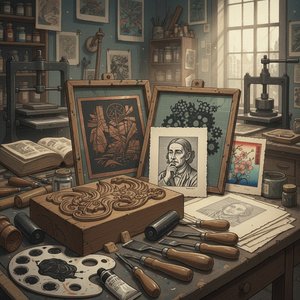
The Enduring Legacy of Printmaking: Techniques, Themes & Artistic Innovation Across Centuries
Explore the rich history of printmaking with OriginalUniqueArt. Discover techniques from intaglio to lithography, learn about collecting valuable prints & find museum-quality reproductions. Expert insights for art enthusiasts and collectors.