

 Anteprima in scala reale
 Condividi
 Condividi
 Dettagli
 Guida stampabile

 Scarica
 Articoli simili
 Radiografia
 Slideshow
 Statistiche
Quappi in blue in a boat


 Leggi tutto
Giclée / Stampe d'arte
Stampa giclée o su tela di qualità museale, con produzione rapida e diverse opzioni di finitura. ( Ordina la riproduzione dipinta a mano Passa all'immagine digitale)




P118B $10

P118H $10

P118W $10

P438Z $10

P508JH $12

P508YH $12

P805H $10

P805Z $10

P919BZ $10

P919G $10

P919XJ $10

P959ZH $10

P968JZ $12

W106C $8

W218G $10

W218JH $8

W218Y $10

W307PJ $10

W316G $10

W316PJ $8

W316Y $10

W398PJ $8

W4111J $10

W500HY $15

W500JH $15

W692G $12

W849H $8

W940BG $15

W953PJ $8




Scegli tra le nostre dimensioni predefinite, che rispettano le proporzioni originali dell'opera d'arte.

È possibile inserire dimensioni personalizzate per adattare l'opera a una cornice o a uno spazio specifico. Se la dimensione selezionata non corrisponde alle proporzioni dell'immagine originale, procederemo al ritaglio dell'opera o all'estensione dell'immagine con un bordo specchiato o a tinta unita. Un mockup digitale ti verrà inviato per approvazione prima dell'inizio della produzione.
Si prega di notare che l'anteprima a schermo non riflette il ritaglio o l'estensione effettivi. Solo il mockup mostrerà accuratamente la composizione finale.
Sebbene siano disponibili dimensioni personalizzate, si raccomanda di selezionare una dimensione dall'elenco predefinito per preservare le proporzioni originali.
Consegna in tutto il mondo () in 2 settimane invece delle normali 4/5 settimane. (27 Settembre)

Spedizione espressa gratuita in tutto il mondo

Tela in lino di alta qualità

Assicurazione completa sulla spedizione

Garanzia di rimborso dei dazi doganali

Garanzia di perfetta fedeltà cromatica

Politica di reso entro 100 giorni (solo per difetti di fabbricazione)

Garanzia di rimborso al 100%

Sconto per acquisti multipli
 L'opzione vetro è disponibile solo per dimensioni inferiori a 110 cm

Quappi in blue in a boat
Giclée / Stampe d'arte
Dimensioni della riproduzione
-


Prezzo totale
$ 80
A Glimpse into Mid-Century Leisure: Analyzing Quappi in Blue in a Boat
To stand before Max Beckmann's Quappi in blue in a boat is to encounter a fascinating confluence of early 20th-century artistic anxieties filtered through the seemingly carefree veneer of a seaside tableau. Painted around 1950, this work captures a moment of repose—a woman elegantly posed on the beach, clad in a striking blue bathing suit, her posture suggesting both languor and studied composure. Yet, beneath the surface tranquility suggested by the sun-drenched setting and the presence of boats dotting the background, Beckmann’s characteristic intensity remains palpable. The composition draws the eye across the figures—the central woman with her crossed arms, the standing figure to the left, and another receding into the right side—creating a narrative depth that belies the subject matter's apparent simplicity.
Beckmann's Vision: Style and Technique in Post-War Germany
Max Beckmann’s artistic journey was one of profound transformation. From early academic precision to the distorted, emotionally charged spaces that marked his mature style, his work consistently wrestled with the human condition. While this piece retains a certain figurative clarity suitable for its period, one can still detect echoes of his lifelong engagement with powerful, sometimes unsettling imagery. His technique, while perhaps less overtly expressionistic than some of his wartime works, suggests a mastery of form and color that speaks to influences ranging from Northern European masters to the monumental structures of stained glass. The application of paint seems deliberate, lending weight to the figures even in this depiction of leisure. For those considering a reproduction for your space, understanding this stylistic lineage allows one to appreciate how Beckmann managed to ground grand artistic concerns within seemingly mundane scenes.
Symbolism and the Weight of Presence
The symbolism woven into Quappi in blue in a boat is rich for contemplation. The bathing suit itself, an emblem of temporary escape, contrasts subtly with the enduring weight of the human gaze captured by Beckmann. The grouping of figures—the woman, the onlookers, the boats suggesting journeys taken or yet to come—invites us to question what these moments of apparent ease truly signify. Are they portraits of pleasure, or are they meditations on isolation within a crowd? His inclusion of multiple figures in varying degrees of focus suggests that even in shared experience, each individual carries their own internal landscape. The blue of the bathing suit acts as an anchor point, a cool, saturated note against the warmer tones of skin and sand, drawing the viewer into its quiet mystery.
Emotional Resonance for the Modern Collector
This painting offers more than just decoration; it offers conversation. It speaks to the tension between public presentation and private feeling—a theme eternally resonant with collectors and interior designers alike. When considering this piece for a gallery wall or a sophisticated living area, one is not merely acquiring an image of a beach scene, but rather owning a dialogue across decades. The emotional impact Beckmann achieves is subtle yet profound; it prompts the viewer to pause, to observe the unspoken narratives between people, and to reflect on their own moments of suspended time. It is a work that rewards close looking, promising depth alongside its undeniable visual beauty.
Biografia dell'artista
Primi anni di vita e sviluppo artistico
Max Beckmann, rinomato pittore, disegnatore, incisore, scultore e scrittore tedesco, nacque il 12 febbraio 1884 a Lipsia, in Sassonia. Il suo percorso artistico iniziò con rappresentazioni accademicamente corrette, che successivamente si trasformarono in figure e spazi distorti, riflettendo la sua visione alterata dell'umanità dopo aver prestato servizio come infermiere durante la prima guerra mondiale.Stile artistico e influenze
Lo stile di Beckmann, radicato nell’immaginario delle vetrate medievali, fu influenzato da vari artisti, tra cui Cézanne, Van Gogh, Blake, Rembrandt e Rubens. Trasse ispirazione anche dagli artisti nordici del tardo Medioevo e del primo Rinascimento, come Bosch, Bruegel e Matthias Grünewald.Opere notevoli ed esposizioni
- La Barka (acquisita dalla National Gallery di Berlino)
- Autoritratto in frac (acquistato nel 1928)
- Retrospettive alla Städtische Kunsthalle Mannheim (1928) e a Basilea e Zurigo (1930)
Vita successiva ed esilio
La fortuna di Beckmann cambiò con l'ascesa di Adolf Hitler, che portò al suo licenziamento dalla scuola d'arte di Francoforte e alla confisca di oltre 500 delle sue opere. Visse in autoesilio ad Amsterdam per dieci anni, senza riuscire a ottenere un visto per gli Stati Uniti.Eredità
- Insegnò nelle scuole d'arte della Washington University di St. Louis e del Brooklyn Museum
- La prima retrospettiva negli Stati Uniti ebbe luogo nel 1948 al City Art Museum di Saint Louis
- La Max-Slevogt Galerie, in Germania, espone una collezione delle sue opere
- Nato: 12 febbraio 1884
- Morto: 27 dicembre 1950

Max Beckmann
1884 - 1950 , Germania
Informazioni rapide
- Artisti Influenti:
- Cézanne
- Van Gogh
- Blake
- Rembrandt
- Rubens
- Bosch
- Bruegel
- Matthias Grünewald
- Data Di Nascita: 12 febbraio 1884
- Luogo Di Nascita: Leipzig, Germania
- Movimento Artistico: Espressionismo tedesco
- Nazionalità: Tedesca
- Nome Completo: Max Beckmann
- Opere Notevoli:
- The Bark
- Self-Portrait in Tuxedo
Articoli correlati
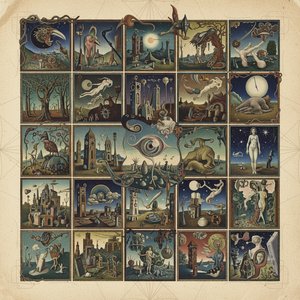
Max Ernst: I 25 Capolavori che Rivoluzionarono l'Arte Moderna | OriginalUniqueArt
Esplora i 25 capolavori di Max Ernst, pioniere del Surrealismo. Scopri la storia, le tecniche e il simbolismo dietro ogni opera iconica. Trova riproduzioni arte su tela di alta qualità per decorare casa con OriginalUniqueArt.com.

I 10 Dipinti Più Famosi Dominati dal Blu Ardesia: Storia, Arte e Decorazioni Raffinate
Esplora i 10 dipinti più iconici dominati dal blu ardesia! Scopri la storia, gli artisti e le tecniche dietro capolavori impressionisti e moderni. Trova riproduzioni artistiche di alta qualità per decorare casa con .

The Allure of Azure: Exploring the Symbolic & Aesthetic Depths of Blue in Art History
Explore the rich history of blue in art! Discover its symbolism, from ancient pigments to modern masterpieces by Kandinsky & Seurat. Uncover the psychological impact and cultural meanings behind this captivating hue.

Max Beckmann: Navigare il Trauma e la Modernità Attraverso una Lente Distorta
Esplora l'opera di Max Beckmann, maestro dell'Espressionismo tedesco e della Neue Sachlichkeit. Analisi approfondite del suo simbolismo distorto, il contesto storico e consigli per collezionisti esperti.

Espressionismo Tedesco: 10 Capolavori Rivoluzionari per Arredare con Emozione
Esplora i 10 capolavori dell'Espressionismo Tedesco con OriginalUniqueArt.com! Scopri Kirchner, Munch e Nolde, le loro emozioni intense e tecniche rivoluzionarie. Arreda la tua casa con stampe d'arte di alta qualità. Esplora la collezione online!


