

 Anteprima in scala reale
 Condividi
 Condividi
 Dettagli
 Guida stampabile

 Scarica
 Articoli simili
 Radiografia
 Slideshow
 Statistiche
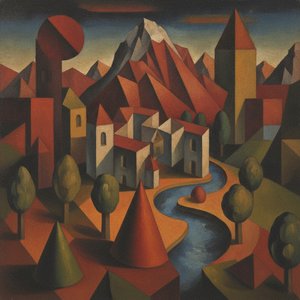
Landscape with Rooftops
 Cubism
 41.0 x 51.0 cm
 Galleria e Museo Ben Uri
 Leggi tutto
Riproduzione a olio fatta a mano
Olio su tela dipinto a mano nelle tue dimensioni e con la tua cornice, realizzato su ordinazione dai nostri artisti. ( Passa alle stampe Passa all'immagine digitale)




































Scegli tra le nostre dimensioni predefinite, che rispettano le proporzioni originali dell'opera d'arte.

È possibile inserire dimensioni personalizzate per adattare l'opera a una cornice o a uno spazio specifico. Se la dimensione selezionata non corrisponde alle proporzioni dell'immagine originale, provvederemo a ritagliare l'opera o a estendere il dipinto con elementi aggiuntivi dipinti a mano. Un mockup digitale ti sarà inviato per approvazione prima dell'inizio della produzione.
Si prega di notare che l'anteprima a schermo non riflette il ritaglio o l'estensione effettivi. Solo il mockup mostrerà accuratamente la composizione finale.
Sebbene siano disponibili dimensioni personalizzate, consigliamo di selezionare una dimensione dall'elenco predefinito per preservare le proporzioni originali.
Dopo l'ordine, il team di OriginalUniqueArt.com contatterà il cliente via e-mail per ricevere le istruzioni e fornirà un'anteprima del mockup
Consegna in tutto il mondo () in 3/4 settimane anziché nelle normali 5 settimane. (25 Settembre). Nessun compromesso sulla qualità.

Spedizione espressa gratuita in tutto il mondo

Tela in lino di alta qualità

Assicurazione completa sulla spedizione

Garanzia di rimborso dei dazi doganali

Garanzia di perfetta fedeltà cromatica

Politica di reso entro 100 giorni (solo per difetti di fabbricazione)

Garanzia di rimborso al 100%

Sconto per acquisti multipli
 L'opzione vetro è disponibile solo per dimensioni inferiori a 110 cm

Landscape with Rooftops
Tecnica di riproduzione
Dimensioni della riproduzione
-


Prezzo totale
$ 300
Articoli correlati

Evocations of Place: A Historical Journey Through Landscape Art
Explore the rich history of landscape art with OriginalUniqueArt. Discover renowned artists, movements like Impressionism & Romanticism, and expert guidance for collecting timeless pieces. Find your perfect serene escape today!
Cubist Landscapes: Redefining Perspective Through Geometric Mastery and the Evolution of Modern Vision
Explore the profound evolution of Cubist landscapes. Discover how masters like Braque and Picasso redefined perspective through geometric mastery, transforming nature into an intellectual mosaic of form and light for the discerning modern art collector.

I 10 Capolavori del Paesaggio Romantico: Arte, Storia e Decorazioni di Lusso
Esplora i 10 capolavori del Paesaggio Romantico con OriginalUniqueArt.com! Caspar David Friedrich, Turner e altri maestri: storia, tecnica e colori che definiscono un'epoca. Trova riproduzioni d'arte di lusso per la tua casa. Scopri la collezione completa online!

Evocations of Place: A Historical Journey Through Landscape Art
Explore the rich history of landscape art with OriginalUniqueArt. Discover renowned artists, movements like Impressionism & tonalism, and expert guidance for collecting timeless pieces. Find your perfect serene escape today!
Redefining Nature: A Collector's Guide to the Geometric Beauty of Cubist Landscapes
Explore the revolutionary world of Cubist landscapes. Discover how masters like Picasso and Braque redefined nature through geometric beauty, and learn expert tips for curating these transformative masterpieces in your modern home collection.