Anteprima in scala reale
 Invia
Invia Condividi
 Dettagli opera
 Guida
Guida

 Scarica
 Simili
 Radiografia
 Slideshow
 Statistiche
Absalom's Feast
 Oil On Canvas
- WallArt
- Baroque
 1653
1653 202.0 x 297.0 cm
 Museo e Real Bosco di Capodimonte
 Espandi i dettagli
Giclée / Stampe d'arte
Stampa giclée o su tela di qualità museale, con produzione rapida e diverse opzioni di finitura. ( Acquista il dipinto realizzato a mano Passa all'immagine digitale)




P118B €10

P118H €10

P118W €10

P438Z €10

P508JH €12

P508YH €12

P805H €10

P805Z €10

P919BZ €10

P919G €10

P919XJ €10

P959ZH €10

P968JZ €12

W106C €8

W218G €10

W218JH €8

W218Y €10

W307PJ €10

W316G €10

W316PJ €8

W316Y €10

W398PJ €8

W4111J €10

W500HY €15

W500JH €15

W692G €12

W849H €8

W940BG €15

W953PJ €8




Scegli tra le nostre dimensioni predefinite, che rispettano le proporzioni originali dell'opera d'arte.

Inserisci la larghezza e l'altezza desiderate, per adattarle alla tua cornice o alla tua parete. Una stampa può essere solo ritagliata, mai resa più grande dell'immagine originale; pertanto, un formato con una forma differente comporterà la perdita di una parte dell'opera. Ti invieremo un mockup digitale da approvare prima di procedere con la stampa. L'immagine mostrata in questa pagina non rappresenta il ritaglio reale — solo il mockup lo mostra.
Consegna in tutto il mondo () in 2 settimane invece delle normali 4/5 settimane. (27 Ottobre)

Spedizione espressa gratuita in tutto il mondo

Tela in lino di alta qualità

Assicurazione completa sulla spedizione

Garanzia di rimborso dei dazi doganali

Garanzia di fedeltà cromatica assoluta

Politica di reso entro 100 giorni (solo per difetti di fabbricazione)

Garanzia di rimborso al 100%

Offerta per acquisti multipli
 L'opzione vetro è disponibile solo per dimensioni inferiori a 110 cm

Absalom's Feast
Giclée / Stampe d'arte
Dimensioni riproduzione
-


Prezzo finale calcolato
€ 70
The Genesis of a Dramatic Scene
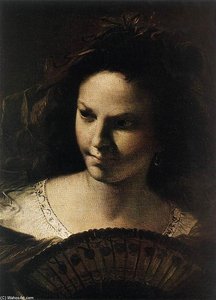
Mattia Preti's "Absalom’s Feast," completed in 1653, isn’t merely a painting; it’s a meticulously constructed tableau of betrayal and despair, born from the heart of the Italian Baroque. This monumental oil on canvas, measuring an impressive 202 x 297 cm and currently residing within the Museo Nazionale di Capodimonte in Naples, immediately commands attention with its dramatic composition and intensely emotive palette. Preti, a Calabrian Knight known as “Il Cavalier Calabrese,” masterfully synthesizes influences from Caravaggio’s stark realism, the vibrant colorism of Venetian masters like Titian and Veronese, and the dynamic energy of Emilian artists like Guercino and Lanfranco – creating a uniquely powerful visual narrative. The painting's origins lie in a commission for the Palazzo Doria-Pamphili in Rome, reflecting the prevailing trends of neo-Venetianism that were shaping artistic sensibilities at the time.
A Symphony of Darkness and Light
The scene unfolds within a lavishly rendered architectural setting – a grand hall overflowing with opulent details, hinting at the extravagance of King Baldassarre’s ill-fated banquet. Preti employs his signature technique of dramatic chiaroscuro, utilizing pools of deep shadow to heighten the sense of tension and mystery, while strategically placed splashes of red draw the eye to key elements: the fallen head of Absalom resting on a table, a sword held aloft by a figure caught in the act of betrayal, and the ominous inscription scrawled across the wall. This masterful manipulation of light isn’t simply decorative; it serves to amplify the emotional weight of the scene, conveying a sense of impending doom and irreversible tragedy. The brushwork itself is remarkably energetic, reflecting Preti's commitment to capturing movement and dynamism – a hallmark of Baroque art.
Symbolism Woven into the Narrative
Beyond its immediate visual impact, "Absalom’s Feast" is rich in symbolic meaning. The story depicted—the downfall of King Baldassarre due to his own hubris and the judgment of God—resonates with themes of power, corruption, and divine retribution. Absalom's posture – head resting on a table, suggesting defeat and vulnerability – speaks volumes about the consequences of transgression. The figures surrounding him are not merely observers; they represent the various facets of betrayal: shock, anger, complicity, and despair. Even the architectural details—the grand hall, the overflowing tables—contribute to the overall sense of excess and impending collapse. Preti’s ability to imbue a historical narrative with such potent symbolism elevates the painting beyond a simple depiction of an event; it becomes a meditation on human nature and the inescapable consequences of our actions.
A Legacy of Baroque Drama
Mattia Preti's "Absalom’s Feast" stands as a testament to his artistic genius and a prime example of the dramatic intensity that characterized the Italian Baroque. His work, particularly during his time in Malta, significantly influenced subsequent generations of artists. The painting’s enduring appeal lies not only in its technical brilliance but also in its ability to evoke a profound emotional response from viewers. Reproductions of this powerful masterpiece offer a captivating glimpse into a pivotal moment in art history—a scene brimming with intrigue, betrayal, and the inescapable weight of fate. Further research can be found at https://OriginalUniqueArt.com and https://OriginalUniqueArt.com, as well as on Wikipedia.
Domande e risposte
Qual è il tono emotivo di "Absalom's Feast" di Mattia Preti?
"Absalom's Feast" è associata a una sensazione Melancholic. Il tono emotivo descrive l'impressione che l'opera trasmette.
"Absalom's Feast" presenta forti contrasti chiaroscurali?
Il livello di contrasto di "Absalom's Feast" di Mattia Preti è Gentle.
Qual è la dimensione di stampa consigliata per "Absalom's Feast"?
La dimensione di stampa consigliata per "Absalom's Feast" di Mattia Preti è Large.
Biografia dell'artista
Mattia Preti: Un Protagonista dell'Arte Barocca Italiana
- Nato: Taverna, Italia (24 febbraio 1613)
- Morto: 1699
Primi Anni e Formazione Artistica
Mattia Preti nacque a Taverna, in Calabria, Italia, il 24 febbraio 1613. La sua formazione artistica iniziale iniziò con Giovanni Battista Caracciolo, un pittore associato al movimento caravaggesco. Questa prima esposizione plasmò significativamente il suo stile, evidente in molte delle sue opere. Prima del 1630, Preti si unì a suo fratello Gregorio Preti a Roma, dove si immerse nelle tecniche di Caravaggio e di altri importanti artisti dell'epoca. Questo periodo fu cruciale per sviluppare la sua comprensione dell'illuminazione drammatica e delle rappresentazioni realistiche.
Sviluppi Artistici Chiave e Influenze
Il percorso artistico di Preti coinvolse un complesso intreccio di influenze. Pur avendo radici nel caravaggismo, assorbì anche elementi da vari maestri tra cui Guercino, Rubens, Guido Reni e Giovanni Lanfranco. Il suo periodo a Napoli lo espose all'opera di Luca Giordano, affinando ulteriormente il suo stile. Si verificò uno spostamento notevole quando Preti superò l'imitazione strettamente caravaggesca, sviluppando uno stile barocco più dinamico ed espressivo caratterizzato da:
- Contrasti Drammatici di Luce e Ombra: Un tratto distintivo ereditato da Caravaggio, utilizzato per creare un intenso dramma ed evidenziare le figure chiave.
- Intensa Espressione Emotiva: Le opere di Preti spesso trasmettono potenti emozioni attraverso espressioni facciali e linguaggio del corpo.
- Composizioni Dinamiche: I suoi dipinti presentano un movimento energico e complessi arrangiamenti di figure.
Opere Principali e Committenze
La carriera di Preti fu segnata da numerose commissioni significative in tutta Italia e Malta. Alcune opere notevoli includono:
- Cicli di Affreschi a Roma: Creò cicli di affreschi per chiese come Sant’Andrea della Valle e San Carlo ai Catinari, dimostrando la sua abilità nella pittura decorativa su larga scala.
- Affreschi a San Biagio, Modena: Il suo lavoro presso la chiesa di San Biagio evidenziò la sua capacità di adattare il suo stile a diversi contesti.
- Affreschi del Napoli durante la Peste: Una serie di grandi affreschi raffiguranti la Vergine o i santi che salvano le persone dalla peste furono dipinti su sette porte cittadine di Napoli. Sebbene ora perduti, gli schizzi rimangono a testimonianza della loro scala e impatto.
- Cattedrale di San Giovanni, La Valletta (Malta): Forse il suo risultato più significativo fu la trasformazione dell'interno della Cattedrale di San Giovanni con una vasta serie di dipinti che raffigurano la vita e il martirio di San Giovanni Battista. Questo progetto consolidò la sua reputazione e assicurò numerose commissioni in tutta Europa.
Eredità e Significato Storico
La crescente reputazione di Mattia Preti, alimentata dal suo lavoro a Malta, portò a un ampliamento del suo circolo di patroni e commissioni da tutta Europa. È ricordato come una figura guida nell'arte barocca italiana, noto per le sue composizioni drammatiche, l'abile uso della luce e dell'ombra e la capacità di trasmettere intense emozioni. La sua eredità continua ad essere apprezzata attraverso la conservazione delle sue opere in musei come il Museo di Capodimonte a Napoli e attraverso riproduzioni disponibili su OriginalUniqueArt.com. Il suo contributo alla decorazione della Cattedrale di San Giovanni rimane una testimonianza del suo talento artistico e del suo impatto duraturo sull'arte barocca.
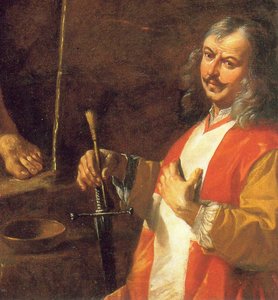
Mattia Preti
1613 - 1699 , Italia
Dettagli rapidi
- Artistic Movement Or Style: Barocco
- Artists Or Movements Influenced By This Artist: ['Francesco Stringa']
- Artists Who Influenced This Artist:
- Giovanni Battista Caracciolo
- Caravaggio
- Luca Giordano
- Date Of Birth: 24 febbraio 1613
- Date Of Death: 3 gennaio 1699
- Full Name: Mattia Preti
- Nationality: Italiana
- Notable Artworks:
- Cicli di affreschi a Roma
- Affreschi a San Biagio, Modena
- Dipinti per Malta
- Place Of Birth: Taverna, Italia
Articoli correlati

Il Dramma Barocco: Portare Splendore ed Emozione negli Interni Contemporanei
Scopri come portare il dramma e lo splendore dell'arte barocca nei tuoi interni con . Riproduzioni di alta qualità, consulenza d'arte personalizzata e ispirazione per uno stile unico.

The Dramatic Flourish: Exploring the Baroque Movement's Enduring Legacy in Art History
Explore the dramatic world of Baroque art! Discover iconic artists like Caravaggio & Rubens, defining techniques, and its lasting impact on art history. Expert insights for collectors & enthusiasts at OriginalUniqueArt.

I 10 Capolavori Barocchi che Hanno Definito un'Epoca | Arte e Decorazioni di Lusso
Esplora i 10 capolavori barocchi di Caravaggio, Bernini e Rembrandt che hanno rivoluzionato l'arte. Scopri storie, tecniche e colori iconici. Trova riproduzioni d'arte di alta qualità per la tua casa su !

Italian Baroque Unlocked: High-Drama Art That Hits Hard
Dive into the high-drama world of Italian Baroque art. Discover how chiaroscuro, intense emotion, and theatrical lighting redefined aesthetics. Explore the visceral power of the Counter-Reformation through a modern lens with expert insights from OriginalUniqueArt.com.

Drama and Light: A Definitive Guide to the Italian Baroque Masterpieces and the Revolution of Chiaroscuro
Explore the dramatic world of Italian Baroque art. Discover how masters like Caravaggio used chiaroscuro and tenebrism to revolutionize painting through light, shadow, and profound realism. A definitive guide for history lovers and art collectors.