
 Anteprima in scala reale
 Invia
Invia Condividi
 Dettagli opera
 Guida
Guida

 Scarica
 Simili
 Radiografia
 Slideshow
 Statistiche
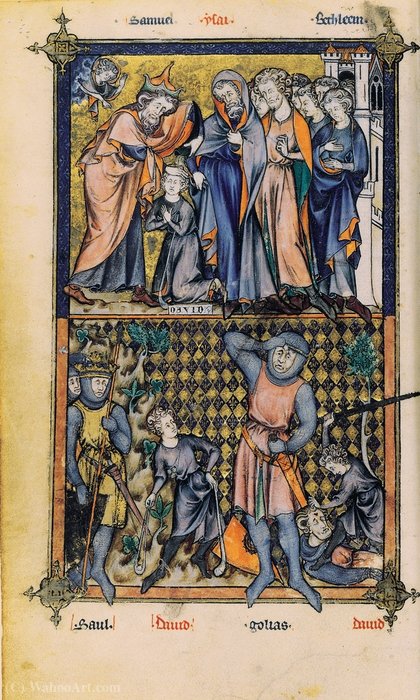
David
 Espandi i dettagli
Acquista un'immagine digitale ad alta risoluzione e ottimizzata, di qualità nettamente superiore all'anteprima online.
Ogni file è meticolosamente preparato dai nostri specialisti interni attraverso l'uso di strumenti avanzati e un sapiente ritocco manuale. Garantiamo che ogni immagine presenti una chiarezza eccezionale, una precisione cromatica impeccabile e dettagli raffinati.
Il file finale viene consegnato via e-mail entro 72 ore, ottimizzato per un uso immediato in contesti professionali, editoriali e di stampa. Si tratta della stessa qualità affidata ai più prestigiosi studi di design, editori e gallerie d'arte.
Immagine Digitale
Scarica un file ad alta risoluzione per uso personale, per la stampa e per progetti creativi. ( Passa alle stampe Acquista il dipinto realizzato a mano)
Incluso in ogni ordine di immagini digitali
Consegna digitale professionale e garantita
Quando scegli OriginalUniqueArt.com, non riceverai solo un'immagine: riceverai un'opera d'arte digitale professionalmente ottimizzata, realizzata con la massima precisione e accompagnata da una garanzia di soddisfazione. Ecco tutto ciò che include il tuo ordine, automaticamente:

Consegna rapida via email
Riceverai il file dell'immagine digitale ad alta risoluzione via email entro 72 ore dall'ordine, pronto per un uso immediato.

File digitale ottimizzato dall'IA
La tua opera d'arte viene ottimizzata professionalmente attraverso l'uso di strumenti avanzati di intelligenza artificiale e una revisione manuale, garantendo il massimo livello di dettaglio, nitidezza e accuratezza cromatica.

Riconsegna gratuita a vita
Hai eliminato o perso accidentalmente il tuo file? Non preoccuparti: te lo invieremo di nuovo in qualsiasi momento, gratuitamente.

Nessun costo di importazione, mai
Goditi la tua opera d'arte istantaneamente senza costi doganali, dazi o spese di spedizione: i download digitali sono sempre esenti da tasse.

Garanzia di fedeltà cromatica
Garantiamo che la tua immagine digitale rifletta i colori originali con la massima fedeltà, grazie all'uso di strumenti professionali e a una gestione accurata del colore.

Garanzia soddisfatti o rimborsati 100 giorni
Se non sei soddisfatto della tua immagine digitale, la revisioneremo o ti rimborseremo il 100% entro 100 giorni, senza domande.

Garanzia di rimborso al 100%
Non sei soddisfatto? Ricevi un rimborso completo entro 100 giorni dal ricevimento del tuo file digitale, senza dover fornire spiegazioni.

Sconti per ordini multipli
Acquista 3 immagini, risparmia il 10% - Acquista 5, risparmia il 15% - Acquista 10+, risparmia il 20%. Ideale per progetti creativi, gallerie e agenzie.
Biografia dell'artista
Maestro Onorè: Lo Scultore di Luce e Ombra nei Manoscritti Miniati
Prima dell'avvento della fotografia, prima della stampa di massa, i manoscritti miniati rappresentavano il principale mezzo per diffondere la conoscenza e preservare le storie per la posterità. In questo mondo fatto di dettagli minuziosi e colori vibranti esisteva Maestro Onorè (attivo tra il 1288 e il 1318), un artista parigino la cui bottega produsse alcune delle illustrazioni librarie più squisite ed emozionalmente profonde del tardo periodo gotico. Più che un semplice scriba o miniatore, Onorè era uno scultore di luce e ombra, capace di infondere alle sue figure un straordinario senso di volume e realismo, una rottura rivoluzionaria rispetto alle rappresentazioni stilizzate prevalenti all'epoca. La sua eredità risiede non solo nella bellezza delle sue opere, ma anche nelle sue tecniche pionieristiche che influenzarono profondamente i successivi artisti della miniatura.
Le origini di Onorè rimangono in parte avvolte nel mistero, sebbene si creda sia nato a Parigi intorno al 1288. La sua attività prese forma in una bottega situata in rue Boutebrie, una strada ormai scomparsa, ma ancora legata all'eredità artistica di questo maestro artigiano. Il suo primo apprendistato è oggetto di dibattito; mentre alcuni studiosi suggeriscono connessioni con le botteghe di Jean Pucelle, la visione prevalente è che Onorè abbia sviluppato il suo stile distintivo in modo largamente indipendente, attingendo ispirazione da una vasta gamma di fonti, tra cui il nascente realismo della scultura e della pittura, oltre alle evoluzioni tecniche nella produzione dei manoscritti.
Ciò che distingue l'opera di Onorè è la sua magistrale manipolazione della forma. A differenza di molti suoi contemporanei, che si affidavano a figure piatte e bidimensionali, Onorè creò un senso di profondità e volume attraverso una meticolosa modellazione del corpo. I suoi panneggi fluivano con pieghe realistiche, i volti possedevano espressioni sottili e persino la luce riflessa sulle superfici sembrava dotata di peso e sostanza. Questo approccio scultoreo era particolarmente evidente nelle sue raffigurazioni di figure religiose, specialmente nei Decretali di Graziano, un monumento manoscrittato commissionato da Filippo il Bello. Le figure all'interno di quest'opera non sono semplici contorni; sembrano emergere dalla pagina, infuse di un palpabile senso di umanità.
I Decretali di Graziano rappresentano probabilmente il più grande traguardo di Onorè e fungono da pietra miliare per comprendere la sua filosofia artistica. Il manoscritto stesso è uno stupore di maestria artigianale, caratterizzato da bordi intricati, colori vivaci derivati da pigmenti naturali e una cura meticolosa del dettaglio in ogni sua parte. Tuttavia, sono le figure — in particolare quelle che ritraggono i santi — a catturare veramente l'attenzione. Non sono idealizzate o distanti; possiedono una vulnerabilità e una profondità emotiva raramente viste nelle miniature dell'epoca. L'uso della luce di Onorè è particolarmente sorprendente, capace di creare contrasti drammatici tra ombra e luce per enfatizzare forma e consistenza.
Oltre ai Decretali, Onorè produsse numerose altre opere, tra cui il Libro d'Ore (noto anche come Somme Le Roy), un lussuoso manoscritto ricco di scene di vita cortese, narrazioni bibliche e rappresentazioni allegorica. Il suo lavoro per la monarchia francese — in particolare per Filippo il Bello — dimostra la sua capacità di adattare lo stile a diversi patroni e soggetti, mantenendo intatta la sua visione artistica distintiva. Lavorò anche su pezzi più piccoli e intimi, come l'Incoronazione della Vergine, mostrando la sua abilità nel catturare dettagli delicati e trasmettere emozioni sottili.
La Bottega e la Natura Collaborativa della Produzione Manoscritta
È fondamentale comprendere che Maestro Onorè non lavorava da solo. La sua bottega era un vivace centro di attività, che impiegava un team di scribi, pittori, doratori e altri artigiani. Sebbene Onorè supervisionasse senza dubbio la direzione artistica complessiva e garantisse la qualità del prodotto finito, egli contava sull'esperienza dei suoi assistenti per eseguire molti dei dettagli più intricati. I Decretali di Graziano, ad esempio, coinvolsero il lavoro di numerosi individui, dalla disposizione iniziale del disegno alle decorazioni finali.
Il sistema della bottega era una pratica relativamente comune nella produzione di manoscritti medievali, specialmente a Parigi. Permetteva agli artisti di specializzarsi in compiti specifici — come la miniatura, la doratura o la rubricazione (l'aggiunta di titoli e intestazioni) — e di produrre grandi quantità di manoscritti con efficienza. Tuttavia, ciò significava anche che il prodotto finale era spesso il risultato di uno sforzo collettivo, con molteplici mani che contribuivano alla sua creazione. La questione dell'autorialità nei manoscritti miniati rimane complessa, e gli studiosi continuando a dibattere sui ruoli relativi svolti da Maestro Onorè e dai suoi collaboratori.
Influenze e Contesto Artistico
Lo stile artistico di Maestro Onorè fu plasmato da una confluenza di influenze, tra cui la scultura gotica, l'iconografia bizantina e il realismo emergente nella pittura contemporanea. L'influenza della scultura gotica è particolarmente evidente nella tridimensionalità delle sue figure e nei loro volti espressivi. Le rappresentazioni stilizzate di figure religiose presenti nelle icone bizantine fornirono una struttura per la narrazione biblica, mentre il crescente interesse per il naturalismo nella pittura dell'Europa occidentale incoraggiò Onorè a creare immagini più vivide ed emotivamente coinvolgenti.
Inoltre, l'opera di Onorè si colloca in un periodo di significativa innovazione artistica. Il tardo periodo gotico fu caratterizzato da sperimentazioni con nuove tecniche e stili, mentre gli artisti cercavano di spingere i confini della produzione tradizionale dei manoscritti. La volontà di Onorè di abbracciare il realismo e il suo approccio innovativo alla modellazione della forma aiutarono a spianare la strada alle generazioni future di miniaturisti.
Eredità e Significato Storico
L'impatto di Maestro Onorè sulla storia della miniatura è profondo. Egli dimostrò che l'illustrazione manoscritta poteva essere molto più che puramente decorativa; poteva essere un potente mezzo per trasmettere narrazioni religiose, celebrare la vita di corte ed esprimere emozioni umane. Il suo approccio scultoreo al design delle figure — la sua capacità di creare un senso di volume e profondità — fu particolarmente rivoluzionario e influenzò innumerevoli artisti che gli seguirono.
Oggi, le opere di Maestro Onorè sono conservate principalmente presso la Gemäldegalerie di Dresda, in Germania, dove continuano a ispirare meraviglia e ammirazione. I suoi manoscritti non sono semplici manufatti storici; sono finestre su un mondo vibrante e complesso, una testimonianza della maestria, della creatività e della visione artistica di una delle figure più importanti nella storia dell'arte della miniatura.

Maestro Onorè
1808 - 1879 , Francia
Informazioni essenziali
- Artistic Movement Or Style: Rivoluzionario
- Artists Or Movements Influenced By This Artist:
- Rivoluzione francese
- Illuminismo
- Artists Who Influenced This Artist:
- Voltaire
- Rousseau
- Date Of Birth: 1808
- Date Of Death: 1879
- Full Name: Honoré Gabriel Riqueti, conte di Mirabeau
- Nationality: Francese
- Notable Artworks:
- Dichiarazione dei diritti dell'uomo
- Costituzione dell'anno III
- Place Of Birth: Francia