Anteprima in scala reale
 Invia
Invia Condividi
 Dettagli opera
 Guida
Guida

 Scarica
 Simili
 Radiografia
 Slideshow
 Statistiche
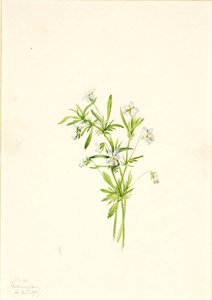
Longleaf Pine (Pinus palustris)
 Watercolor
- WallArt
- Botanical Realism
 1929
1929- 19th Century
 25.0 x 18.0 cm
 Espandi i dettagli
Giclée / Stampe d'arte
Stampa giclée o su tela di qualità museale, con produzione rapida e diverse opzioni di finitura. ( Acquista il dipinto realizzato a mano Passa all'immagine digitale)




P118B €10

P118H €10

P118W €10

P438Z €10

P508JH €12

P508YH €12

P805H €10

P805Z €10

P919BZ €10

P919G €10

P919XJ €10

P959ZH €10

P968JZ €12

W106C €8

W218G €10

W218JH €8

W218Y €10

W307PJ €10

W316G €10

W316PJ €8

W316Y €10

W398PJ €8

W4111J €10

W500HY €15

W500JH €15

W692G €12

W849H €8

W940BG €15

W953PJ €8




Scegli tra le nostre dimensioni predefinite, che rispettano le proporzioni originali dell'opera d'arte.

Inserisci la larghezza e l'altezza desiderate, per adattarle alla tua cornice o alla tua parete. Una stampa può essere solo ritagliata, mai resa più grande dell'immagine originale; pertanto, un formato con una forma differente comporterà la perdita di una parte dell'opera. Ti invieremo un mockup digitale da approvare prima di procedere con la stampa. L'immagine mostrata in questa pagina non rappresenta il ritaglio reale — solo il mockup lo mostra.
Consegna in tutto il mondo () in 2 settimane invece delle normali 4/5 settimane. (25 Ottobre)

Spedizione espressa gratuita in tutto il mondo

Tela in lino di alta qualità

Assicurazione completa sulla spedizione

Garanzia di rimborso dei dazi doganali

Garanzia di fedeltà cromatica assoluta

Politica di reso entro 100 giorni (solo per difetti di fabbricazione)

Garanzia di rimborso al 100%

Offerta per acquisti multipli
 L'opzione vetro è disponibile solo per dimensioni inferiori a 110 cm

Longleaf Pine (Pinus palustris)
Giclée / Stampe d'arte
Dimensioni riproduzione
-


Prezzo finale calcolato
€ 70
A Botanical Symphony in Watercolor
In the delicate dance of light and pigment, Mary Vaux Walcott’s Longleaf Pine (Pinus palustris) emerges as a breathtaking testament to the ephemeral beauty of the natural world. Created in 1929, this exquisite watercolor captures more than just a botanical specimen; it captures a moment of profound stillness. The composition centers on a striking purple flower, its long, elegant petals unfurling with a grace that commands the viewer's immediate attention. Surrounded by a lush tapestry of verdant leaves, the floral subject acts as a vibrant protagonist against a backdrop where the textured silhouette of a pine tree provides a sense of depth and structural permanence. The interplay between the soft, translucent washes of the petals and the more grounded, earthy tones of the greenery creates a visual rhythm that is both soothing and intellectually stimulating.
Walcott, often revered as the “Audubon of Botany,” brings a scientific precision to her work that never sacrifices emotional resonance. Her technique in this piece demonstrates a masterful command of the watercolor medium, utilizing subtle gradations of color to simulate the velvety texture of the flower and the organic complexity of the foliage. There is a rhythmic fluidity to her brushstrokes, where the moisture of the paint allows for soft edges that bleed into one another, mimicking the way light filters through a forest canopy. This mastery of transparency and layering ensures that the artwork possesses an inner luminosity, making the purple hues appear as though they are glowing from within the paper itself.
Historical Resonance and Artistic Legacy
To behold this painting is to step into the golden age of American botanical naturalism. During a period when the documentation of North American flora was vital to both science and art, Walcott stood as a pioneer, bridging the gap between rigorous botanical study and fine art. This particular work, dating from 1929, reflects her mature style—a period where her ability to capture the soul of a plant was at its zenith. The Longleaf Pine is not merely a portrait of a tree; it is a historical record of an ecosystem, rendered with a reverence that honors the delicate balance of nature. For the collector, this piece offers a connection to a bygone era of discovery and a deep appreciation for the meticulous observation that defined Walcott's illustrious career.
Beyond its scientific merit, the painting serves as a powerful decorative element, offering an infusion of organic elegance to any sophisticated interior. The contrast between the regal purple of the bloom and the deep, restorative greens makes it a versatile choice for designers seeking to introduce a focal point of natural serenity. Whether placed in a sunlit study or a contemporary living space, the Longleaf Pine evokes a sense of tranquility and timelessness. It invites the observer to pause, breathe, and reconnect with the quiet wonders of the earth, making it an invaluable acquisition for those who seek art that nourishes both the eye and the spirit.
Domande e risposte
Quanti anni aveva Mary Vaux Walcott quando ha creato "Longleaf Pine (Pinus palustris)" nel 1929?
Mary Vaux Walcott aveva 69 anni quando ha creato "Longleaf Pine (Pinus palustris)" nel 1929. L'età è calcolata sulla base dell'anno di nascita dell'artista, 1860.
Quale dimensione è consigliata per "Longleaf Pine (Pinus palustris)" in un/una Wellness Center?
Per un Wellness Center, la dimensione di stampa consigliata per "Longleaf Pine (Pinus palustris)" di Mary Vaux Walcott è Small.
Qual è il formato di "Longleaf Pine (Pinus palustris)"?
Il formato di "Longleaf Pine (Pinus palustris)" è Portrait. Questa informazione è utile per pianificare il posizionamento di una riproduzione.
Biografia dell'artista
Primi Anni e Formazione
Mary Morris Vaux Walcott, artista naturalista americana, nacque il 31 luglio 1860 a Philadelphia, Pennsylvania, in una famiglia quaker benestante. Dopo aver conseguito il diploma alla Friends Select School di Philadelphia nel 1879, sviluppò un forte interesse per la pittura ad acquerello. La sua educazione artistica formale è poco documentata, ma si presume abbia studiato con artisti locali e coltivato le sue capacità in modo indipendente.Carriera Artistica e Contributi alla Botanica
Mary Vaux Walcott è universalmente riconosciuta per i suoi acquerelli di fiori selvatici, un lavoro che le valse il soprannome di "l'Audubon della botanica", in riferimento al celebre ornitologo John James Audubon. La sua arte si distingue per la precisione scientifica e l’estetica delicata con cui rappresentava la flora nordamericana. Le sue opere non erano semplici illustrazioni decorative, ma documenti botanici dettagliati che contribuirono alla conoscenza scientifica delle piante. Tra le sue opere più significative figurano:- Untitled (Autumn Leaves), un acquerello che cattura l'essenza del foliage autunnale, conservato presso il Smithsonian American Art Museum.
- Perennial Gaillardia (Gaillardia aristata), un esempio della sua abilità nell’illustrare le piante per scopi scientifici, anch’esso al Smithsonian American Art Museum.
- Bourgeau Rose (Rosa bourgeauiana), un acquerello che dimostra la sua attenzione ai dettagli e alla resa cromatica, visibile allo Smithsonian American Art Museum.
- Bushpoppy (Dendromecon rigidum), un’illustrazione che celebra la bellezza della flora americana, sempre al Smithsonian American Art Museum.
- Mexican Fremontia (Fremontodendron mexicanum), un'opera che testimonia il suo impegno nell'arte botanica, anch’essa conservata presso lo Smithsonian American Art Museum.
Vita Personale e Collaborazioni
Nel 1914, Mary Vaux Walcott sposò Charles Doolittle Walcott, segretario dello Smithsonian Institution. Questo matrimonio ebbe un impatto significativo sulla sua vita e sul suo lavoro. Charles era un paleontologo di fama mondiale, e la loro collaborazione portò a una maggiore visibilità per il lavoro artistico di Mary. Continuò a dipingere fiori selvatici e partecipò attivamente ai progetti del marito fino alla sua morte nel 1927. La sua vicinanza allo Smithsonian le permise di avere accesso a risorse scientifiche e di contribuire in modo significativo alla documentazione della flora americana.Influenze, Sviluppo Artistico e Significato Storico
Sebbene non vi siano informazioni dettagliate sulle sue influenze artistiche specifiche, è evidente che Mary Vaux Walcott fu influenzata dalla tradizione dell'illustrazione botanica del XIX secolo, caratterizzata da un approccio scientificamente accurato e da una grande attenzione ai dettagli. Il suo stile si distingue per la delicatezza dei colori, la precisione delle forme e l’uso magistrale dell’acquerello. La sua opera ha contribuito a elevare l'illustrazione botanica al rango di forma d'arte riconosciuta. Il suo lavoro è oggi apprezzato non solo per il suo valore estetico, ma anche per il suo significato storico come documento scientifico e culturale del XIX secolo. Le sue illustrazioni forniscono una preziosa testimonianza della flora nordamericana di quel periodo, offrendo uno sguardo unico sulla natura selvaggia dell'America. La sua eredità continua a ispirare artisti naturalisti e botanici contemporanei.
Mary Vaux Walcott
1860 - 1940 , Stati Uniti d'America
Dettagli rapidi
- Data Di Nascita: 31 luglio 1860
- Luogo Di Nascita: Filadelfia, Stati Uniti
- Nazionalità: Americana
- Nome Completo: Mary Vaux Walcott
- Opere Notevoli:
- Untitled (Autumn Leaves)
- Perennial Gaillardia
- Bourgeau Rose
- Bushpoppy
- Mexican Fremontia
- Stile Artistico: Botanico, acquerello
Articoli correlati

Ephemeral Visions: Exploring the Artistic Legacy & Nuances of Watercolor Painting
Explore the captivating world of watercolor painting! Discover its rich history, essential techniques, influential artists & collecting tips from art experts. A comprehensive guide for enthusiasts.

Ephemeral Visions: Exploring the Artistic Legacy & Contemporary Practice of Watercolor Painting
Explore the captivating world of watercolor painting! Discover its rich history, essential techniques, influential artists & collecting tips. A comprehensive guide for art enthusiasts from OriginalUniqueArt.

I 10 Capolavori dell'Acquerello che Hanno Rivoluzionato l'Arte | OriginalUniqueArt
Esplora i 10 capolavori dell'acquerello che hanno cambiato la storia dell'arte! Da Turner a Monet, scopri le storie e le tecniche di questi artisti iconici. Trova riproduzioni di alta qualità e idee per decorare casa con OriginalUniqueArt.com.
Verdant Visions: Exploring the Symbolism & Aesthetic Impact of Green in Art History
Explore the rich history & symbolism of green in art! Discover iconic paintings, techniques, and how to bring verdant harmony into your home with OriginalUniqueArt's expert guide.

Ephemeral Visions: Exploring the History & Emotional Resonance of Watercolor Painting
Explore the captivating history of watercolor painting, from ancient techniques to modern masters like Kandinsky & Blake. Discover essential artists, collecting tips & the emotional power of this luminous medium. Expert insights for art enthusiasts.