Anteprima in scala reale
 Invia
Invia Condividi
 Dettagli opera
 Guida
Guida

 Scarica
 Simili
 Radiografia
 Slideshow
 Q&A
Q&A Statistiche
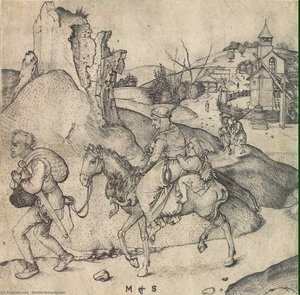
The Fourth Wise Virgin

- 122.0 x 84.0 cm


 Espandi i dettagli
Giclée / Stampe d'arte
Stampa giclée o su tela di qualità museale, con produzione rapida e diverse opzioni di finitura. ( Acquista il dipinto realizzato a mano Passa all'immagine digitale)




P118B €10

P118H €10

P118W €10

P438Z €10

P508JH €12

P508YH €12

P805H €10

P805Z €10

P919BZ €10

P919G €10

P919XJ €10

P959ZH €10

P968JZ €12

W106C €8

W218G €10

W218JH €8

W218Y €10

W307PJ €10

W316G €10

W316PJ €8

W316Y €10

W398PJ €8

W4111J €10

W500HY €15

W500JH €15

W692G €12

W849H €8

W940BG €15

W953PJ €8




Scegli tra le nostre dimensioni predefinite, che rispettano le proporzioni originali dell'opera d'arte.

Inserisci la larghezza e l'altezza desiderate, per adattarle alla tua cornice o alla tua parete. Una stampa può essere solo ritagliata, mai resa più grande dell'immagine originale; pertanto, un formato con una forma differente comporterà la perdita di una parte dell'opera. Ti invieremo un mockup digitale da approvare prima di procedere con la stampa. L'immagine mostrata in questa pagina non rappresenta il ritaglio reale — solo il mockup lo mostra.
Consegna in tutto il mondo () in 2 settimane invece delle normali 4/5 settimane. (2 Novembre)

Spedizione espressa gratuita in tutto il mondo

Tela in lino di alta qualità

Assicurazione completa sulla spedizione

Garanzia di rimborso dei dazi doganali

Garanzia di fedeltà cromatica assoluta

Politica di reso entro 100 giorni (solo per difetti di fabbricazione)

Garanzia di rimborso al 100%

Offerta per acquisti multipli
 L'opzione vetro è disponibile solo per dimensioni inferiori a 110 cm

The Fourth Wise Virgin
Giclée / Stampe d'arte
Dimensioni riproduzione
-


Prezzo finale calcolato
€ 71
The Fourth Wise Virgin: A Glimpse into Northern Renaissance Mystery
Martin Schongauer’s “The Fourth Wise Virgin,” created around 1490, is more than just an engraving; it's a meticulously crafted window into the spiritual and artistic currents of late medieval Germany. This captivating image, housed within the National Gallery of Art in Washington D.C., draws upon both established iconography – referencing the biblical tale of the Wise Virgins – and Schongauer’s own distinctive style, blending meticulous detail with an almost haunting sense of introspection. The work immediately commands attention not through grand scale or overt drama, but through a profound quietude and a subtle layering of symbolism that invites prolonged contemplation.
Schongauer's artistic lineage is deeply rooted in the traditions of goldsmithing, a craft he likely learned from his father. This background profoundly shaped his approach to engraving – an art demanding unparalleled precision and control over line. The image’s remarkable clarity stems from Schongauer’s mastery of hatching and cross-hatching techniques, creating a sophisticated illusion of form and texture. He doesn't simply depict the figure; he sculpts her presence with carefully placed lines, imbuing the composition with an almost palpable sense of weight and volume. The use of negative space is equally crucial, drawing attention to the central subject while subtly suggesting the vastness of the surrounding world – a world both familiar and potentially perilous.
A Biblical Narrative Illuminated
The scene itself draws upon the well-known parable of the Wise and Foolish Virgins. Ten young women are preparing for the wedding of the king, each carrying a lamp filled with oil. The foolish ones neglect their duty, leaving their lamps unlit, and are subsequently barred from entering the celebration. The Fourth Virgin, depicted here in profile, embodies a serene yet subtly melancholic acceptance of her fate. Her posture is dignified, suggesting not despair but a quiet understanding of divine judgment. The candle she holds – a potent symbol of faith, enlightenment, and guidance – casts a gentle glow upon her face, illuminating her expression with an ethereal light.
Schongauer’s choice to focus on this particular virgin is intriguing. Unlike the more overtly dramatic depictions found in other prints from the series, Schongauer's rendering emphasizes introspection rather than external action. The background is deliberately sparse, devoid of elaborate details or distracting elements. This minimalist approach directs the viewer’s attention entirely onto the figure herself, amplifying her internal state and inviting us to contemplate the moral implications of the story. The composition subtly suggests a sense of isolation – a solitary figure contemplating a universal truth.
Technique and Historical Context
“The Fourth Wise Virgin” is a prime example of Northern Renaissance engraving, characterized by its meticulous detail, refined draftsmanship, and a deep engagement with both religious iconography and contemporary fashion. Schongauer’s work reflects the influence of Early Netherlandish painting, particularly the realism and attention to texture evident in the drapery and facial features. The print's creation coincided with a period of significant artistic innovation, as engravers began to explore new techniques for achieving greater tonal range and simulating the effects of paint. The use of a copper or iron plate, meticulously etched with lines using specialized tools like burins, is itself a testament to Schongauer’s technical skill.
Furthermore, the print's creation occurred during a time of intense religious fervor and social upheaval in Europe. The Reformation was gaining momentum, challenging traditional beliefs and practices. Schongauer’s work can be interpreted as a meditation on themes of faith, judgment, and redemption – timeless concerns that resonated deeply with audiences throughout the Renaissance.
A Timeless Symbol of Reflection
“The Fourth Wise Virgin” endures not merely as a beautiful engraving but as a poignant reflection on human nature. Schongauer’s masterful use of line, light, and shadow creates an image that is both visually arresting and emotionally resonant. It's a work that invites viewers to contemplate their own choices, their own faith, and their place within the larger narrative of life and death. The engraving’s quiet dignity and subtle symbolism continue to captivate audiences centuries after its creation, solidifying Schongauer’s legacy as one of the most important printmakers of the Northern Renaissance.
Domande e risposte
Che intensità cromatica ha "The Fourth Wise Virgin" di Martino d'Anversa?
I colori di "The Fourth Wise Virgin" di Martino d'Anversa hanno un'intensità Monochromatic.
"The Fourth Wise Virgin" di Martino d'Anversa è un ritratto, un paesaggio o una composizione quadrata?
"The Fourth Wise Virgin" di Martino d'Anversa è una composizione in Portrait. Le proporzioni meritano di essere verificate prima di scegliere la dimensione della stampa.
Quale tecnica è stata utilizzata per "The Fourth Wise Virgin" di Martino d'Anversa?
"The Fourth Wise Virgin" è realizzata con Engraving.
Biografia dell'artista
Martin Schongauer: Vita e Eredità
Primi Anni di Vita e Formazione
Martin Schongauer, nato intorno al 1450 a Colmar, Alsazia (ora Francia), è stato una figura chiave nello sviluppo della stampa durante il Rinascimento del Nord. Proveniva da una famiglia di artigiani; suo padre, Caspar Schongauer, era un orefiere che si era trasferito a Colmar dall'Augsburg, Germania, intorno al 1440. Questo background familiare ha influenzato significativamente la sua formazione artistica iniziale, poiché l'orefiere forniva una solida base in precisione e tecniche di lavorazione dei metalli – competenze direttamente trasferibili all'incisione.
Istruzione e Sviluppo Artistico
Nel 1465, Schongauer ha frequentato brevemente l'Università di Lipsia, ma presto abbandonò gli studi accademici per dedicarsi interamente all'arte. Inizialmente si formò come pittore sotto Caspar Isenmann, un maestro locale influenzato dalla pittura olandese del nord, in particolare dal lavoro di Rogier van der Weyden. Questa precoce esposizione alla realtà olandese e all'attenzione ai dettagli sarebbero diventate caratteristiche dello stile di Schongauer.
Stile Artistico e Influenze
Lo stile artistico di Schongauer è caratterizzato da un chiaro, organizzato estetismo gotico mescolato con le emergenti influenze del Rinascimento del Nord. Non ha ricevuto influenza diretta dall'Italia, ma ha tratto ispirazione dalle tradizioni tedesche e olandesi del nord. Il suo lavoro dimostra un meticoloso dettaglio, figure espressive e una sofisticata comprensione della composizione.
- Caratteristiche Chiave: Incisione precisa, rappresentazioni realistiche, narrazioni drammatiche, struttura gotica
- Influenze: Rogier van der Weyden, Caspar Isenmann, tradizioni gotiche tedesche
Realizzazioni Principali e Opere
Schongauer è più noto per le sue 116 incisioni, ognuna identificata dal suo monogramma. Queste stampe sono state ampiamente diffuse in tutta Europa, influenzando significativamente lo sviluppo delle tecniche di stampa e degli stili artistici. Le sue incisioni raffiguravano spesso scene religiose, ritratti e soggetti allegorici.
- Madonna della Pergola (1473): Un'opera significativa che mostra la sua abilità nel rappresentare dettagli delicati e profondità emotiva.
- Incisioni: Tra cui *La Tentazione di Sant’Antonio*, *L’Adorazione dei Pastori* e numerose altre, dimostrando la sua maestria nella tecnica dell'incisione.
Significato Storico ed Eredità
L'impatto di Martin Schongauer sul mondo dell'arte è stato considerevole. È stato uno dei primi artisti tedeschi a raggiungere il riconoscimento internazionale come incisore. Le sue stampe erano molto richieste e ampiamente imitate, diffondendo il suo stile artistico in tutta Europa. È documentato che Michelangelo stesso ha studiato e copiato una delle incisioni di Schongauer – *Il Giudizio di Sant’Antonio* – dimostrando l'alto rispetto in cui Schongauer era tenuto dai maestri successivi.
L'opera di Schongauer ha colmato il divario tra l'arte gotica e il Rinascimento, aprendo la strada ad artisti come Albrecht Dürer. Il suo uso innovativo delle tecniche di incisione e il suo impegno per il dettaglio artistico hanno lasciato un'eredità duratura nella storia della stampa e dell'arte nord europea.
Morte
Martin Schongauer è morto a Breisach il 2 febbraio 1491, lasciando dietro di sé una straordinaria produzione artistica che continua ad essere celebrata per il suo valore artistico e la sua importanza storica.

Martino d'Anversa
1450 - 1491 , Germania
Dettagli rapidi
- Artistic Movement Or Style: Gotico nord rinascimentale
- Artists Or Movements Influenced By This Artist: ['Albrecht Dürer']
- Artists Who Influenced This Artist:
- Rogier van der Weyden
- Caspar Isenmann
- Date Of Birth: Circa 1450
- Date Of Death: 1491
- Full Name: Martin Schongauer
- Nationality: Tedesco
- Notable Artworks:
- Madonna della Pergola
- Cristo davanti a Pilato
- Place Of Birth: Colmar, Alsazia
Articoli correlati
I 10 Capolavori dell'Incisione che Hanno Rivoluzionato l'Arte | OriginalUniqueArt
Esplora i 10 capolavori dell'incisione che hanno segnato la storia dell'arte! Dürer, Rembrandt, Goya e altri maestri. Scopri tecniche uniche e storie affascinanti. Stampe d'arte di alta qualità per decorare casa con stile su OriginalUniqueArt.com

Hendrick Goltzius: Virtuosismo della Linea e Allegoria nel Passaggio dal Rinascimento al Barocco
Scopri Hendrick Goltzius, maestro del manierismo olandese e incisore virtuoso. Analisi approfondita della sua vita, opere iconiche, stile unico e l'eredità artistica che lo lega a Rinascimento e Barocco.

L'Eredità dell'Intaglio: Maestria e Rigore nella Tradizione Calcografica
Scopri la maestria dell'incisione tra bulino e acquaforte. Esplora la storia della tecnica calcografica con noi.

The Intricate World of Engraving: A Historical Survey of Technique, Artistic Expression & Enduring Legacy
Explore the rich history of engraving with OriginalUniqueArt. Discover techniques, iconic artists like Dürer & Callot, collecting tips, and expert guidance for preserving your art investment. Learn about intaglio printing & more!

Engraving: A Historical Survey of Technique, Artistic Expression & Enduring Legacy
Explore the rich history of engraving with OriginalUniqueArt. Discover techniques, iconic artists like Dürer & Callot, collecting tips, and expert guidance for preserving your art investment. Learn about intaglio printing & more!