- Home

- Riproduzione di dipinto a olio
- maroun el-hakim
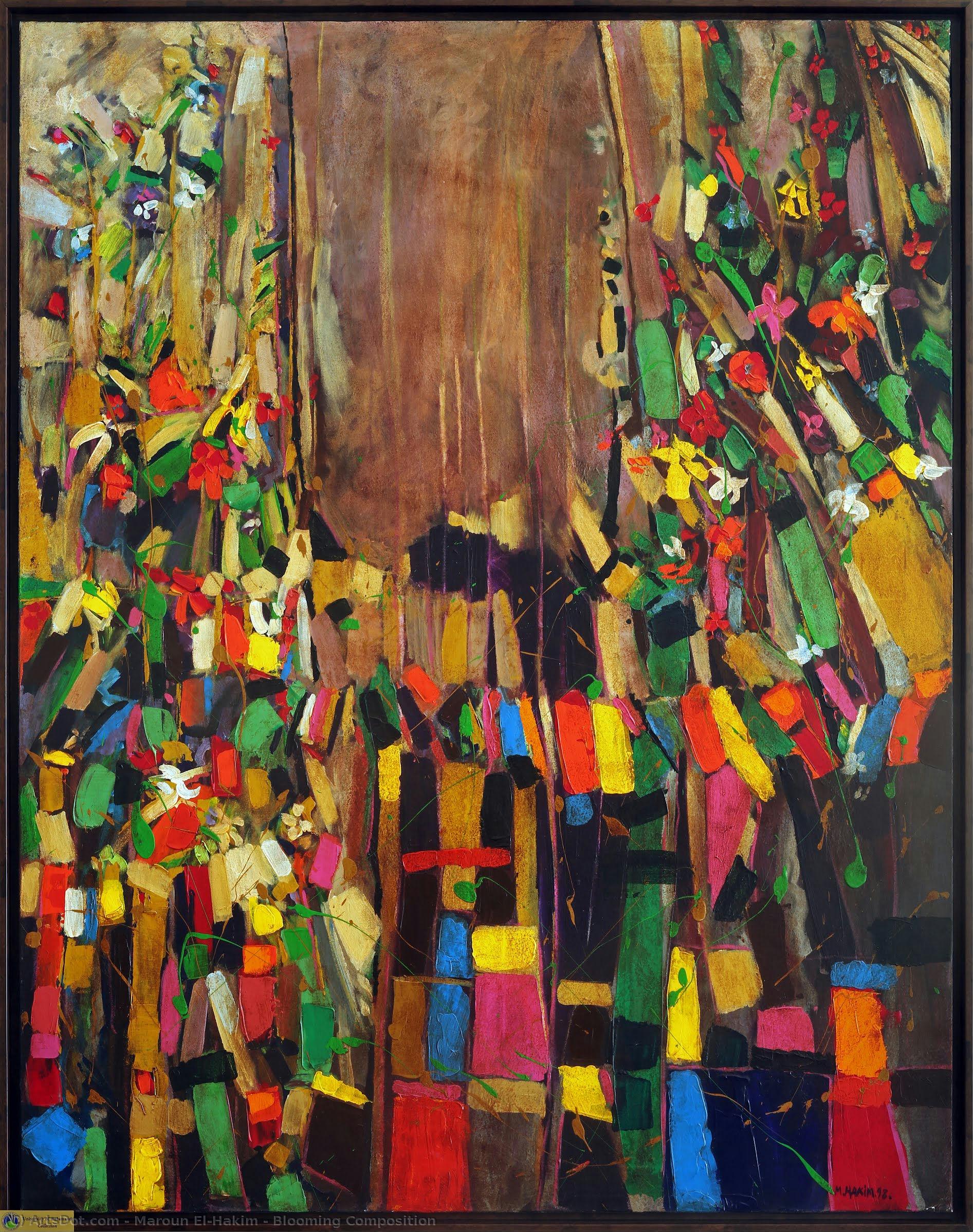
- Blooming Composition
 Acquista stampa Acquista download
 Invia
Invia
 Condividi
 Dettagli opera
 Aggiungi ai preferiti

 Scarica
 Simili
 Radiografia
 Slideshow
Blooming Composition


 Scopri di più
Riproduzione a olio fatta a mano
Olio su tela dipinto a mano nelle tue dimensioni e con la tua cornice, realizzato su ordinazione dai nostri artisti.




































Scegli tra le nostre dimensioni predefinite, che rispettano le proporzioni originali dell'opera d'arte.

È possibile inserire dimensioni personalizzate per adattare l'opera a una cornice o a uno spazio specifico. Se la dimensione selezionata non corrisponde alle proporzioni dell'immagine originale, provvederemo a ritagliare l'opera o a estendere il dipinto con elementi aggiuntivi dipinti a mano. Un mockup digitale ti sarà inviato per approvazione prima dell'inizio della produzione.
Si prega di notare che l'anteprima a schermo non riflette il ritaglio o l'estensione effettivi. Solo il mockup mostrerà accuratamente la composizione finale.
Sebbene siano disponibili dimensioni personalizzate, consigliamo di selezionare una dimensione dall'elenco predefinito per preservare le proporzioni originali.
Dopo l'ordine, il team di OriginalUniqueArt.com invierà un'e-mail al cliente per le istruzioni e fornirà un'anteprima del mockup
Consegna in tutto il mondo () in 3/4 settimane anziché nelle normali 5 settimane. (21 Luglio). Nessun compromesso sulla qualità.

Spedizione espressa gratuita in tutto il mondo

Tela in lino di alta qualità

Assicurazione completa sulla spedizione

Garanzia di rimborso dei dazi doganali

Garanzia di fedeltà cromatica

Politica di reso entro 60 giorni (solo per difetti)

Garanzia di rimborso al 100%

Sconto per acquisti multipli
 L'opzione vetro è disponibile solo per dimensioni inferiori a 110 cm

Blooming Composition
Tecnica di riproduzione
Dimensioni riproduzione
-


Prezzo totale finale
-
Biografia dell'artista
A Sculptor of Wood and Spirit: The Enigmatic World of Maroun El-Hakim
The name Maroun El-Hakim resonates within the relatively quiet sphere of contemporary Lebanese sculpture, yet a comprehensive narrative of his life remains elusive. Emerging in 1993, El-Hakim quickly distinguished himself through an intensely personal and evocative approach to wood carving. While biographical details are scarce – a testament perhaps to the artist’s preference for allowing his work to speak directly – enough evidence exists to paint a picture of a deeply sensitive creator profoundly connected to his Lebanese heritage and the inherent qualities of the natural world. His sculptures aren't merely representations; they are imbued with a spiritual quality, hinting at ancient stories and the enduring power of human emotion.Early Influences and Artistic Development
Born in Lebanon, a nation steeped in history and marked by periods of both vibrant cultural flourishing and profound upheaval, El-Hakim’s artistic trajectory was undoubtedly shaped by his surroundings. The rich tradition of Lebanese craftsmanship – particularly the intricate wood carving seen in architectural details, furniture making, and religious iconography – likely formed an early foundation for his aesthetic sensibilities. However, rather than replicating these established forms, El-Hakim sought to distill their essence, stripping away ornamentation to reveal a more primal and symbolic language. It’s plausible that the political and social climate of Lebanon during his formative years also played a role, fostering a need for artistic expression as a means of processing collective trauma and exploring themes of identity and resilience. While specific mentors or formal training remain undocumented, it is clear that El-Hakim possessed an innate understanding of wood's properties – its grain, texture, and capacity to hold form – allowing him to transform this humble material into objects of striking beauty and emotional depth.Themes and Symbolism in His Sculptures
El-Hakim’s sculptures frequently depict human figures, often abstracted or fragmented, suggesting a sense of vulnerability and the complexities of the human condition. These are not portraits in the traditional sense; rather, they are archetypal representations that tap into universal emotions – longing, sorrow, hope, and spiritual yearning. Recurring motifs include hands, eyes, and faces, each carrying layers of symbolic meaning. Hands, for example, might represent connection, creation, or supplication, while eyes often convey a profound sense of inner life and awareness. The wood itself is integral to the symbolism; its natural imperfections – knots, cracks, and variations in color – are not concealed but embraced as part of the sculpture’s narrative. The artist seems to believe that these flaws add character and authenticity, mirroring the inherent imperfections within ourselves. Furthermore, a strong connection to Lebanese folklore and mythology is subtly present in his work, though rarely explicitly stated. The sculptures often evoke a sense of ancient ritual and reverence for nature, suggesting a deep-rooted respect for the cultural heritage of his homeland.Technique and Materials
El-Hakim’s mastery lies not only in his conceptual vision but also in his technical skill. He primarily works with locally sourced wood, carefully selecting each piece based on its unique characteristics. His process is described as intuitive and organic, allowing the form to emerge from the material rather than imposing a preconceived design.- He employs traditional carving techniques
- His approach is characterized by a delicate balance between precision and spontaneity.
- The surfaces of his sculptures are often left rough-hewn, preserving the natural texture of the wood.
- Occasionally, he incorporates subtle staining or polishing to enhance certain details
Historical Significance and Legacy
While Maroun El-Hakim’s body of work remains relatively small, his contribution to contemporary Lebanese art is significant. He emerged during a period of artistic renewal following years of civil conflict, offering a voice of quiet contemplation and resilience. His sculptures stand as powerful testaments to the enduring human spirit and the importance of cultural identity in a rapidly changing world. Although he maintains a low profile, El-Hakim’s work has garnered recognition within select circles, inspiring a new generation of Lebanese artists to explore the possibilities of wood carving and embrace their own unique heritage. His legacy lies not in prolific output but in the profound emotional depth and artistic integrity that permeates each carefully crafted sculpture – a lasting reminder of the power of art to transcend boundaries and connect us to something deeper within ourselves and the world around us.
maroun el-hakim
Lebanon
Dati rapidi
- Artistic Movement Or Style: Wooden Sculpture
- Full Name: Maroun El Hakim
- Nationality: Lebanese
- Notable Artworks:
- Blooming Composition
- Maroun El Hakim
- Place Of Birth: Mazraat Yachouh, Mount Lebanon

