Anteprima in scala reale
 Condividi
 Condividi
 Dettagli
 Guida stampabile

 Scarica
 Articoli simili
 Radiografia
 Slideshow
 Statistiche
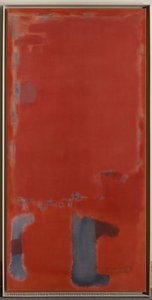
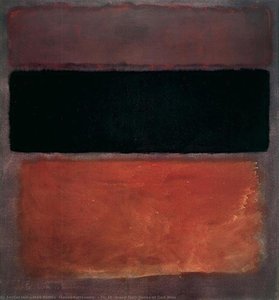
Untitled (Blue, Green, and Brown)

 Leggi tutto
Riproduzione a olio fatta a mano
Olio su tela dipinto a mano nelle tue dimensioni e con la tua cornice, realizzato su ordinazione dai nostri artisti. ( Passa alle stampe Passa all'immagine digitale)




P118B $10

P118H $10

P118W $10

P438Z $10

P508JH $12

P508YH $12

P805H $10

P805Z $10

P919BZ $10

P919G $10

P919XJ $10

P959ZH $10

P968JZ $12

W106C $8

W218G $10

W218JH $8

W218Y $10

W307PJ $10

W316G $10

W316PJ $8

W316Y $10

W398PJ $8

W4111J $10

W500HY $15

W500JH $15

W692G $12

W849H $8

W940BG $15

W953PJ $8




Scegli tra le nostre dimensioni predefinite, che rispettano le proporzioni originali dell'opera d'arte.

È possibile inserire dimensioni personalizzate per adattare l'opera a una cornice o a uno spazio specifico. Se la dimensione selezionata non corrisponde alle proporzioni dell'immagine originale, provvederemo a ritagliare l'opera o a estendere il dipinto con elementi aggiuntivi dipinti a mano. Un mockup digitale ti sarà inviato per approvazione prima dell'inizio della produzione.
Si prega di notare che l'anteprima a schermo non riflette il ritaglio o l'estensione effettivi. Solo il mockup mostrerà accuratamente la composizione finale.
Sebbene siano disponibili dimensioni personalizzate, consigliamo di selezionare una dimensione dall'elenco predefinito per preservare le proporzioni originali.
Dopo l'ordine, il team di OriginalUniqueArt.com contatterà il cliente via e-mail per ricevere le istruzioni e fornirà un'anteprima del mockup
Consegna in tutto il mondo () in 3/4 settimane anziché nelle normali 5 settimane. (26 Settembre). Nessun compromesso sulla qualità.

Spedizione espressa gratuita in tutto il mondo

Tela in lino di alta qualità

Assicurazione completa sulla spedizione

Garanzia di rimborso dei dazi doganali

Garanzia di perfetta fedeltà cromatica

Politica di reso entro 100 giorni (solo per difetti di fabbricazione)

Garanzia di rimborso al 100%

Sconto per acquisti multipli
 L'opzione vetro è disponibile solo per dimensioni inferiori a 110 cm

Untitled (Blue, Green, and Brown)
Tecnica di riproduzione
Dimensioni della riproduzione
-


Prezzo totale
$ 300
Mark Rothko’s ‘Blue, Green, and Brown’: A Meditation on Color and Emotion
Mark Rothko's Blue, Green, and Brown (1952) stands as a monumental achievement within the American abstract expressionist movement. More than simply a painting, it is an immersive experience—a carefully constructed space designed to evoke profound emotional responses in the viewer. Created during a pivotal period of Rothko’s artistic development, this work exemplifies his signature style: vast rectangular blocks of color stacked vertically against a subtly textured ground, creating a sense of depth and ambiguity that continues to captivate audiences today.
The painting's genesis lies in Rothko’s deliberate exploration of the relationship between color and human experience. He sought to move beyond representational imagery, aiming instead to capture fundamental aspects of existence – sorrow, joy, spirituality – through pure chromatic form. Rothko himself described his process as “an anecdote of the spirit,” a phrase that encapsulates the painting's core intention: not to depict something recognizable, but to offer a visceral encounter with emotion itself. The seemingly simple arrangement of blue, green, and brown is, in fact, the result of meticulous layering and glazing techniques, building up complex tonal variations within each block.
Color as Symbol and Atmosphere
The choice of these specific colors is profoundly significant. Rothko’s use of blue—a color often associated with melancholy, introspection, and spirituality—dominates the composition, creating a sense of quiet contemplation. The green introduces an element of vitality and growth, yet remains subdued, suggesting a restrained energy. Finally, the brown provides grounding and stability, anchoring the vertical forms within the canvas. These colors aren’t merely decorative; they are carefully calibrated to create a specific atmosphere—one that is both unsettling and deeply moving.
Rothko's technique involved applying thin layers of oil paint, building up color through multiple glazes. This process allowed him to achieve remarkable luminosity and depth within the rectangular forms, creating an illusion of three-dimensionality. The subtle variations in tone—the way light catches on the edges of each block—are crucial to the painting’s impact, inviting the viewer to lose themselves in its surface.
Contextualizing Rothko's Vision
Blue, Green, and Brown was created during a period of intense experimentation within abstract expressionism. While artists like Jackson Pollock were embracing gestural abstraction, Rothko sought a more controlled and contemplative approach. His work reflects the broader anxieties and spiritual questioning of post-war America, grappling with themes of mortality, isolation, and the search for meaning in a rapidly changing world.
The painting’s eventual placement within the Rothko Chapel in Houston, Texas—a space designed to foster contemplation and spiritual reflection—further solidified its significance. The chapel's architecture, with its darkened walls and soaring ceilings, was specifically conceived to enhance the impact of Rothko’s monumental canvases. This setting underscores the artist’s ambition: to create works that transcend mere decoration and become genuine spaces for emotional and spiritual engagement.
A Timeless Masterpiece
Blue, Green, and Brown remains one of Mark Rothko's most iconic paintings, a testament to his profound understanding of color and its ability to evoke powerful emotions. Its enduring appeal lies in its simplicity, its ambiguity, and its capacity to connect with viewers on a deeply personal level. A hand-painted reproduction offers an unparalleled opportunity to experience the full force of this masterpiece within your own space – a window into the soul of one of 20th century’s most influential artists.
Biografia dell'artista
giovinezza e influenze
mark rothko (marcus rothkowitz), un rinomato artista americano, è nato il 25 settembre 1903 a Dvinsk, Lettonia. La sua famiglia emigrò negli Stati Uniti quando aveva solo dieci anni. Questo cambiamento culturale avrebbe influenzato in seguito il suo stile artistico.evoluzione artistica
Le prime opere di Rothko erano caratterizzate dall'astrattismo espressionista, uno stile che enfatizzava il processo creativo piuttosto che il prodotto finale. I suoi dipinti, come no. 18 (1948) e untitled (1948), mostravano il suo approccio unico al colore e alla forma.- campo di colore: l'uso da parte di Rothko di audaci campi rettangolari di colore, spesso in forte contrasto tra loro, creava un senso di profondità ed emozione.
- struttura organica: i suoi dipinti sembravano respirare la vita, come se i colori fossero entità viventi.
opere notevoli ed esposizioni
- no. 10 (1950), un dipinto che ha segnato un significativo cambiamento nello stile di Rothko, è ora parte della collezione del Museum of Modern Art.
- I Seagram Murals, una serie di dipinti commissionati per il ristorante Four Seasons, hanno mostrato la capacità di Rothko di adattare il suo stile a diversi ambienti.
- no. 3 (1950), un dipinto che esemplifica l'uso di Rothko di audaci campi rettangolari di colore.
vita successiva e eredità
La vita di Rothko è stata segnata da difficoltà nella salute mentale e da un matrimonio tumultuoso. È morto il 25 febbraio 1970 all'età di 66 anni. Nonostante le sue sfide, Rothko ha lasciato un segno indelebile nel mondo dell'arte. ochre and red on red (campo di colore), un dipinto che mostra l'approccio unico di Rothko al colore, può essere trovato nella collezione OriginalUniqueArt.com. La pagina Wikipedia su Mark Rothko fornisce ulteriori informazioni sulla sua vita e sul suo stile artistico.
Mark Rothko
1903 - 1970 , Lettonia
Informazioni rapide
- Artisti Influenti:
- Wassily Kandinsky
- Piet Mondrian
- Artisti Influenzati: ['Minimalismo']
- Data Di Morte: 25 febbraio 1970
- Data Di Nascita: 25 settembre 1903
- Luogo Di Nascita: Daugavpils, Lettonia
- Movimento Artistico: Espressionismo Astratto
- Nazionalità: Americano
- Nome Completo: Mark Rothko / Marcus Rothkowitz
- Opere Notevoli:
- No. 18 (1948)
- No. 10 (1950)
- Murals Seagram
- No. 3 (1950)
Articoli correlati

Espressionismo Astratto: I 10 Capolavori che Hanno Definito un Movimento Artistico Rivoluzionario
Esplora i 10 capolavori dell'Espressionismo Astratto con ! Scopri Pollock, Rothko e De Kooning: storia, tecnica e significato di opere iconiche per arredare la tua casa con arte di alta qualità. Esplora la collezione online!
The Essence of Abstraction: A Definitive Guide to the Power and History of Color Field Painting Masterpieces
Explore the profound emotional depth of Color Field painting. Our expert guide delves into the post-war origins of Abstract Expressionism, analyzing masterpieces by Rothko and Newman. Discover museum-grade, hand-painted oil reproductions that bring art history to your walls.
Mark Rothko: Le 25 Opere Più Iconiche per Arredare con Emozione e Profondità
Esplora le 25 opere più iconiche di Mark Rothko, il maestro dell'espressionismo astratto. Scopri la storia, i colori e l'emozione dietro ogni tela. Acquista riproduzioni artistiche di alta qualità per arredare con stile su OriginalUniqueArt.com

La Sublime Armonia del Colore: Esplorando l'Espressionismo Astratto di Mark Rothko
Esplora l'universo emotivo di Mark Rothko e il movimento dell'Espressionismo Astratto. Analisi approfondite delle sue opere più iconiche, influenze artistiche e l'eredità duratura del maestro del Color Field Painting.
Color Field Painting: The Emotional Power of Pure Abstraction and Chromatic Depth
Explore the profound emotional depth of Color Field painting. Discover the history of mid-century abstraction, from Rothko to Newman, and learn how pure color transforms the viewer's experience through our expert art history guide.