- Home

- Riproduzione di dipinto a olio
- Mark Rothko
- Untitled 69

 Acquista stampa Acquista download
 Invia
Invia
 Condividi
 Dettagli opera
 Aggiungi ai preferiti

 Scarica
 Simili
 Radiografia
 Slideshow
Untitled 69


 Scopri di più
Riproduzione a olio fatta a mano
Olio su tela dipinto a mano nelle tue dimensioni e con la tua cornice, realizzato su ordinazione dai nostri artisti.




P118B $10

P118H $10

P118W $10

P438Z $10

P508JH $12

P508YH $12

P805H $10

P805Z $10

P919BZ $10

P919G $10

P919XJ $10

P959ZH $10

P968JZ $12

W106C $8

W218G $10

W218JH $8

W218Y $10

W307PJ $10

W316G $10

W316PJ $8

W316Y $10

W398PJ $8

W4111J $10

W500HY $15

W500JH $15

W692G $12

W849H $8

W940BG $15

W953PJ $8




Scegli tra le nostre dimensioni predefinite, che rispettano le proporzioni originali dell'opera d'arte.

È possibile inserire dimensioni personalizzate per adattare l'opera a una cornice o a uno spazio specifico. Se la dimensione selezionata non corrisponde alle proporzioni dell'immagine originale, provvederemo a ritagliare l'opera o a estendere il dipinto con elementi aggiuntivi dipinti a mano. Un mockup digitale ti sarà inviato per approvazione prima dell'inizio della produzione.
Si prega di notare che l'anteprima a schermo non riflette il ritaglio o l'estensione effettivi. Solo il mockup mostrerà accuratamente la composizione finale.
Sebbene siano disponibili dimensioni personalizzate, consigliamo di selezionare una dimensione dall'elenco predefinito per preservare le proporzioni originali.
Dopo l'ordine, il team di OriginalUniqueArt.com invierà un'e-mail al cliente per le istruzioni e fornirà un'anteprima del mockup
Consegna in tutto il mondo () in 3/4 settimane anziché nelle normali 5 settimane. (21 Luglio). Nessun compromesso sulla qualità.

Spedizione espressa gratuita in tutto il mondo

Tela in lino di alta qualità

Assicurazione completa sulla spedizione

Garanzia di rimborso dei dazi doganali

Garanzia di fedeltà cromatica

Politica di reso entro 60 giorni (solo per difetti)

Garanzia di rimborso al 100%

Sconto per acquisti multipli
 L'opzione vetro è disponibile solo per dimensioni inferiori a 110 cm

Untitled 69
Tecnica di riproduzione
Dimensioni riproduzione
-


Prezzo totale finale
-
Descrizione dell'opera
Mark Rothko’s ‘Untitled 69’: A Meditation on Loss and Light
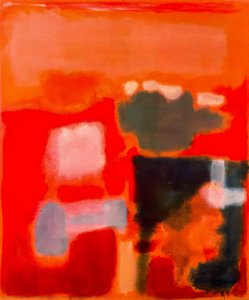
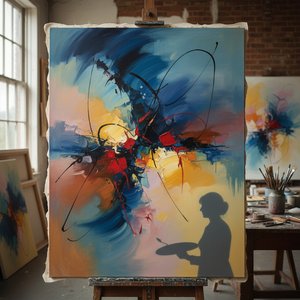
Mark Rothko's “Untitled 69” is not merely a painting; it’s an immersion into the profound depths of human emotion, a testament to the artist’s lifelong grappling with themes of mortality, trauma, and the enduring search for solace. Born in Dvinsk, Latvia – a city steeped in history and shadowed by displacement – Rothko carried within him the weight of his family's experiences, a sensitivity forged in the crucible of early loss and cultural upheaval. This painting, created during a pivotal period of his career, exemplifies the core tenets of his color field style: vast blocks of saturated pigment arranged to evoke an almost unbearable intensity of feeling. The image depicts a woman enveloped in shadow, wings subtly suggested rather than explicitly rendered, suggesting a figure caught between earthly concerns and a yearning for transcendence. The surrounding figures, indistinct yet undeniably present, contribute to the painting’s unsettling atmosphere – a silent congregation witnessing a private struggle.
- Color as Emotion: Rothko's masterful use of color is central to the work’s impact. Deep reds and browns dominate, colors traditionally associated with blood, earth, and primal emotions. These hues are layered with subtle gradations of orange and yellow, creating a shimmering effect that seems to pulse with an inner light.
- Compositional Ambiguity: The lack of sharp lines or defined forms contributes to the painting’s dreamlike quality. Rothko deliberately avoids traditional representational techniques, opting instead for abstract shapes that invite viewers to project their own interpretations and emotional responses onto the canvas.
The Context of American Abstract Expressionism
“Untitled 69” emerged during a period of intense experimentation within American Abstract Expressionism – a movement defined by its rejection of representational art in favor of subjective expression. Following World War II, artists like Rothko sought to capture the anxieties and uncertainties of the modern world through non-objective forms. Rothko’s work, particularly, was deeply influenced by his experiences during the war, witnessing firsthand the devastation and suffering inflicted upon Europe. This informed a profound sense of melancholy that permeates his paintings – a recognition of human vulnerability in the face of overwhelming forces.
This painting is often viewed as a key example of Rothko’s mature style, developed after his initial explorations with more gestural brushwork. It represents a shift towards greater control and precision, allowing him to achieve an even more powerful emotional effect through the manipulation of color and form.Symbolism and Interpretation
The symbolism within “Untitled 69” remains open to interpretation, reflecting Rothko’s belief that art should evoke rather than dictate meaning. The winged figure is perhaps most powerfully interpreted as a representation of the soul – struggling for release from earthly constraints or seeking connection with something beyond human comprehension. The surrounding figures could symbolize witnesses to this struggle, or perhaps even aspects of the viewer's own psyche. The overall effect is one of profound contemplation, inviting viewers to confront their own mortality and grapple with existential questions.
Rothko Chapel: A Legacy of Color
Rothko’s influence extends far beyond individual paintings; it’s profoundly shaped the landscape of contemporary art. His work found a particularly resonant audience at the Rothko Chapel in Houston, Texas – a space he designed and populated with fourteen monumental canvases. This chapel stands as a testament to his vision, offering visitors an immersive experience that transcends traditional religious or spiritual contexts. “Untitled 69,” like its counterparts within the chapel, continues to captivate audiences worldwide, solidifying Rothko’s place as one of the most important and influential artists of the 20th century.
Biografia dell'artista
giovinezza e influenze
mark rothko (marcus rothkowitz), un rinomato artista americano, è nato il 25 settembre 1903 a Dvinsk, Lettonia. La sua famiglia emigrò negli Stati Uniti quando aveva solo dieci anni. Questo cambiamento culturale avrebbe influenzato in seguito il suo stile artistico.evoluzione artistica
Le prime opere di Rothko erano caratterizzate dall'astrattismo espressionista, uno stile che enfatizzava il processo creativo piuttosto che il prodotto finale. I suoi dipinti, come no. 18 (1948) e untitled (1948), mostravano il suo approccio unico al colore e alla forma.- campo di colore: l'uso da parte di Rothko di audaci campi rettangolari di colore, spesso in forte contrasto tra loro, creava un senso di profondità ed emozione.
- struttura organica: i suoi dipinti sembravano respirare la vita, come se i colori fossero entità viventi.
opere notevoli ed esposizioni
- no. 10 (1950), un dipinto che ha segnato un significativo cambiamento nello stile di Rothko, è ora parte della collezione del Museum of Modern Art.
- I Seagram Murals, una serie di dipinti commissionati per il ristorante Four Seasons, hanno mostrato la capacità di Rothko di adattare il suo stile a diversi ambienti.
- no. 3 (1950), un dipinto che esemplifica l'uso di Rothko di audaci campi rettangolari di colore.
vita successiva e eredità
La vita di Rothko è stata segnata da difficoltà nella salute mentale e da un matrimonio tumultuoso. È morto il 25 febbraio 1970 all'età di 66 anni. Nonostante le sue sfide, Rothko ha lasciato un segno indelebile nel mondo dell'arte. ochre and red on red (campo di colore), un dipinto che mostra l'approccio unico di Rothko al colore, può essere trovato nella collezione OriginalUniqueArt.com. La pagina Wikipedia su Mark Rothko fornisce ulteriori informazioni sulla sua vita e sul suo stile artistico.
Mark Rothko
1903 - 1970 , Lettonia
Dati rapidi
- Artisti Influenti:
- Wassily Kandinsky
- Piet Mondrian
- Artisti Influenzati: ['Minimalismo']
- Data Di Morte: 25 febbraio 1970
- Data Di Nascita: 25 settembre 1903
- Luogo Di Nascita: Daugavpils, Lettonia
- Movimento Artistico: Espressionismo Astratto
- Nazionalità: Americano
- Nome Completo: Mark Rothko / Marcus Rothkowitz
- Opere Notevoli:
- No. 18 (1948)
- No. 10 (1950)
- Murals Seagram
- No. 3 (1950)
Articoli correlati

La Sublime Armonia del Colore: Esplorando l'Espressionismo Astratto di Mark Rothko
Esplora l'universo emotivo di Mark Rothko e il movimento dell'Espressionismo Astratto. Analisi approfondite delle sue opere più iconiche, influenze artistiche e l'eredità duratura del maestro del Color Field Painting.

Morris Louis: Il Pioniere del Color Field e l'Eredità dell'Espressionismo Astratto
Esplora il rivoluzionario mondo di Morris Louis e del Color Field Painting. Analisi approfondite delle tecniche, opere chiave come Gamma Tau e l'eredità duratura di questo maestro dell'Espressionismo Astratto.
Jacob Kainen: Un Pioniere della Pittura a Campi di Colore e dell'Espressionismo Astratto Americano
Esplora la vita e l'opera di Jacob Kainen, pioniere dell'Espressionismo Astratto americano e della pittura a campi di colore. Approfondimenti storici, influenze artistiche e l'eredità del movimento.
Chromatic Atmospheres: Exploring the Subtleties of Color Field Painting's Emotional Resonance
Explore the profound world of Color Field painting with OriginalUniqueArt. Discover key artists like Rothko & Newman, its philosophical roots, and lasting impact on modern art. Expert insights for collectors.
Beatrice Parsons: A Study in Abstract Expressionism & the Poetics of Color Field Painting
Explore the captivating world of Beatrice Parsons, a pioneering British abstract expressionist. Discover her journey from garden watercolors to evocative color field paintings and learn about her place within art history.