Anteprima in scala reale
 Condividi
 Condividi
 Dettagli
 Guida stampabile

 Scarica
 Articoli simili
 Radiografia
 Slideshow
 Statistiche
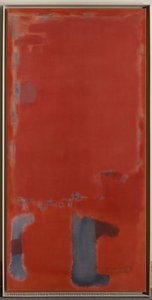
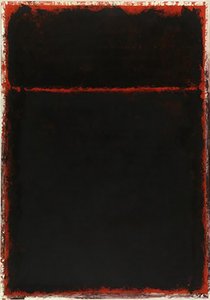
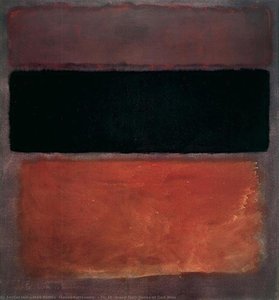
Una Dimensione di Quieta Contemplazione


 Leggi tutto
L'opera d'arte visualizzata in questa pagina è protetta dalle leggi sul diritto d'autore, il che significa che non possiamo legalmente creare o vendere una riproduzione identica. Tale protezione è garantita da accordi internazionali quali la Convenzione di Berna e dalle leggi nazionali, incluse quelle stabilite da Legge sul copyright degli Stati Uniti - Titolo 17. Tutti i diritti riservati. Le immagini presenti su questo sito sono protette da copyright e non possono essere riprodotte o utilizzate senza l'autorizzazione scritta di WahooArt.com o dei rispettivi proprietari del copyright.
Questo metodo è pienamente conforme alle normative sul diritto d'autore poiché non prevede la copia o la duplicazione dell'opera protetta. Si tratta invece di una rielaborazione creativa: un nuovo dipinto che trae ispirazione dall'originale, senza tuttavia esserne identico.
Giclée / Stampe d'arte
Stampa giclée o su tela di qualità museale, con produzione rapida e diverse opzioni di finitura. ( Ordina la riproduzione dipinta a mano Passa all'immagine digitale)




P118B €10

P118H €10

P118W €10

P438Z €10

P508JH €12

P508YH €12

P805H €10

P805Z €10

P919BZ €10

P919G €10

P919XJ €10

P959ZH €10

P968JZ €12

W106C €8

W218G €10

W218JH €8

W218Y €10

W307PJ €10

W316G €10

W316PJ €8

W316Y €10

W398PJ €8

W4111J €10

W500HY €15

W500JH €15

W692G €12

W849H €8

W940BG €15

W953PJ €8




Scegli tra le nostre dimensioni predefinite, che rispettano le proporzioni originali dell'opera d'arte.

Inserisci la larghezza e l'altezza desiderate, per adattarle alla tua cornice o alla tua parete. Una stampa può essere solo ritagliata, mai resa più grande dell'immagine originale; pertanto, un formato con una forma differente comporterà la perdita di una parte dell'opera. Ti invieremo un mockup digitale da approvare prima di procedere con la stampa. L'immagine mostrata in questa pagina non rappresenta il ritaglio reale — solo il mockup lo mostra.
Consegna in tutto il mondo () in 2 settimane invece delle normali 4/5 settimane. (23 Ottobre)

Spedizione espressa gratuita in tutto il mondo

Tela in lino di alta qualità

Assicurazione completa sulla spedizione

Garanzia di rimborso dei dazi doganali

Garanzia di perfetta fedeltà cromatica

Politica di reso entro 100 giorni (solo per difetti di fabbricazione)

Garanzia di rimborso al 100%

Sconto per acquisti multipli
 L'opzione vetro è disponibile solo per dimensioni inferiori a 110 cm

Una Dimensione di Quieta Contemplazione
Giclée / Stampe d'arte
Dimensioni della riproduzione
-


Prezzo totale
€ 70
A Realm of Quiet Contemplation: Exploring Mark Rothko’s Abstract Expressionism
Mark Rothko (1903-1970) stands as one of the titans of American abstract expressionism, a movement that irrevocably altered the course of 20th-century art and continues to resonate with audiences today. While seemingly simple – vast canvases dominated by deep gray hues – Rothko’s paintings are profoundly complex explorations of color, form, and the human psyche. Born in Latvia and immigrating to Portland, Oregon, as a child, Rothko's formative years instilled within him an acute sensitivity to suffering, influencing his artistic vision throughout his career. He rejected organized religion after witnessing its impact on his father’s death, embarking on a path of uncompromising artistic integrity.Deconstructing the Composition
Rothko’s signature technique—the “color field”—abandoned traditional representational imagery altogether. Instead, he employed rectangular blocks of color, often layered upon one another, creating immersive experiences for the viewer. These canvases eschewed focal points or discernible subjects; their power resided in the subtle variations within the monochromatic palette and the overall textural surface. The deliberate absence of brushstrokes or defined edges contributes to a sense of serenity and contemplation—a space designed to bypass intellect and tap directly into emotion. As Rothko himself eloquently stated, “I want people to experience something beyond sight.”Technique & Materials
Rothko’s meticulous approach involved applying paint with rollers or brushes to achieve an exceptionally smooth surface. He painstakingly built up layers of pigment—typically oil or acrylic—to generate depth and luminosity within the color field. The selection of materials – canvas stretched tautly over a wooden frame – was crucial to conveying Rothko's artistic intent. Unlike many contemporaries who prioritized virtuoso brushwork, he sought to transcend technique and evoke an instinctive response from the viewer. This dedication to simplicity underscores his belief that art should communicate directly with the soul.Historical Context & Artistic Evolution
Rothko emerged during a period of profound intellectual and cultural upheaval following World War II—a time marked by existential anxieties and a yearning for spiritual meaning. He initially experimented with figurative painting, influenced by Surrealism and mythology, before transitioning to abstraction in the mid-1940s. His groundbreaking color field paintings solidified his position as a leader within Abstract Expressionism alongside artists like Barnett Newman and Jackson Pollock—figures who challenged conventions of representation and championed spontaneity and emotional intensity. Rothko’s work reflects the broader anxieties of the era, grappling with themes of mortality and searching for transcendence beyond rational thought.Symbolism & Emotional Impact
Despite his resistance to explicit interpretations of his paintings, Rothko's oeuvre is undeniably imbued with symbolic resonance. The dominant gray hues evoke feelings of quietude, melancholy, and introspection—a deliberate attempt to create “serious religious experiences.” By stripping away visual references, Rothko invites viewers to project their own emotions onto the canvas, fostering a deeply personal connection. His paintings are not merely decorative objects but portals into inner contemplation—a testament to his unwavering conviction that art possesses the capacity to transform consciousness.Considerations for Collectors & Designers
- Interior Design: Rothko’s minimalist aesthetic lends itself beautifully to contemporary interiors, providing a grounding element or subtle accent against bolder color schemes.
- Color Palette: The grayscale palette complements Scandinavian design and creates calming atmospheres in living spaces.
- Emotional Atmosphere: Ideal for meditation rooms or areas intended for relaxation, Rothko’s paintings inspire contemplation and introspection.
- Scale & Placement: Large-scale Rothko canvases demand ample viewing distance—consider positioning them prominently in hallways or above fireplaces.
Domande e risposte
Posso visualizzare "Una Dimensione di Quieta Contemplazione" come una presentazione a schermo intero?
È disponibile un diaporama: la pagina Slideshow di "Una Dimensione di Quieta Contemplazione" di Mark Rothko.
Che tipo di colori utilizza "Una Dimensione di Quieta Contemplazione"?
La tavolozza di "Una Dimensione di Quieta Contemplazione" di Mark Rothko viene descritta come Monocromatico. Si tratta di una descrizione sintetica dei colori dell'opera.
Quanta luce sembrano riflettere i colori di "Una Dimensione di Quieta Contemplazione"?
"Una Dimensione di Quieta Contemplazione" di Mark Rothko ha una luminanza di Scuro. La luminanza descrive quanta luce sembrano riflettere i colori.
Biografia dell'artista
giovinezza e influenze
mark rothko (marcus rothkowitz), un rinomato artista americano, è nato il 25 settembre 1903 a Dvinsk, Lettonia. La sua famiglia emigrò negli Stati Uniti quando aveva solo dieci anni. Questo cambiamento culturale avrebbe influenzato in seguito il suo stile artistico.evoluzione artistica
Le prime opere di Rothko erano caratterizzate dall'astrattismo espressionista, uno stile che enfatizzava il processo creativo piuttosto che il prodotto finale. I suoi dipinti, come no. 18 (1948) e untitled (1948), mostravano il suo approccio unico al colore e alla forma.- campo di colore: l'uso da parte di Rothko di audaci campi rettangolari di colore, spesso in forte contrasto tra loro, creava un senso di profondità ed emozione.
- struttura organica: i suoi dipinti sembravano respirare la vita, come se i colori fossero entità viventi.
opere notevoli ed esposizioni
- no. 10 (1950), un dipinto che ha segnato un significativo cambiamento nello stile di Rothko, è ora parte della collezione del Museum of Modern Art.
- I Seagram Murals, una serie di dipinti commissionati per il ristorante Four Seasons, hanno mostrato la capacità di Rothko di adattare il suo stile a diversi ambienti.
- no. 3 (1950), un dipinto che esemplifica l'uso di Rothko di audaci campi rettangolari di colore.
vita successiva e eredità
La vita di Rothko è stata segnata da difficoltà nella salute mentale e da un matrimonio tumultuoso. È morto il 25 febbraio 1970 all'età di 66 anni. Nonostante le sue sfide, Rothko ha lasciato un segno indelebile nel mondo dell'arte. ochre and red on red (campo di colore), un dipinto che mostra l'approccio unico di Rothko al colore, può essere trovato nella collezione OriginalUniqueArt.com. La pagina Wikipedia su Mark Rothko fornisce ulteriori informazioni sulla sua vita e sul suo stile artistico.
Mark Rothko
1903 - 1970 , Lettonia
Informazioni rapide
- Artisti Influenti:
- Wassily Kandinsky
- Piet Mondrian
- Artisti Influenzati: ['Minimalismo']
- Data Di Morte: 25 febbraio 1970
- Data Di Nascita: 25 settembre 1903
- Luogo Di Nascita: Daugavpils, Lettonia
- Movimento Artistico: Espressionismo Astratto
- Nazionalità: Americano
- Nome Completo: Mark Rothko / Marcus Rothkowitz
- Opere Notevoli:
- No. 18 (1948)
- No. 10 (1950)
- Murals Seagram
- No. 3 (1950)
Articoli correlati
Color Field Painting: The Emotional Power of Pure Abstraction and Chromatic Depth
Explore the profound emotional depth of Color Field painting. Discover the history of mid-century abstraction, from Rothko to Newman, and learn how pure color transforms the viewer's experience through our expert art history guide.
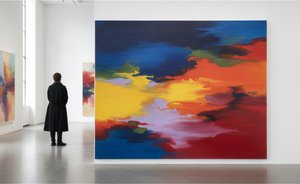
Beyond the Brushstroke: A Definitive Guide to the Emotional Power of Color Field Painting
Explore the profound history and emotional depth of Color Field painting. From Mark Rothko to Barnett Newman, discover how pure color redefined modern art through our expert-led guide for students and collectors alike.

Espressionismo Astratto: I 10 Capolavori che Hanno Definito un Movimento Artistico Rivoluzionario
Esplora i 10 capolavori dell'Espressionismo Astratto con ! Scopri Pollock, Rothko e De Kooning: storia, tecnica e significato di opere iconiche per arredare la tua casa con arte di alta qualità. Esplora la collezione online!

La Sublime Armonia del Colore: Esplorando l'Espressionismo Astratto di Mark Rothko
Esplora l'universo emotivo di Mark Rothko e il movimento dell'Espressionismo Astratto. Analisi approfondite delle sue opere più iconiche, influenze artistiche e l'eredità duratura del maestro del Color Field Painting.
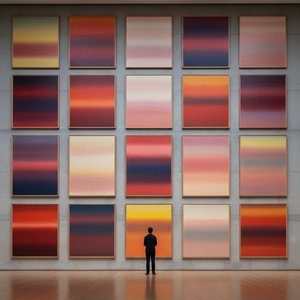
Mark Rothko: Le 25 Opere Più Iconiche per Arredare con Emozione e Profondità
Esplora le 25 opere più iconiche di Mark Rothko, il maestro dell'espressionismo astratto. Scopri la storia, i colori e l'emozione dietro ogni tela. Acquista riproduzioni artistiche di alta qualità per arredare con stile su OriginalUniqueArt.com