Anteprima in scala reale
 Condividi
 Condividi
 Dettagli
 Guida stampabile

 Scarica
 Articoli simili
 Radiografia
 Slideshow
 Statistiche
Lavender and Mulberry


 Leggi tutto
Giclée / Stampe d'arte
Stampa giclée o su tela di qualità museale, con produzione rapida e diverse opzioni di finitura. ( Ordina la riproduzione dipinta a mano Passa all'immagine digitale)




P118B $10

P118H $10

P118W $10

P438Z $10

P508JH $12

P508YH $12

P805H $10

P805Z $10

P919BZ $10

P919G $10

P919XJ $10

P959ZH $10

P968JZ $12

W106C $8

W218G $10

W218JH $8

W218Y $10

W307PJ $10

W316G $10

W316PJ $8

W316Y $10

W398PJ $8

W4111J $10

W500HY $15

W500JH $15

W692G $12

W849H $8

W940BG $15

W953PJ $8




Scegli tra le nostre dimensioni predefinite, che rispettano le proporzioni originali dell'opera d'arte.

È possibile inserire dimensioni personalizzate per adattare l'opera a una cornice o a uno spazio specifico. Se la dimensione selezionata non corrisponde alle proporzioni dell'immagine originale, procederemo al ritaglio dell'opera o all'estensione dell'immagine con un bordo specchiato o a tinta unita. Un mockup digitale ti verrà inviato per approvazione prima dell'inizio della produzione.
Si prega di notare che l'anteprima a schermo non riflette il ritaglio o l'estensione effettivi. Solo il mockup mostrerà accuratamente la composizione finale.
Sebbene siano disponibili dimensioni personalizzate, si raccomanda di selezionare una dimensione dall'elenco predefinito per preservare le proporzioni originali.
Consegna in tutto il mondo () in 2 settimane invece delle normali 4/5 settimane. (25 Settembre)

Spedizione espressa gratuita in tutto il mondo

Tela in lino di alta qualità

Assicurazione completa sulla spedizione

Garanzia di rimborso dei dazi doganali

Garanzia di perfetta fedeltà cromatica

Politica di reso entro 100 giorni (solo per difetti di fabbricazione)

Garanzia di rimborso al 100%

Sconto per acquisti multipli
 L'opzione vetro è disponibile solo per dimensioni inferiori a 110 cm

Lavender and Mulberry
Giclée / Stampe d'arte
Dimensioni della riproduzione
-


Prezzo totale
$ 80
A Symphony of Sorrow and Light
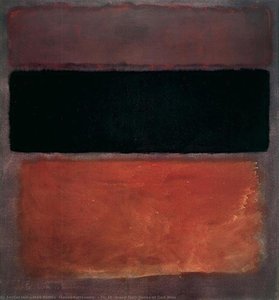
In the vast, silent landscape of Abstract Expressionism, few works possess the haunting intimacy of Mark Rothko’s “Lavender and Mulberry.” Created in 1962, this masterpiece serves as a profound meditation on the duality of human existence—the delicate balance between memory and mourning. At first glance, the composition appears deceptively simple, consisting of two monumental rectangular blocks of color that seem to float within a deep, atmospheric void. Yet, to look upon this canvas is to enter a sacred space where color transcends its physical properties to become a vessel for pure emotion. The soft, muted lavender interacts with the somber, weighted mulberry in a way that suggests a quiet conversation between the light of life and the encroaching shadows of loss.
The technical brilliance of this piece lies in Rothko’s signature wet-on-wet technique, a method that demands both immense control and a surrender to chance. By applying thin, translucent layers of pigment onto linen, Rothko achieved an ethereal luminosity that makes the canvas appear to breathe. There are no harsh borders here; instead, the edges of the color fields bleed softly into one another, creating a blurred boundary that mimics the way memories fade or how grief can cloud one's perception of reality. This layering process creates a velvety depth, inviting the viewer to peer into the very heart of the pigment, where light seems to be trapped beneath the surface, vibrating with an unspoken, rhythmic energy.
The Weight of History and Symbolism
To understand “Lavender and Mulberry,” one must look toward the turbulent biography of its creator. Rothko’s life was defined by a sense of displacement and profound personal tragedy, moving from the anxieties of the Pale of Settlement in Latvia to the cultural upheaval of America. The painting is often interpreted through the lens of his internal struggles; critics have long noted that the lavender hues evoke a sense of tender remembrance, while the deeper, more bruised mulberry tones symbolize the heavy mantle of mourning. This interplay reflects the complex, non-linear process of confronting mortality—a theme that resonated deeply within Rothko as he navigated the profound sorrows of his later years.
For the discerning collector or interior designer, this work offers much more than mere aesthetic beauty. It is a piece of intellectual and emotional gravity. In a contemporary setting, a high-quality reproduction of “Lavender and Mulberry” acts as a focal point of contemplative calm. Its minimalist structure allows it to integrate seamlessly into sophisticated, modern environments, providing a sense of depth and soul to a room. Whether placed in a quiet study or a grand gallery space, the painting does not merely decorate a wall; it transforms the atmosphere, inviting anyone who encounters it to pause, reflect, and engage with the universal language of color and spirit.
Biografia dell'artista
giovinezza e influenze
mark rothko (marcus rothkowitz), un rinomato artista americano, è nato il 25 settembre 1903 a Dvinsk, Lettonia. La sua famiglia emigrò negli Stati Uniti quando aveva solo dieci anni. Questo cambiamento culturale avrebbe influenzato in seguito il suo stile artistico.evoluzione artistica
Le prime opere di Rothko erano caratterizzate dall'astrattismo espressionista, uno stile che enfatizzava il processo creativo piuttosto che il prodotto finale. I suoi dipinti, come no. 18 (1948) e untitled (1948), mostravano il suo approccio unico al colore e alla forma.- campo di colore: l'uso da parte di Rothko di audaci campi rettangolari di colore, spesso in forte contrasto tra loro, creava un senso di profondità ed emozione.
- struttura organica: i suoi dipinti sembravano respirare la vita, come se i colori fossero entità viventi.
opere notevoli ed esposizioni
- no. 10 (1950), un dipinto che ha segnato un significativo cambiamento nello stile di Rothko, è ora parte della collezione del Museum of Modern Art.
- I Seagram Murals, una serie di dipinti commissionati per il ristorante Four Seasons, hanno mostrato la capacità di Rothko di adattare il suo stile a diversi ambienti.
- no. 3 (1950), un dipinto che esemplifica l'uso di Rothko di audaci campi rettangolari di colore.
vita successiva e eredità
La vita di Rothko è stata segnata da difficoltà nella salute mentale e da un matrimonio tumultuoso. È morto il 25 febbraio 1970 all'età di 66 anni. Nonostante le sue sfide, Rothko ha lasciato un segno indelebile nel mondo dell'arte. ochre and red on red (campo di colore), un dipinto che mostra l'approccio unico di Rothko al colore, può essere trovato nella collezione OriginalUniqueArt.com. La pagina Wikipedia su Mark Rothko fornisce ulteriori informazioni sulla sua vita e sul suo stile artistico.
Mark Rothko
1903 - 1970 , Lettonia
Informazioni rapide
- Artisti Influenti:
- Wassily Kandinsky
- Piet Mondrian
- Artisti Influenzati: ['Minimalismo']
- Data Di Morte: 25 febbraio 1970
- Data Di Nascita: 25 settembre 1903
- Luogo Di Nascita: Daugavpils, Lettonia
- Movimento Artistico: Espressionismo Astratto
- Nazionalità: Americano
- Nome Completo: Mark Rothko / Marcus Rothkowitz
- Opere Notevoli:
- No. 18 (1948)
- No. 10 (1950)
- Murals Seagram
- No. 3 (1950)
Articoli correlati

Beyond Representation: Exploring the Emotional Landscape of Abstract Expressionism
Explore the profound emotional world of Abstract Expressionism with OriginalUniqueArt. Discover key artists like Pollock & Rothko, learn about collecting, and find museum-quality reproductions to inspire your space.

Mark Rothko: Le 25 Opere Più Iconiche per Arredare con Emozione e Profondità
Esplora le 25 opere più iconiche di Mark Rothko, il maestro dell'espressionismo astratto. Scopri la storia, i colori e l'emozione dietro ogni tela. Acquista riproduzioni artistiche di alta qualità per arredare con stile su OriginalUniqueArt.com

Espressionismo Astratto: I 10 Capolavori che Hanno Definito un Movimento Artistico Rivoluzionario
Esplora i 10 capolavori dell'Espressionismo Astratto con ! Scopri Pollock, Rothko e De Kooning: storia, tecnica e significato di opere iconiche per arredare la tua casa con arte di alta qualità. Esplora la collezione online!

Kandinsky: I 25 Capolavori che Hanno Rivoluzionato l'Arte Moderna | OriginalUniqueArt
Esplora i 25 capolavori di Wassily Kandinsky, pioniere dell'arte astratta. Scopri la storia, il significato e le tecniche dietro ogni dipinto iconico. Trova riproduzioni d'arte di alta qualità per decorare la tua casa su OriginalUniqueArt.com.

La Sublime Armonia del Colore: Esplorando l'Espressionismo Astratto di Mark Rothko
Esplora l'universo emotivo di Mark Rothko e il movimento dell'Espressionismo Astratto. Analisi approfondite delle sue opere più iconiche, influenze artistiche e l'eredità duratura del maestro del Color Field Painting.