

 Anteprima in scala reale
 Invia
Invia Condividi
 Dettagli opera
 Guida
Guida

 Scarica
 Simili
 Radiografia
 Slideshow
 Q&A
Q&A Statistiche
St Jerome
 Oil On Panel
- Northern Renaissance
 1541
1541- Renaissance
 78.0 x 107.0 cm
 Koninklijk Museum voor Schone Kunsten
 Espandi i dettagli
Giclée / Stampe d'arte
Stampa giclée o su tela di qualità museale, con produzione rapida e diverse opzioni di finitura. ( Acquista il dipinto realizzato a mano Passa all'immagine digitale)




P118B €10

P118H €10

P118W €10

P438Z €10

P508JH €12

P508YH €12

P805H €10

P805Z €10

P919BZ €10

P919G €10

P919XJ €10

P959ZH €10

P968JZ €12

W106C €8

W218G €10

W218JH €8

W218Y €10

W307PJ €10

W316G €10

W316PJ €8

W316Y €10

W398PJ €8

W4111J €10

W500HY €15

W500JH €15

W692G €12

W849H €8

W940BG €15

W953PJ €8




Scegli tra le nostre dimensioni predefinite, che rispettano le proporzioni originali dell'opera d'arte.

Inserisci la larghezza e l'altezza desiderate, per adattarle alla tua cornice o alla tua parete. Una stampa può essere solo ritagliata, mai resa più grande dell'immagine originale; pertanto, un formato con una forma differente comporterà la perdita di una parte dell'opera. Ti invieremo un mockup digitale da approvare prima di procedere con la stampa. L'immagine mostrata in questa pagina non rappresenta il ritaglio reale — solo il mockup lo mostra.
Consegna in tutto il mondo () in 2 settimane invece delle normali 4/5 settimane. (30 Ottobre)

Spedizione espressa gratuita in tutto il mondo

Tela in lino di alta qualità

Assicurazione completa sulla spedizione

Garanzia di rimborso dei dazi doganali

Garanzia di fedeltà cromatica assoluta

Politica di reso entro 100 giorni (solo per difetti di fabbricazione)

Garanzia di rimborso al 100%

Offerta per acquisti multipli
 L'opzione vetro è disponibile solo per dimensioni inferiori a 110 cm

St Jerome
Giclée / Stampe d'arte
Dimensioni riproduzione
-


Prezzo finale calcolato
€ 71
A Vision of Wisdom and Mortality
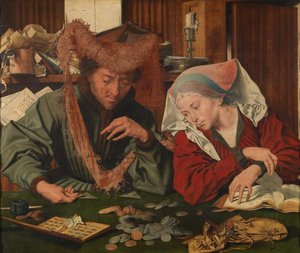
In the quiet, contemplative depths of Marinus Van Reymerswaele’s 1541 masterpiece, St Jerome, we are invited into a world where the pursuit of divine knowledge meets the heavy reality of human existence. This extraordinary oil on panel painting serves as a profound window into the Northern Renaissance, a period defined by an almost obsessive devotion to detail and a deep-seated fascination with the symbolic language of everyday objects. The central figure, an elderly scholar draped in a rich, cardinal-red robe, sits anchored at his desk, his weathered face and flowing beard telling a story of decades spent in rigorous study. As he leans over his work, the painting captures a singular moment of intellectual and spiritual intensity, drawing the viewer into a space where time seems to slow under the weight of profound thought.
The composition is a masterful dance of density and light, where every corner of the frame offers a new layer of meaning for the observant eye. Van Reymerswaele utilizes a shallow, crowded space that feels intimate yet intellectually overwhelming, much like the cluttered mind of a scholar. Scattered across the table are the tools of his devotion: heavy, leather-bound books, an inkwell poised with a quill, and the haunting presence of a skull—a classic memento mori designed to remind the viewer of the inevability of death. This juxtaposition of scholarly achievement with the symbol of mortality creates a powerful tension, suggesting that true wisdom lies in understanding our place within the fleeting cycle of life. The inclusion of musical instruments in the background further enriches this narrative, hinting at the harmony between the intellectual, the spiritual, and the sensory worlds.
Mastery of Texture and Light
Technically, St Jerome is a triumph of Flemish precision. Van Reymerswaele’s ability to manipulate oil paint allows for a breathtakingly tactile experience; one can almost feel the rough grain of the aged parchment, the cold smoothness of the bone skull, and the heavy, luxurious weight of the crimson fabric. The artist employs a sophisticated technique of layering thin, translucent glazes, which imbues the deeper tones with an inner luminosity. This method is particularly effective in the way light enters the scene—appearing to descend from an unseen source above, casting dramatic, soft-edged shadows that sculpt the figure’s features and give the objects a tangible, three-dimensional presence.
For the discerning collector or interior designer, this painting offers more than mere decoration; it provides a focal point of immense character and gravitas. The somber, earthy palette of deep browns, ochres, and reds lends itself beautifully to sophisticated, classical, or even moody contemporary interiors, where it can serve as an anchor of historical depth. To possess a reproduction of such a work is to bring a piece of the Northern Renaissance into the modern home—a constant, silent dialogue between the beauty of meticulous craftsmanship and the timeless human quest for meaning.
Domande e risposte
Come è strutturata la composizione cromatica di "St Jerome" di Marinus Van Reymerswaele?
L'analisi cromatica di "St Jerome" di Marinus Van Reymerswaele rivela un Statement contrasto e una Strong Color Unity armonia.
Dove e per quale uso è consigliata "St Jerome"?
"St Jerome" è ideale per Focal e si adatta perfettamente a un Office.
L'opera "St Jerome" si trova nel paese del suo creatore?
No - l'opera si trova all'estero. Il paese di nascita di Marinus Van Reymerswaele è Italia, mentre il museo che custodisce l'originale di "St Jerome" si trova in Belgio.
Biografia dell'artista
L'Enigmatico Maestro delle Ombre di Anversa
Nel cuore pulsante e mercantile dei Paesi Bassi del XVI secolo, emerse un pittore il cui pennello seppe catturare la profonda tensione tra devozione spirituale e avidità mondana. Marinus van Reymerswaele, un artista il cui nome stesso evoca la cittadina costiera di Reimerswaal dove nacque, rimane uno degli enigmi più affascinanti del Rinascimento olandese. La sua vita seguì la tipica traiettoria di un abile artigiano; dopo gli studi a Lovanio, trovò stabilità professionale all'interno della prestigiosa Gilda di San Luca di Anversa. Registrato come allievo del vetraio Symon van Daele, Reymerswaelse possedeva una sensibilità per il dettaglio e la luce che avrebbe successivamente definito la sua maestria nella resa delle texture e dell'atmosfera.
Mentre si stabiliva ad Anversa, l'epicentro del commercio europeo, la sua opera iniziò a rispecchiare la complessa identità della città stessa. Gestì una bottega prolificante, uno studio frenetico capace di produrre numerose versioni dei suoi temi più celebri. Questa laboriosità permise al suo specifico linguaggio visivo — un connubio tra realismo meticoloso e pungente commento sociale — di permeare le collezioni dell'epoca. I suoi dipinti non si limitavano a ritrarre scene; mettevano in scena drammi morali che riflettevano le ansie di un'era sospesa tra la pietà medievale e l'inarrestabile ascesa del capitalismo.
Una Galleria di Avidità e Grazia
Osservare un'opera attribuita a Reymerswaele significa entrare in uno spazio dove il sacro e il profano collidono. Egli fu maestro di un'iconografia molto specifica e ricorrente, capace di catturare l'immaginazione del pubblico del Cinquecento. Le sue composizioni ruotavano spesso attorno a quattro temi cardine che esploravano la condizione umana attraverso diverse lenti:
- L'intenso studio di San Girolamo, simbolo di devozione dotta e contemplazione religiosa.
- Il frenetico fermento dei esattori delle tasse, inteso come commento satirico sulla cupidigia e la corruzione.
- Il cambiatore e sua moglie, che cattura l'intersezione tra vita domestica e commercio.
- Il mondo giuridico, come un avvocato nel suo studio, specchio della crescente complessità della burocrazia civica.
Il suo capolavoro, Due Esattori, si erge come un esempio straordinario dell'arte del Rinascimento settentrionale. Attraverso l'uso dell'olio su tavola di quercia, l'artista raggiunse una profondità e una consistenza materica che infondono vita ai suoi soggetti. Il dipinto funge da vivido commento sulla corruzione dei funzionari fiscali, utilizzando la descrizione dettagliata di abiti e ambienti per ancorare la sua satira a una realtà riconoscibile. In queste opere, i pesanti e antiquati indumenti dei personaggi aggiungono uno strato di critica sociale, ricordando all'osservatore il mutamento del panorama morale dell'epoca.
Eredità e Influenza Artistica
Lo sviluppo stilistico di Marinus van Reymerswaele mostra la profonda influenza del pittore di Anversa Quentin Matsys. Questo legame contribuì a plasmare la sua capacità di fondere elementi di realismo con un senso dell'umorismo acuto e spesso caricaturale. La sua opera è caratterizzata da un'attenzione al dettaglio che permette allo spettatore di ammirare le minime trame di manoscritti, documenti legali e monete, tutti simboli della preoccupazione dell'epoca per la ricchezza e la legge.
Sebbene abbia lavorato intensamente ad Anversa, il suo viaggio lo condusse infine verso i Paesi Bassi settentrionali. Dopo essersi operato ad Anversa almeno fino al 1540, si trasferì a Goes, dove la sua vita giunse al termine. Sebbene molti dei suoi pannelli siano noti per attribuzione piuttosto che per firma, il suo impatto sulla pittura di genere rimane innegabile. Egli ha lasciato un'eredità visiva che continua a affascinare, offrendo uno sguardo profondo nella mente di un artista alle prese con la fede, lo studio e le onnipresenti ombre dell'avarizia umana.
Marinus Van Reymerswaele
1490 - 1546 , Italia
Dettagli rapidi
- Artistic Movement Or Style: Rinascimento nordico
- Artists Who Influenced This Artist: ['Quentin Matsys']
- Date Of Birth: 1490
- Date Of Death: 1546
- Full Name: Marinus van Reymerswaele
- Nationality: Olandese
- Notable Artworks:
- Due esattori delle tasse
- I collettori di tasse
- San Girolamo nel suo studio
- Il cambiale e sua moglie
- Place Of Birth: Reimerswaal, Paesi Bassi
Articoli correlati

Luce e Ombra: i 25 capolavori più incredibili di Rembrandt
Scopri i 25 capolavori di Rembrandt tra luce e ombra. Esplora la collezione su OriginalUniqueArt.com per riproduzioni da museo d'eccellenza.
I 10 Capolavori del Rinascimento Nordico che Hanno Definito l'Arte | .it
Esplora i 10 capolavori del Rinascimento Nordico con .it! Jan van Eyck, Dürer e altri maestri rivivono in stampe di alta qualità. Trova l'arte perfetta per la tua casa e lasciati ispirare dalla bellezza senza tempo. Scopri tutta la collezione online!

The Northern Renaissance: A Flourishing of Realism, Religious Reform & Artistic Innovation
Explore the Northern Renaissance! Discover Jan van Eyck's innovations, religious shifts, & key artists of this influential period. Expert analysis and insights into Early Netherlandish painting at OriginalUniqueArt.

I 10 Capolavori del Rinascimento Netherlandese: Arte, Storia e Decorazioni di Lusso
Esplora i 10 capolavori del Rinascimento Netherlandese: Jan van Eyck, Rogier van der Weyden e altri maestri fiamminghi. Scopri la storia, le tecniche e il simbolismo di questi dipinti iconici. Riproduzioni d'arte di lusso su OriginalUniqueArt.com.

I 10 Capolavori della Pittura Fiamminga Antica: Arte, Storia e Stile per la Tua Casa
Esplora i 10 capolavori della pittura fiamminga antica! Jan van Eyck, Rogier van der Weyden e altri maestri rinascimentali. Scopri storia, tecnica e simbolismo di questi dipinti iconici. Trova riproduzioni d'arte di alta qualità per la tua casa su OriginalUniqueArt.com.


