

 Condividi
 Condividi
 Dettagli
 Guida stampabile

 Scarica
 Articoli simili
 Slideshow
 Statistiche
Henriette in the textile workshop
 Black and White Photography
- Photo
- Contemporary Realism
 1907
1907- Modern
 20.0 x 26.0 cm
 Palazzo Fortuny
 Leggi tutto
Giclée / Stampe d'arte
Stampa giclée o su tela di qualità museale, con produzione rapida e diverse opzioni di finitura. ( Ordina la riproduzione dipinta a mano Passa all'immagine digitale)




































Scegli tra le nostre dimensioni predefinite, che rispettano le proporzioni originali dell'opera d'arte.

È possibile inserire dimensioni personalizzate per adattare l'opera a una cornice o a uno spazio specifico. Se la dimensione selezionata non corrisponde alle proporzioni dell'immagine originale, procederemo al ritaglio dell'opera o all'estensione dell'immagine con un bordo specchiato o a tinta unita. Un mockup digitale ti verrà inviato per approvazione prima dell'inizio della produzione.
Si prega di notare che l'anteprima a schermo non riflette il ritaglio o l'estensione effettivi. Solo il mockup mostrerà accuratamente la composizione finale.
Sebbene siano disponibili dimensioni personalizzate, si raccomanda di selezionare una dimensione dall'elenco predefinito per preservare le proporzioni originali.
Consegna in tutto il mondo () in 2 settimane invece delle normali 4/5 settimane. (27 Settembre)

Spedizione espressa gratuita in tutto il mondo

Tela in lino di alta qualità

Assicurazione completa sulla spedizione

Garanzia di rimborso dei dazi doganali

Garanzia di perfetta fedeltà cromatica

Politica di reso entro 100 giorni (solo per difetti di fabbricazione)

Garanzia di rimborso al 100%

Sconto per acquisti multipli
 L'opzione vetro è disponibile solo per dimensioni inferiori a 110 cm

Henriette in the textile workshop
Giclée / Stampe d'arte
Dimensioni della riproduzione
-


Prezzo totale
$ 80
A Moment Frozen in Monochrome: The Soul of the Workshop
In the quiet, shadowed corners of the Palazzo Pesaro degli Orfei, a single moment from 1907 remains eternally suspended. Mariano Fortuny’s “Henriette in the textile workshop” is far more than a mere photographic record; it is an intimate window into a creative sanctuary where art and life were inextricably woven together. This black and white photograph captures Henriette Negrin, not merely as a subject, but as a vital force within the studio’s industrious atmosphere. As she sits at a table laden with the very fabrics and tools that would define an era of textile innovation, there is a profound sense of purpose radiating from her focused gaze. The image invites the viewer to step into this private world, feeling the weight of history and the quiet intensity of a woman engaged in the meticulous labor of beauty.
The composition masterfully utilizes the interplay of light and shadow to sculpt the scene, employing a technique that borders on the cinematic. Soft illumination bathes Henriette’s face, pulling her from the surrounding gloom, while deep, velvety shadows swallow the edges of the workshop, creating an atmosphere of mystery and reverence. This dramatic use of chiaroscuro does more than just define form; it emphasizes the textures of the workspace—the rough grain of tools, the delicate drape of fabrics, and the heavy presence of stone. Through a slightly elevated perspective, the photographer draws us into the artist’s immediate environment, creating a sense of depth that makes the room feel both expansive in its history and intimate in its shared secrets.
The Symbiosis of Muse and Maker
To understand this piece is to understand the legendary partnership between Mariano Fortuny and his wife, Henriette. While history often remembers Fortuny as the polymathic genius—the inventor of revolutionary lighting and the creator of the iconic Delphos gown—this photograph serves as a poignant reminder that Henriette was his essential collaborator. She was the catalyst for much of his most celebrated work, a pioneer in her own right whose intelligence and aesthetic sensitivity helped shape the very fabric of Venetian decorative arts. In this workshop setting, she is depicted not as a passive muse, but as an active participant in the creative process, embodying the spirit of craftsmanship that defined their shared life.
For the collector or interior designer, this artwork offers a sophisticated layer of narrative depth to any space. It speaks to the values of dedication, heritage, and the pursuit of excellence. The monochromatic palette provides a timeless elegance that complements both classical and contemporary interiors, offering a focal point that is both intellectually stimulating and visually soothing. Whether placed in a library, a studio, or a grand salon, this reproduction brings with it the aura of the Venetian Renaissance revival—a period characterized by an obsession with reviving classical motifs and a profound respect for the tactile beauty of handmade goods.
Ultimately, “Henriette in the textile workshop” is an evocative tribute to the labor of love. It captures the essence of an era where the boundaries between fine art and decorative craft were beautifully blurred. By bringing this piece into a home, one does not just acquire a photograph; one invites the spirit of Fortuny’s legendary atelier—a place of experimentation, light, and enduring elegance—into their own surroundings.
Biografia dell'artista
Early Life and Inspiration
Mariano Fortuny y Madrazo (Granada, 11 maggio 1871 – Venezia, 2 maggio 1949) è stato un pittore, stilista, scenografo e designer spagnolo naturalizzato italiano. È considerato uno dei più importanti artisti del XIX secolo e una figura chiave nella storia dell'arte moderna.Mariano Fortuny nacque nel 1838 a Reus (Tarragona), figlio d’arte: suo padre era il pittore catalano Marià Fortuny i Marsal, mentre sua madre, Cecilia de Madrazo, proveniva parimenti da una famiglia di artisti (era figlia di Federico de Madrazo e nipote di José de Madrazo). Rimasto orfano del padre all’età di tre anni, Mariano Fortuny si trasferì a Parigi con sua madre e nella capitale francese si accostò per la prima volta alla pittura.
Artistic Talents and Inventions
Fortuny dimostrò fin dalla giovane età le sue straordinarie capacità artistiche, mostrando competenze in pittura, fotografia, scultura, architettura, incisione e teatrale scenotecnica. Le sue invenzioni rivoluzionarono il mondo del teatro design, creando soluzioni innovative per l’illuminazione indiretta.
- Il Fortuny Cyclorama Dome: Fortuny sviluppò una struttura semicircolare in legno o tessuto che utilizzava luce indiretta per creare una transizione perfetta tra le scene teatrali. Questa innovativa tecnica rappresentò un punto di svolta nella scenografia del suo tempo.
- “Eclairage Scenique”: Il suo trattato del 1904 descrive la scoperta della diffusione della luce attraverso superfici riflettenti, cambiando colore, intensità e proprietà. Questa teoria ebbe un impatto significativo sulla ricerca luminotecnica dell'epoca.
Notable Contributions and Collaborations
Fortuny ottenne fama internazionale negli anni ’20 grazie alla collaborazione con artisti e personalità importanti come Richard Wagner, il cui opere ispirarono Fortuny a dipingere scene; la Scala di Milano, dove adattò il suo cyclorama dome per ampliare lo spazio teatrale e inventò un ventilatore aspirante per mantenere la tensione del tessuto; e altri grandi nomi della scena artistica internazionale.
Legacy and Later Life
Fortuny morì nel 1949 a Venezia, lasciando un patrimonio artistico ricco di innovazioni e influenze che ancora oggi vengono studiate e apprezzate dagli esperti d’arte. Il suo stile unico e la sua visione del mondo hanno ispirato numerosi artisti successivi.
È considerato uno dei più grandi maestri della pittura spagnola del XIX secolo e un vero punto di riferimento nella storia dell'arte europea.

Mariano Fortuny
1871 - 1949 , Spagna
Informazioni rapide
- Artistic Movement Or Style: Orientalism art
- Artists Or Movements Influenced By This Artist: ['Marcel Proust']
- Artists Who Influenced This Artist: ['Richard Wagner']
- Date Of Birth: May 11, 1871
- Date Of Death: May 3, 1949
- Full Name: Mariano Fortuny y Marsal
- Nationality: Spanish
- Notable Artworks:
- Teagown
- Portrait of Henriette Fortuny
- Place Of Birth: Granada, Spain
Articoli correlati

Monochrome Visions: Exploring the Aesthetic & Historical Significance of Black & White Photography
Explore the rich history & artistic power of black and white photography. From early techniques to iconic masters like Ansel Adams, discover why monochrome continues to captivate art lovers today. Expert insights for collectors.

I 10 Dipinti Più Famosi Dominati dal Nero: Maestri e Storie d'Arte
Esplora i 10 dipinti più iconici dominati dal nero, da Caravaggio a Munch. Scopri storie, tecniche e il potere espressivo di artisti come Rembrandt e Goya. Trova stampe d'arte di alta qualità per la tua casa su .

Bianco Sublime: I 10 Dipinti Più Famosi Dominati dal Colore Bianco | .it
Esplora i 10 dipinti più celebri dominati dal bianco, da Monet a Malevich. Scopri la storia, le tecniche e l'impatto di queste opere iconiche. Trova stampe su tela e riproduzioni d'arte di alta qualità per decorare casa con stile su .

Mariano Fortuny: Unione di Arte, Moda e Design – Esplorando l'Eredità di un Innovatore Veneziano
Scopri l'affascinante mondo di Mariano Fortuny, artista e designer veneziano rivoluzionario. Esplora la sua eredità tessile, le innovazioni nel teatro e il suo impatto sulla moda d'epoca. Un viaggio nell'eleganza senza tempo.
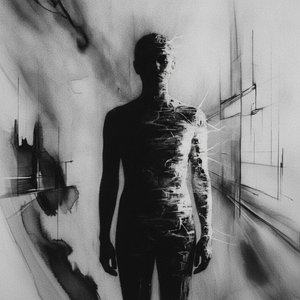
Shadow & Soul: Why Black & White Photography Remains the Ultimate Power Move in Modern Art
Discover why black & white photography remains a powerful force in contemporary art. Explore the impact of light, shadow, and texture through a visual journey of monochrome mastery and learn how to elevate your space with timeless grayscale aesthetics.


