

 Condividi
 Condividi
 Dettagli

 Scarica immagine
 Articoli simili
 Slideshow
Dress


 Leggi tutto
Giclée / Stampe d'arte
Stampa giclée o su tela di qualità museale, con produzione rapida e diverse opzioni di finitura. ( Ordina la riproduzione dipinta a mano Acquista download)




































Scegli tra le nostre dimensioni predefinite, che rispettano le proporzioni originali dell'opera d'arte.

È possibile inserire dimensioni personalizzate per adattare l'opera a una cornice o a uno spazio specifico. Se la dimensione selezionata non corrisponde alle proporzioni dell'immagine originale, procederemo al ritaglio dell'opera o all'estensione dell'immagine con un bordo specchiato o a tinta unita. Un mockup digitale ti verrà inviato per approvazione prima dell'inizio della produzione.
Si prega di notare che l'anteprima a schermo non riflette il ritaglio o l'estensione effettivi. Solo il mockup mostrerà accuratamente la composizione finale.
Sebbene siano disponibili dimensioni personalizzate, si raccomanda di selezionare una dimensione dall'elenco predefinito per preservare le proporzioni originali.
Consegna in tutto il mondo () in 2 settimane invece delle normali 4/5 settimane. (22 Agosto)

Spedizione espressa gratuita in tutto il mondo

Tela in lino di alta qualità

Assicurazione completa sulla spedizione

Garanzia di rimborso dei dazi doganali

Garanzia di fedeltà cromatica dell'originale

Politica di reso entro 60 giorni (solo per difetti di fabbricazione)

Garanzia di rimborso al 100%

Sconto per acquisti multipli
 L'opzione vetro è disponibile solo per dimensioni inferiori a 110 cm

Dress
Giclée / Stampe d'arte
Dimensioni della riproduzione
-


Prezzo totale
$ 80
Descrizione del pezzo
A Glimpse of Parisian Elegance: Mariano Fortuny’s “Dress”
Mariano Fortuny y Marsal's "Dress," a captivating black and white photograph capturing a mannequin adorned in an opulent gown, offers more than just a visual representation; it’s a portal into the innovative world of a Spanish designer who revolutionized theatrical lighting and textile artistry at the turn of the 20th century. The image, dated 1925, presents a study in controlled elegance – a testament to Fortuny's meticulous approach and his ability to evoke a sense of timeless sophistication through carefully orchestrated detail. The mannequin, posed against a simple wall, becomes a stage for the dress itself, highlighting its intricate design and commanding presence.
Fortuny’s genius lay not just in creating beautiful garments but in fundamentally altering how they were presented. Born in 1871 in Granada, Spain, his early life was shaped by the untimely death of his father, a genre painter, which led to a move to Paris and an immersion into the world of textiles – a passion that would define his entire career. He wasn’t merely a fashion designer; he was a visionary inventor, driven by a desire to mimic the soft, diffused light of the East in theatrical productions. This pursuit led him to develop the “fortuny cyclorama,” a revolutionary dome system that utilized reflecting surfaces to create seamless transitions between scenes and bathe performers in an ethereal glow – a technique directly informing his approach to garment design.
The Delphos Dress: A Masterclass in Orientalist Design
“Dress” is intimately connected to Fortuny’s most celebrated creation, the “Delphos” gown. Inspired by the opulence of the Alhambra palace in Granada and drawing heavily on his travels through the Middle East, the Delphos dress embodies a distinctly Orientalist aesthetic. The photograph captures elements of this influence – the flowing lines, the intricate patterns reminiscent of mosaics and textiles, and the overall sense of luxurious comfort. The dress itself is constructed from layers of silk, cording, and delicate beads, creating a textured surface that catches the light beautifully. It’s a garment designed to be worn with grace and confidence, projecting an aura of refined mystery.
Fortuny's meticulous attention to detail extended beyond mere aesthetics; he was obsessed with achieving a specific *feeling* through his designs. He believed in creating garments that told stories – narratives of exotic lands, ancient civilizations, and the beauty of the natural world. The “Dress” photograph subtly hints at this narrative, inviting the viewer to imagine the wearer gliding through grand halls or strolling along sun-drenched streets.
Technique and Innovation: Fortuny’s Legacy
The photograph's stark black and white palette emphasizes the textures and forms of the dress, highlighting Fortuny’s masterful use of fabric manipulation. The layering of silk creates a sense of depth and movement, while the beads add subtle shimmer and sparkle. His innovative approach to lighting, pioneered in his theatrical work, is also evident in the way the photograph captures the play of light on the garment's surface. This wasn’t simply about creating beautiful clothes; it was about controlling and shaping light itself.
Fortuny’s impact extended far beyond fashion. He established a workshop that produced not only clothing but also stage sets, tapestries, and decorative fabrics – all united by his distinctive artistic vision. His work continues to inspire designers today, demonstrating the enduring power of combining artistry, innovation, and a deep appreciation for cultural heritage. The “Dress” photograph serves as a poignant reminder of Fortuny’s legacy—a testament to a singular talent who transformed the world of design in the early 20th century.
Collecting the Spirit of Fortuny
Reproductions of Fortuny's designs, like this "Dress," offer a remarkable opportunity to bring his visionary aesthetic into your home. Whether you’re drawn to the romantic allure of the Delphos gown or simply appreciate the elegance and sophistication of his textile artistry, a Fortuny reproduction is more than just a decorative object; it’s a window into a bygone era—a celebration of creativity, innovation, and timeless beauty.
Biografia dell'artista
Early Life and Inspiration
Mariano Fortuny y Madrazo (Granada, 11 maggio 1871 – Venezia, 2 maggio 1949) è stato un pittore, stilista, scenografo e designer spagnolo naturalizzato italiano. È considerato uno dei più importanti artisti del XIX secolo e una figura chiave nella storia dell'arte moderna.Mariano Fortuny nacque nel 1838 a Reus (Tarragona), figlio d’arte: suo padre era il pittore catalano Marià Fortuny i Marsal, mentre sua madre, Cecilia de Madrazo, proveniva parimenti da una famiglia di artisti (era figlia di Federico de Madrazo e nipote di José de Madrazo). Rimasto orfano del padre all’età di tre anni, Mariano Fortuny si trasferì a Parigi con sua madre e nella capitale francese si accostò per la prima volta alla pittura.
Artistic Talents and Inventions
Fortuny dimostrò fin dalla giovane età le sue straordinarie capacità artistiche, mostrando competenze in pittura, fotografia, scultura, architettura, incisione e teatrale scenotecnica. Le sue invenzioni rivoluzionarono il mondo del teatro design, creando soluzioni innovative per l’illuminazione indiretta.
- Il Fortuny Cyclorama Dome: Fortuny sviluppò una struttura semicircolare in legno o tessuto che utilizzava luce indiretta per creare una transizione perfetta tra le scene teatrali. Questa innovativa tecnica rappresentò un punto di svolta nella scenografia del suo tempo.
- “Eclairage Scenique”: Il suo trattato del 1904 descrive la scoperta della diffusione della luce attraverso superfici riflettenti, cambiando colore, intensità e proprietà. Questa teoria ebbe un impatto significativo sulla ricerca luminotecnica dell'epoca.
Notable Contributions and Collaborations
Fortuny ottenne fama internazionale negli anni ’20 grazie alla collaborazione con artisti e personalità importanti come Richard Wagner, il cui opere ispirarono Fortuny a dipingere scene; la Scala di Milano, dove adattò il suo cyclorama dome per ampliare lo spazio teatrale e inventò un ventilatore aspirante per mantenere la tensione del tessuto; e altri grandi nomi della scena artistica internazionale.
Legacy and Later Life
Fortuny morì nel 1949 a Venezia, lasciando un patrimonio artistico ricco di innovazioni e influenze che ancora oggi vengono studiate e apprezzate dagli esperti d’arte. Il suo stile unico e la sua visione del mondo hanno ispirato numerosi artisti successivi.
È considerato uno dei più grandi maestri della pittura spagnola del XIX secolo e un vero punto di riferimento nella storia dell'arte europea.

Mariano Fortuny
1871 - 1949 , Spagna
Informazioni rapide
- Artistic Movement Or Style: Orientalism art
- Artists Or Movements Influenced By This Artist: ['Marcel Proust']
- Artists Who Influenced This Artist: ['Richard Wagner']
- Date Of Birth: May 11, 1871
- Date Of Death: May 3, 1949
- Full Name: Mariano Fortuny y Marsal
- Nationality: Spanish
- Notable Artworks:
- Teagown
- Portrait of Henriette Fortuny
- Place Of Birth: Granada, Spain
Articoli correlati

Mariano Fortuny: Unione di Arte, Moda e Design – Esplorando l'Eredità di un Innovatore Veneziano
Scopri l'affascinante mondo di Mariano Fortuny, artista e designer veneziano rivoluzionario. Esplora la sua eredità tessile, le innovazioni nel teatro e il suo impatto sulla moda d'epoca. Un viaggio nell'eleganza senza tempo.
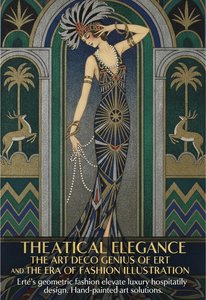
Theatrical Elegance: The Art Deco Genius of Erté and the Era of Fashion Illustration
Explore the theatrical elegance of Erté and the Art Deco era. Discover how his mastery of geometric line and fashion illustration can elevate luxury hospitality design through premium, hand-painted reproductions and bespoke architectural art solutions.
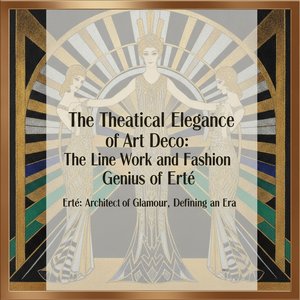
The Theatrical Elegance of Art Deco: The Line Work and Fashion Genius of Erté
Discover the unparalleled elegance of Art Deco through the lens of Erté. Explore a masterclass in linear precision, theatrical costume design, and high-fashion illustration that continues to define modern luxury and sophisticated interior aesthetics.
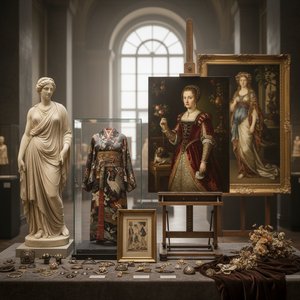
Draped Narratives: Fashion as Symbol & Subject in Historical Art
Explore the fascinating history of fashion as a symbol of power & status in art! Discover masterpieces from Gainsborough to Tissot and learn how clothing shaped societal narratives. Find museum-quality reproductions at OriginalUniqueArt.

The Gilded Age Reimagined: Exploring the Aesthetic Principles & Enduring Legacy of Art Deco
Explore the captivating world of Art Deco! Discover its origins, defining features, cultural impact & enduring legacy. Expert insights for collectors and design enthusiasts. Shop handmade reproductions at OriginalUniqueArt.



