

 Anteprima in scala reale
 Condividi
 Condividi
 Dettagli
 Guida
Guida

 Scarica
 Articoli simili
 Radiografia
 Slideshow
 Statistiche
Woman Power
 Painting
- Contemporary Art
 1979
1979- Modern
 126.0 x 182.0 cm
 ALBERTINA KLOSTERNEUBURG
 Leggi tutto
Giclée / Stampe d'arte
Stampa giclée o su tela di qualità museale, con produzione rapida e diverse opzioni di finitura. ( Ordina la riproduzione dipinta a mano Passa all'immagine digitale)




P118B $10

P118H $10

P118W $10

P438Z $10

P508JH $12

P508YH $12

P805H $10

P805Z $10

P919BZ $10

P919G $10

P919XJ $10

P959ZH $10

P968JZ $12

W106C $8

W218G $10

W218JH $8

W218Y $10

W307PJ $10

W316G $10

W316PJ $8

W316Y $10

W398PJ $8

W4111J $10

W500HY $15

W500JH $15

W692G $12

W849H $8

W940BG $15

W953PJ $8




Scegli tra le nostre dimensioni predefinite, che rispettano le proporzioni originali dell'opera d'arte.

È possibile inserire dimensioni personalizzate per adattare l'opera a una cornice o a uno spazio specifico. Se la dimensione selezionata non corrisponde alle proporzioni dell'immagine originale, procederemo al ritaglio dell'opera o all'estensione dell'immagine con un bordo specchiato o a tinta unita. Un mockup digitale ti verrà inviato per approvazione prima dell'inizio della produzione.
Si prega di notare che l'anteprima a schermo non riflette il ritaglio o l'estensione effettivi. Solo il mockup mostrerà accuratamente la composizione finale.
Sebbene siano disponibili dimensioni personalizzate, si raccomanda di selezionare una dimensione dall'elenco predefinito per preservare le proporzioni originali.
Consegna in tutto il mondo () in 2 settimane invece delle normali 4/5 settimane. (20 Settembre)

Spedizione espressa gratuita in tutto il mondo

Tela in lino di alta qualità

Assicurazione completa sulla spedizione

Garanzia di rimborso dei dazi doganali

Garanzia di perfetta fedeltà cromatica

Politica di reso entro 100 giorni (solo per difetti di fabbricazione)

Garanzia di rimborso al 100%

Sconto per acquisti multipli
 L'opzione vetro è disponibile solo per dimensioni inferiori a 110 cm

Woman Power
Giclée / Stampe d'arte
Dimensioni della riproduzione
-


Prezzo totale
$ 80
The Visceral Presence of Maria Lassnig
In the vast landscape of twentieth-century expressionism, few voices resonate with as much raw, psychological intensity as that of Maria Lassnig. Her 1979 masterpiece, Woman Power, serves as a profound testament to her pioneering theory of "body awareness," a concept where the canvas becomes an extension of the artist's internal physical sensations. In this large-scale work, measuring an imposing 126 x 182 cm, we encounter a figure that transcends mere representation. The naked woman, positioned centrally within a sprawling cityscape, is not merely a subject to be observed but a force of nature to be felt. As she gazes upward toward an unseen celestial or atmospheric phenomenon, her posture suggests a deep, contemplative connection between the human form and the surrounding urban expanse.
The composition is masterfully dynamic, utilizing a bold interplay of color and scale to command the viewer's attention. Lassnig’s technique avoids the sterile precision of traditional realism, opting instead for a more fluid, emotive application of paint that captures the pulse of life itself. The urban environment—a dense collection of buildings with flickering windows—acts as a rhythmic backdrop to the singular, monumental presence of the female form. This juxtaposition between the organic vulnerability of the body and the rigid, geometric structures of the city creates a tension that is both unsettling and deeply empowering, inviting the viewer to contemplate the individual's place within the overwhelming machinery of modern existence.
Symbolism and the Urban Soul
Beyond its striking visual impact, Woman Power is steeped in symbolic depth. The upward gaze of the protagonist can be interpreted as an act of transcendence, a search for meaning or spiritual liberation amidst the concrete confines of the metropolis. Lassnig, shaped by her complex upbringing in Austria and her experiences during the transformative post-war era, often used the body to map out emotional landscapes. Here, the nudity is not an invitation to the voyeuristic gaze but a symbol of radical honesty and strength. By stripping away the layers of social artifice, the figure stands as a pillar of truth against the backdrop of a bustling, indifferent civilization.
For the discerning collector or interior designer, this painting offers more than just aesthetic beauty; it provides a focal point of profound intellectual and emotional gravity. The work’s ability to anchor a room with its scale and assertive color palette makes it an ideal centerpiece for sophisticated spaces that value art with a narrative soul. Whether placed in a contemporary gallery setting or a curated residential collection, Woman Power continues to provoke dialogue about identity, resilience, and the enduring power of the human spirit to rise above its surroundings.
Biografia dell'artista
Early Life and Education
Maria Lassnig, born September 8, 1919, in Kappel am Kraffeld, Austria, experienced a formative childhood shaped by her mother’s turbulent relationship with an older man—a dynamic that instilled in Lassnig a profound understanding of familial complexities. Largely raised by her grandmother, this early environment would become a recurring motif in her artistic explorations. Her academic pursuits began at the Academy of Fine Arts in Vienna during World War II, where she honed her distinctive style and established herself as an artist dedicated to experimentation and innovation.Artistic Career and Contributions
Lassnig’s artistic trajectory is characterized by groundbreaking contributions to Austrian art history. She spearheaded the introduction of Informalism and Tachisme into the postwar landscape—styles that prioritized spontaneity and emotional expression over traditional representational conventions. Her involvement with the Hundsgruppe (“Dog Pack”), alongside fellow artists Arnulf Rainer, Ernst Fuchs, and Wolfgang Hollegha, solidified her position as a pivotal figure in shaping Viennese artistic discourse during the 1950s. Perhaps Lassnig’s most enduring legacy resides in her concept of “Body Awareness,” articulated in 1948—a theoretical framework that championed depicting only body parts felt during the creative process. This approach yielded strikingly original self-portraits, imbued with unsettling colors and often featuring missing anatomical elements, reflecting a deliberate rejection of idealized beauty and delving into psychological introspection.Notable Works and Exhibitions
Lassnig’s oeuvre encompasses numerous celebrated artworks, including “Selfportrait with Telephone,” housed at Lentò Kunstmuseum Linz, Austria—a piece that exemplifies her singular method of self-representation. Her works have graced prestigious exhibitions across Austria, notably those held at the Kunsthistorisches Museum and Museum of Applied Arts in Vienna, showcasing her artistic versatility and engagement with diverse mediums.Awards and Recognition
Maria Lassnig received considerable acclaim throughout her career, culminating in the Grand Austrian State Prize in 1988—a testament to her enduring influence on Austrian art. She was honored with the Austrian Decoration for Science and Art in 2005, recognizing her contributions beyond artistic endeavors. Furthermore, she garnered international recognition at the Venice Biennale in 2013, securing the Golden Lion Award for Lifetime Achievement—a prestigious accolade acknowledging her profound impact on the global art community.Legacy
Maria Lassnig’s pioneering spirit and unwavering commitment to exploring the subconscious continue to inspire artists today. Her exploration of “Body Awareness” remains a cornerstone of feminist art history, prompting critical reflection on representation and challenging conventional notions of beauty. Lassnig's artworks stand as enduring symbols of Austrian artistic heritage—a testament to her visionary approach and her indelible mark on the evolution of modern painting.
Maria Lassnig
1919 - 2014 , Austria
Informazioni rapide
- Artistic Movement Or Style: Informalismo & Tachisme
- Artists Or Movements Influenced By This Artist: ['Feminista Arte Storia']
- Artists Who Influenced This Artist:
- Arnulf Rainer
- Ernst Fuchs
- Date Of Birth: 1919
- Date Of Death: 2014
- Full Name: Maria Lassnig
- Nationality: Austriaca
- Notable Artworks:
- Autoritratto con telefono
- Atlas
- Donna Potere
- Place Of Birth: Kappel am Kraffeld, Austria
Articoli correlati
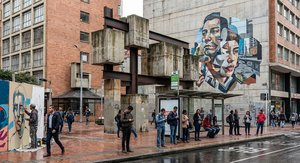
Concrete Narratives: Exploring Urban Life in Modern & Contemporary Art
Explore the evolution of cityscape painting with OriginalUniqueArt. Discover key artists from Realism to contemporary movements & invest in timeless urban visions. Expert guidance, museum-quality reproductions.

Concrete Visions: Exploring the Urban Landscape in Painting – From Realism to Contemporary Art
Explore the evolution of cityscape painting from Realism to contemporary art with OriginalUniqueArt. Discover key artists & invest in timeless urban visions. Expert guidance, museum-quality reproductions.
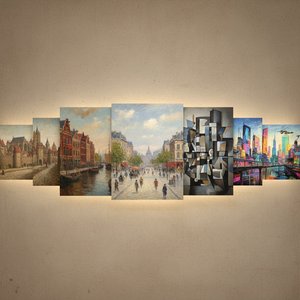
Urban Visions: A Historical & Artistic Exploration of the Cityscape in Painting
Explore the evolution of cityscape painting from historical maps to Impressionist masterpieces. Discover artists like Caillebotte, Utrillo & Matsumoto Shunsuke. Find museum-quality reproductions at OriginalUniqueArt.
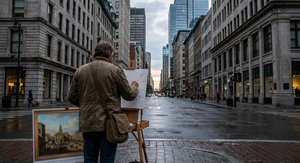
Urban Visions: A Historical & Artistic Exploration of the Cityscape in Painting
Explore the evolution of cityscape painting from historical maps to Impressionist masterpieces. Discover artists like Caillebotte & Utrillo. Find museum-quality reproductions at OriginalUniqueArt.
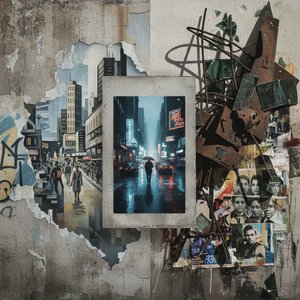
Concrete Visions: Exploring Representations of Urban Life in Modern & Contemporary Art
Explore the evolution of cityscape painting from Realism to contemporary art. Discover key artists & invest in timeless urban visions with OriginalUniqueArt's expert guidance and museum-quality reproductions.