Contemporary Art · 2003
Mourning (Maria Lassnig, 2003)
Maria Lassnig (1919–2014) ha realizzato Mourning. Risale al 2003. Fa parte del movimento Contemporary Art. È realizzato in Painting. È conservata presso il ALBERTINA KLOSTERNEUBURG a Klosterneuburg, Austria. Le dimensioni sono 205 × 150 cm.
- 2003
- Painting
- 205 × 150 cm
- ALBERTINA KLOSTERNEUBURG, Klosterneuburg

 Anteprima in scala reale

 Dipinto a olio fatto a mano
 Invia
 Condividi
 Scheda didattica


 Scarica
 Simili
 Radiografia
 Slideshow
 Domande e risposte

 Statistiche
Mourning, in breve
- Titolo
- Mourning
- Artista
- Maria Lassnig (1919–2014)
- Artista nato a
- Kappel am Krappfeld, Austria
- Date
- 2003
- Tecnica
- Painting
- Dimensioni
- 205 × 150 cm
- Dove vederlo
- ALBERTINA KLOSTERNEUBURG, Klosterneuburg, Austria
- Movimento
- Contemporary Art
- Epoca
- Contemporary
- Soggetto
- woman, figures, white dress, red color, orange color
Cosa raffigura Mourning?
The Visceral Language of Emotion
In the profound and haunting masterpiece Mourning, the late Austrian visionary Maria Lassnig invites us into a raw, unfiltered exploration of human vulnerability. Created in 2003, this expansive work serves as a powerful testament to the artist's lifelong dedication to her theory of "body awareness." At the heart of the composition, a central female figure emerges with an open-moutched cry, a visceral expression of grief that transcends mere depiction to become a shared human experience. Surrounded by figures that exist in varying states of nakedness and color, the painting dissolves the boundaries between the physical self and the psychological landscape, creating a scene that is as much about internal sensation as it is about external form.
The technique employed here is nothing short of transformative. Lassnig utilizes a vibrant, almost feverish color palette to communicate the intensity of the subject matter. The central figure, bathed in searing reds and warm oranges, acts as a focal point of heat and passion, contrasting sharply with the more varied, multi-colored tones of the surrounding figures. This use of color does not merely decorate the canvas; it functions as a rhythmic pulse, guiding the viewer's eye through a chaotic yet deeply structured emotional journey. The brushwork, characteristic of her later mastery, feels spontaneous and urgent, capturing the fleeting, often painful sensations of being alive.
A Legacy of Subjectivity and Form
To understand Mourning, one must look to the historical context of Lassnig’s evolution within the Austrian art scene. As a pioneer of Informalism and Tachisme, Lassnig moved away from traditional representation toward a style that prioritized the "inner body." This piece stands as a culmination of decades spent navigating the complexities of identity, influenced by her early life in Kappel am Krappfeld and her formative years at the Academy of Fine Arts in Vienna. The figures surrounding the central protagonist—some draped, some bare, some looming in the background—suggest a communal weight to grief, implying that sorrow is never an isolated event but one that ripples through our social and physical connections.
For the discerning collector or interior designer, this artwork offers more than just visual splendor; it provides a profound emotional anchor for any space. The sheer scale of the piece, measuring 150 x 205 cm, allows its commanding presence to dominate a room, turning a wall into a window into the human soul. A high-quality reproduction of this work preserves the delicate nuances of Lassnig's color transitions and the raw energy of her strokes, making it an ideal centerpiece for those seeking to infuse their environment with intellectual depth and avant-garde sophistication. It is a piece that demands conversation, inviting viewers to contemplate the beautiful, tragic, and inescapable nature of our shared existence.
In quale museo si trova Mourning?
ALBERTINA KLOSTERNEUBURG
Klosterneuburg, Austria
Una Rinascita sul Danubio Immerso nel tranquillo fascino di Klosterneuburg, a un soffio dal battito imperiale di Vienna, sorge un santuario culturale che ridefinisce i confini dell'arte contemporanea. L' Albertina Klosterneuburg , che ha aperto le sue porte nell'aprile 2024, è molto più di una semplice satellite della sua celebre controparte viennese; è un profondo atto di custodia culturale e una audace reinterpretazione dello spazio artistico. Nata dall'generosa eredità di Karlheinz e Agnes Essl, la cui collezione privata è stata trasferita all'Albertina per assicurarne l'immortalità pubblica, questo museo infonde nuova vita alle sale riconvertite dell'ex Essl Museum.


Immagini ad alta risoluzione di Mourning

Protected by copyright: these files are for personal reference, not a licence to republish.
Maria Lassnig, Mourning (2003), ALBERTINA KLOSTERNEUBURG.
Domande su Mourning, risposte
Dove è esposta oggi l'opera "Mourning" di Maria Lassnig?
"Mourning" di Maria Lassnig è esposta presso ALBERTINA KLOSTERNEUBURG, Klosterneuburg, Austria. La scheda del museo si riferisce all'opera originale e non a riproduzioni.
In che anno è stata realizzata l'opera "Mourning" di Maria Lassnig?
"Mourning" risale al 2003. Questa data colloca l'opera all'interno della carriera di Maria Lassnig e del suo periodo storico.
Con quale tecnica è realizzata "Mourning" di Maria Lassnig?
Maria Lassnig ha utilizzato la tecnica del Painting per "Mourning". La tecnica definisce la natura materica dell'opera originale.
Quali sono le dimensioni dell'originale "Mourning" di Maria Lassnig?
"Mourning" misura 150 x 205 cm nella sua forma originale. Le dimensioni originali sono un utile riferimento per scegliere la dimensione di una riproduzione.
Cosa rappresenta "Mourning" di Maria Lassnig?
"Mourning" di Maria Lassnig raffigura: woman, figures, white dress, red color, orange color.
L'immagine di "Mourning" di Maria Lassnig può essere riprodotta liberamente?
Stato del copyright per "Mourning" di Maria Lassnig: l'opera è ancora protetta dal diritto d'autore. Ciò determina se sia possibile effettuare liberamente riproduzioni dell'immagine.
Chi è l'artista dietro "Mourning"?
"Mourning" è stata creata da Maria Lassnig. Le informazioni contenute in questa pagina descrivono l'opera originale di Maria Lassnig.
A quale corrente artistica appartiene "Mourning" di Maria Lassnig?
"Mourning" di Maria Lassnig appartiene al movimento Contemporary Art. Questo movimento fornisce il contesto stilistico dell'opera.
A quale fase della carriera di Maria Lassnig appartiene "Mourning"?
"Mourning" rappresenta il Late Period di Maria Lassnig.
Informazioni sull'artista, Maria Lassnig

1919–2014, Austria
Maria Lassnig
Early Life and Education Maria Lassnig, born September 8, 1919, in Kappel am Kraffeld, Austria, experienced a formative childhood shaped by her mother’s turbulent relationship with an older man—a dynamic that instilled in Lassnig a profound understanding of familial complexities. Largely raised by her grandmother, this early environment would become a recurring motif in her artistic explorations. Her academic pursuits began at the Academy of Fine Arts in Vienna during World War II, where she honed her distinctive style and established herself as an artist dedicated to experimentation and innovation. Artistic Career and Contributions Lassnig’s artistic trajectory is characterized by groundbreaking contributions to Austrian art history.
Altre opere di Maria Lassnig
 At Night when Mice Scream1981
 Tension Figure1961
 Untitled (D2XACC)2005
 Potere Femminile1979
Saggi su Mourning
 Visualizing Sorrow: How Historical Art Captures the Universal Experience of LossExplore how masters like David and Munch visually capture grief through art history. Discover the profound language of loss today.
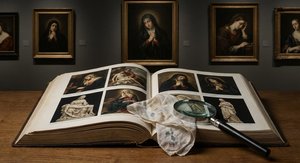 The Visceral Language of Loss: Exploring Grief's Depiction in Art HistoryExplore the profound history of grief in art with OriginalUniqueArt. Discover Renaissance & Baroque masterpieces depicting loss, mourning, …
 I 25 Capolavori di Albrecht Dürer: Il Genio del RinascimentoEsplora i 25 capolavori di Albrecht Dürer tra incisione e pittura. Scopri le riproduzioni d'arte su OriginalUniqueArt.com.