

 Anteprima in scala reale
 Condividi
 Condividi
 Dettagli
 Guida stampabile

 Scarica
 Articoli simili
 Radiografia
 Slideshow
 Statistiche
Grattugia al Cioccolato


 Leggi tutto
L'opera d'arte visualizzata in questa pagina è protetta dalle leggi sul diritto d'autore, il che significa che non possiamo legalmente creare o vendere una riproduzione identica. Tale protezione è garantita da accordi internazionali quali la Convenzione di Berna e dalle leggi nazionali, incluse quelle stabilite da Legge sul copyright degli Stati Uniti - Titolo 17. Tutti i diritti riservati. Le immagini presenti su questo sito sono protette da copyright e non possono essere riprodotte o utilizzate senza l'autorizzazione scritta di WahooArt.com o dei rispettivi proprietari del copyright.
Come alternativa rispettosa e legale, offriamo opere d'arte personalizzate e dipinte a mano, ispirate all'originale. I nostri artisti esperti e professionisti studiano con cura lo stile, l'atmosfera e l'essenza artistica dell'opera originale per creare un pezzo nuovo e unico che evochi la stessa emozione, pur rimanendo una creazione originale a pieno titolo.
Questo metodo è pienamente conforme alle normative sul diritto d'autore poiché non prevede la copia o la duplicazione dell'opera protetta. Si tratta invece di una rielaborazione creativa: un nuovo dipinto che trae ispirazione dall'originale, senza tuttavia esserne identico.
Riproduzione a olio fatta a mano
Olio su tela dipinto a mano nelle tue dimensioni e con la tua cornice, realizzato su ordinazione dai nostri artisti. ( Passa alle stampe Passa all'immagine digitale)




P118B €10

P118H €10

P118W €10

P438Z €10

P508JH €12

P508YH €12

P805H €10

P805Z €10

P919BZ €10

P919G €10

P919XJ €10

P959ZH €10

P968JZ €12

W106C €8

W218G €10

W218JH €8

W218Y €10

W307PJ €10

W316G €10

W316PJ €8

W316Y €10

W398PJ €8

W4111J €10

W500HY €15

W500JH €15

W692G €12

W849H €8

W940BG €15

W953PJ €8




Scegli tra le nostre dimensioni predefinite, che rispettano le proporzioni originali dell'opera d'arte.

Inserisci la larghezza e l'altezza di cui hai bisogno, per adattarle alla tua cornice o alla tua parete. Trattandosi di un'opera dipinta a mano, in caso di dimensioni con una forma differente, l'artista può dipingere un po' più oltre i bordi dell'immagine o ritagliare leggermente — la scelta spetta a te. Ti invieremo un mockup digitale da approvare prima che la pittura abbia inizio. L'immagine mostrata in questa pagina non rappresenta il risultato reale — solo il mockup lo fa.
Dopo l'ordine, il team di OriginalUniqueArt.com contatterà il cliente via e-mail per ricevere le istruzioni e fornirà un'anteprima del mockup
Consegna in tutto il mondo () in 3/4 settimane anziché nelle normali 5 settimane. (24 Ottobre). Nessun compromesso sulla qualità.

Spedizione espressa gratuita in tutto il mondo

Tela in lino di alta qualità

Assicurazione completa sulla spedizione

Garanzia di rimborso dei dazi doganali

Garanzia di perfetta fedeltà cromatica

Politica di reso entro 100 giorni (solo per difetti di fabbricazione)

Garanzia di rimborso al 100%

Sconto per acquisti multipli
 L'opzione vetro è disponibile solo per dimensioni inferiori a 110 cm

Grattugia al Cioccolato
Tecnica di riproduzione
Dimensioni della riproduzione
-


Prezzo totale
€ 263
Un Sogno Meccanico: La Grattugia al Cioccolato di Marcel Duchamp (1914)
La Grattugia al Cioccolato di Marcel Duchamp, creata nel 1914, è un'opera affascinante ed enigmatica che esemplifica l'allontanamento nascente dell'artista dalla pittura tradizionale verso l'arte concettuale. Non si tratta di una rappresentazione realistica di una macchina industriale; è una visione stilizzata, quasi astratta – una premonizione dell'era meccanica filtrata attraverso una lente surrealista.Decostruire la Forma Industriale
L'opera presenta una prospettiva appiattita di un mulino per il cioccolato, ridotto ai suoi componenti geometrici essenziali: cilindri e strutture simili a cesti. Duchamp evita deliberatamente la rappresentazione realistica, optando invece per forme semplificate e linee angolari. La composizione appare rigidamente strutturata, enfatizzando la natura meccanica del soggetto. Sebbene sembri raffigurare un oggetto di produzione, viene presentato con una deliberata mancanza di dettagli: non stiamo vedendo come il cioccolato venga prodotto, ma piuttosto l'idea del processo stesso.Stile e Tecnica: Un Ponte tra Mondi Diversi
Lo stile vira pesantemente sia verso il Surrealismo che verso il Costruttivismo. L'astrazione geometrica riecheggia i principi del Costruttivismo, con la sua enfasi sulle forme industriali e le sagome semplificate. Tuttavia, la qualità onirica e la distorsione della realtà lo collocano saldamente all'interno del movimento Surrealista emergente. Duchamp impiega una tecnica prevalentemente lineare, utilizzando linee rette per definire i componenti della macchina, completate da un'ombreggiatura sottile per suggerire il volume senza realizzarlo pienamente. Il medium probabile – olio o acrilico su tela – contribuisce alla superficie liscia e quasi clinica dell'opera.Contesto Storico: Sull'Orlo del Cambiamento
Creata alla vigilia della Prima Guerra Mondiale, la Grattugia al Cioccolato riflette un periodo di rapida industrializzazione e sconvolgimento sociale. Duchamp, insieme ad altri artisti d'avanguardia, metteva in discussione i valori artistici tradizionali ed esplorava nuovi modi per rappresentare il mondo moderno. Quest'opera presagisce il suo successivo rifiuto dell'"arte retinica" – l'arte destinata esclusivamente al piacere estetico – a favore di opere che coinvolgessero l'intelletto. È un pezzo cruciale che segna la sua transizione dalle preoccupazioni puramente visive verso l'esplorazione concettuale.Simbolismo e Interpretazione
La grattugia per il cioccolato stessa è simbolica, rappresentando la produzione industriale e la meccanizzazione della vita quotidiana. Tuttavia, Duchamp non la presenta come una celebrazione del progresso. Al contrario, la sua forma astratta e la qualità onirica suggeriscono un senso di alienazione o distacco dal processo di produzione. L'opera invita alla contemplazione sul rapporto tra uomo e macchina e sull'impatto della tecnologia sulla società. Non riguarda semplicemente una grattugia per il cioccolato; riguarda ciò che quella macchina rappresenta nel mondo moderno.Impatto Emotivo e Fascino Estetico
Nonostante il suo soggetto meccanico, la Grattugia al Cioccolato evoca una sensazione sorprendentemente fantasiosa. Le forme semplificate e la tavolozza di colori smorzati creano un senso di calma contemplazione. È un'opera d'arte che premia l'osservazione ravvicinata, invitando lo spettatore a decifrare i suoi significati nascosti e ad apprezzare l'approccio innovativo di Duchamp alla rappresentazione. La sua estetica unica – una miscela di precisione e astrazione – la rende un'aggiunta magnetica a qualsiasi collezione o spazio d'interni.- Per gli Amanti dell'Arte: Un esempio chiave della sperimentazione precoce di Duchamp, che mostra il suo movimento verso l'arte concettuale.
- Per i Collezionisti: Una rara opportunità per possedere un pezzo che rappresenta un punto di svolta nella storia dell'arte del XX secolo.
- Per i Designer d'Interni: Le sue forme geometriche e la tavolozza tenue lo rendono versatile, completando interni moderni o minimalisti. La profondità intellettuale dell'opera aggiunge uno strato di sofisticatezza a qualsiasi ambiente.
Domande e risposte
Di cosa è fatto "Grattugia al Cioccolato" e in quale stile è realizzato?
"Grattugia al Cioccolato" di Marcel Duchamp combina la tecnica Olio su tela con lo stile Surrealismo. La tecnica e il movimento descrivono la realizzazione e lo stile dell'opera.
Quanto è satura la tavolozza di "Grattugia al Cioccolato"?
"Grattugia al Cioccolato" di Marcel Duchamp è registrato con una saturazione Colori nitidi e saturi.
Quale collocazione si adatta meglio al formato di "Grattugia al Cioccolato" di Marcel Duchamp?
Il formato (Formato verticale) e lo spazio consigliato (Soggiorno) sono i due dettagli di posizionamento registrati per "Grattugia al Cioccolato" di Marcel Duchamp.
Biografia dell'artista
primi anni di vita e inizi artistici
Marcel Duchamp, pittore, scultore, giocatore di scacchi e scrittore francese-americano, nacque il 28 luglio 1887 a Blainville-Crevon, Normandia, Francia. La sua famiglia, nota per le sue inclinazioni culturali, incoraggiò il suo interesse precoce per l'arte. Il percorso artistico di Duchamp è iniziato con stili post-impressionisti, sperimentando tecniche e soggetti classici.evoluzione artistica e opere notevoli
- L'opera di Marcel Duchamp è associata al cubismo, all'arte concettuale e al dadaismo, sebbene fosse cauto nell'uso del termine dada.
- Una delle sue opere più famose, Fountain (1917), una tazza da urina firmata 'R. Mutt', è un esempio dei suoi readymade, sfidando la nozione di ciò che costituisce l'arte.
- Ritratto di giocatori di scacchi (1911), un'opera cubista, mostra il suo interesse per il gioco e i suoi aspetti strategici.
- To be looked at (from the other side of the glass) with one eye, close to, for almost an hour (1945) è un'altra opera notevole, che riflette le sue inclinazioni dadaiste.
influenza e eredità
L'impatto di Duchamp sull'arte del XX secolo è immenso. Insieme a Pablo Picasso e Henri Matisse, ha definito le arti plastiche nei primi anni del XX secolo. Il suo approccio concettuale all'arte ha influenzato generazioni di artisti.- Esplora altre opere di Duchamp su OriginalUniqueArt: Marcel Duchamp | opere d'arte
- Scopri il Museo Ohara d'Arte, Giappone, che presenta collezioni di arte occidentale, tra cui alcune influenzate dallo stile di Duchamp: Museo Ohara d'Arte, Giappone
- Scopri di più sul lettrismo, un movimento influenzato dal dadaismo e dal surrealismo, di cui Duchamp faceva parte: Movimento artistico del lettrismo
conclusione
L'enigmatico approccio di Marcel Duchamp all'arte, che combina elementi concettuali e dadaisti, ha lasciato un segno indelebile nel mondo dell'arte. La sua eredità continua a ispirare artisti e a influenzare lo sviluppo dell'arte moderna e contemporanea. Franck Scurti, artista francese noto per la sua arte concettuale, segue le orme di Duchamp, contribuendo ulteriormente alla eredità di questo pioniere dell'arte.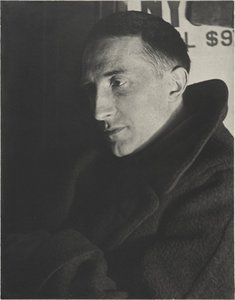
Marcel Duchamp
1887 - 1968 , Francia
Informazioni rapide
- Artisti Influenzati: ['Franck Scurti']
- Data Di Nascita: 28 luglio 1887
- Luogo Di Nascita: Blainville-sur-Mer, Francia
- Movimento Artistico:
- Cubismo
- Dadaismo
- Arte Concettuale
- Nazionalità: Francese-Americana
- Nome Completo: Marcel Duchamp
- Opere Notevoli:
- Fontana
- Ritratto di giocatori di scacchi
- The Large Glass
- L.H.O.O.Q.
- Boîte-en-valise
Articoli correlati
The Soul of Color: A Journey into the Emotional Resonance of Lyrical Abstraction
Embark on a cultural journey through Lyrical Abstraction. Explore how masters like Kandinsky used color and motion to translate emotion into visual poetry. Discover the profound beauty of abstract expressionism and learn to curate emotional resonance in your own art collection.

Kandinsky: I 25 Capolavori che Hanno Rivoluzionato l'Arte Moderna | OriginalUniqueArt
Esplora i 25 capolavori di Wassily Kandinsky, pioniere dell'arte astratta. Scopri la storia, il significato e le tecniche dietro ogni dipinto iconico. Trova riproduzioni d'arte di alta qualità per decorare la tua casa su OriginalUniqueArt.com.
Beyond the Lines: Mastering the High-Impact World of Contemporary Abstraction
Master the high-impact world of contemporary abstraction. Discover how bold colors, textures, and modern movements like Abstract Expressionism can transform your space with premium, high-energy art curated for the design-conscious professional.

Espressionismo Astratto: I 10 Capolavori che Hanno Definito un Movimento Artistico Rivoluzionario
Esplora i 10 capolavori dell'Espressionismo Astratto con ! Scopri Pollock, Rothko e De Kooning: storia, tecnica e significato di opere iconiche per arredare la tua casa con arte di alta qualità. Esplora la collezione online!

Astrazione Geometrica: 10 Capolavori che Hanno Definito un Movimento Artistico
Esplora i 10 capolavori dell'Astrazione Geometrica: Mondrian, Malevich e Kandinsky rivoluzionano l'arte moderna. Scopri la storia, i colori e le tecniche di questi movimenti iconici. Stampe d'arte di alta qualità su OriginalUniqueArt.com!


