

 Anteprima in scala reale
 Condividi
 Condividi
 Dettagli
 Guida stampabile

 Scarica
 Articoli simili
 Radiografia
 Slideshow
 Statistiche
Boy with Skull
 Oil
Oil- WallArt
- Symbolism
 1893
1893- 19th Century
 95.0 x 66.0 cm
 Museo Ateneo d'Arte
 Leggi tutto
Giclée / Stampe d'arte
Stampa giclée o su tela di qualità museale, con produzione rapida e diverse opzioni di finitura. ( Ordina la riproduzione dipinta a mano Passa all'immagine digitale)




P118B €10

P118H €10

P118W €10

P438Z €10

P508JH €12

P508YH €12

P805H €10

P805Z €10

P919BZ €10

P919G €10

P919XJ €10

P959ZH €10

P968JZ €12

W106C €8

W218G €10

W218JH €8

W218Y €10

W307PJ €10

W316G €10

W316PJ €8

W316Y €10

W398PJ €8

W4111J €10

W500HY €15

W500JH €15

W692G €12

W849H €8

W940BG €15

W953PJ €8




Scegli tra le nostre dimensioni predefinite, che rispettano le proporzioni originali dell'opera d'arte.

Inserisci la larghezza e l'altezza desiderate, per adattarle alla tua cornice o alla tua parete. Una stampa può essere solo ritagliata, mai resa più grande dell'immagine originale; pertanto, un formato con una forma differente comporterà la perdita di una parte dell'opera. Ti invieremo un mockup digitale da approvare prima di procedere con la stampa. L'immagine mostrata in questa pagina non rappresenta il ritaglio reale — solo il mockup lo mostra.
Consegna in tutto il mondo () in 2 settimane invece delle normali 4/5 settimane. (24 Ottobre)

Spedizione espressa gratuita in tutto il mondo

Tela in lino di alta qualità

Assicurazione completa sulla spedizione

Garanzia di rimborso dei dazi doganali

Garanzia di perfetta fedeltà cromatica

Politica di reso entro 100 giorni (solo per difetti di fabbricazione)

Garanzia di rimborso al 100%

Sconto per acquisti multipli
 L'opzione vetro è disponibile solo per dimensioni inferiori a 110 cm

Boy with Skull
Giclée / Stampe d'arte
Dimensioni della riproduzione
-


Prezzo totale
€ 70
A Haunting Encounter with Mortality
In the quiet, somber depths of Magnus Enckell’s 1893 masterpiece, Boy with Skull, we are invited into a moment of profound and unsettling stillness. The painting presents a scene that feels pulled from the periphery of a dream or a dark folk tale, where the innocence of childhood meets the stark reality of death. A young boy sits grounded, his small frame positioned toward the edge of the composition, yet his focus is entirely consumed by the object in his hands: a human skull. There is no fear in his gaze, only a quiet, contemplative curiosity that bridges the gap between the living and the departed. This juxtaposition creates an eerie atmosphere, one that lingers in the mind long after the viewer has looked away, making it a piece that demands emotional engagement.
As a leading figure of the Finnish Symbolist movement, Enckell was a master at navigating the complexities of the human psyche. During this period of his career, his palette remained subdued and melancholic, eschewing the bright colorism he would later adopt with the Septem group. This restraint is vital to the impact of Boy with Skull; the muted tones and soft transitions allow the shadows to breathe, wrapping the subject in a shroud of mystery. The technique emphasizes texture and light in a way that feels almost tactile, as if one could feel the coldness of the bone and the weight of the boy's heavy thoughts. For the collector, this subtlety offers a sophisticated depth, providing a focal point that is both intellectually stimulating and visually serene.
Symbolism and the Weight of Existence
Beyond its surface-level strangeness, the painting serves as a powerful memento mori—a meditation on the inevitability of death. The skull, a universal symbol of mortality, acts as a mirror to the boy's burgeoning consciousness. In the hands of a child, the object loses its terror and becomes an instrument of inquiry, representing the moment when the human spirit begins to grapple with the concept of finitude. Enckell utilizes this symbolism to explore themes of transition and the cyclical nature of life. The composition, which places the boy slightly off-center, creates a sense of imbalance that mirrors the psychological tension inherent in contemplating one's own end.
For interior designers and curators of fine art, this piece offers an unparalleled opportunity to introduce narrative depth into a space. It is not merely a decoration but a conversation starter, a work that brings a sense of historical gravity and philosophical inquiry to a room. Whether placed in a dimly lit study or as a striking centerpiece in a contemporary gallery setting, the painting’s ability to evoke both unease and wonder makes it an extraordinary acquisition for those who appreciate art that challenges the boundaries of the seen and the unseen.
Domande e risposte
Quale tavolozza e quale colore dominante definiscono "Boy with Skull"?
"Boy with Skull" di Magnus Enckell utilizza una tavolozza Earthy, con Rosy Brown (#d5b87b) come colore dominante.
In quale museo è conservato l'originale di "Boy with Skull"?
"Boy with Skull" di Magnus Enckell è esposta presso Museo Ateneo d'Arte, Helsinki, Finlandia. La scheda del museo si riferisce all'opera originale e non a riproduzioni.
In quale ambiente della casa si adatterebbe bene una riproduzione di "Boy with Skull"?
Lo spazio consigliato per "Boy with Skull" di Magnus Enckell è un Living Room. Il suggerimento può naturalmente essere adattato ai vostri interni.
Biografia dell'artista
L'Emergere di una Visione Simbolista
Nato nella città costiera di Hamina nel 1870, Knut Magnus Enckell era destinato a diventare una pietra miliare dell'Età dell'Oro finlandese. Il suo primo percorso fu caratterizzato da una profonda transizione, muovendosi dai paesaggi silenziosi della sua giovinezza verso le vibranti correnti intellettuali di Parigi. Dopo gli studi iniziali a Helsinki sotto la guida di Gunnar Berndtson, Enckell cercò la rigorosa formazione dell'Académie Julian, dove l'influenza di maestri come Jules-Joseph Lefebvre e Jean-Joseph Benjamin-Constant iniziò a plasmare il suo occhio artistico. Sebbene la sua educazione iniziale fosse radicata nel Naturalismo prevalente dell'epoca, un impulso più profondo e introspettivo iniziò presto a fremere nelle sue opere, allontanandolo dalla mera rappresentazione verso i regni enigmatici ed evocativi del Simbolismo.Una Trasformazione di Luce e Colore
La traiettoria della carriera di Enckell è segnata da una straordinaria metamorfosi estetica che rispecchiò le mutevoli maree del modernismo europeo. Negli anni della formazione, le sue tele erano caratterizzate da una tavolozza sobria, quasi cupa, capace di catturare le profondità malinconiche della psiche umana. Tuttavia, dal 1902 in poi, avvenne un cambiamento drammatico; le ombre si ritirarono per lasciare il posto a un colorismo sempre più luminoso e radioso. Come figura di spicco del gruppo Septem, Enckell abbracciò un nuovo linguaggio della luce, spingendo i confini dell'arte finlandese attraverso tonalità audaci e vibranti. Questa evoluzione non fu meramente tecnica ma spirituale, poiché l'uso di colori radiosi gli permise di esplorare temi precedentemente avvolti in toni smorzati, portando una vitalità ritrovata al movimento Simbolista.L'Arazzo del Mito e della Psiche
L'opera di Enckell è un'affascinante esplorazione dell'invisibile, dove mitologia, teatro e anima umana convergono sulla tela. Le sue opere sembrano spesso sogni febbrili o leggende sussurrate, catturando momenti di profonda tensione psicologica e bellezza eterea. Egli possedeva una capacità unica di fondere il mondo tangibile con l'inconscio, creando scene che risuonano di mistero e grazia. Tra i suoi contributi più evocativi si annoverano:- Fantasia (1895): Un acquerello di una bellezza inquietante che utilizza pennellate impressioniste per raffigurare una figura mitologica immersa nell'acqua, evocando temi della natura e di profonda malinconia.
- Midsummer Day Service in Lohja Church (1899): Un suggestivo dipinto a olio che cattura la solennità della cerimonia religiosa finlandese attraverso toni caldi e intricati dettagli gotici.
- Boy with Skull: Un'emozionante esplorazione della mortalità e delle sfaccettature più oscure ed esistenziali delle sue indagini simboliste.
Un'Eredità Duratura nell'Arte Finlandese
Al di là della sua maestria tecnica, Magnus Enckell rimane una figura di immensa importanza storica. Fu molto più di un semplice pittore; fu un influente protagonista culturale che aiutò a ridefinire l'identità dell'arte finlandese sulla scena internazionale. La sua capacità di oscillare tra l'essere un tradizionalista e un riformatore radicale gli permise di lasciare un segno indelebile nel panorama dell'arte europea del primo Novecento. Oggi, la sua eredità è preservata nelle grandi istituzioni della Finlandia, ponendosi come testimonianza di una vita trascorsa a inseguire la luce attraverso le ombre dello spirito umano.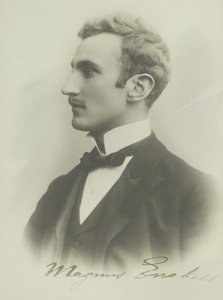
Magnus Enckell
1870 - 1925 , Finlandia
Informazioni rapide
- Data Di Morte: 27 novembre 1925
- Data Di Nascita: 9 novembre 1870
- Luogo Di Nascita: Hämeenlinna, Finlandia
- Movimento O Stile Artistico: Simbolismo
- Nazionalità: Finlandese
- Nome Completo: Knut Magnus Enckell
- Opere Note:
- Fantasia
- Funzione del giorno di metà estate nella chiesa di Lohja
- Ragazzo con teschio
Articoli correlati

The Subdued Palette: Emotional Resonance & Aesthetic Impact of Muted Tones in Art
Explore the captivating world of muted tones in art! Discover Tonalism's history, Whistler’s influence & how subtle color palettes evoke emotion. Find serene landscapes and expert advice for integrating these timeless pieces into your home with OriginalUniqueArt.

Akseli Gallen-Kallela: Identità Finlandese tra Romanticismo Nazionale e Simbolismo – Un’Analisi Visiva del Kalevala
Esplora l'opera di Akseli Gallen-Kallela e il suo ruolo cruciale nel Romanticismo Nazionale Finlandese. Analisi approfondita del Kalevala, del Simbolismo artistico e delle sue opere iconiche. Scopri la sua eredità culturale.
Albert Edelfelt: Un Pioniere del Realismo Finlandese e i Circoli Impressionisti Internazionali
Scopri la vita e le opere di Albert Edelfelt, pioniere del realismo finlandese e figura chiave dell'impressionismo europeo. Analisi approfondita della sua arte, dai ritratti alle scene di genere, e il suo contributo all'identità artistica finlandese.

The Subdued Palette: Exploring Emotional Resonance & Aesthetic Impact in Muted Artworks
Explore the power of muted colors in art! Discover the history, psychology & techniques behind serene palettes. Find inspiration & expert advice for creating emotionally resonant spaces with OriginalUniqueArt.
The Subdued Resonance: Exploring Emotional Depth & Artistic Nuance within Muted Color Palettes
Explore the captivating world of muted colors in art & design! Discover historical context, psychological effects, techniques, and inspiration for creating serene spaces. Elevate your aesthetic with OriginalUniqueArt.