

 Anteprima in scala reale
 Invia
Invia Condividi
 Dettagli opera
 Guida
Guida

 Scarica
 Simili
 Radiografia
 Slideshow
 Statistiche
Virgin and Child
 Oil
Oil- WallArt
- Spanish Renaissance
 1520
1520- Renaissance
 68.0 x 46.0 cm
 Museu do Caramulo
 Espandi i dettagli
Giclée / Stampe d'arte
Stampa giclée o su tela di qualità museale, con produzione rapida e diverse opzioni di finitura. ( Acquista il dipinto realizzato a mano Passa all'immagine digitale)




P118B €10

P118H €10

P118W €10

P438Z €10

P508JH €12

P508YH €12

P805H €10

P805Z €10

P919BZ €10

P919G €10

P919XJ €10

P959ZH €10

P968JZ €12

W106C €8

W218G €10

W218JH €8

W218Y €10

W307PJ €10

W316G €10

W316PJ €8

W316Y €10

W398PJ €8

W4111J €10

W500HY €15

W500JH €15

W692G €12

W849H €8

W940BG €15

W953PJ €8




Scegli tra le nostre dimensioni predefinite, che rispettano le proporzioni originali dell'opera d'arte.

Inserisci la larghezza e l'altezza desiderate, per adattarle alla tua cornice o alla tua parete. Una stampa può essere solo ritagliata, mai resa più grande dell'immagine originale; pertanto, un formato con una forma differente comporterà la perdita di una parte dell'opera. Ti invieremo un mockup digitale da approvare prima di procedere con la stampa. L'immagine mostrata in questa pagina non rappresenta il ritaglio reale — solo il mockup lo mostra.
Consegna in tutto il mondo () in 2 settimane invece delle normali 4/5 settimane. (25 Ottobre)

Spedizione espressa gratuita in tutto il mondo

Tela in lino di alta qualità

Assicurazione completa sulla spedizione

Garanzia di rimborso dei dazi doganali

Garanzia di fedeltà cromatica assoluta

Politica di reso entro 100 giorni (solo per difetti di fabbricazione)

Garanzia di rimborso al 100%

Offerta per acquisti multipli
 L'opzione vetro è disponibile solo per dimensioni inferiori a 110 cm

Virgin and Child
Giclée / Stampe d'arte
Dimensioni riproduzione
-


Prezzo finale calcolato
€ 70
A Divine Encounter: The Tender Grace of Luis de Morales
In the quiet intimacy of Virgin and Child, we are invited into a sacred moment that transcends the boundaries of time. Painted around 1520, this masterpiece by the Spanish Renaissance master Luis de Morales—famously known as "El Divino"—serves as a profound testament to the power of devotional art. The composition centers on the tender connection between the Virgin Mary and her infant son, a scene rendered with such delicate realism that the viewer feels less like an observer and more like a silent witness to a celestial event. As the light catches the rich textures of the red drapery and the soft, luminous skin of the Christ child, one is immediately struck by the profound sense of peace and spiritual weight that permeates the canvas.
The artistry of Morales is defined by his ability to blend the meticulous detail of the Flemish tradition with the soulful, emotive depth characteristic of the Spanish Renaissance. In this particular work, the contrast between the vibrant, passionate red of Mary’s gown and the pure, ethereal white of the infant's swaddling clothes creates a visual rhythm that guides the eye toward their shared upward gaze. This upward movement suggests a communion with the divine, a moment where the earthly and the heavenly intersect. The technique employed here is nothing short of masterful; the subtle gradations of shadow and light—chiaroscuro—sculpt the figures, giving them a three-dimensional presence that breathes life into the pigment.
Symbolism and the Language of Devotion
Beyond its visual splendor, the painting carries a heavy symbolic resonance, representing maternal devotion, purity, and the eternal cycle of nurturing. Every element is carefully orchestrated to evoke a sense of reverence. The way the Virgin gently cradles her son, observing the instinctive gesture of the newborn baby tucking his hand through her red gown, speaks to the profound vulnerability and strength found in motherhood. For the discerning collector, this piece offers more than mere decoration; it provides an emotional anchor for any space, acting as a window into the spiritual intensity that defined the 16th-century Spanish soul.
The palette itself serves a narrative purpose. The deep, saturated reds evoke the passion and future sacrifice of the Christ child, while the soft, translucent veils and luminous skin tones suggest an otherworldly purity. This interplay of color and light creates a sophisticated atmosphere that is both grounded in human emotion and elevated by divine grace.
An Elegant Addition to the Curated Interior
For interior designers and art enthusiasts seeking to create a room of reflection and elegance, Virgin and Child serves as an ideal centerpiece. Its dignified presence and sophisticated composition make it a versatile choice for a variety of high-end settings, whether placed within a curated gallery wall or used as a focal point in a formal study. The painting’s ability to command attention through subtle emotion rather than overwhelming scale allows it to integrate seamlessly into spaces designed for contemplation.
Owning a reproduction of such a significant work allows one to bring the historical weight and spiritual beauty of the Spanish Renaissance into a modern home. It is an investment in atmosphere, offering a timeless aesthetic that resonates with anyone who appreciates the intersection of technical mastery and profound human connection.
Domande e risposte
Quale uso e quale spazio si consigliano per "Virgin and Child" di Luis De Morales?
L'uso (Mood) e lo spazio (Bedroom) sono le due raccomandazioni indicate per "Virgin and Child" di Luis De Morales.
Qual è l'uso consigliato per una stampa di "Virgin and Child"?
Una riproduzione di "Virgin and Child" di Luis De Morales è consigliata per Mood. Questo suggerimento deriva dal soggetto, dall'atmosfera e dai colori dell'opera.
Quante persone visualizzano "Virgin and Child"?
Le statistiche relative a "Virgin and Child" di Luis De Morales sono consultabili nella pagina Statistiche dell'opera: visite mensili dell'opera, visite alle opere dell'artista e ripartizione dei visitatori recenti per paese e lingua.
Biografia dell'artista
Luis de Morales: Il Pittore Divino di Badajoz
Luis de Morales (ca. 1509 – 9 maggio 1586), affettuosamente noto come “El Divino”, si erge come una delle figure più venerate dell'arte del Rinascimento spagnolo: un pittore la cui profonda spiritualità e lo straordinario realismo incantarono il pubblico durante la sua vita e continuano a ispirare ammirazione secoli dopo. Nato a Badajoz, in Extremadura, il percorso artistico di Morales si sviluppò sulla scia di nascenti ideali umanistici e fervore religioso, plasmandolo come un maestro senza pari dell'iconografia devozionale e cementando la sua eredità come l'artista quintessenziale della sua epoca.- Primi anni e influenze: Poco si conosce con certezza degli anni formativi di Morales, oltre ai documenti che indicano la sua nascita a Badajoz intorno al 1509. La sua formazione artistica ebbe probabilmente inizio sotto la tutela di Hernando Sturmio, un pittore fiammingo stabilitosi a Badajoz, e possibilmente di Pedro de Campaña, un eminente artista attivo a Siviglia: luoghi rinomati per le loro vibranti tradizioni artistiche durante il Rinascimento.
- La Scuola Lombarda ed echi fiorentini: Le prime opere di Morales portano i segni inconfondibili della scuola lombarda di Leonardo da Vinci, caratterizzata da un sottile sfumato e da una prospettiva atmosferica. Allo stesso tempo, egli assorbì le influenze di Michelangelo, le cui sculture monumentali gli trasmisero una padronica comprensione dell'anatomia e del gesto espressivo. Queste esperienze formative influenzarono profondamente la sua sensibilità artistica.
Un periodo definito da precisione anatomica e profondità spirituale
La produzione artistica di Morales può essere suddivisa ampiamente in due periodi distinti, che riflettono l'evoluzione delle tendenze stilistiche e delle correnti intellettuali del tempo. La prima fase, compresa approssimativamente tra il 1539 e il 1560, testimoniò un continuo impegno con l'estetica fiorentina — in particolare con il rigore anatomico di Michelangelo — dando vita a dipinti intrisi di emozione palpabile e tensione drammatica. Opere come La Virgen del Pajarito esemplificano questo stile precoce, mostrando dettagli meticolosi e trasmettendo una profonda contemplazione spirituale.- La seconda fioritura: Dopo il matrimonio con Leonor de Chaves e il successivo trasferimento ad Alcántara, Morales visse una straordinaria rinascita artistica. Questo periodo lo vide produrre capolavoro che spinsero i confini della tecnica rinascimentale — specialmente in termini di accuratezza anatomica — tracciando ispirazione dai pittori tedeschi e fiamminghi che promuovevano il chiaroscuro (il contrasto tra luce e ombra) e l'osservazione meticolosa della natura.
- Traguardi notevoli: Tra i suoi dipinti più celebri figurano la La Piedad (1560), conservata nella Cattedrale di Badajoz, una rappresentazione mozzafiato della Vergine che piange la morte di Gesù — testimonianza dell'ineguagliabile abilità di Morales nel trasmettere il dolore; San Juan de Ribera (1564), custodito al Museo del Prado di Madrid; e l'Ecce Homo, esposto presso l'Hispanic Society of America. Queste opere rimangono simboli duraturi della pietà rinascimentale e dell'eccellenza artistica.
Eredità e riconoscimento
L'influenza di Luis de Morales si estese ben oltre la sua stessa vita, stabilendolo come un pilastro dell'arte rinascimentale spagnola e assicurandogli un posto tra i più grandi pittori della sua generazione. La sua incrollabile devozione ai temi religiosi — espressa con un realismo mozzafiato e intrisa di un'emozione palpabile — risuonò profondamente con il pubblico di tutta Europa. Oggi, le sue opere sono custodite in prestigiose istituzioni in tutto il mondo — tra cui il Museo del Prado a Madrid e la Kingston Lacy House nel Dorset — a testimonianza del loro duraturo valore artistico e della loro importanza storica. L'eredità di Morales continua a ispirare artisti e studiosi, garantendo che “El Divino” rimanga un faro di arte spirituale per le generazioni a venire.Opere selezionate
- La Virgen del Pajarito (la Vergine dell'uccellino) (1546), conservata nella chiesa di San Agustín, a Madrid.
- La Piedad (1560), conservata nella Cattedrale di Badajoz.
- San Juan de Ribera (1564), presso il Museo del Prado, Madrid.
- Ecce Homo, presso Kingston Lacy House (National Trust), Dorset, Regno Unito.
- Virgen de la leche (Vergine del latte), presso il Museo del Prado.
- San Girolamo nel deserto, presso la National Gallery of Ireland, Dublino.

Luis De Morales
1509 - 1586 , Spagna
Dettagli rapidi
- Artistic Movement Or Style: Mannerism
- Artists Or Movements Influenced By This Artist: ['Flemish Renaissance']
- Artists Who Influenced This Artist:
- Michelangelo
- Raphael Sanzio
- Leonardo da Vinci
- Date Of Birth: c.1509
- Date Of Death: Alcántara?, 1586
- Full Name: Luis de Morales
- Nationality: Spanish
- Notable Artworks:
- La Virgen del Pajarito
- La Piedad
- San Juan de Ribera
- Ecce Homo
- Place Of Birth: Badajoz, Spain
Articoli correlati
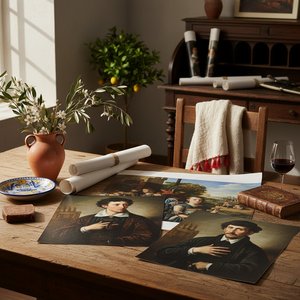
I 25 Capolavori del Prado: Arte Spagnola e Decorazioni di Lusso per la Tua Casa
Esplora i 25 capolavori del Museo del Prado: Velázquez, Goya, El Greco e altri maestri spagnoli. Scopri storie, tecniche e colori che hanno reso queste opere immortali. Trova riproduzioni d'arte di alta qualità per la tua casa su OriginalUniqueArt.com!
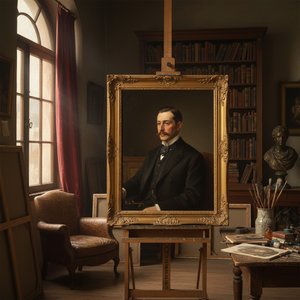
Rafael de Penagos: A Study in Spanish Portraiture & Artistic Identity
Explore the life & art of Rafael de Penagos, a leading Spanish Art Deco illustrator. Discover his iconic 'Penagos Woman', commercial work, and lasting legacy. Learn about this pivotal figure in 20th-century Spanish art history.

Goya: I 25 Capolavori Immortali dell'Anima Spagnola | OriginalUniqueArt
Esplora i 25 capolavori di Francisco Goya, il genio spagnolo tra Romanticismo e Realismo. Ritratti iconici, 'Los Caprichos' e le toccanti 'Disastri della Guerra'. Trova stampe su tela e riproduzioni artistiche di alta qualità per la tua casa su OriginalUniqueArt.com.
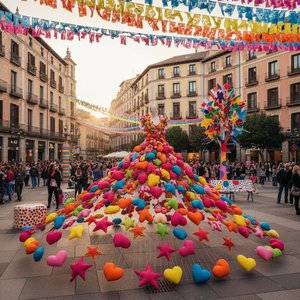
Águeda Ruiz de la Prada: Un’Esplosione di Colore e Risonanza nell'Arte Spagnola Contemporanea
Esplora l'universo vibrante di Águeda Ruiz de la Prada, artista spagnola contemporanea che reinventa l'eclettismo con polittici audaci. Scopri il suo valore artistico e le prospettive per i collezionisti.

Riguardo a noi
Scopri la nostra storia! Portiamo l'arte di livello mondiale nella tua vita grazie a una selezione esperta, creazioni personalizzate e anteprime gratuite. Approvato da privati e aziende dal 2000.

