

 Anteprima in scala reale
 Invia
Invia Condividi
 Dettagli opera
 Guida
Guida

 Scarica
 Simili
 Radiografia
 Slideshow
 Statistiche
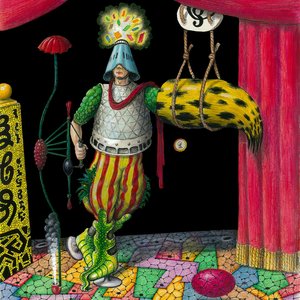
Rooster from "Codex Seraphinianus"


 Espandi i dettagli
L'opera d'arte visualizzata in questa pagina è protetta dalle leggi sul diritto d'autore, il che significa che non possiamo legalmente creare o vendere una riproduzione identica. Tale protezione è garantita da accordi internazionali quali la Convenzione di Berna e dalle leggi nazionali, incluse quelle stabilite da Legge sul copyright degli Stati Uniti - Titolo 17. Tutti i diritti riservati. Le immagini presenti su questo sito sono protette da copyright e non possono essere riprodotte o utilizzate senza l'autorizzazione scritta di WahooArt.com o dei rispettivi proprietari del copyright.
Come alternativa rispettosa e legale, offriamo opere d'arte personalizzate e dipinte a mano, ispirate all'originale. I nostri artisti esperti e professionisti studiano con cura lo stile, l'atmosfera e l'essenza artistica dell'opera originale per creare un pezzo nuovo e unico che evochi la stessa emozione, pur rimanendo una creazione originale a pieno titolo.
Questo metodo è pienamente conforme alle normative sul diritto d'autore poiché non prevede la copia o la duplicazione dell'opera protetta. Si tratta invece di una rielaborazione creativa: un nuovo dipinto che trae ispirazione dall'originale, senza tuttavia esserne identico.
Riproduzione a olio fatta a mano
Olio su tela dipinto a mano nelle tue dimensioni e con la tua cornice, realizzato su ordinazione dai nostri artisti. ( Passa alle stampe Passa all'immagine digitale)




































Scegli tra le nostre dimensioni predefinite, che rispettano le proporzioni originali dell'opera d'arte.

Inserisci la larghezza e l'altezza desiderate, per adattarle alla tua cornice o alla tua parete. Trattandosi di un'opera dipinta a mano, in caso di dimensioni con un formato differente, l'artista può estendere leggermente il dipinto oltre i bordi dell'immagine o ritagliare una piccola parte — la scelta spetta a te. Ti invieremo un mockup digitale da approvare prima che la realizzazione abbia inizio. L'immagine mostrata in questa pagina non rappresenta il risultato finale — solo il mockup lo fa.
Dopo l'ordine, il team di OriginalUniqueArt.com contatterà il cliente via e-mail per ricevere le istruzioni e fornirà un'anteprima del mockup
Consegna in tutto il mondo () in 3/4 settimane anziché nelle normali 5 settimane. (27 Ottobre). Nessun compromesso sulla qualità.

Spedizione espressa gratuita in tutto il mondo

Tela in lino di alta qualità

Assicurazione completa sulla spedizione

Garanzia di rimborso dei dazi doganali

Garanzia di fedeltà cromatica assoluta

Politica di reso entro 100 giorni (solo per difetti di fabbricazione)

Garanzia di rimborso al 100%

Offerta per acquisti multipli
 L'opzione vetro è disponibile solo per dimensioni inferiori a 110 cm

Rooster from "Codex Seraphinianus"
Tecnica di riproduzione
Dimensioni riproduzione
-


Prezzo finale calcolato
€ 264
Biografia dell'artista
L'Architetto di Regni Inafferrabili
Luigi Serafini, nato a Roma nel 1949, occupa uno spazio singolare nell'immaginario contemporaneo, agendo sia come architetto di strutture fisiche che come cartografo di mondi impossibili. Incontrare la sua opera significa varcare una soglia liminale dove i confini tra realtà e sogno si dissolvono. Cresciuto all'interno di una stirpe artistica, la giovinezza di Serafini è stata intrisa delle sfumature della forma e del design, una base che gli avrebbe successivamente permesso di colmare il divario tra la rigorosa logica dell'architettura e il fluido caos del fantastico surrealista. Il suo percorso accademico presso l'ETH di Zurigo e l'Università degli Studi di Milano gli ha fornito una comprensione sofisticata delle dinamiche spaziali, eppure la sua vera vocazione risiedeva nella costruzione di linguaggi e simboli che sfidano i vincoli della comprensione umana.
Il momento decisivo della carriera di Serafini — e forse uno dei traguardi più significativi dell'arte concettuale della fine del XX secolo — è la pubblicazione del Codex Seraphinianus nel 1981. Quest'opera monumentale funge da enciclopedia di un mondo inesistente, reso attraverso illustrazioni meticolose realizzate a mano e un alfabeto interamente inventato. Il Codex non è semplicemente un libro; è una profonda provocazione contro la tirannia del significato linguistico. Presentando un sistema di comunicazione intenzionalmente indecifrabile, Serafini costringe lo spettatore ad abbandonare la ricerca della traduzione letterale per impegnarsi, invece, con il potere puro e viscerale della percezione visiva. Tra le sue pagine, anomalie biologiche, tavole di moda surrealiste e bizzarri esemplari botanici coesistono in uno stato di bellissima e inquietante armonia.
Una Sinfonia di Metalinguaggio e Forma
Oltre gli enigmatici confini del suo celebre codex, l'evoluzione artistica di Serafini è stata segnata da una ricerca incessante del "metalinguaggio" — un modo per comunicare attraverso oggetti che esistono al di fuori della semiotica tradizionale. La sua pratica è caratterizzata da un'extraordinaria versatilità, muovendosi senza soluzione di continuità dalla precisione strutturale del design architettonico alle trame stravaganti della scultura ceramica, fino alla grandiosità teatrale della scenografia per il balletto. Ogni mezzo funge da veicolo per la sua fascinazione per lo strano e l'invisibile. Nelle sue imprese scultoree, si trova un'esplorazione tattile della forma che rispecchia le sagome organiche ma aliene presenti nelle sue illustrazioni, creando un universo coeso in cui il fisico e l'immaginario sono indissolubilmente legati.
La maestria tecnica evidente nel suo lavoro è a dir poco mozzafiato. Che stia rendendo i pattern intricati e vibranti di una tavola di moda aliena o scolpendo oggetti complessi e stratificati, vi è un senso palpabile di meticoloso dettaglio. La sua capacità di evocare emozioni attraverso mezzi puramente estetici — senza il sostegno di un linguaggio riconoscibile — è ciò che eleva la sua opera da semplice fantasia a profonda indagine filosofica. Egli ci invita a considerare la natura dell'esistenza e la fragilità dei nostri stessi sistemi di comprensione. Attraverso la sua arte, lo spettatore è incoraggiato ad abbracciare il mistero dell'ignoto, trovando la bellezza proprio in quelle cose che rimangono per sempre oltre la nostra portata.
L'Eredità e l'Orizzonte Infinito
Il significato storico di Luigi Serafini risiede nella sua capacità di sfidare la relazione fondamentale tra l'osservatore e l'osservato. In un'epoca dominata dallo scambio rapido di informazioni e dalla costante richiesta di chiarezza, Serafini offre un santuario di ambiguità. La sua opera si erge come testimonianza del potere duraturo dell'immaginazione e della possibilità di creare significato attraverso la pura esperienza estetica. Egli ha alterato fondamentalmente il panorama del design contemporaneo, dimostrando che l'arte può operare in modo totalmente indipendente dai sistemi linguistici o culturali stabiliti.
Oggi, l'influenza dell'approccio visionario di Serafini è visibile in varie discipline, dall'illustrazione surrealista alla tipografia sperimentale fino all'installazione concettuale. La sua eredità non si trova in un singolo movimento, ma nel fascino persistente per l' "intraducibile". Mentre continuiamo a navigare in un mondo sempre più complesso, i paesaggi enigmatici del Codex Seraphinianus e le meraviglie tattili dei suoi oggetti di metalinguaggio rimangono vitali, ricordandoci che le verità più profonde sono spesso quelle che non possono essere pronunciate, ma solo sentite.
Luigi Serafini
1949 - , Italia
Dettagli rapidi
- Artistic Movement Or Style: Futurismo
- Artists Who Influenced This Artist:
- Carlo Scarpa
- Franco Maria Ricci
- Date Of Birth: 4 agosto 1949
- Full Name: Luigi Serafini
- Nationality: Italiano
- Notable Artworks:
- Codex Seraphinianus
- Surgeons from "Codex Seraphinianus"
- Plate from the Codex Seraphinianus
- Place Of Birth: Roma, Italia