Anteprima in scala reale
 Condividi
 Condividi
 Dettagli
 Guida stampabile

 Scarica
 Articoli simili
 Radiografia
 Slideshow
 Statistiche
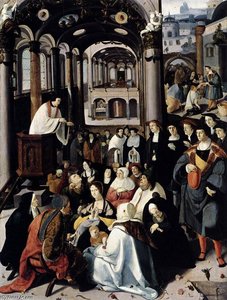
Card Players
 Oil On Panel
- Renaissance Humanism
 1525
1525 40.0 x 50.0 cm
 Museo Nacional Thyssen-Bornemisza
 Leggi tutto
Giclée / Stampe d'arte
Stampa giclée o su tela di qualità museale, con produzione rapida e diverse opzioni di finitura. ( Ordina la riproduzione dipinta a mano Passa all'immagine digitale)




P118B €10

P118H €10

P118W €10

P438Z €10

P508JH €12

P508YH €12

P805H €10

P805Z €10

P919BZ €10

P919G €10

P919XJ €10

P959ZH €10

P968JZ €12

W106C €8

W218G €10

W218JH €8

W218Y €10

W307PJ €10

W316G €10

W316PJ €8

W316Y €10

W398PJ €8

W4111J €10

W500HY €15

W500JH €15

W692G €12

W849H €8

W940BG €15

W953PJ €8




Scegli tra le nostre dimensioni predefinite, che rispettano le proporzioni originali dell'opera d'arte.

Inserisci la larghezza e l'altezza desiderate, per adattarle alla tua cornice o alla tua parete. Una stampa può essere solo ritagliata, mai resa più grande dell'immagine originale; pertanto, un formato con una forma differente comporterà la perdita di una parte dell'opera. Ti invieremo un mockup digitale da approvare prima di procedere con la stampa. L'immagine mostrata in questa pagina non rappresenta il ritaglio reale — solo il mockup lo mostra.
Consegna in tutto il mondo () in 2 settimane invece delle normali 4/5 settimane. (25 Ottobre)

Spedizione espressa gratuita in tutto il mondo

Tela in lino di alta qualità

Assicurazione completa sulla spedizione

Garanzia di rimborso dei dazi doganali

Garanzia di perfetta fedeltà cromatica

Politica di reso entro 100 giorni (solo per difetti di fabbricazione)

Garanzia di rimborso al 100%

Sconto per acquisti multipli
 L'opzione vetro è disponibile solo per dimensioni inferiori a 110 cm

Card Players
Giclée / Stampe d'arte
Dimensioni della riproduzione
-


Prezzo totale
€ 70
The Quiet Intensity of “Card Players” by Lucas van Leyden
Lucas van Leyden’s “Card Players,” painted in 1525, is more than just a depiction of a game; it's a meticulously crafted snapshot of a burgeoning social world. Often referred to as the "Genesis of a Game," this oil-on-panel work offers a rare glimpse into the lives and leisure activities of the early 16th century Netherlands – a period marked by both artistic innovation and profound societal shifts. Van Leyden, a master painter and engraver deeply influenced by both Italian Renaissance ideals and his native Flemish traditions, has created an image that resonates with quiet intensity and unspoken narratives, inviting viewers to contemplate the complexities of human interaction.
The painting’s origins are rooted in the evolving social landscape of Europe. As urban centers flourished, new forms of social engagement emerged, and card games – previously largely confined to aristocratic circles – began to gain popularity among merchants, artisans, and a rising middle class. Van Leyden brilliantly captures this transformation by presenting not a grand tournament or formal competition, but a private gathering—a moment of shared camaraderie amidst the everyday realities of life. The composition itself is carefully orchestrated; the three figures are arranged in a dynamic triangular formation, drawing the eye to each individual while simultaneously suggesting an interplay between them – a silent conversation unfolding beneath the surface.
A Study in Detail: Technique and Composition
Van Leyden’s technical mastery is immediately evident. Every detail, from the folds of the clothing to the glint of light on the cards, is rendered with painstaking precision. The artist employs a masterful use of chiaroscuro – the dramatic contrast between light and shadow – to sculpt the figures, creating a sense of depth and volume that draws the viewer into the scene. Notice how the dark background serves to isolate the players, intensifying their presence and emphasizing their engagement with the game. The meticulous rendering of textures—the rough weave of the robes, the smooth surface of the cards—adds a remarkable level of realism, while the subtle variations in color contribute to the overall sense of atmosphere.
Furthermore, Van Leyden’s compositional choices are deliberate and sophisticated. The triangular arrangement of figures creates visual stability and directs the viewer's eye across the canvas. The placement of the women, particularly the central figure with her elaborate headdress, subtly asserts a position of authority within the group—a reflection of the changing roles of women in society during this period. The use of perspective, though not entirely linear, contributes to the illusion of depth and space, further immersing the viewer in the scene.
Symbolism and Context: A Window into Renaissance Life
Beyond its technical brilliance, “Card Players” is rich in symbolic meaning. The game itself represents more than just a pastime; it symbolizes social status, wealth, and intellectual engagement. The piles of gold coins scattered on the table are a clear indication of prosperity and success—a key aspiration for many merchants and artisans during this era. The cards themselves can be interpreted as metaphors for chance, fortune, and the unpredictable nature of life. The quiet expressions on the faces of the players suggest a blend of concentration, anticipation, and perhaps even a touch of rivalry.
Moreover, the painting reflects the humanist ideals that were gaining prominence during the Renaissance. Van Leyden’s focus on human interaction and everyday life—rather than grand historical events or religious narratives—aligns with this broader cultural shift. The scene is not idealized; it's grounded in reality, offering a nuanced portrayal of social dynamics and the complexities of human relationships. The painting serves as a testament to the Renaissance fascination with observing and representing the world around us.
Emotional Resonance: A Moment Frozen in Time
“Card Players” possesses a remarkable emotional resonance that transcends its historical context. Despite the lack of overt drama, the painting evokes a sense of quiet intensity—a feeling of being privy to a private moment of connection and shared experience. The subtle expressions on the faces of the players invite viewers to speculate about their thoughts and feelings, creating a powerful sense of empathy. The scene is both familiar and enigmatic, capturing the timeless appeal of human interaction and the enduring fascination with games of chance.
Whether viewed as a historical document, an artistic masterpiece, or simply a captivating image, “Card Players” continues to resonate with audiences today—a testament to Lucas van Leyden’s skill as a painter and his profound understanding of the human condition.
Domande e risposte
Come è stata realizzata "Card Players" e quali sono le sue dimensioni?
La tecnica di "Card Players" di Lucas Van Leyden è Oil On Panel e le sue dimensioni riportate sono 40 x 50 cm.
Quali sono le dimensioni dell'originale "Card Players" di Lucas Van Leyden?
L'originale "Card Players" di Lucas Van Leyden misura 40 x 50 cm.
Lucas Van Leyden, autore di "Card Players", è conosciuto con altri nomi?
Altri nomi registrati per Lucas Van Leyden, autore di "Card Players", includono Lucas Hugensz Van Leyden, Lucas Hugensz O Jacobsz.
Biografia dell'artista
Early Life and Training
Lucas van Leyden (real name Lucas Hugensz or Jacobsz.), Netherlandish engraver and painter, born around 1494 in Leiden, Netherlands, was the son of Huygh Jacobszoon, a painter. He began his artistic training under his father’s guidance, demonstrating remarkable precocity from a young age. Later, he joined the workshop of Cornelis Engelbrechtsz., a fellow painter in Leiden, where he honed his skills and absorbed influential techniques. This formative period established him as one of the foremost artists of his time.Artistic Development
Lucas van Leyden quickly emerged as a pivotal figure in Dutch art history, pioneering genre painting and achieving unparalleled mastery in engraving. His early works—half-length portraits capturing human emotion—established his distinctive style characterized by fresh colors and an innovative approach to perspective, notably aérienne perspective, which captivated Albrecht Dürer. He swiftly gained renown for his engravings, commencing with *Mohammed and the Murdered Monk* (1508), a groundbreaking piece showcasing exceptional technical skill and compositional clarity. This early success propelled him into the workshop of Engelbrechtsz., where he further refined his craft.Notable Works and Style
Van Leyden’s oeuvre comprises approximately 200 paintings and prints, reflecting his diverse artistic interests. Among his most celebrated achievements are *The Healing of the Blind Man of Jericho*, a monumental depiction conveying profound spiritual symbolism; *Saint Paul*, an engraving embodying serene dignity and meticulous detail; and *The Milkmaid* (engraving, 1510), exemplifying his mastery of printmaking technique and capturing the essence of everyday life. His collaboration with Dürer resulted in iconic artworks like *The Four Apostles* and *St. George Liberating the Princess*, demonstrating a shared commitment to realism and humanist ideals. Furthermore, his ambitious *Passion Cycle* (1510–1512) stands as a testament to his artistic vision and technical prowess.Museum Collections and Online Presence
Lucas van Leyden’s artworks are housed in prestigious museums worldwide, including the Van Gogh Museum in Amsterdam, where visitors can immerse themselves in the beauty of his paintings and engravings. Explore his legacy further on OriginalUniqueArt.com, a comprehensive online platform offering high-quality reproductions of his masterpieces. Discover more about Dutch Renaissance art and its enduring influence through curated exhibitions and scholarly resources available exclusively at OriginalUniqueArt.com.Legacy
Lucas van Leyden’s impact on the artistic landscape extends beyond his individual achievements. He served as an inspiration to Rembrandt, who recognized him as a peer among masters—a testament to Van Leyden's profound contribution to Dutch art. His innovative style and unwavering dedication to craft continue to resonate with artists and enthusiasts alike, securing his place as one of the most influential figures in Northern Renaissance art history.
Lucas Van Leyden
1494 - 1533 , Paesi Bassi
Informazioni rapide
- Artistic Movement Or Style: Early Netherlandish Renaissance
- Artists Or Movements Influenced By This Artist: ['German Renaissance']
- Artists Who Influenced This Artist: ['Albrecht Dürer']
- Date Of Birth: Leiden, Netherlands (1494)
- Date Of Death: before August 8, 1533
- Full Name: Lucas Hugensz van Leyden
- Nationality: Dutch
- Notable Artworks:
- The Healing of the Blind Man of Jericho
- Saint Paul
- The Milkmaid
- Place Of Birth: Leiden
Articoli correlati

Jan van Goyen: Maestro del Paesaggio Olandese e della Prospettiva Atmosferica
Scopri Jan van Goyen, maestro del paesaggio olandese e pioniere della prospettiva atmosferica. Approfondisci la sua vita, tecnica innovativa e l'eredità artistica che ha rivoluzionato la pittura del Secolo d'Oro.

Golden Light & Dutch Skies: The Timeless Magic of Dutch Golden Age Landscapes
Discover the breathtaking beauty of Dutch Golden Age landscapes. Explore the mastery of light, chiaroscuro, and 17th-century realism through an expert art history lens, celebrating the enduring legacy of the Dutch Masters for discerning collectors and art lovers.

Rembrandt van Rijn: I 25 Capolavori Immortali da Ammirare | OriginalUniqueArt
Esplora i 25 capolavori di Rembrandt van Rijn, da 'La Ronda di Notte' ai suoi intensi autoritratti. Scopri la storia, le tecniche e l'arte barocca del maestro olandese. Riproduzioni di alta qualità su OriginalUniqueArt.com.

Lucas van Leyden: Innovation & Intimacy in Early Netherlandish Printmaking
Explore the groundbreaking prints of Lucas van Leyden, a Dutch master bridging Gothic detail & Renaissance innovation. Discover his rare works, investment potential, and legacy for discerning collectors.
Adriaen van Ostade: A Master of Dutch Genre Painting & Social Commentary
Explore the life & work of Adriaen van Ostade, a leading Dutch Golden Age painter. Discover his realistic genre scenes, social commentary, and lasting influence on art history. Learn more at OriginalUniqueArt.