Anteprima in scala reale
 Condividi
 Condividi
 Dettagli
 Guida stampabile

 Scarica
 Articoli simili
 Radiografia
 Slideshow
 Statistiche
The Trinity


 Leggi tutto
Giclée / Stampe d'arte
Stampa giclée o su tela di qualità museale, con produzione rapida e diverse opzioni di finitura. ( Ordina la riproduzione dipinta a mano Passa all'immagine digitale)




P118B €10

P118H €10

P118W €10

P438Z €10

P508JH €12

P508YH €12

P805H €10

P805Z €10

P919BZ €10

P919G €10

P919XJ €10

P959ZH €10

P968JZ €12

W106C €8

W218G €10

W218JH €8

W218Y €10

W307PJ €10

W316G €10

W316PJ €8

W316Y €10

W398PJ €8

W4111J €10

W500HY €15

W500JH €15

W692G €12

W849H €8

W940BG €15

W953PJ €8




Scegli tra le nostre dimensioni predefinite, che rispettano le proporzioni originali dell'opera d'arte.

Inserisci la larghezza e l'altezza desiderate, per adattarle alla tua cornice o alla tua parete. Una stampa può essere solo ritagliata, mai resa più grande dell'immagine originale; pertanto, un formato con una forma differente comporterà la perdita di una parte dell'opera. Ti invieremo un mockup digitale da approvare prima di procedere con la stampa. L'immagine mostrata in questa pagina non rappresenta il ritaglio reale — solo il mockup lo mostra.
Consegna in tutto il mondo () in 2 settimane invece delle normali 4/5 settimane. (24 Ottobre)

Spedizione espressa gratuita in tutto il mondo

Tela in lino di alta qualità

Assicurazione completa sulla spedizione

Garanzia di rimborso dei dazi doganali

Garanzia di perfetta fedeltà cromatica

Politica di reso entro 100 giorni (solo per difetti di fabbricazione)

Garanzia di rimborso al 100%

Sconto per acquisti multipli
 L'opzione vetro è disponibile solo per dimensioni inferiori a 110 cm

The Trinity
Giclée / Stampe d'arte
Dimensioni della riproduzione
-


Prezzo totale
€ 70
A Divine Encounter: The Soul of Lucas Cranach’s Trinity
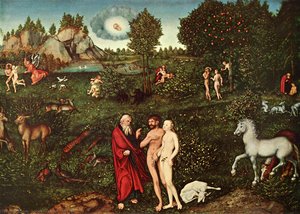
To stand before Lucas Cranach the Elder’s The Trinity is to step across the threshold of time and into the very heart of Christian theology rendered in breathtaking pigment. Painted around 1515, this monumental work serves as a cornerstone of the Northern Renaissance, acting as much more than a mere depiction of biblical scripture. It is a profound meditation on divinity, sacrifice, and eternal life. Through his masterful command of oil on panel, Cranach invites the viewer into a complex interplay of light and shadow, where the celestial and the earthly converge in a singular, breathtaking moment of spiritual revelation.
The composition is a masterclass in Renaissance precision, yet it breathes with an unexpected emotional depth. At its center, the figure of Jesus on the cross anchors the scene, surrounded by a celestial assembly of angels and divine figures that seem to pulse with life. Cranach’s technique allows for a rich color saturation and subtle gradations of tone that create an illusionistic depth, drawing the eye inward toward the central mystery of faith. The presence of numerous birds scattered throughout the scene—some soaring through the heavens, others perched quietly amidst the holy figures—adds a sense of movement and vitality to the otherwise solemn religious tableau, reminding us of the living, breathing nature of the divine presence.
The Intersection of Faith and History
Created during one of the most turbulent eras in European history, The Trinity is deeply embedded in the intellectual fervor of the burgeoning Protestant Reformation. As a court painter to the Electors of Saxony, Cranach was uniquely positioned at the crossroads of political power and religious upheaval. His close friendship with Martin Luther and his role in shaping the visual language of the Reformation are palpable within this work. While the painting adheres to the High Renaissance tradition of clarity and meticulous detail, it also captures the psychological nuance and the spiritual anxieties of a world in transition.
The symbolism within the piece is as layered as the pigments themselves. The Holy Trinity—God the Father, Christ, and the Holy Spirit—is presented not just as a theological concept, but as a palpable reality. For collectors and lovers of fine art, the painting offers a window into a period where art served as a vital vehicle for ideological messages. Every gesture, from the mourning angels to the watchful eyes of the heavenly host, is designed to evoke a sense of awe and reverence, making it an ideal centerpiece for those seeking to bring a sense of historical gravity and contemplative peace into a sophisticated interior space.
A Timeless Addition to the Collector's Gallery
For the discerning art enthusiast or interior designer, a high-quality reproduction of The Trinity offers more than just aesthetic beauty; it provides an opportunity to anchor a room with a sense of profound history and spiritual weight. The painting’s ability to command attention through its monumental scale and intricate detail makes it a versatile choice for grand halls, libraries, or private studies where art is intended to provoke thought and inspire quiet reflection.
Whether you are drawn to the technical brilliance of Cranach’s Northern Renaissance style or the evocative narrative of the Reformation era, this work remains eternally relevant. It stands as a testament to the enduring power of art to capture the intangible—the essence of faith, the weight of sacrifice, and the beauty of the divine. Owning a piece of this legacy allows one to surround themselves with the masterful craftsmanship of a true Renaissance master, ensuring that the conversation between the viewer and the artwork continues for generations to come.
Domande e risposte
"The Trinity" è rimasta nel paese d'origine dell'artista?
Sì - l'opera è conservata nel paese d'origine dell'artista. Luca Cranach il Vecchio è nato/a in Germania, e l'originale "The Trinity" è conservato in un museo in Germania.
In che modo "The Trinity" si inserisce nei temi e nello stile di Luca Cranach il Vecchio?
"The Trinity" appartiene all'opera Northern Renaissance di Luca Cranach il Vecchio, i cui temi ricorrenti includono german renaissance style, lutheran reformation era, saxon court patronage, christian narrative tradition, iconic religious imagery.
Chi è l'autore di "The Trinity" e a quale movimento appartiene?
"The Trinity" è stata creata da Luca Cranach il Vecchio in stile Northern Renaissance. L'artista e il movimento identificano la tradizione dell'opera.
Biografia dell'artista
La Vita e la Formazione di Lucas Cranach il Vecchio
Lucas Cranach il Vecchio, un pittore e incisore tedesco del Rinascimento, nacque nel 1472 a Kronach, nell'Alta Franconia. La sua data precisa di nascita rimane sconosciuta. Apprese l'arte del disegno da suo padre, Hans Maler, e successivamente sviluppò le sue abilità sotto la guida di maestri sud-tedeschi locali. Si trasferì a Vienna intorno al 1490, dove lavorò per alcuni anni prima di stabilirsi a Wittenberg.L’Ascesa alla Corte di Sassonia e il Ruolo nella Riforma
Il Patronato di Federico III: La carriera di Cranach conobbe una svolta significativa quando attirò l'attenzione del duca Federico III, elettore di Sassonia, noto anche come Federico il Saggio. Nel 1504, divenne pittore di corte degli elettori di Sassonia a Wittenberg, posizione che mantenne per gran parte della sua vita. Questo incarico gli fornì un accesso privilegiato alla nobiltà e ai circoli intellettuali dell'epoca.- Ritratti di Principi e Leader Riformatori: Cranach divenne famoso per i suoi ritratti dei principi tedeschi e delle figure chiave della Riforma protestante, tra cui Martin Lutero. Questi ritratti non erano solo rappresentazioni fisiche, ma anche dichiarazioni politiche e religiose.
- Temi Religiosi: Cranach dipinse anche soggetti religiosi, inizialmente aderendo alla tradizione cattolica, per poi esplorare nuovi modi di esprimere le preoccupazioni luterane attraverso la sua arte. La sua capacità di adattarsi ai cambiamenti religiosi lo rese un artista molto richiesto.
- La Bottega Cranach: La bottega di Cranach era una vera e propria fabbrica d'arte, con numerosi assistenti e allievi che contribuivano alla produzione di opere. Dopo la sua morte, il lavoro continuò grazie a suo figlio, Lucas Cranach il Giovane, e ad altri artisti della sua cerchia.
Opere Significative e Stile Artistico
Cranach sviluppò uno stile distintivo caratterizzato da colori vivaci, composizioni dinamiche e un'attenzione ai dettagli realistici. Le sue opere riflettono l'influenza dell'arte fiamminga, ma con una sensibilità tedesca unica.- La Caccia allo Stambecco dell’Elettore Federico III: (1529) è un capolavoro che incarna lo spirito del Rinascimento nordico, mostrando la maestria di Cranach nel catturare l'essenza della caccia e della vita di corte.
- Autoritratto: Un ritratto vivido dell’artista stesso, che dimostra la sua abilità nel rappresentare la luce e l’ombra.
- L'Annunciazione a Gioacchino: (1516-18) è una scena di gioiosa spiritualità, ora conservata al Museo delle Belle Arti di Budapest.
- Adamo ed Eva: Cranach dipinse diverse versioni di Adamo ed Eva, spesso con un'interpretazione allegorica e simbolica che riflette le preoccupazioni religiose dell’epoca.
Eredità e Impatto Culturale
Lucas Cranach il Vecchio lasciò un segno indelebile nella storia dell'arte tedesca. La sua capacità di combinare ritratti realistici con temi religiosi e allegorici lo rese uno dei pittori più importanti del Rinascimento nordico. Il suo lavoro influenzò generazioni di artisti successivi, e la sua bottega contribuì a diffondere il suo stile in tutta Europa. Cranach è ricordato non solo come un artista talentuoso, ma anche come una figura chiave nella diffusione delle idee della Riforma protestante attraverso l'arte. La sua eredità continua ad ispirare artisti e appassionati d’arte oggi.
Luca Cranach il Vecchio
1472 - 1553 , Germania
Informazioni rapide
- Artistic Movement Or Style: Rinascimento tedesco
- Artists Or Movements Influenced By This Artist: ['Lucas Cranach il Giovane']
- Artists Who Influenced This Artist: ['Hans Maler (padre)']
- Date Of Birth: 1472
- Date Of Death: 1553
- Full Name: Lucas Cranach il Vecchio
- Nationality: Tedesco
- Notable Artworks:
- Caccia allo Stambecco dell'Elettore
- Autoritratto
- Annunciazione a Gioacchino
- Adamo ed Eva nel Giardino
- Place Of Birth (City And Country): Kronach, Germania
Articoli correlati
Oil on Panel: A Historical Survey of Technique, Support & Aesthetic Evolution
Explore the rich history of oil on panel painting! Discover Renaissance techniques, support structures & aesthetic evolution. Expert insights for art collectors and enthusiasts.

Mastering the Surface: The Timeless Elegance and Technical Brilliance of Oil on Panel Painting
Discover the enduring allure of oil on panel painting. Explore the technical mastery, historical significance, and luminous depth that define this prestigious medium, from Renaissance masters to modern fine art reproductions for discerning collectors.
Mastering the Surface: A Historical and Technical Guide to the Art of Oil on Panel Painting
Explore the profound history and technical brilliance of oil on panel painting. From Renaissance masters to modern techniques, discover why this rigid support offers unparalleled precision and permanence for fine art lovers and collectors.
The Timeless Charm of Oil on Board: Reimagining Texture and Light through the Impressionist Lens
Discover the profound intimacy of oil on panel. Explore how Impressionist masters used rigid supports to capture light, texture, and impasto depth through exquisite, handmade oil reproductions for discerning collectors.
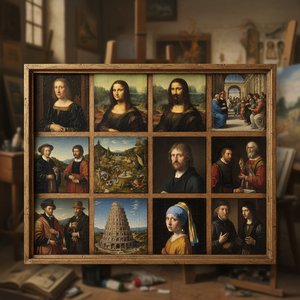
I 10 Capolavori a Olio su Tavola che Hanno Rivoluzionato la Storia dell'Arte
Esplora i 10 capolavori a olio su tavola che hanno segnato la storia dell'arte! Da Botticelli a Leonardo, scopri le storie e le tecniche dei maestri. Trova riproduzioni d'arte di alta qualità per decorare casa con stile su .