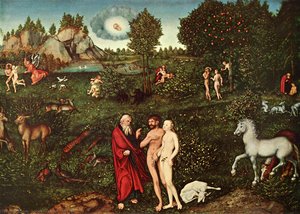
Anteprima in scala reale
 Condividi
 Condividi
 Dettagli
 Guida stampabile

 Scarica
 Articoli simili
 Radiografia
 Slideshow
 Statistiche
Judith Victorious
 Oil On Panel
- Northern Renaissance
 1530
1530 75.0 x 56.0 cm
 Leggi tutto
Riproduzione a olio fatta a mano
Olio su tela dipinto a mano nelle tue dimensioni e con la tua cornice, realizzato su ordinazione dai nostri artisti. ( Passa alle stampe Passa all'immagine digitale)




P118B €10

P118H €10

P118W €10

P438Z €10

P508JH €12

P508YH €12

P805H €10

P805Z €10

P919BZ €10

P919G €10

P919XJ €10

P959ZH €10

P968JZ €12

W106C €8

W218G €10

W218JH €8

W218Y €10

W307PJ €10

W316G €10

W316PJ €8

W316Y €10

W398PJ €8

W4111J €10

W500HY €15

W500JH €15

W692G €12

W849H €8

W940BG €15

W953PJ €8




Scegli tra le nostre dimensioni predefinite, che rispettano le proporzioni originali dell'opera d'arte.

Inserisci la larghezza e l'altezza di cui hai bisogno, per adattarle alla tua cornice o alla tua parete. Trattandosi di un'opera dipinta a mano, in caso di dimensioni con una forma differente, l'artista può dipingere un po' più oltre i bordi dell'immagine o ritagliare leggermente — la scelta spetta a te. Ti invieremo un mockup digitale da approvare prima che la pittura abbia inizio. L'immagine mostrata in questa pagina non rappresenta il risultato reale — solo il mockup lo fa.
Dopo l'ordine, il team di OriginalUniqueArt.com contatterà il cliente via e-mail per ricevere le istruzioni e fornirà un'anteprima del mockup
Consegna in tutto il mondo () in 3/4 settimane anziché nelle normali 5 settimane. (25 Ottobre). Nessun compromesso sulla qualità.

Spedizione espressa gratuita in tutto il mondo

Tela in lino di alta qualità

Assicurazione completa sulla spedizione

Garanzia di rimborso dei dazi doganali

Garanzia di perfetta fedeltà cromatica

Politica di reso entro 100 giorni (solo per difetti di fabbricazione)

Garanzia di rimborso al 100%

Sconto per acquisti multipli
 L'opzione vetro è disponibile solo per dimensioni inferiori a 110 cm

Judith Victorious
Tecnica di riproduzione
Dimensioni della riproduzione
-


Prezzo totale
€ 263
Lucas Cranach the Elder’s *Judith Victorious*: A Renaissance Triumph of Courage and Ambiguity
Lucas Cranach the Elder's 1530 painting, *Judith Victorious*, is more than a depiction of biblical heroism; it’s a potent distillation of Renaissance ideals – ambition, cunning, and the unsettling beauty of female power. Executed in oil on panel and measuring 75 x 56 cm, this artwork, currently housed within the Jagdschloss Grunewald near Berlin, exemplifies Cranach's mastery of capturing psychological nuance alongside technical brilliance. The scene unfolds with a dramatic intensity: Judith, clad in a vibrant red gown and crowned with a towering hat, stands triumphant over Holofernes, his head already severed, a gleaming sword held aloft as a symbol of her victory. This isn’t a sanitized portrayal of religious narrative; it's a raw, almost unsettling depiction of a woman asserting control in a world dominated by men.
A Story Rooted in the Apocrypha and Reformation
The painting draws upon the biblical story of Judith from the Old Testament Apocrypha. Judith, a Jewish widow, famously deceived the Assyrian general Holofernes into surrendering his siege of Jerusalem by seducing him and then, with God’s help, decapitating him. Cranach's interpretation, however, transcends a simple heroic tale. Painted during a period of intense religious and political upheaval – the early 16th century marked by the burgeoning Protestant Reformation – *Judith Victorious* resonates with themes of defiance against authority and the questioning of established power structures. The red dress, a color often associated with passion and sacrifice, further amplifies Judith’s assertive stance.
- Historical Context: Created in 1530, the painting reflects the anxieties and artistic trends of the era.
- Religious Significance: Based on the Book of Judith, a story of female courage and divine intervention.
- Reformation Influence: The work’s themes align with the questioning of religious authority prevalent during the Reformation.
Technique and Symbolism – A Masterclass in Renaissance Art
Cranach's skill is immediately apparent in his masterful use of light and shadow, creating a dramatic three-dimensional effect that draws the viewer into the scene. The meticulous detail with which he renders Judith’s clothing, her expressive face, and the glistening metal of the sword speaks to his dedication to realism – a hallmark of Renaissance art. Holofernes' pose, rendered with brutal accuracy, underscores the violence inherent in the narrative while simultaneously emphasizing Judith’s control. Beyond the immediate depiction, the painting is rich in symbolism. The sword represents not just victory but also power and judgment; the hat, a symbol of status and authority, is now worn by Judith, subverting traditional gender roles.
The Jagdschloss Grunewald Setting and Cranach’s Patronage
The painting's location within the Jagdschloss Grunewald, a hunting lodge commissioned by Kurfurst Joachim II of Brandenburg, adds another layer to its significance. This setting – a space traditionally associated with masculine pursuits – further highlights Judith’s disruption of established norms. Cranach’s long-standing relationship with the Electors of Saxony provided him with considerable patronage and access to a network of influential figures, allowing him to explore complex themes within his art. The presence of other Renaissance paintings in the lodge—Dutch, Flemish, and German works from the sixteenth to early eighteenth centuries—demonstrates the artistic vibrancy of the region during this period.
A Timeless Image of Female Agency
*Judith Victorious* remains a compelling work of art due to its complex portrayal of female agency. It’s a painting that invites contemplation, prompting viewers to consider themes of power, morality, and the enduring strength of the human spirit. Its dramatic composition, masterful technique, and historical context combine to create an artwork that continues to captivate audiences centuries after its creation.
Domande e risposte
Come posso scoprire opere d'arte simili a "Judith Victorious" di Luca Cranach il Vecchio?
La pagina Opere simili di "Judith Victorious" di Luca Cranach il Vecchio presenta opere correlate.
Chi è l'autore di "Judith Victorious" e a quale movimento appartiene?
Luca Cranach il Vecchio ha creato "Judith Victorious" all'interno del movimento Northern Renaissance.
Di cosa è fatto "Judith Victorious"?
La tecnica utilizzata per "Judith Victorious" di Luca Cranach il Vecchio è Oil On Panel. Le riproduzioni mirano a restituire l'aspetto di questa tecnica.
Biografia dell'artista
La Vita e la Formazione di Lucas Cranach il Vecchio
Lucas Cranach il Vecchio, un pittore e incisore tedesco del Rinascimento, nacque nel 1472 a Kronach, nell'Alta Franconia. La sua data precisa di nascita rimane sconosciuta. Apprese l'arte del disegno da suo padre, Hans Maler, e successivamente sviluppò le sue abilità sotto la guida di maestri sud-tedeschi locali. Si trasferì a Vienna intorno al 1490, dove lavorò per alcuni anni prima di stabilirsi a Wittenberg.L’Ascesa alla Corte di Sassonia e il Ruolo nella Riforma
Il Patronato di Federico III: La carriera di Cranach conobbe una svolta significativa quando attirò l'attenzione del duca Federico III, elettore di Sassonia, noto anche come Federico il Saggio. Nel 1504, divenne pittore di corte degli elettori di Sassonia a Wittenberg, posizione che mantenne per gran parte della sua vita. Questo incarico gli fornì un accesso privilegiato alla nobiltà e ai circoli intellettuali dell'epoca.- Ritratti di Principi e Leader Riformatori: Cranach divenne famoso per i suoi ritratti dei principi tedeschi e delle figure chiave della Riforma protestante, tra cui Martin Lutero. Questi ritratti non erano solo rappresentazioni fisiche, ma anche dichiarazioni politiche e religiose.
- Temi Religiosi: Cranach dipinse anche soggetti religiosi, inizialmente aderendo alla tradizione cattolica, per poi esplorare nuovi modi di esprimere le preoccupazioni luterane attraverso la sua arte. La sua capacità di adattarsi ai cambiamenti religiosi lo rese un artista molto richiesto.
- La Bottega Cranach: La bottega di Cranach era una vera e propria fabbrica d'arte, con numerosi assistenti e allievi che contribuivano alla produzione di opere. Dopo la sua morte, il lavoro continuò grazie a suo figlio, Lucas Cranach il Giovane, e ad altri artisti della sua cerchia.
Opere Significative e Stile Artistico
Cranach sviluppò uno stile distintivo caratterizzato da colori vivaci, composizioni dinamiche e un'attenzione ai dettagli realistici. Le sue opere riflettono l'influenza dell'arte fiamminga, ma con una sensibilità tedesca unica.- La Caccia allo Stambecco dell’Elettore Federico III: (1529) è un capolavoro che incarna lo spirito del Rinascimento nordico, mostrando la maestria di Cranach nel catturare l'essenza della caccia e della vita di corte.
- Autoritratto: Un ritratto vivido dell’artista stesso, che dimostra la sua abilità nel rappresentare la luce e l’ombra.
- L'Annunciazione a Gioacchino: (1516-18) è una scena di gioiosa spiritualità, ora conservata al Museo delle Belle Arti di Budapest.
- Adamo ed Eva: Cranach dipinse diverse versioni di Adamo ed Eva, spesso con un'interpretazione allegorica e simbolica che riflette le preoccupazioni religiose dell’epoca.
Eredità e Impatto Culturale
Lucas Cranach il Vecchio lasciò un segno indelebile nella storia dell'arte tedesca. La sua capacità di combinare ritratti realistici con temi religiosi e allegorici lo rese uno dei pittori più importanti del Rinascimento nordico. Il suo lavoro influenzò generazioni di artisti successivi, e la sua bottega contribuì a diffondere il suo stile in tutta Europa. Cranach è ricordato non solo come un artista talentuoso, ma anche come una figura chiave nella diffusione delle idee della Riforma protestante attraverso l'arte. La sua eredità continua ad ispirare artisti e appassionati d’arte oggi.
Luca Cranach il Vecchio
1472 - 1553 , Germania
Informazioni rapide
- Artistic Movement Or Style: Rinascimento tedesco
- Artists Or Movements Influenced By This Artist: ['Lucas Cranach il Giovane']
- Artists Who Influenced This Artist: ['Hans Maler (padre)']
- Date Of Birth: 1472
- Date Of Death: 1553
- Full Name: Lucas Cranach il Vecchio
- Nationality: Tedesco
- Notable Artworks:
- Caccia allo Stambecco dell'Elettore
- Autoritratto
- Annunciazione a Gioacchino
- Adamo ed Eva nel Giardino
- Place Of Birth (City And Country): Kronach, Germania
Articoli correlati

Oil on Canvas: A Historical & Technical Exploration of a Timeless Artistic Medium
Explore the rich history & enduring techniques of oil painting on canvas. Discover the science behind its longevity, conservation practices, and contemporary relevance. Expert insights for art enthusiasts.
The Northern Renaissance: A Masterclass in Hyper-Realism, Oil Innovation, and Symbolic Depth
Explore the profound mastery of Northern Renaissance art. Discover the technical brilliance of Flemish oil painting, the intricate symbolism of Bosch and Bruegel, and the revolutionary realism that redefined European art history through an expert historical lens.

The Enduring Power of Painting: A Historical & Contemporary Exploration of Form and Emotion
Explore the rich history & enduring techniques of oil painting with OriginalUniqueArt. Discover masterpieces, learn about art collecting, and find authentic handmade reproductions crafted by skilled artists.

The Enduring Legacy of Oil on Canvas: Technique, History & Aesthetic Impact
Explore the rich history & techniques of oil painting – from Renaissance masters to Impressionism. Discover pigments, layering methods, and why this timeless medium endures. Expert insights for artists & art enthusiasts.
The Northern Awakening: Artistic Innovation & Cultural Transformation in the German Renaissance
Explore the artistic innovation of the German Renaissance! Discover Dürer, the Danube School & Reformation art. Learn about techniques, materials & lasting influence. Find museum-quality reproductions at OriginalUniqueArt.