Anteprima in scala reale
 Condividi
 Condividi
 Dettagli
 Guida stampabile

 Scarica
 Articoli simili
 Radiografia
 Slideshow
 Statistiche
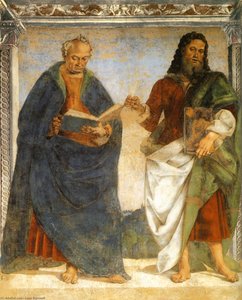
The Trinity, the Virgin and Two Saints
 Oil
Oil- WallArt
- High Renaissance
 1510
1510 272.0 x 180.0 cm
 Galleria degli Uffizi
 Leggi tutto
Giclée / Stampe d'arte
Stampa giclée o su tela di qualità museale, con produzione rapida e diverse opzioni di finitura. ( Ordina la riproduzione dipinta a mano Passa all'immagine digitale)




P118B $10

P118H $10

P118W $10

P438Z $10

P508JH $12

P508YH $12

P805H $10

P805Z $10

P919BZ $10

P919G $10

P919XJ $10

P959ZH $10

P968JZ $12

W106C $8

W218G $10

W218JH $8

W218Y $10

W307PJ $10

W316G $10

W316PJ $8

W316Y $10

W398PJ $8

W4111J $10

W500HY $15

W500JH $15

W692G $12

W849H $8

W940BG $15

W953PJ $8




Scegli tra le nostre dimensioni predefinite, che rispettano le proporzioni originali dell'opera d'arte.

È possibile inserire dimensioni personalizzate per adattare l'opera a una cornice o a uno spazio specifico. Se la dimensione selezionata non corrisponde alle proporzioni dell'immagine originale, procederemo al ritaglio dell'opera o all'estensione dell'immagine con un bordo specchiato o a tinta unita. Un mockup digitale ti verrà inviato per approvazione prima dell'inizio della produzione.
Si prega di notare che l'anteprima a schermo non riflette il ritaglio o l'estensione effettivi. Solo il mockup mostrerà accuratamente la composizione finale.
Sebbene siano disponibili dimensioni personalizzate, si raccomanda di selezionare una dimensione dall'elenco predefinito per preservare le proporzioni originali.
Consegna in tutto il mondo () in 2 settimane invece delle normali 4/5 settimane. (27 Settembre)

Spedizione espressa gratuita in tutto il mondo

Tela in lino di alta qualità

Assicurazione completa sulla spedizione

Garanzia di rimborso dei dazi doganali

Garanzia di perfetta fedeltà cromatica

Politica di reso entro 100 giorni (solo per difetti di fabbricazione)

Garanzia di rimborso al 100%

Sconto per acquisti multipli
 L'opzione vetro è disponibile solo per dimensioni inferiori a 110 cm

The Trinity, the Virgin and Two Saints
Giclée / Stampe d'arte
Dimensioni della riproduzione
-


Prezzo totale
$ 80
Luca Signorelli’s Divine Embrace: A Study in Florentine High Renaissance
Luca Signorelli's “The Trinity, the Virgin and Two Saints,” painted around 1510, is more than just a religious depiction; it’s a profound meditation on faith, grace, and the intricate relationships within the Christian narrative. Born in Cortona, Italy, in 1450, Signorelli was a master of draftsmanship and foreshortening – techniques he employed here to create an astonishingly dynamic and deeply layered composition. The painting immediately draws the eye to the central figure: the Virgin Mary, rendered with a serene dignity that speaks volumes about her role as both mother and mediator between humanity and divinity. Her pose is deliberately balanced, reflecting the harmonious order of the universe she embodies, while the subtle folds of her garments hint at the earthly reality from which she emerges.
The scene unfolds within a carefully constructed architectural space, reminiscent of Florentine High Renaissance ideals. The backdrop isn’t merely decorative; it establishes a sense of depth and perspective, guiding the viewer's eye through the complex arrangement of figures. Notice the deliberate use of light – a soft, diffused illumination that highlights key elements while leaving others in shadow, creating an atmosphere of contemplative solemnity. Signorelli wasn’t simply illustrating a biblical story; he was crafting a visual theology, inviting viewers to contemplate the mysteries of faith and salvation.
The Trinity: A Symbol of Divine Unity
At the heart of the composition lies the depiction of the Holy Trinity – Father, Son, and Holy Spirit. Signorelli masterfully avoids overt symbolism, instead conveying this complex theological concept through a carefully orchestrated visual dialogue. The central figure, often interpreted as Christ, is flanked by the Archangels Michael and Gabriel, representing divine judgment and grace respectively. The arrangement isn’t haphazard; it's meticulously planned to create a sense of balance and harmony, reflecting the fundamental unity of God. The subtle gestures and expressions of these figures – Michael’s outstretched hand and Gabriel’s serene countenance – communicate profound spiritual truths without resorting to explicit iconography.
The inclusion of Saint Augustine and Saint Athanasius adds another layer of intellectual depth to the scene. These prominent theologians, representing reason and faith, underscore the importance of both intellect and spirituality in understanding God's will. Their placement alongside the central figures highlights the interconnectedness of divine revelation and human understanding.
Technique and Artistic Innovation
Signorelli’s technical skill is immediately apparent in the painting’s remarkably detailed rendering. He employed a technique known as *sfumato*, subtly blurring lines and edges to create an atmospheric effect, particularly noticeable in the drapery and the background architecture. This creates a sense of softness and depth, drawing the viewer into the scene. His mastery of foreshortening is equally impressive – evidenced by the figures on the left side of the painting, which appear to recede dramatically into space, creating a powerful illusion of three-dimensionality.
The color palette is restrained yet sophisticated, dominated by earthy tones—ochres, browns, and deep blues—that evoke a sense of solemnity and reverence. However, Signorelli also incorporates touches of vibrant color – particularly in the robes of the saints – to draw attention to key figures and enhance the overall visual impact. The painting’s surface is rich with texture, achieved through meticulous layering of paint and subtle variations in brushstroke.
A Legacy of Renaissance Beauty
“The Trinity, the Virgin and Two Saints” stands as a testament to Luca Signorelli's artistic genius and his deep understanding of religious iconography. It’s a painting that rewards careful study, revealing new layers of meaning with each viewing. The work was originally commissioned for pilgrims in Cortona, reflecting the artist’s connection to his community and his desire to inspire faith and devotion. Today, it resides in the Uffizi Gallery in Florence, where it continues to captivate viewers with its beauty, complexity, and profound spiritual message. A high-quality reproduction offers a remarkable opportunity to experience this masterpiece firsthand, bringing its timeless elegance and intellectual depth into your home or studio.
Biografia dell'artista
La Vita e la Formazione di Luca Signorelli
Luca d’Egidio di Ventura, meglio conosciuto come Luca da Cortona, nacque intorno al 1450 a Cortona, in Toscana. La data precisa della sua nascita è incerta, ma si stima che fosse tra il 1441 e il 1445. Signorelli fu noto per la sua eccezionale abilità come disegnatore e per l'uso innovativo del chiaroscuro e della prospettiva. Le sue prime influenze artistiche sembrano aver avuto origine a Perugia, dove fu influenzato dagli stili di artisti come Benedetto Bonfigli, Fiorenzo di Lorenzo e Pinturicchio. Secondo Giorgio Vasari, Signorelli fu apprendista di Piero della Francesca grazie al suo zio materno, Lazzaro Vasari.La Carriera Artistica e le Opere Principali
Signorelli dimostrò presto il suo talento, lavorando ad Arezzo nel 1472 e a Città di Castello nel 1474. Una delle sue opere più significative è la "Scuola di Pan", presentata a Lorenzo de' Medici. Questo dipinto evidenzia la sua capacità di rappresentare la figura umana in modo realistico, con un uso magistrale del chiaroscuro e della prospettiva lineare. Tra le sue opere principali si annoverano:- Il Giudizio Universale (1499-1503), nella cattedrale di Orvieto – considerata la sua opera maestra, questa vasta serie di affreschi illustra l'Apocalisse e il Giudizio Universale.
- Polittico di Sant’Eligio (1507), Museo Civico, Pienza - un esempio significativo del suo stile maturo.
- Affreschi nel Monastero di Monte Oliveto Maggiore a Siena – dimostrano la sua versatilità e capacità di affrontare temi complessi.
Influenze e Sviluppo Stilistico
Lo stile di Signorelli fu influenzato da diversi artisti, tra cui Piero della Francesca, che gli trasmise una solida base nella rappresentazione dello spazio e delle forme. Tuttavia, Signorelli sviluppò un linguaggio artistico personale, caratterizzato da figure monumentali, pose dinamiche e un'attenzione particolare all'anatomia umana. La sua capacità di creare figure nude realistiche e espressive lo rese uno dei pittori più importanti del Rinascimento italiano. L’influenza di artisti fiorentini come Verrocchio e Pollaiuolo è evidente nella sua attenzione ai dettagli anatomici e nella resa plastica delle figure.Significato Storico e Eredità
Luca Signorelli occupa un posto importante nella storia dell'arte italiana, in particolare nel contesto del Rinascimento maturo. La sua opera ha influenzato numerosi artisti successivi, tra cui Michelangelo, che ammirava la sua capacità di rappresentare la figura umana con tale realismo e potenza espressiva. I suoi affreschi a Orvieto sono considerati un capolavoro assoluto dell'arte italiana e testimoniano il suo genio creativo e la sua maestria tecnica. Signorelli morì nel 1523 nella sua città natale, lasciando dietro di sé un’eredità artistica duratura che continua ad affascinare e ispirare gli appassionati d'arte di tutto il mondo.
Luca Signorelli
1450 - 1523 , Italia
Informazioni rapide
- Artisti Influenti:
- Piero della Francesca
- Fiorenzo di Lorenzo
- Pinturicchio
- Data Di Morte: 1523
- Data Di Nascita: circa 1450
- Influenze Artistiche: ['Michelangelo']
- Luogo Di Nascita: Cortona, Italia
- Movimento Artistico: Rinascimento italiano
- Nazionalità: Italiana
- Nome Completo: Luca Signorelli
- Opere Notevoli:
- Il Giudizio Universale
- Polittico di Sant'Egidio
- Scuola di Pan
Articoli correlati

Divine Grace: An Art Historian's Journey Through Iconic Masterpieces of the Virgin Mary
Explore the profound beauty of Marian iconography through an art historian's lens. Discover iconic masterpieces by Raphael and Renaissance masters, celebrating the divine grace and timeless elegance of the Virgin Mary in classical fine art.
Divine Grace: A Journey Through the Most Iconic Depictions of the Virgin Mary in Art History
Embark on a profound journey through art history with our exploration of the most iconic depictions of the Virgin Mary. Discover the divine grace, symbolism, and masterful techniques found in Renaissance masterpieces and sacred iconography.

Luca Signorelli: Innovazione Rinascimentale e Prefigurazioni Drammatiche dell'Espressione Artistica Moderna
Esplora la vita e le opere di Luca Signorelli, maestro del Rinascimento italiano. Analisi approfondita degli affreschi nella Cappella Sistina e a Monteoliveto Maggiore. Scopri l'innovazione artistica e l'impatto duraturo di questo pittore fiorentino.
Jacob Maris: Il Maestro del Realismo Atmosferico e dell'Intimo Paesaggio Olandese
Scopri Jacob Maris, il maestro del realismo atmosferico olandese e figura chiave della Scuola dell'Aia. Approfondisci la sua vita, le opere iconiche e l'influenza sulla pittura paesaggistica del XIX secolo.
Fra Angelico: I 25 Capolavori dell'Arte Rinascimentale per la Tua Casa | OriginalUniqueArt
Esplora i 25 capolavori di Fra Angelico, il pittore rinascimentale dell'Annunciazione e della pittura sacra. Scopri la storia, le tecniche e l'arte religiosa che rendono uniche queste opere. Riproduzioni artistiche su OriginalUniqueArt.com!