Anteprima in scala reale
 Invia
Invia Condividi
 Dettagli opera
 Guida
Guida

 Scarica
 Simili
 Radiografia
 Slideshow
 Domande e risposte
 Statistiche
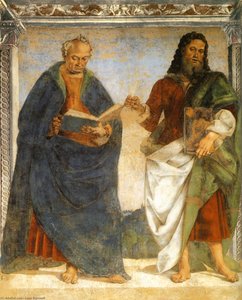
Four Demons with a Book

- 335.0 x 284.0 cm


 Espandi i dettagli
Giclée / Stampe d'arte
Stampa giclée o su tela di qualità museale, con produzione rapida e diverse opzioni di finitura. ( Acquista il dipinto realizzato a mano Passa all'immagine digitale)




P118B €10

P118H €10

P118W €10

P438Z €10

P508JH €12

P508YH €12

P805H €10

P805Z €10

P919BZ €10

P919G €10

P919XJ €10

P959ZH €10

P968JZ €12

W106C €8

W218G €10

W218JH €8

W218Y €10

W307PJ €10

W316G €10

W316PJ €8

W316Y €10

W398PJ €8

W4111J €10

W500HY €15

W500JH €15

W692G €12

W849H €8

W940BG €15

W953PJ €8




Scegli tra le nostre dimensioni predefinite, che rispettano le proporzioni originali dell'opera d'arte.

Inserisci la larghezza e l'altezza desiderate, per adattarle alla tua cornice o alla tua parete. Una stampa può essere solo ritagliata, mai resa più grande dell'immagine originale; pertanto, un formato con una forma differente comporterà la perdita di una parte dell'opera. Ti invieremo un mockup digitale da approvare prima di procedere con la stampa. L'immagine mostrata in questa pagina non rappresenta il ritaglio reale — solo il mockup lo mostra.
Consegna in tutto il mondo () in 2 settimane invece delle normali 4/5 settimane. (6 Novembre)

Spedizione espressa gratuita in tutto il mondo

Tela in lino di alta qualità

Assicurazione completa sulla spedizione

Garanzia di rimborso dei dazi doganali

Garanzia di fedeltà cromatica assoluta

Politica di reso entro 100 giorni (solo per difetti di fabbricazione)

Garanzia di rimborso al 100%

Offerta per acquisti multipli
 L'opzione vetro è disponibile solo per dimensioni inferiori a 110 cm

Four Demons with a Book
Giclée / Stampe d'arte
Dimensioni riproduzione
-


Prezzo finale calcolato
€ 72
The Genesis of a Masterpiece: Luca Signorelli's Preparatory Drawing
Luca Signorelli’s “Four Demons with a Book,” a remarkably detailed preparatory study for the monumental fresco cycle adorning Orvieto Cathedral, offers a captivating glimpse into the mind of one of the High Renaissance’s most potent visual storytellers. More than just a sketch, it's a concentrated distillation of ideas, a vibrant testament to Signorelli’s meticulous draftsmanship and his profound understanding of human psychology – particularly as manifested through the unsettling interplay of demonic figures and forbidden knowledge. The drawing itself, rendered in charcoal or silverpoint on aged paper, possesses an immediate power, radiating a palpable sense of urgency and contained chaos.
The work’s genesis lies within the Cappella Nova, a space already steeped in religious narrative through earlier frescoes by Fra Angelico. Signorelli was tasked with expanding this existing framework, creating a dramatic visual representation of the Apocalypse – a subject demanding both grandeur and terrifying intimacy. This preparatory study isn't merely a preliminary sketch; it’s a crucial stage in the artist’s process, revealing his initial compositional choices, anatomical explorations, and the evolution of individual figures before they were unleashed upon the vast cathedral walls.
A Symphony of Line: Technique and Composition
Signorelli's mastery is immediately evident in the drawing’s intensely linear quality. Hatching and cross-hatching dominate, building up volume with a remarkable degree of precision and control. The figures aren’t simply outlined; they are sculpted through layers of carefully applied lines, conveying not just their physical form but also the texture of skin, clothing, and even the suggestion of demonic musculature. The limited palette – primarily shades of gray and white – amplifies this effect, creating a dramatic chiaroscuro that emphasizes the figures’ powerful presence against an implied darkness. The composition itself is deliberately claustrophobic, with the demons crowding together in a dynamic, almost violent arrangement. There's no background; the focus remains entirely on these unsettling characters and their interaction with the central object of contemplation – the book.
The drawing’s flattened perspective, characteristic of preparatory studies, lends it an immediacy and intimacy rarely found in finished works. It feels as though we are witnessing Signorelli wrestling with his ideas directly, capturing a fleeting moment of creative struggle. The subtle erasures and adjustments visible throughout the piece further underscore this sense of process, revealing the artist’s willingness to experiment and refine his vision.
Symbolism and Psychological Depth
The subject matter – four demonic figures clustered around a book – is laden with symbolic weight. Demons, traditionally representing temptation, sin, and the forces of evil, are inherently unsettling. Their muscular physiques and aggressive postures convey power and menace. The book, however, introduces an element of ambiguity. It’s not simply a symbol of knowledge; it suggests a dangerous, potentially corrupting influence – a forbidden text promising enlightenment but ultimately leading to damnation. The positioning of the demons, particularly one holding the book aloft with a look of intense concentration, hints at a struggle between intellect and faith, reason and revelation.
Signorelli’s genius lies in his ability to imbue these archetypal figures with psychological depth. The expressions on their faces – ranging from rage and suspicion to curiosity and perhaps even a hint of despair – suggest a complex internal landscape. The drawing isn't merely a depiction of demons; it’s an exploration of the human condition, confronting us with our own vulnerabilities and temptations.
A Legacy in Stone and Charcoal
“Four Demons with a Book” stands as a pivotal work in Signorelli’s oeuvre, foreshadowing the dramatic intensity and psychological complexity that would define his masterpiece at Orvieto. It's a testament to his extraordinary draftsmanship, his profound understanding of human anatomy, and his ability to translate complex theological ideas into visually arresting imagery. The drawing offers a rare opportunity to connect with the creative process of one of the Renaissance’s most influential artists, revealing the meticulous care and intellectual rigor that underpinned his monumental achievements. Reproductions of this captivating study offer a window into a world of dramatic tension, profound symbolism, and enduring artistic power.
Domande e risposte
Qual è la tonalità dominante di "Four Demons with a Book" di Luca Signorelli?
Una tonalità Green to Violet Spectrum attraversa l'opera "Four Demons with a Book" di Luca Signorelli.
Come posso scoprire opere d'arte simili a "Four Demons with a Book" di Luca Signorelli?
La pagina Opere simili di "Four Demons with a Book" di Luca Signorelli presenta opere correlate.
Quali sono i diritti di riproduzione per "Four Demons with a Book" presso il Pierpont Morgan Library?
Lo stato del copyright di "Four Demons with a Book" di Luca Signorelli è chiaro: l'opera è di pubblico dominio - il copyright è scaduto. La sua presenza presso Pierpont Morgan Library non ne cambia lo stato.
Biografia dell'artista
La Vita e la Formazione di Luca Signorelli
Luca d’Egidio di Ventura, meglio conosciuto come Luca da Cortona, nacque intorno al 1450 a Cortona, in Toscana. La data precisa della sua nascita è incerta, ma si stima che fosse tra il 1441 e il 1445. Signorelli fu noto per la sua eccezionale abilità come disegnatore e per l'uso innovativo del chiaroscuro e della prospettiva. Le sue prime influenze artistiche sembrano aver avuto origine a Perugia, dove fu influenzato dagli stili di artisti come Benedetto Bonfigli, Fiorenzo di Lorenzo e Pinturicchio. Secondo Giorgio Vasari, Signorelli fu apprendista di Piero della Francesca grazie al suo zio materno, Lazzaro Vasari.La Carriera Artistica e le Opere Principali
Signorelli dimostrò presto il suo talento, lavorando ad Arezzo nel 1472 e a Città di Castello nel 1474. Una delle sue opere più significative è la "Scuola di Pan", presentata a Lorenzo de' Medici. Questo dipinto evidenzia la sua capacità di rappresentare la figura umana in modo realistico, con un uso magistrale del chiaroscuro e della prospettiva lineare. Tra le sue opere principali si annoverano:- Il Giudizio Universale (1499-1503), nella cattedrale di Orvieto – considerata la sua opera maestra, questa vasta serie di affreschi illustra l'Apocalisse e il Giudizio Universale.
- Polittico di Sant’Eligio (1507), Museo Civico, Pienza - un esempio significativo del suo stile maturo.
- Affreschi nel Monastero di Monte Oliveto Maggiore a Siena – dimostrano la sua versatilità e capacità di affrontare temi complessi.
Influenze e Sviluppo Stilistico
Lo stile di Signorelli fu influenzato da diversi artisti, tra cui Piero della Francesca, che gli trasmise una solida base nella rappresentazione dello spazio e delle forme. Tuttavia, Signorelli sviluppò un linguaggio artistico personale, caratterizzato da figure monumentali, pose dinamiche e un'attenzione particolare all'anatomia umana. La sua capacità di creare figure nude realistiche e espressive lo rese uno dei pittori più importanti del Rinascimento italiano. L’influenza di artisti fiorentini come Verrocchio e Pollaiuolo è evidente nella sua attenzione ai dettagli anatomici e nella resa plastica delle figure.Significato Storico e Eredità
Luca Signorelli occupa un posto importante nella storia dell'arte italiana, in particolare nel contesto del Rinascimento maturo. La sua opera ha influenzato numerosi artisti successivi, tra cui Michelangelo, che ammirava la sua capacità di rappresentare la figura umana con tale realismo e potenza espressiva. I suoi affreschi a Orvieto sono considerati un capolavoro assoluto dell'arte italiana e testimoniano il suo genio creativo e la sua maestria tecnica. Signorelli morì nel 1523 nella sua città natale, lasciando dietro di sé un’eredità artistica duratura che continua ad affascinare e ispirare gli appassionati d'arte di tutto il mondo.
Luca Signorelli
1450 - 1523 , Italia
Dettagli rapidi
- Artisti Influenti:
- Piero della Francesca
- Fiorenzo di Lorenzo
- Pinturicchio
- Data Di Morte: 1523
- Data Di Nascita: circa 1450
- Influenze Artistiche: ['Michelangelo']
- Luogo Di Nascita: Cortona, Italia
- Movimento Artistico: Rinascimento italiano
- Nazionalità: Italiana
- Nome Completo: Luca Signorelli
- Opere Notevoli:
- Il Giudizio Universale
- Polittico di Sant'Egidio
- Scuola di Pan
Articoli correlati
The Nuances of Graphite: Exploring Emotional Depth & Technical Mastery in Pencil Drawing
Explore the captivating world of graphite drawing! Discover its rich history, master essential techniques like chiaroscuro, and learn how artists evoke emotion through this timeless medium. Expert insights for art enthusiasts.
The Power of Graphite: Mastering Depth, Texture, and Detail in the Art of Pencil Drawing
Explore the profound artistry of graphite drawing. Discover professional techniques for mastering depth, texture, and detail through a lens of art history, from classical sketches to modern masterpieces. Elevate your understanding of the pencil medium with our expert guide.
The Eloquent Line: Exploring the Artistic Significance of Sketches Across Movements and Media
Explore the profound artistic significance of sketches throughout history. From Renaissance masters to modern innovators like Van Gogh & Guston, discover how these foundational works reveal technique, emotion, and vision. Learn more at OriginalUniqueArt.

L'Arte del Chiaroscuro: Guida Tecnica alla Gestione di Luci e Ombre con la Grafite
Impara a dominare luci e ombre con la grafite attraverso tecniche professionali. Scopri come creare volumi reali nel tuo disegno.
Raw Energy: Why Sketch Studies are the Ultimate Urban Vibe for Your Walls
Elevate your space with the raw energy of sketch studies. Discover how the unfiltered power of charcoal, line, and gesture creates the ultimate urban vibe for modern interiors. Expert trends in contemporary wall art curation for the design-conscious professional.