Anteprima in scala reale
 Invia
Invia Condividi
 Dettagli opera
 Guida
Guida

 Scarica
 Simili
 Radiografia
 Slideshow
 Statistiche
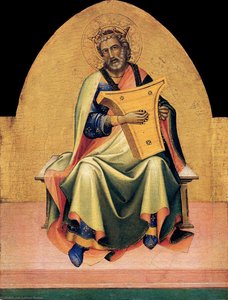
Natività
 Tempera su tavola
- Opere da parete
- Primo Rinascimento
 1390
1390- Rinascimento
 26.0 x 61.0 cm
 Staatliche Museen zu Berlin
 Espandi i dettagli
Giclée / Stampe d'arte
Stampa giclée o su tela di qualità museale, con produzione rapida e diverse opzioni di finitura. ( Acquista il dipinto realizzato a mano Passa all'immagine digitale)




P118B €10

P118H €10

P118W €10

P438Z €10

P508JH €12

P508YH €12

P805H €10

P805Z €10

P919BZ €10

P919G €10

P919XJ €10

P959ZH €10

P968JZ €12

W106C €8

W218G €10

W218JH €8

W218Y €10

W307PJ €10

W316G €10

W316PJ €8

W316Y €10

W398PJ €8

W4111J €10

W500HY €15

W500JH €15

W692G €12

W849H €8

W940BG €15

W953PJ €8




Scegli tra le nostre dimensioni predefinite, che rispettano le proporzioni originali dell'opera d'arte.

Inserisci la larghezza e l'altezza desiderate, per adattarle alla tua cornice o alla tua parete. Una stampa può essere solo ritagliata, mai resa più grande dell'immagine originale; pertanto, un formato con una forma differente comporterà la perdita di una parte dell'opera. Ti invieremo un mockup digitale da approvare prima di procedere con la stampa. L'immagine mostrata in questa pagina non rappresenta il ritaglio reale — solo il mockup lo mostra.
Consegna in tutto il mondo () in 2 settimane invece delle normali 4/5 settimane. (25 Ottobre)

Spedizione espressa gratuita in tutto il mondo

Tela in lino di alta qualità

Assicurazione completa sulla spedizione

Garanzia di rimborso dei dazi doganali

Garanzia di fedeltà cromatica assoluta

Politica di reso entro 100 giorni (solo per difetti di fabbricazione)

Garanzia di rimborso al 100%

Offerta per acquisti multipli
 L'opzione vetro è disponibile solo per dimensioni inferiori a 110 cm

Natività
Giclée / Stampe d'arte
Dimensioni riproduzione
-


Prezzo finale calcolato
€ 70
A Vision of Sacred Wonder: Lorenzo Monaco’s Nativity
In the quiet transition between the medieval world and the dawn of the Renaissance, few artists captured the intersection of divine mystery and human tenderness as poignantly as Lorenzo Monaco. His Nativity, a masterpiece conceived around 1390, serves as a luminous window into the soul of early Florentine devotion. As a monk of the Camaldolese order, Monaco did not merely paint a scene; he channeled a spiritual vision intended to anchor the faithful in the profound reality of Christ's birth. The artwork presents a sacred tableau where the ruggedness of the earth meets the ethereal light of heaven, inviting the viewer into a moment of eternal stillness.
The composition is a masterclass in balanced storytelling, utilizing a pyramidal structure that guides the eye with rhythmic grace toward the central figures of Mary and the infant Jesus. Set against a backdrop of rocky, Tuscan-inspired landscapes, the scene feels both grounded in the natural world and elevated by spiritual significance. The artist employs a sophisticated use of chiaroscuro, where dramatic contrasts between light and shadow breathe life into the folds of drapery and the weathered textures of the landscape. This interplay of light does more than define form; it creates an atmosphere of solemnity and awe, highlighting the miraculous nature of the event unfolding within the humble manger.
The Alchemy of Tempera and Symbolism
To behold this work is to witness the delicate alchemy of the tempera technique. Monaco utilized thin, meticulous layers of pigment mixed with egg yolk, a process that allows light to penetrate the surface and reflect back from within the wood panel. This creates a characteristic luminosity, making the warm earth tones—ochres, deep browns, and burnished golds—glow with an inner warmth. The subtle infusion of blue in Mary’s robes provides a celestial counterpoint to the terrestrial palette, symbolizing her purity and her unique role as the vessel of the divine. Every brushstroke is a testament to the patience of the monastic tradition, where art was an extension of prayer.
Beyond its technical brilliance, the painting is rich with symbolic resonance that speaks to the heart of any collector or admirer of sacred art. The presence of the animals, such as the donkey, serves as a quiet reminder of humility and the innocence of creation, while the geometric precision of the landscape reflects the burgeoning humanist interest in order and natural observation. For the interior designer or art enthusiast, this piece offers more than mere decoration; it provides a focal point of profound emotional depth. It evokes a sense of peace, reverence, and timelessness, making it an exquisite addition to spaces designed for contemplation, reflection, and the celebration of classical beauty.
Domande e risposte
In che modo "Natività" di Lorenzo Monaco lega Primo Rinascimento al paese d'origine dell'artista?
L'opera Primo Rinascimento "Natività" è stata realizzata da un artista nato in Italia.
In che modo tecnica e movimento si fondono in "Natività"?
"Natività" è realizzata in Tempera su tavola, nello stile Primo Rinascimento.
Quale collocazione si adatta meglio al formato di "Natività" di Lorenzo Monaco?
Con il suo formato Panoramico, una riproduzione di "Natività" è ideale per un Zona giorno.
Biografia dell'artista
Primi Anni e Formazione
- Nato: Siena, Italia (c. 1370)
- Morto: c. 1425
- Poco si sa della sua vita giovanile se non che fu apprendista a Firenze.
- Fu influenzato dalle opere di Giotto e dei suoi seguaci, Spinello Aretino e Agnolo Gaddi. Questa esposizione plasmò il suo sviluppo artistico.
Carriera Artistica e Stile
- Nel 1390, Lorenzo entrò nel monastero camaldolese di Santa Maria degli Angeli, diventando noto come "Lawrence il Monaco".
- Le sue prime opere (anni '90 del XIV secolo) mostrano una forte influenza dello stile gotico internazionale, insieme a influenze da Lorenzo Ghiberti e Gherardo Starnina.
- Lo stile di Monaco è caratterizzato da:
- Linearismo teso
- Una gamma cromatica fredda inizialmente
- Successivamente, un'adozione di elementi gotici internazionali
- Figure allungate con drappeggi sinuosi
- Spigoli vivi e colori brillanti (oro e lapislazzuli)
- Gesti accennati e un senso dello spazio minimizzato
- Ha costantemente raffigurato immagini con forte valore spirituale, spesso distaccate dal realismo.
Opere Principali
- Pietà: Ospitata nella Galleria dell'Accademia di Firenze – Dimostra linea nervosa e tensione emotiva.
- Coronazione della Vergine: Ora agli Uffizi – Presenta un gran numero di santi con forme sinuose e colori brillanti.
- Polittico di Monteoliveto: Nella Galleria dell'Accademia – Espone una spiritualità che preannuncia Fra Angelico.
- Adorazione dei Magi (1420-1422): Gli scorci prospettici appaiono surreali a causa dell'assenza di prospettiva geometrica, ma mantiene un'elevata qualità pittorica.
- Storie della Vergine nella Cappella Bartolini Salimbeni: Uno dei suoi pochi affreschi.
Influenze e Eredità
- L'opera di Monaco fu influenzata da Giotto, Spinello Aretino, Agnolo Gaddi, Lorenzo Ghiberti e Gherardo Starnina.
- Rimase in gran parte indifferente alle innovazioni di Masaccio e Filippo Brunelleschi, mantenendo il suo stile distintivo.
- Giorgio Vasari incluse una biografia di Monaco nei suoi "Vite", notando la sua morte per un'infezione non identificata.
- Nonostante le limitate informazioni biografiche, i contributi di Lorenzo Monaco alla pittura tardo gotica-prerenaissance sono significativi. La sua miscela unica di stili e il suo focus spirituale hanno lasciato un impatto duraturo sugli artisti successivi.
Significato Storico
- Considerato l'ultimo importante esponente dello stile di Giotto prima della rivoluzione rinascimentale.
- Ha colmato il divario tra le tradizioni tardo gotiche e i principi artistici emergenti del Rinascimento.
- La sua enfasi sulla spiritualità e sulle forme stilizzate rappresenta un'estetica distinta nella pittura fiorentina.

Lorenzo Monaco
1370 - 1425 , Italia
Dettagli rapidi
- Artistic Movement Or Style: Gotico tardo-Rinascimento
- Artists Or Movements Influenced By This Artist:
- Masaccio
- Brunelleschi
- Artists Who Influenced This Artist:
- Giotto
- Spinello Aretino
- Agnolo Gaddi
- Date Of Birth: c. 1370
- Date Of Death: c. 1425
- Full Name: Lorenzo Monaco
- Nationality: Italiana
- Notable Artworks:
- Pietà
- Coronatione della Vergine
- Adorazione dei Magi
- Place Of Birth: Siena, Italia
Articoli correlati
Mastering the Surface: A Historical and Technical Guide to the Art of Oil on Panel Painting
Explore the profound history and technical brilliance of oil on panel painting. From Renaissance masters to modern techniques, discover why this rigid support offers unparalleled precision and permanence for fine art lovers and collectors.

The Enduring Legacy of Oil on Canvas: Technique, History & Aesthetic Impact
Explore the rich history & techniques of oil painting – from Renaissance masters to Impressionism. Discover pigments, layering methods, and why this timeless medium endures. Expert insights for artists & art enthusiasts.

Oil on Board: A Historical Survey of Technique, Aesthetic Qualities & Enduring Appeal
Explore the rich history of oil on board painting! Discover techniques, aesthetic qualities & enduring appeal from early masters to modern practice. Expert insights for collectors and art enthusiasts.

Oil on Canvas: A Historical & Technical Exploration of a Timeless Artistic Medium
Explore the rich history & enduring techniques of oil painting on canvas. Discover the science behind its longevity, conservation practices, and contemporary relevance. Expert insights for art enthusiasts.

The Enduring Power of Painting: A Historical & Contemporary Exploration of Form and Emotion
Explore the rich history & enduring techniques of oil painting with OriginalUniqueArt. Discover masterpieces, learn about art collecting, and find authentic handmade reproductions crafted by skilled artists.