Anteprima in scala reale
 Condividi
 Condividi
 Dettagli
 Guida stampabile

 Scarica
 Articoli simili
 Radiografia
 Slideshow
 Statistiche
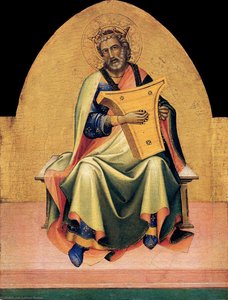
Crucifixion
 Acrilico su tela
- Opere da parete
- Renaissance Humanism
 1405
1405 50.0 x 27.0 cm
 Galleria dell’Accademia di Firenze
 Leggi tutto
Riproduzione a olio fatta a mano
Olio su tela dipinto a mano nelle tue dimensioni e con la tua cornice, realizzato su ordinazione dai nostri artisti. ( Passa alle stampe Passa all'immagine digitale)




P118B €10

P118H €10

P118W €10

P438Z €10

P508JH €12

P508YH €12

P805H €10

P805Z €10

P919BZ €10

P919G €10

P919XJ €10

P959ZH €10

P968JZ €12

W106C €8

W218G €10

W218JH €8

W218Y €10

W307PJ €10

W316G €10

W316PJ €8

W316Y €10

W398PJ €8

W4111J €10

W500HY €15

W500JH €15

W692G €12

W849H €8

W940BG €15

W953PJ €8




Scegli tra le nostre dimensioni predefinite, che rispettano le proporzioni originali dell'opera d'arte.

Type the width and the height you need, to fit your frame or your wall. This is hand-painted, so for a size with a different shape the artist can paint a bit more around the picture, or cut a bit — you choose. We send you a digital mockup to approve before the painting starts. The picture shown on this page does not show the real result — only the mockup does.
Dopo l'ordine, il team di OriginalUniqueArt.com contatterà il cliente via e-mail per ricevere le istruzioni e fornirà un'anteprima del mockup
Consegna in tutto il mondo () in 3/4 settimane anziché nelle normali 5 settimane. (14 Ottobre). Nessun compromesso sulla qualità.

Spedizione espressa gratuita in tutto il mondo

Tela in lino di alta qualità

Assicurazione completa sulla spedizione

Garanzia di rimborso dei dazi doganali

Garanzia di perfetta fedeltà cromatica

Politica di reso entro 100 giorni (solo per difetti di fabbricazione)

Garanzia di rimborso al 100%

Sconto per acquisti multipli
 L'opzione vetro è disponibile solo per dimensioni inferiori a 110 cm

Crucifixion
Tecnica di riproduzione
Dimensioni della riproduzione
-


Prezzo totale
€ 260
The Soul of Sorrow: Analyzing Lorenzo Monaco’s Crucifixion
Lorenzo Monaco's Crucifixion stands as a cornerstone of Quattrocento Florentine art—a testament not merely to artistic skill but to profound spiritual contemplation. Painted circa 1405, this monumental panel transcends mere depiction; it strives to convey the agonizing beauty inherent in Christ’s suffering and serves as an enduring emblem of Christian faith. Examining its stylistic choices, technical execution, and historical resonance illuminates Monaco's masterful grasp of both humanist ideals and medieval devotional traditions.- Style: Monaco’s Crucifixion embodies a refined Gothic sensibility tempered by nascent Renaissance principles. While retaining the solemn grandeur characteristic of his predecessors—particularly Giotto—the painting exhibits an unprecedented level of naturalism, evident in the subtly rendered musculature of Christ and the expressive drapery that clings to his body. This careful attention to anatomical detail distinguishes it from earlier depictions where Christ was often stylized as a symbolic figure rather than a human being experiencing palpable pain.
- Technique: Monaco employed tempera on panel—a technique favored by Florentine artists of the period—renowned for its luminosity and durability. The pigment binders, derived from egg yolk, achieved astonishing brilliance through meticulous layering and glazing, capturing the ethereal quality of divine light that permeates the scene. Furthermore, Monaco’s masterful use of chiaroscuro—the dramatic interplay between light and shadow—intensifies the emotional impact of the composition, emphasizing Christ's vulnerability against a backdrop of solemn majesty.
Historical Context: Bridging Gothic Legacy & Renaissance Awakening
Symbolism: Echoes of Medieval Devotion & Humanist Insight
Emotional Impact: Capturing Agony & Reverence
This painting exemplifies the Renaissance’s quest for artistic excellence while honoring medieval spiritual traditions. It is a remarkable achievement of tempera technique, demonstrating Monaco's profound understanding of human anatomy and emotion.
Domande e risposte
Posso usare la realtà aumentata per vedere "Crucifixion" di Lorenzo Monaco nella mia stanza?
La pagina Anteprima AR di "Crucifixion" di Lorenzo Monaco utilizza la realtà aumentata per mostrare l'opera d'arte nel tuo spazio, tramite un dispositivo compatibile.
L'opera "Crucifixion" è complessivamente più luminosa o più scura?
"Crucifixion" ha una luminosità complessiva di bright, con una luminanza pari a Gentle Luminance.
Dove posso acquistare una riproduzione dipinta a mano di "Crucifixion" di Lorenzo Monaco?
Hand-painted copies of "Crucifixion" di Lorenzo Monaco are sold on questo sito: una riproduzione a olio dipinta a mano su tela di lino, ordered from its Hand-Painted Reproduction page.
Biografia dell'artista
Primi Anni e Formazione
- Nato: Siena, Italia (c. 1370)
- Morto: c. 1425
- Poco si sa della sua vita giovanile se non che fu apprendista a Firenze.
- Fu influenzato dalle opere di Giotto e dei suoi seguaci, Spinello Aretino e Agnolo Gaddi. Questa esposizione plasmò il suo sviluppo artistico.
Carriera Artistica e Stile
- Nel 1390, Lorenzo entrò nel monastero camaldolese di Santa Maria degli Angeli, diventando noto come "Lawrence il Monaco".
- Le sue prime opere (anni '90 del XIV secolo) mostrano una forte influenza dello stile gotico internazionale, insieme a influenze da Lorenzo Ghiberti e Gherardo Starnina.
- Lo stile di Monaco è caratterizzato da:
- Linearismo teso
- Una gamma cromatica fredda inizialmente
- Successivamente, un'adozione di elementi gotici internazionali
- Figure allungate con drappeggi sinuosi
- Spigoli vivi e colori brillanti (oro e lapislazzuli)
- Gesti accennati e un senso dello spazio minimizzato
- Ha costantemente raffigurato immagini con forte valore spirituale, spesso distaccate dal realismo.
Opere Principali
- Pietà: Ospitata nella Galleria dell'Accademia di Firenze – Dimostra linea nervosa e tensione emotiva.
- Coronazione della Vergine: Ora agli Uffizi – Presenta un gran numero di santi con forme sinuose e colori brillanti.
- Polittico di Monteoliveto: Nella Galleria dell'Accademia – Espone una spiritualità che preannuncia Fra Angelico.
- Adorazione dei Magi (1420-1422): Gli scorci prospettici appaiono surreali a causa dell'assenza di prospettiva geometrica, ma mantiene un'elevata qualità pittorica.
- Storie della Vergine nella Cappella Bartolini Salimbeni: Uno dei suoi pochi affreschi.
Influenze e Eredità
- L'opera di Monaco fu influenzata da Giotto, Spinello Aretino, Agnolo Gaddi, Lorenzo Ghiberti e Gherardo Starnina.
- Rimase in gran parte indifferente alle innovazioni di Masaccio e Filippo Brunelleschi, mantenendo il suo stile distintivo.
- Giorgio Vasari incluse una biografia di Monaco nei suoi "Vite", notando la sua morte per un'infezione non identificata.
- Nonostante le limitate informazioni biografiche, i contributi di Lorenzo Monaco alla pittura tardo gotica-prerenaissance sono significativi. La sua miscela unica di stili e il suo focus spirituale hanno lasciato un impatto duraturo sugli artisti successivi.
Significato Storico
- Considerato l'ultimo importante esponente dello stile di Giotto prima della rivoluzione rinascimentale.
- Ha colmato il divario tra le tradizioni tardo gotiche e i principi artistici emergenti del Rinascimento.
- La sua enfasi sulla spiritualità e sulle forme stilizzate rappresenta un'estetica distinta nella pittura fiorentina.

Lorenzo Monaco
1370 - 1425 , Italia
Informazioni rapide
- Artistic Movement Or Style: Gotico tardo-Rinascimento
- Artists Or Movements Influenced By This Artist:
- Masaccio
- Brunelleschi
- Artists Who Influenced This Artist:
- Giotto
- Spinello Aretino
- Agnolo Gaddi
- Date Of Birth: c. 1370
- Date Of Death: c. 1425
- Full Name: Lorenzo Monaco
- Nationality: Italiana
- Notable Artworks:
- Pietà
- Coronatione della Vergine
- Adorazione dei Magi
- Place Of Birth: Siena, Italia
Articoli correlati

Sacred Narratives Embodied: A Comprehensive Exploration of Religious Iconography in Art History
Explore the rich history of religious iconography in art! Discover symbolism, movements & masterpieces from Byzantine to Renaissance periods. Expert insights for collectors and enthusiasts at OriginalUniqueArt.
Gothic Art Unveiled: The Dark Beauty and Drama of a Timeless Era
Embark on a journey through the dramatic era of Gothic art. Discover the profound beauty of illuminated manuscripts, sacred gold leaf masterpieces, and the transition to naturalism in this expert-led exploration of medieval artistry and historical grandeur.
The Radiant Dusk of Medieval Vision: Exploring Late Gothic Art's Synthesis of Faith, Form & Emotionality (c. 1300-1500)
Explore the exquisite beauty & spiritual depth of Late Gothic art (c. 1300-1500). Discover key artists, symbolism, and its lasting influence on the Renaissance. Expert insights at OriginalUniqueArt.
Shadows & Splendor: A Journey Through the Soul of Gothic Art and Architectural Grandeur
Embark on a profound journey through the spiritual intensity of Gothic art. Explore the architectural marvels, luminous stained glass, and sacred sculptures that define this era of grandeur and human devotion.

Gothic Vibes: From Dark Shadows to Bold Modern Edge | The Ultimate Trend Forecast
Explore the evolution of Gothic vibes, from historical shadows to bold modern edge. Discover how dark aesthetics, noir interiors, and contemporary subcultures are redefining modern design through a high-impact, trend-focused lens.