Anteprima in scala reale
 Condividi
 Condividi
 Dettagli

 Scarica
 Articoli simili
 Radiografia
 Slideshow
 Statistiche
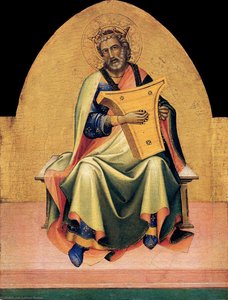
Croce Processionale
 Tempera su tavola
- Opere da parete
- Arte del Tardo Medioevo
 1392
1392- Tardo Medioevo
 57.0 x 28.0 cm
 Art Institute of Chicago
 Leggi tutto
Riproduzione a olio fatta a mano
Olio su tela dipinto a mano nelle tue dimensioni e con la tua cornice, realizzato su ordinazione dai nostri artisti. ( Passa alle stampe Passa all'immagine digitale)




P118B $10

P118H $10

P118W $10

P438Z $10

P508JH $12

P508YH $12

P805H $10

P805Z $10

P919BZ $10

P919G $10

P919XJ $10

P959ZH $10

P968JZ $12

W106C $8

W218G $10

W218JH $8

W218Y $10

W307PJ $10

W316G $10

W316PJ $8

W316Y $10

W398PJ $8

W4111J $10

W500HY $15

W500JH $15

W692G $12

W849H $8

W940BG $15

W953PJ $8




Scegli tra le nostre dimensioni predefinite, che rispettano le proporzioni originali dell'opera d'arte.

È possibile inserire dimensioni personalizzate per adattare l'opera a una cornice o a uno spazio specifico. Se la dimensione selezionata non corrisponde alle proporzioni dell'immagine originale, provvederemo a ritagliare l'opera o a estendere il dipinto con elementi aggiuntivi dipinti a mano. Un mockup digitale ti sarà inviato per approvazione prima dell'inizio della produzione.
Si prega di notare che l'anteprima a schermo non riflette il ritaglio o l'estensione effettivi. Solo il mockup mostrerà accuratamente la composizione finale.
Sebbene siano disponibili dimensioni personalizzate, consigliamo di selezionare una dimensione dall'elenco predefinito per preservare le proporzioni originali.
Dopo l'ordine, il team di OriginalUniqueArt.com contatterà il cliente via e-mail per ricevere le istruzioni e fornirà un'anteprima del mockup
Consegna in tutto il mondo () in 3/4 settimane anziché nelle normali 5 settimane. (12 Settembre). Nessun compromesso sulla qualità.

Spedizione espressa gratuita in tutto il mondo

Tela in lino di alta qualità

Assicurazione completa sulla spedizione

Garanzia di rimborso dei dazi doganali

Garanzia di perfetta fedeltà cromatica

Politica di reso entro 100 giorni (solo per difetti di fabbricazione)

Garanzia di rimborso al 100%

Sconto per acquisti multipli
 L'opzione vetro è disponibile solo per dimensioni inferiori a 110 cm

Croce Processionale
Tecnica di riproduzione
Dimensioni della riproduzione
-


Prezzo totale
$ 350
A Divine Radiance: The Spiritual Majesty of Lorenzo Monaco
In the quiet transition between the late Middle Ages and the dawn of the Renaissance, few works capture the ethereal tension of faith as poignantly as Lorenzo Monaco’s Processional Cross. Created in 1392, this exquisite tempera panel is far more than a mere religious artifact; it is a window into a world where the boundaries between the earthly and the divine were intentionally blurred through light and gold. As one gazes upon the central figure of Christ, the viewer is immediately enveloped by a shimmering, celestial atmosphere. The painting serves as a profound emblem of late medieval Italian devotion, acting as a bridge between the structured narrative traditions of Giotto and the burgeoning emotional complexity that would soon define the Quattrocento.
The composition is a masterclass in sacred geometry, where the verticality of the cross directs the soul upward. Monaco utilizes a sophisticated interplay of rectangles, triangles, and soft curves to guide the eye through a landscape of profound sorrow and divine hope. Below the crucified Christ, figures of mourning—including a woman draped in a rich, crimson robe—anchor the scene in human empathy, while an ascending angel offers a heavenly benediction from above. This careful arrangement ensures that the viewer does not merely observe the Crucifixion but participates in its liturgical rhythm, much like the faithful who would have once carried this very panel through the hallowed aisles of a cathedral during solemn processions.
The Alchemy of Gold and Tempera
To behold this masterpiece is to witness the pinnacle of fresco secco and gilding techniques. Monaco’s use of gold leaf is nothing short of transformative; it does not merely decorate the background but creates a luminous, infinite space that defies the flatness of the wooden panel. This heavy application of gold catches the light with every movement, simulating a divine presence that fluctuates between shadow and brilliance. The technique of tempera allows for an incredible precision in detail, seen in the delicate drapery folds and the meticulous rendering of facial expressions that convey a spectrum of grief and grace.
For the discerning collector or interior designer, the texture of this work offers unparalleled tactile richness. The layering of pigments over gold creates a sense of depth and sculptural weight, making the artwork feel alive within its frame. The interplay of light on the gilded surfaces provides a sophisticated focal point that can anchor a room with an air of historical grandeur and contemplative stillness. It is a piece that demands attention not through loud colors, but through a quiet, commanding elegance that speaks to the enduring power of classical craftsmanship.
A Legacy of Devotion and Design
Beyond its aesthetic brilliance, the Processional Cross carries a heavy symbolic weight. Every element—from the rocky outcrops of the stylized landscape to the symbolic presence of the angel—is a verse in a visual hymn of redemption. The cross itself stands as the ultimate symbol of sacrifice, yet the surrounding ornamentation and the radiant background suggest that death is not an end, but a transition into light. This duality makes the piece an incredibly versatile inspiration for those looking to infuse their spaces with themes of resilience, peace, and timelessness.
Owning a high-quality reproduction of such a significant work allows one to bring this piece of Florentine history into a modern context. Whether placed in a curated gallery setting or as a centerpiece in a thoughtfully designed study, the Processional Cross offers a sense of continuity with the masters of the past. It remains a testament to Lorenzo Monaco’s unique ability to marry the monastic discipline of his life as a Camaldolese monk with an unparalleled artistic vision, creating a work that continues to inspire awe and reverence centuries after its creation.
Biografia dell'artista
Primi Anni e Formazione
- Nato: Siena, Italia (c. 1370)
- Morto: c. 1425
- Poco si sa della sua vita giovanile se non che fu apprendista a Firenze.
- Fu influenzato dalle opere di Giotto e dei suoi seguaci, Spinello Aretino e Agnolo Gaddi. Questa esposizione plasmò il suo sviluppo artistico.
Carriera Artistica e Stile
- Nel 1390, Lorenzo entrò nel monastero camaldolese di Santa Maria degli Angeli, diventando noto come "Lawrence il Monaco".
- Le sue prime opere (anni '90 del XIV secolo) mostrano una forte influenza dello stile gotico internazionale, insieme a influenze da Lorenzo Ghiberti e Gherardo Starnina.
- Lo stile di Monaco è caratterizzato da:
- Linearismo teso
- Una gamma cromatica fredda inizialmente
- Successivamente, un'adozione di elementi gotici internazionali
- Figure allungate con drappeggi sinuosi
- Spigoli vivi e colori brillanti (oro e lapislazzuli)
- Gesti accennati e un senso dello spazio minimizzato
- Ha costantemente raffigurato immagini con forte valore spirituale, spesso distaccate dal realismo.
Opere Principali
- Pietà: Ospitata nella Galleria dell'Accademia di Firenze – Dimostra linea nervosa e tensione emotiva.
- Coronazione della Vergine: Ora agli Uffizi – Presenta un gran numero di santi con forme sinuose e colori brillanti.
- Polittico di Monteoliveto: Nella Galleria dell'Accademia – Espone una spiritualità che preannuncia Fra Angelico.
- Adorazione dei Magi (1420-1422): Gli scorci prospettici appaiono surreali a causa dell'assenza di prospettiva geometrica, ma mantiene un'elevata qualità pittorica.
- Storie della Vergine nella Cappella Bartolini Salimbeni: Uno dei suoi pochi affreschi.
Influenze e Eredità
- L'opera di Monaco fu influenzata da Giotto, Spinello Aretino, Agnolo Gaddi, Lorenzo Ghiberti e Gherardo Starnina.
- Rimase in gran parte indifferente alle innovazioni di Masaccio e Filippo Brunelleschi, mantenendo il suo stile distintivo.
- Giorgio Vasari incluse una biografia di Monaco nei suoi "Vite", notando la sua morte per un'infezione non identificata.
- Nonostante le limitate informazioni biografiche, i contributi di Lorenzo Monaco alla pittura tardo gotica-prerenaissance sono significativi. La sua miscela unica di stili e il suo focus spirituale hanno lasciato un impatto duraturo sugli artisti successivi.
Significato Storico
- Considerato l'ultimo importante esponente dello stile di Giotto prima della rivoluzione rinascimentale.
- Ha colmato il divario tra le tradizioni tardo gotiche e i principi artistici emergenti del Rinascimento.
- La sua enfasi sulla spiritualità e sulle forme stilizzate rappresenta un'estetica distinta nella pittura fiorentina.

Lorenzo Monaco
1370 - 1425 , Italia
Informazioni rapide
- Artistic Movement Or Style: Gotico tardo-Rinascimento
- Artists Or Movements Influenced By This Artist:
- Masaccio
- Brunelleschi
- Artists Who Influenced This Artist:
- Giotto
- Spinello Aretino
- Agnolo Gaddi
- Date Of Birth: c. 1370
- Date Of Death: c. 1425
- Full Name: Lorenzo Monaco
- Nationality: Italiana
- Notable Artworks:
- Pietà
- Coronatione della Vergine
- Adorazione dei Magi
- Place Of Birth: Siena, Italia
Articoli correlati
Illuminating History: A Comprehensive Exploration of Tempera Painting Techniques & Artistic Legacy
Explore the rich history & techniques of tempera painting! Discover Renaissance masters like Botticelli & Fra Angelico, conservation insights, and the enduring legacy of this captivating art form.
Late Gothic Art: The Divine Transition from Medieval Symbolism to Renaissance Naturalism
Explore the profound transition of Late Gothic art from medieval symbolism to Renaissance naturalism. Discover the elegance of International Gothic, the legacy of Master Theodoric, and the evolution of European courtly masterpieces through an expert art-historical lens.

Capolavori Medievali: 10 Opere d'Arte che Hanno Definito un'Epoca | OriginalUniqueArt
Esplora i 10 capolavori medievali che hanno plasmato la storia dell'arte! Da Giotto a Duccio, scopri storie, tecniche e simbolismi di affreschi e dipinti iconici. Trova riproduzioni d'arte di alta qualità per decorare casa con OriginalUniqueArt.com.
Illuminating Surfaces: A Comprehensive Exploration of Tempera on Panel Painting Techniques & Historical Significance
Explore the rich history & techniques of tempera painting! Discover Renaissance masters like Botticelli & Fra Angelico, conservation insights, and the enduring legacy of this captivating art form. Learn more now!

I 10 Capolavori dell'Alto Medioevo: Arte, Storia e Decorazioni Raffinate
Esplora i 10 capolavori dell'Alto Medioevo! Affreschi romanici, icone gotiche e mosaici bizantini raccontano storie di fede e arte. Trova riproduzioni di alta qualità e idee per decorare la tua casa con OriginalUniqueArt.com.