Anteprima in scala reale
 Condividi
 Condividi
 Dettagli
 Guida stampabile

 Scarica
 Articoli simili
 Radiografia
 Slideshow
 Statistiche
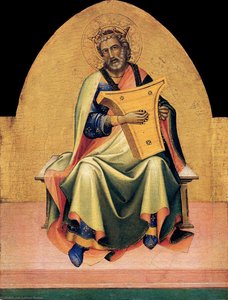
Abraham
 Acrylic On Canvas
- WallArt
 1408
1408 66.0 x 43.0 cm
 Metropolitan Museum of Art
 Leggi tutto
Giclée / Stampe d'arte
Stampa giclée o su tela di qualità museale, con produzione rapida e diverse opzioni di finitura. ( Ordina la riproduzione dipinta a mano Passa all'immagine digitale)




P118B €10

P118H €10

P118W €10

P438Z €10

P508JH €12

P508YH €12

P805H €10

P805Z €10

P919BZ €10

P919G €10

P919XJ €10

P959ZH €10

P968JZ €12

W106C €8

W218G €10

W218JH €8

W218Y €10

W307PJ €10

W316G €10

W316PJ €8

W316Y €10

W398PJ €8

W4111J €10

W500HY €15

W500JH €15

W692G €12

W849H €8

W940BG €15

W953PJ €8




Scegli tra le nostre dimensioni predefinite, che rispettano le proporzioni originali dell'opera d'arte.

Inserisci la larghezza e l'altezza desiderate, per adattarle alla tua cornice o alla tua parete. Una stampa può essere solo ritagliata, mai resa più grande dell'immagine originale; pertanto, un formato con una forma differente comporterà la perdita di una parte dell'opera. Ti invieremo un mockup digitale da approvare prima di procedere con la stampa. L'immagine mostrata in questa pagina non rappresenta il ritaglio reale — solo il mockup lo mostra.
Consegna in tutto il mondo () in 2 settimane invece delle normali 4/5 settimane. (22 Ottobre)

Spedizione espressa gratuita in tutto il mondo

Tela in lino di alta qualità

Assicurazione completa sulla spedizione

Garanzia di rimborso dei dazi doganali

Garanzia di perfetta fedeltà cromatica

Politica di reso entro 100 giorni (solo per difetti di fabbricazione)

Garanzia di rimborso al 100%

Sconto per acquisti multipli
 L'opzione vetro è disponibile solo per dimensioni inferiori a 110 cm

Abraham
Giclée / Stampe d'arte
Dimensioni della riproduzione
-


Prezzo totale
€ 70
A Glimpse into Faith: Abraham by Lorenzo Monaco
Lorenzo Monaco’s “Abraham,” painted around 1408-10 in Florence, isn't merely a depiction of a biblical scene; it’s a profound meditation on faith, sacrifice, and the enduring promise of divine grace. This remarkable panel painting, now residing within the walls of The Metropolitan Museum of Art, offers a rare window into the artistic sensibilities of a pivotal figure bridging the late Gothic and burgeoning Renaissance periods. Monaco, known as “Lawrence the Monk” for his dedication to the Camaldolese order, imbued his work with an introspective quality rarely seen in contemporary Florentine painting, marking him as a distinct voice amidst the stylistic shifts of the time.
The composition is strikingly intimate, centering on Abraham seated upon a simple stone bench – a deliberate choice that elevates the scene beyond mere narrative illustration. He’s not presented as a heroic patriarch, but rather as a man wrestling with an agonizing decision. His posture, slightly hunched and contemplative, conveys a deep sense of sorrow mingled with resolute acceptance. Beside him kneels Isaac, his son, embodying innocence and vulnerability – a poignant counterpoint to the weighty burden borne by his father. The figures are rendered in a style characteristic of Monaco’s mature work: elongated forms, subtly defined features, and a restrained palette dominated by earthy tones—ochre, umber, and muted blues—all contributing to an atmosphere of solemn dignity.
The Symbolism of Sacrifice
At the heart of “Abraham” lies the powerful symbolism of sacrifice. The scene depicts Abraham preparing to offer Isaac as a burnt offering – a prefiguration of Christ’s crucifixion, a motif that would become increasingly prominent in Renaissance art. However, Monaco doesn't portray this act with overt drama or violence. Instead, he focuses on the emotional weight of the moment, capturing the quiet desperation and profound love between father and son. The knife resting at Abraham’s feet isn’t emphasized; it serves as a stark reminder of the impending tragedy without dominating the composition. The inclusion of the ram caught in the thicket – a last-minute substitution offered by God – subtly underscores the theme of divine intervention and the possibility of redemption.
Beyond the immediate narrative, the painting’s symbolism extends to the architectural setting. The simple stone bench suggests humility and earthly grounding, while the distant landscape hints at a connection to the divine realm. The careful arrangement of attributes – David holding his psaltery (a symbol of kingship and prophecy), Moses clutching the tablets of the Ten Commandments, Noah with his ark—further enriches the painting’s layered meaning, positioning Abraham within a lineage of faith and obedience.
Monaco's Artistic Legacy
Lorenzo Monaco’s artistic journey is particularly fascinating because he represents a transitional figure. Trained in the traditions of Giotto and his followers, he skillfully adapted these influences to develop a distinctly personal style. His work reflects the growing emphasis on psychological realism and emotional depth that would characterize the Renaissance, yet retains a lingering connection to the spiritual intensity of the late Gothic period. His dedication to monastic life profoundly shaped his artistic vision, imbuing his paintings with an introspective quality and a focus on themes of faith, piety, and human suffering.
The “Abraham” panel exemplifies Monaco’s mastery of tempera paint—a medium known for its luminous colors and rich textures. The gold ground, typical of devotional works of the time, adds to the painting's spiritual aura, while the meticulous detail in rendering fabrics and facial expressions reveals his exceptional technical skill. It is a testament to Monaco’s ability to synthesize artistic innovation with profound spiritual conviction, solidifying his place as one of Florence’s most important artists of the 15th century.
A Reproduction for Reflection
Today, reproductions of “Abraham” continue to resonate with viewers, offering an opportunity to contemplate timeless themes of faith, sacrifice, and the enduring power of love. Whether displayed in a private residence or a public gallery, this painting serves as a reminder of humanity’s capacity for both profound suffering and unwavering devotion. Consider commissioning a high-quality reproduction from 1st Art Gallery – a faithful recreation that captures the essence of Monaco's masterpiece, allowing you to bring its contemplative beauty into your own space.
Domande e risposte
Posso usare la realtà aumentata per vedere "Abraham" di Lorenzo Monaco nella mia stanza?
"Abraham" dispone di un'anteprima in realtà aumentata: la pagina Anteprima AR dell'opera ti permette di visualizzarla nel tuo spazio tramite un dispositivo compatibile.
Cosa rappresenta "Abraham" di Lorenzo Monaco?
I temi presenti in "Abraham" di Lorenzo Monaco includono abraham, prophets, sacrifice, faith, family, old testament, religion, medieval. Insieme, essi riassumono il soggetto dell'opera.
Come è stata realizzata "Abraham" e quali sono le sue dimensioni?
La tecnica di "Abraham" di Lorenzo Monaco è Acrylic On Canvas e le sue dimensioni riportate sono 66 x 43 cm.
Biografia dell'artista
Primi Anni e Formazione
- Nato: Siena, Italia (c. 1370)
- Morto: c. 1425
- Poco si sa della sua vita giovanile se non che fu apprendista a Firenze.
- Fu influenzato dalle opere di Giotto e dei suoi seguaci, Spinello Aretino e Agnolo Gaddi. Questa esposizione plasmò il suo sviluppo artistico.
Carriera Artistica e Stile
- Nel 1390, Lorenzo entrò nel monastero camaldolese di Santa Maria degli Angeli, diventando noto come "Lawrence il Monaco".
- Le sue prime opere (anni '90 del XIV secolo) mostrano una forte influenza dello stile gotico internazionale, insieme a influenze da Lorenzo Ghiberti e Gherardo Starnina.
- Lo stile di Monaco è caratterizzato da:
- Linearismo teso
- Una gamma cromatica fredda inizialmente
- Successivamente, un'adozione di elementi gotici internazionali
- Figure allungate con drappeggi sinuosi
- Spigoli vivi e colori brillanti (oro e lapislazzuli)
- Gesti accennati e un senso dello spazio minimizzato
- Ha costantemente raffigurato immagini con forte valore spirituale, spesso distaccate dal realismo.
Opere Principali
- Pietà: Ospitata nella Galleria dell'Accademia di Firenze – Dimostra linea nervosa e tensione emotiva.
- Coronazione della Vergine: Ora agli Uffizi – Presenta un gran numero di santi con forme sinuose e colori brillanti.
- Polittico di Monteoliveto: Nella Galleria dell'Accademia – Espone una spiritualità che preannuncia Fra Angelico.
- Adorazione dei Magi (1420-1422): Gli scorci prospettici appaiono surreali a causa dell'assenza di prospettiva geometrica, ma mantiene un'elevata qualità pittorica.
- Storie della Vergine nella Cappella Bartolini Salimbeni: Uno dei suoi pochi affreschi.
Influenze e Eredità
- L'opera di Monaco fu influenzata da Giotto, Spinello Aretino, Agnolo Gaddi, Lorenzo Ghiberti e Gherardo Starnina.
- Rimase in gran parte indifferente alle innovazioni di Masaccio e Filippo Brunelleschi, mantenendo il suo stile distintivo.
- Giorgio Vasari incluse una biografia di Monaco nei suoi "Vite", notando la sua morte per un'infezione non identificata.
- Nonostante le limitate informazioni biografiche, i contributi di Lorenzo Monaco alla pittura tardo gotica-prerenaissance sono significativi. La sua miscela unica di stili e il suo focus spirituale hanno lasciato un impatto duraturo sugli artisti successivi.
Significato Storico
- Considerato l'ultimo importante esponente dello stile di Giotto prima della rivoluzione rinascimentale.
- Ha colmato il divario tra le tradizioni tardo gotiche e i principi artistici emergenti del Rinascimento.
- La sua enfasi sulla spiritualità e sulle forme stilizzate rappresenta un'estetica distinta nella pittura fiorentina.

Lorenzo Monaco
1370 - 1425 , Italia
Informazioni rapide
- Artistic Movement Or Style: Gotico tardo-Rinascimento
- Artists Or Movements Influenced By This Artist:
- Masaccio
- Brunelleschi
- Artists Who Influenced This Artist:
- Giotto
- Spinello Aretino
- Agnolo Gaddi
- Date Of Birth: c. 1370
- Date Of Death: c. 1425
- Full Name: Lorenzo Monaco
- Nationality: Italiana
- Notable Artworks:
- Pietà
- Coronatione della Vergine
- Adorazione dei Magi
- Place Of Birth: Siena, Italia
Articoli correlati

Gothic Vibes: From Dark Shadows to Bold Modern Edge | The Ultimate Trend Forecast
Explore the evolution of Gothic vibes, from historical shadows to bold modern edge. Discover how dark aesthetics, noir interiors, and contemporary subcultures are redefining modern design through a high-impact, trend-focused lens.
Shadows & Splendor: A Journey Through the Soul of Gothic Art and Architectural Grandeur
Embark on a profound journey through the spiritual intensity of Gothic art. Explore the architectural marvels, luminous stained glass, and sacred sculptures that define this era of grandeur and human devotion.
Late Gothic Art: The Divine Transition from Medieval Symbolism to Renaissance Naturalism
Explore the profound transition of Late Gothic art from medieval symbolism to Renaissance naturalism. Discover the elegance of International Gothic, the legacy of Master Theodoric, and the evolution of European courtly masterpieces through an expert art-historical lens.
Gothic Art Guide for Hotel Designers: Leveraging Dramatic Shadows and Architectural Grandeur in Luxury Interiors
Elevate hospitality interiors with our expert guide to Gothic art. Discover how to leverage dramatic shadows, architectural grandeur, and high-end reproductions to create sophisticated, atmospheric hotel spaces that captivate guests.

International Gothic Style: The Elegant Dawn of European Art History and the Transition to Renaissance Naturalism
Explore the elegance of International Gothic art. Discover how masters like Simone Martini bridged medieval symbolism and Renaissance naturalism through courtly grace, luminous gold, and intricate detail in this expert guide to European art history.