Anteprima in scala reale
 Condividi
 Condividi
 Dettagli
 Guida stampabile

 Scarica
 Articoli simili
 Radiografia
 Slideshow
 Statistiche
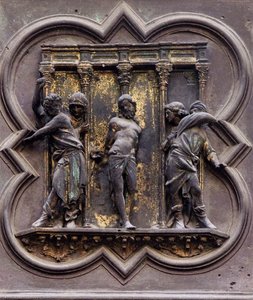
Last Supper
 Early Renaissance
 1403
1403 39.0 x 39.0 cm
 Battistero
 Leggi tutto
Riproduzione a olio fatta a mano
Olio su tela dipinto a mano nelle tue dimensioni e con la tua cornice, realizzato su ordinazione dai nostri artisti. ( Passa alle stampe Passa all'immagine digitale)




P118B €10

P118H €10

P118W €10

P438Z €10

P508JH €12

P508YH €12

P805H €10

P805Z €10

P919BZ €10

P919G €10

P919XJ €10

P959ZH €10

P968JZ €12

W106C €8

W218G €10

W218JH €8

W218Y €10

W307PJ €10

W316G €10

W316PJ €8

W316Y €10

W398PJ €8

W4111J €10

W500HY €15

W500JH €15

W692G €12

W849H €8

W940BG €15

W953PJ €8




Scegli tra le nostre dimensioni predefinite, che rispettano le proporzioni originali dell'opera d'arte.

Inserisci la larghezza e l'altezza di cui hai bisogno, per adattarle alla tua cornice o alla tua parete. Trattandosi di un'opera dipinta a mano, in caso di dimensioni con una forma differente, l'artista può dipingere un po' più oltre i bordi dell'immagine o ritagliare leggermente — la scelta spetta a te. Ti invieremo un mockup digitale da approvare prima che la pittura abbia inizio. L'immagine mostrata in questa pagina non rappresenta il risultato reale — solo il mockup lo fa.
Dopo l'ordine, il team di OriginalUniqueArt.com contatterà il cliente via e-mail per ricevere le istruzioni e fornirà un'anteprima del mockup
Consegna in tutto il mondo () in 3/4 settimane anziché nelle normali 5 settimane. (22 Ottobre). Nessun compromesso sulla qualità.

Spedizione espressa gratuita in tutto il mondo

Tela in lino di alta qualità

Assicurazione completa sulla spedizione

Garanzia di rimborso dei dazi doganali

Garanzia di perfetta fedeltà cromatica

Politica di reso entro 100 giorni (solo per difetti di fabbricazione)

Garanzia di rimborso al 100%

Sconto per acquisti multipli
 L'opzione vetro è disponibile solo per dimensioni inferiori a 110 cm

Last Supper
Tecnica di riproduzione
Dimensioni della riproduzione
-


Prezzo totale
€ 263
The Last Supper: A Florentine Masterpiece of Emotion and Perspective
Lorenzo Ghiberti’s “Last Supper,” painted between 1403 and 1424 for the north doors of the Florence Baptistery, isn't merely a depiction of a biblical event; it’s a profound exploration of human emotion, a revolutionary leap in artistic perspective, and a testament to the burgeoning spirit of the Early Renaissance. Far from a static representation, Ghiberti captures the very moment of revelation – Jesus announcing his impending betrayal – imbuing the scene with an intensity rarely seen in religious art of its time. The painting’s enduring power lies not just in its technical brilliance but also in its ability to evoke a visceral response from the viewer, drawing us into the drama unfolding within the confines of the Florentine Baptistery.
Ghiberti's mastery is immediately evident in his innovative use of linear perspective. Unlike earlier depictions which often presented the scene as a flattened tableau, Ghiberti employs a sophisticated system to create an illusion of depth and space. The vanishing point, subtly placed within Jesus’s figure, draws our eye directly to him, while the receding lines of the table and the figures themselves converge towards that central focus. This technique, groundbreaking for its time, was not only visually compelling but also demonstrated Ghiberti's deep understanding of mathematical principles – a hallmark of Renaissance humanism. The careful attention to detail in rendering each apostle’s face, their gestures, and their clothing further enhances this sense of realism and immediacy.
The Symbolism of Gesture and Expression
Beyond the technical innovations, “The Last Supper” is rich with symbolic meaning. Ghiberti doesn't simply record the event; he captures the emotional responses of each apostle to Jesus’s shocking announcement. The expressions range from disbelief and confusion to anger, denial, and sorrow – a carefully orchestrated tableau of human reaction. Judas Iscariot, often depicted as isolated and shadowed, is rendered with a subtle but unmistakable air of treachery, his face partially obscured by darkness. Conversely, figures like Peter, consumed by anguish, and John, radiating concern, powerfully convey the weight of the impending tragedy. Ghiberti’s ability to translate complex theological concepts into tangible emotional states elevates the painting beyond a historical record and transforms it into a universal meditation on betrayal, faith, and human nature.
A Renaissance Vision: Bronze Doors and Artistic Legacy
“The Last Supper” was conceived as part of a larger commission for two pairs of bronze doors that adorned the Florence Baptistery. These doors, known as the “Gates of Paradise,” represented the pinnacle of Ghiberti’s career and established him as one of the leading sculptors of his generation. The bronze panels were designed to depict scenes from the Old Testament, offering a visual narrative of salvation and redemption. The choice of bronze itself was significant; it symbolized durability, permanence, and divine authority – qualities highly valued by the Florentine elite. Ghiberti’s work on these doors profoundly influenced subsequent generations of artists, shaping the course of Renaissance sculpture and solidifying Florence's reputation as a center of artistic innovation.
A Timeless Masterpiece: Reproduction and Artistic Inspiration
Today, “The Last Supper” remains one of the most celebrated works of art in history. Its influence can be seen in countless paintings, sculptures, and other artworks across centuries. Reproductions, such as this meticulously crafted hand-painted version, offer a remarkable opportunity to experience the power and beauty of Ghiberti’s masterpiece firsthand. The careful attention to detail, the masterful use of perspective, and the profound emotional depth of the scene are all faithfully recreated, allowing viewers to connect with this iconic work on a deeply personal level. Whether displayed in a grand salon or a smaller study, a reproduction of “The Last Supper” serves as a constant reminder of the enduring legacy of Lorenzo Ghiberti and the transformative power of Renaissance art.
Domande e risposte
I colori di "Last Supper" di Lorenzo Ghiberti sono vivaci o tenui?
I colori di "Last Supper" di Lorenzo Ghiberti mostrano una saturazione Muted con un'intensità Monochromatic.
Quanto sono intensi i colori in "Last Supper" di Lorenzo Ghiberti?
I colori in "Last Supper" di Lorenzo Ghiberti hanno un'intensità Monochromatic.
Chi ha creato "Last Supper" e in quale anno?
Lorenzo Ghiberti ha realizzato "Last Supper" nel 1403.
Biografia dell'artista
Lorenzo Ghiberti: Vita e Eredità
Primi Anni di Vita e Formazione
- Nato nel 1378 a Pelago, vicino a Firenze, in Italia, Lorenzo di Bartolo – successivamente noto come Lorenzo Ghiberti – iniziò il suo percorso artistico sotto la tutela del suo suocero, Bartolo di Michele, un orefice.
- Ricevette una formazione pittorica formale da Gherardo Starnina, ampliando le sue competenze oltre l'oreficeria.
- Lo scoppio della peste nel 1400 lo portò a Rimini, dove lavorò per Carlo I Malatesta, assistendo alla realizzazione di affreschi e sviluppando ulteriormente la sua sensibilità artistica.
La Concorso del Battistero e Primi Successi
- Nel 1401, Ghiberti tornò a Firenze e partecipò a un rinomato concorso per progettare le porte in bronzo per il Battistero di Firenze.
- Vinse contro concorrenti come Filippo Brunelleschi con il suo pannello che raffigura il *Sacrificio di Isacco*, dimostrando una notevole abilità e innovazione.
- Questa vittoria lanciò la sua carriera e gli assicurò la commissione per le porte settentrionali del Battistero.
Le Porte Settentrionale e Meridionale
- Ghiberti trascorse oltre vent'anni a creare le porte settentrionali (completate nel 1424), che presentano scene dalla vita di Giovanni Battista.
- Il suo laboratorio divenne un centro per il talento artistico, coltivando futuri maestri come Donatello, Masolino e Paolo Uccello.
- Dopo il successo delle porte settentrionali, Ghiberti fu commissionato a creare una seconda serie – le porte orientali (completate nel 1452).
Le “Porte del Paradiso”
- Le porte orientali, famosamente soprannominate le “*Porte del Paradiso*” da Michelangelo, rappresentano il capolavoro di Ghiberti.
- Queste porte raffigurano scene dell'Antico Testamento con un realismo, una prospettiva e un dettaglio artistico senza precedenti.
- Ogni pannello è una testimonianza della sua maestria nella fusione del bronzo e nella scultura a rilievo.
Stile Artistico e Influenze
- Lo stile di Ghiberti fondeva l'eleganza gotica con i principi emergenti dell'umanesimo rinascimentale.
- Si ispirava all'antichità classica, incorporando elementi dell'arte e della scultura romana nel suo lavoro.
- La sua meticolosa attenzione ai dettagli, le rappresentazioni naturalistiche e l'uso innovativo della prospettiva lo distinguevano dai suoi contemporanei.
Commentarii e Eredità
- Ghiberti autore di *Commentarii*, un trattato prezioso sulla storia dell'arte, la teoria e la tecnica – considerato uno dei primi autobiografie di un artista.
- Morì a Firenze nel 1455, lasciando dietro di sé una duratura eredità come uno degli scultori più importanti del Rinascimento maturo.
- La sua opera ha influenzato profondamente le generazioni successive di artisti, plasmando il corso della storia dell'arte occidentale.
Significato Storico
- I contributi di Ghiberti furono fondamentali per stabilire Firenze come un centro artistico leader durante il Rinascimento.
- Le “Porte del Paradiso” sono diventate un simbolo dell'orgoglio civico e del successo artistico fiorentino.
- Le sue tecniche innovative e i temi umanistici hanno contribuito a definire gli ideali estetici dell'epoca, aprendo la strada a futuri maestri come Leonardo da Vinci e Michelangelo.
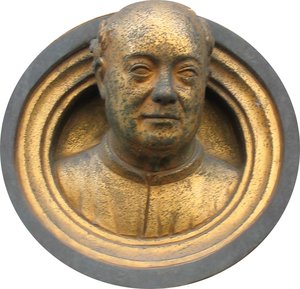
Lorenzo Ghiberti
1378 - 1455 , Italia
Informazioni rapide
- Artistic Movement Or Style: Early Renaissance / International Gothic / Quattrocento
- Artists Who Influenced This Artist:
- Gherardo Starnina
- Bartolo di Michele
- Date Of Birth: c. 1378
- Full Name: Lorenzo di Bartolo Ghiberti
- Nationality: Italian
- Notable Artworks:
- North Doors
- East Doors (Gates of Paradise)
- Sacrifice of Isaac
- Place Of Birth: Pelago (Firenze)
Articoli correlati

I 10 Capolavori in Bronzo che Hanno Rivoluzionato la Storia dell'Arte | OriginalUniqueArt
Esplora i 10 capolavori in bronzo che hanno segnato la storia dell'arte! Da Michelangelo a Rodin, scopri le storie e le tecniche dietro queste statue iconiche. Trova riproduzioni artistiche di alta qualità per decorare casa tua con OriginalUniqueArt.com.

Timeless Strength: The Ultimate Guide to Bronze Art and Sculpture for the Discerning Collector
Discover the enduring elegance of bronze sculpture. Our expert guide explores lost-wax casting, patina mastery, and professional tips for collecting and commissioning museum-quality bronze art to create a lasting legacy in your private collection.

The Eternal Glow of Bronze: A Guide to Sculpting with Light, Strength, and Timeless Artistry
Explore the profound beauty of bronze sculpture. From the ancient lost-wax technique to the interplay of light and patina, discover how this enduring alloy captures human emotion and history through masterful artistry and strength.

The Enduring Legacy of Bronze: History, Technique & Artistic Expression for the Collector
Explore the rich history & enduring appeal of bronze sculpture with expert insights for collectors at OriginalUniqueArt. Learn about casting techniques, iconic artists, and collecting tips.

The Enduring Legacy of Bronze: A Historical & Artistic Exploration for the Collector
Explore the rich history & enduring appeal of bronze sculpture with expert insights for collectors at OriginalUniqueArt. Learn about casting techniques, iconic artists, collecting tips & contemporary interpretations.