Anteprima in scala reale
 Condividi
 Condividi
 Dettagli
 Guida stampabile

 Scarica
 Articoli simili
 Radiografia
 Slideshow
 Statistiche
Studio per un monumento equestre
 Acrilico su tela
- Arte da parete
- Renaissance
 1490
1490- Rinascimento
 18.0 x 15.0 cm
 Royal Collection
 Leggi tutto
Riproduzione a olio fatta a mano
Olio su tela dipinto a mano nelle tue dimensioni e con la tua cornice, realizzato su ordinazione dai nostri artisti. ( Passa alle stampe Passa all'immagine digitale)




P118B €10

P118H €10

P118W €10

P438Z €10

P508JH €12

P508YH €12

P805H €10

P805Z €10

P919BZ €10

P919G €10

P919XJ €10

P959ZH €10

P968JZ €12

W106C €8

W218G €10

W218JH €8

W218Y €10

W307PJ €10

W316G €10

W316PJ €8

W316Y €10

W398PJ €8

W4111J €10

W500HY €15

W500JH €15

W692G €12

W849H €8

W940BG €15

W953PJ €8




Scegli tra le nostre dimensioni predefinite, che rispettano le proporzioni originali dell'opera d'arte.

Inserisci la larghezza e l'altezza di cui hai bisogno, per adattarle alla tua cornice o alla tua parete. Trattandosi di un'opera dipinta a mano, in caso di dimensioni con una forma differente, l'artista può dipingere un po' più oltre i bordi dell'immagine o ritagliare leggermente — la scelta spetta a te. Ti invieremo un mockup digitale da approvare prima che la pittura abbia inizio. L'immagine mostrata in questa pagina non rappresenta il risultato reale — solo il mockup lo fa.
Dopo l'ordine, il team di OriginalUniqueArt.com contatterà il cliente via e-mail per ricevere le istruzioni e fornirà un'anteprima del mockup
Consegna in tutto il mondo () in 3/4 settimane anziché nelle normali 5 settimane. (25 Ottobre). Nessun compromesso sulla qualità.

Spedizione espressa gratuita in tutto il mondo

Tela in lino di alta qualità

Assicurazione completa sulla spedizione

Garanzia di rimborso dei dazi doganali

Garanzia di perfetta fedeltà cromatica

Politica di reso entro 100 giorni (solo per difetti di fabbricazione)

Garanzia di rimborso al 100%

Sconto per acquisti multipli
 L'opzione vetro è disponibile solo per dimensioni inferiori a 110 cm

Studio per un monumento equestre
Tecnica di riproduzione
Dimensioni della riproduzione
-


Prezzo totale
€ 263
Study for an Equestrian Monument (recto)
Leonardo da Vinci’s Study for an equestrian monument (recto) is a captivating drawing that showcases the artist’s skill and creativity. Created in 1490, this piece measures 18 x 15 cm and is part of the Royal Collection at Buckingham Palace in London, United Kingdom. It represents a pivotal moment in Leonardo's artistic exploration—a preliminary sketch conceived for a monumental equestrian statue honoring Francesco Sforza, Duke of Milan. This ambitious project demanded meticulous observation and masterful execution, resulting in this remarkably detailed study that reveals much about Da Vinci’s approach to capturing movement and emotion.The Composition
The drawing depicts a man riding on horseback, with the rider wearing armor, suggesting he might be a knight or warrior. The horse has its head raised, indicating alertness and attention to its surroundings. A blue background adds an interesting contrast to the scene, while smaller figures in the distance create depth and context. Leonardo’s genius lies in his ability to convey dynamism through static lines—the upward thrust of the horse's neck is balanced by the downward gaze of the rider, establishing a harmonious visual rhythm. The inclusion of a prostrate soldier beneath the horse serves as a powerful symbol of submission and reinforces the grandeur of the equestrian theme.Artistic Significance
This study is significant because it demonstrates Leonardo da Vinci’s ability to capture dynamic movement and emotion through his art. It exemplifies his fascination with anatomical accuracy—evident in the precise rendering of the horse's musculature—and foreshadows the monumental sculpture he envisioned. Unlike many sketches of his time, this drawing isn’t merely a preparatory exercise; it embodies Leonardo’s artistic vision, demonstrating his commitment to exploring different poses and movements. The meticulous use of metalpoint technique—a method favored by Da Vinci for achieving exceptional tonal gradation—highlights his mastery of draughtsmanship and underscores the importance of detail in conveying psychological nuance.Other Relevant Works
Leonardo da Vinci created several other notable works related to horses and riders, including:- A cavalcade (16 x 19 cm, Royal Collection, London, United Kingdom)
- A rearing horse (15 x 14 cm, Royal Collection, London, United Kingdom)
- Recto: A study for the Trivulzio monument. Verso: A study for an equestrian monument (21 x 16 cm, Royal Collection, London, United Kingdom)
Museum Information
The Royal Collection at Buckingham Palace is home to a vast array of artworks, including many by Leonardo da Vinci. The collection represents centuries of royal patronage and embodies the artistic heritage of Britain—a treasure trove for art historians and enthusiasts alike. Visiting this palace offers an unparalleled opportunity to immerse oneself in the splendor of European art history.Conclusion
Leonardo da Vinci’s Study for an equestrian monument (recto) is a remarkable piece that highlights his artistic skill and creativity. It stands as a testament to the Renaissance spirit of innovation and ambition—a captivating glimpse into Da Vinci’s creative process and a symbol of enduring artistic excellence. For more information on Leonardo da Vinci's works and other artists, visit Buckingham Palace: A Museum of Royal Art and explore the extensive collection at OriginalUniqueArt. Photo Description: The image is a painting of a man riding on the back of a horse. The man appears to be wearing armor, suggesting that he might be a knight or warrior. The horse has its head up, possibly indicating that it is alert and attentive to its surroundings. The painting features a blue background, which adds an interesting contrast to the scene. There are also several other people in the image, but they appear to be smaller and farther away from the main subject of the man on horseback. The overall composition of the painting is dynamic and captures the essence of equestrianism. Size: 18 x 15 cm Date: 1490 Photo Description: The image is a painting of a man riding on the back of a horse. The man appears to be wearing armor, suggesting that he might be a knight or warrior. The horse has its head up, possibly indicating that it is alert and attentive to its surroundings. The painting features a blue background, which adds an interesting contrast to the scene. There are also several other people in the image, but they appear to be smaller and farther away from the main subject of the man on horseback. The overall composition of the painting is dynamic and captures the essence of equestrianism. Size: 18 x 15 cm Date: 1490Domande e risposte
Da quale paese proviene l'opera del Renaissance "Studio per un monumento equestre"?
"Studio per un monumento equestre" è stata creata da Leonardo da Vinci, nato in Italia, all'interno del movimento Renaissance. L'origine dell'artista lega l'opera al Renaissance così come praticato dagli artisti di Italia.
Dove e per quale scopo è consigliata "Studio per un monumento equestre"?
L'uso (Accento cromatico) e lo spazio (Zona giorno) sono le due raccomandazioni indicate per "Studio per un monumento equestre" di Leonardo da Vinci.
Che atmosfera Studio per un monumento equestre saprebbe donare a un ambiente?
Con la sua atmosfera Elegante, "Studio per un monumento equestre" è ideale per Zona giorno.
Biografia dell'artista
Leonardo da Vinci: Vita e Eredità
Primi Anni di Vita e Apprendistato (1452-1482)
Leonardo di ser Piero da Vinci (15 aprile 1452 – 2 maggio 1519) nacque fuori dal matrimonio vicino a Vinci, nella Repubblica Fiorentina. La sua educazione iniziale includeva lettura, scrittura e aritmetica, sebbene l'istruzione formale in latino arrivasse più tardi. A quattordici anni, iniziò un apprendistato con Andrea del Verrocchio, un artista fiorentino di spicco. Questa formazione immersiva lo espose alla pittura, alla scultura e alle arti meccaniche – ponendo le basi per il suo genio multiforme.
Primo Periodo Milanese (1482-1499)
Nel 1482, Leonardo entrò al servizio di Ludovico Sforza, duca di Milano. Non era solo un artista; fungeva da ingegnere, architetto e scultore per la corte. Questo periodo vide lui progettare fortificazioni militari, scenografie elaborate e sculture (molte incompiute). Un incarico monumentale durante questo tempo fu L'Ultima Cena, un affresco dipinto nella refettoria del monastero di Santa Maria delle Grazie – un’opera che avrebbe profondamente influenzato l’arte occidentale.
Ritorno a Firenze e Capolavori dell’Alto Rinascimento (1500-1506)
Dopo l'invasione francese di Milano nel 1499, Leonardo tornò a Firenze durante un periodo di picco dello sviluppo artistico. Sebbene abbia prodotto meno opere rispetto al passato, il loro impatto è stato immenso. Questo periodo vide l’inizio del lavoro su Mona Lisa (La Gioconda), probabilmente il dipinto più famoso al mondo, e il perfezionamento delle sue tecniche.
Anni Successivi e Mecenatismo Francese (1506-1519)
Gli anni successivi di Leonardo furono segnati da viaggi tra Firenze, Milano e Roma, ricercato per la sua esperienza ma spesso lasciando progetti incompiuti. Nel 1516, accettò l’invito del Re Francesco I a vivere e lavorare al Château du Clos Lucé vicino ad Amboise in Francia. Morì lì nel 1519, lasciandosi alle spalle un vasto lascito di esplorazione artistica e scientifica.
Influenze e Sviluppo Artistico
- Le prime influenze includevano il suo maestro Verrocchio e la più ampia tradizione artistica fiorentina.
- Un profondo interesse per l’osservazione lo spinse a studiare meticolosamente il mondo naturale.
- Si allontanò dall'iconografia religiosa tradizionale, preferendo rappresentazioni realistiche delle emozioni umane e dell'anatomia.
- Il suo sviluppo dello sfumato – una tecnica che utilizzava gradazioni sottili di luce e ombra per creare contorni sfumati e prospettiva atmosferica – ha rivoluzionato la pittura e contribuito in modo significativo al suo stile caratteristico.
Realizzazioni Principali
- Pittura: Mona Lisa, L'Ultima Cena, La Vergine delle Rocce, Annunciazione
- Disegno e Schizzi: Ampie studi anatomici, progetti ingegneristici (macchine volanti, armi da fuoco), illustrazioni botaniche
- Scienza e Ingegneria: Lavori pionieristici in anatomia, ottica, idraulica, geologia e cartografia. Concettualizzazioni di invenzioni secoli avanti rispetto al loro tempo.
Significato Storico
L'impatto di Leonardo da Vinci sulla storia dell’arte è incommensurabile. I suoi dipinti sono celebrati per il loro realismo, la profondità psicologica e le tecniche innovative. Ha elevato lo status degli artisti da abili artigiani a figure intellettuali. Oltre ai suoi risultati artistici, le sue indagini scientifiche e le sue invenzioni hanno anticipato molte scoperte moderne. Rimane un simbolo della curiosità umana, della creatività e della ricerca della conoscenza – una vera incarnazione dello spirito rinascimentale. La sua eredità continua a ispirare ammirazione e fascino secoli dopo la sua morte, consolidando il suo posto come uno dei personaggi più straordinari della storia.
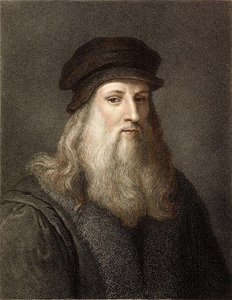
Leonardo da Vinci
1452 - 1519 , Italia
Informazioni rapide
- Artisti Influenti: ['Andrea del Verrocchio']
- Data Di Morte: 2 maggio 1519
- Data Di Nascita: 15 aprile 1452
- Luogo Di Nascita: Vicenza, Italia
- Movimento Artistico: Rinascimento
- Nazionalità: Italiana
- Nome Completo: Leonardo da Vinci
- Opere Notevoli:
- Monna Lisa (La Gioconda)
- L'Ultima Cena
- Vergine delle Rocce
- Annunciazione
Articoli correlati
I 25 Capolavori della Galleria degli Uffizi: Arte Rinascimentale per la Tua Casa
Esplora i 25 capolavori della Galleria degli Uffizi a Firenze! Scopri la storia di Botticelli, Leonardo e Raffaello. Trova riproduzioni artistiche di alta qualità per decorare casa con stile su OriginalUniqueArt.com.
Leonardo da Vinci: Sintesi di Arte, Scienza e Osservazione Umana nel Rinascimento – Una Rilettura per il Collezionista
Esplora la sintesi di arte e scienza in Leonardo da Vinci. Analisi approfondite delle sue opere iconiche, tecniche innovative come lo sfumato e consigli per collezionisti esperti. Scopri il valore e l'autenticità delle creazioni del Rinascimento.
I 10 Capolavori Rinascimentali che Celebrano l'Umanità: Arte e Decorazioni di Lusso
Esplora i 10 capolavori del Rinascimento che celebrano l'Umanesimo! Scopri Leonardo, Michelangelo e Raffaello. Arte italiana, storia e bellezza classica per la tua casa. Acquista riproduzioni di alta qualità su OriginalUniqueArt.com.
Leonardo da Vinci: I 25 Capolavori Immortali per Arredare con Arte
Esplora i 25 capolavori immortali di Leonardo da Vinci: dalla Mona Lisa all'Ultima Cena. Scopri la storia, le tecniche e il significato di ogni opera rinascimentale. Arreda con arte di qualità museale su OriginalUniqueArt.com.

I 25 Capolavori del Louvre: Arte, Storia e Ispirazione per la Tua Casa
Esplora i 25 capolavori del Louvre, da Leonardo da Vinci a Michelangelo. Scopri la storia, le tecniche e l'emozione dietro ogni opera d'arte classica. Trova riproduzioni di alta qualità per decorare la tua casa con OriginalUniqueArt.com! Esplora la collezione online.