() ·

A painting made for you, by hand

La Scapigliata

Riproduzione a olio fatta a mano

Olio su tela dipinto a mano nelle tue dimensioni e con la tua cornice, realizzato su ordinazione dai nostri artisti. ( Passa alle stampe Passa all'immagine digitale)

Descrizione del reperto

Scopri 'La Scapigliata', un affresco enigmaticamente incompiuto di Leonardo da Vinci alla Galleria Nazionale di Parma! Un capolavoro della sfumatura e della bellezza rinascimentale, simbolo dell'arte del maestro.

Biografia dell'artista

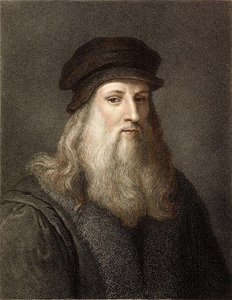
Esplora Leonardo da Vinci (1452-1519): genio rinascimentale dietro la Gioconda & L'Ultima Cena! Scopri la sua tecnica dello sfumato, gli studi anatomici e le invenzioni rivoluzionarie. #DaVinci #ArteRinascimentale

from ·

Chapter 1

How large should it be?

Slide to change the size; the picture on the left shows the frame at its real width. The proportions of the original are kept.

Formato standard
su misura
CM
INCH

Scegli tra le nostre dimensioni predefinite, che rispettano le proporzioni originali dell'opera d'arte.

larghezza
altezza

Inserisci la larghezza e l'altezza desiderate, per adattarle alla tua cornice o alla tua parete. Trattandosi di un'opera dipinta a mano, in caso di dimensioni con un formato differente, l'artista può estendere leggermente il dipinto oltre i bordi dell'immagine o ritagliare una piccola parte — la scelta spetta a te. Ti invieremo un mockup digitale da approvare prima che la realizzazione abbia inizio. L'immagine mostrata in questa pagina non rappresenta il risultato finale — solo il mockup lo fa.

Chapter 2

How should it arrive?

Choose the edges of the stretched canvas

Choose your frame

Corner sample of the WhiteWrap canvas edge finish, stretched on legno massello bars
White €1
Corner sample of the BlurSideWrap canvas edge finish, stretched on legno massello bars
Blurside €1
Corner sample of the ExtendedWrap canvas edge finish, stretched on legno massello bars
Extended €1
Corner sample of the P118B picture frame: polistirene stampato, 5 cm wide and 3 cm thick
P118B €10
Corner sample of the P118H picture frame: polistirene stampato, 5 cm wide and 3 cm thick
P118H €10
Corner sample of the P118W picture frame: polistirene stampato, 5 cm wide and 3 cm thick
P118W €10
Corner sample of the P438Z picture frame: polistirene stampato, 5.5 cm wide and 3.5 cm thick
P438Z €10
Corner sample of the P508JH picture frame: polistirene stampato, 7 cm wide and 3.5 cm thick
P508JH €12
Corner sample of the P508YH picture frame: polistirene stampato, 7 cm wide and 3.5 cm thick
P508YH €12
Corner sample of the P805H picture frame: polistirene stampato, 5 cm wide and 3.5 cm thick
P805H €10
Corner sample of the P805Z picture frame: polistirene stampato, 5 cm wide and 3.5 cm thick
P805Z €10
Corner sample of the P919BZ picture frame: polistirene stampato, 7 cm wide and 3.5 cm thick
P919BZ €10
Corner sample of the P919G picture frame: polistirene stampato, 7 cm wide and 3.5 cm thick
P919G €10
Corner sample of the P919XJ picture frame: polistirene stampato, 7 cm wide and 3.5 cm thick
P919XJ €10
Corner sample of the P959ZH picture frame: polistirene stampato, 5 cm wide and 3 cm thick
P959ZH €10
Corner sample of the P968JZ picture frame: polistirene stampato, 6 cm wide and 4 cm thick
P968JZ €12
Corner sample of the W106C picture frame: legno massello, 5 cm wide and 3 cm thick
W106C €8
Corner sample of the W218G picture frame: legno massello, 5 cm wide and 3 cm thick
W218G €10
Corner sample of the W218JH picture frame: legno massello, 5 cm wide and 3 cm thick
W218JH €8
Corner sample of the W218Y picture frame: legno massello, 5 cm wide and 3 cm thick
W218Y €10
Corner sample of the W307PJ picture frame: legno massello, 6 cm wide and 3 cm thick
W307PJ €10
Corner sample of the W316G picture frame: legno massello, 6 cm wide and 3 cm thick
W316G €10
Corner sample of the W316PJ picture frame: legno massello, 6 cm wide and 3 cm thick
W316PJ €8
Corner sample of the W316Y picture frame: legno massello, 6 cm wide and 3 cm thick
W316Y €10
Corner sample of the W398PJ picture frame: legno massello, 5 cm wide and 3 cm thick
W398PJ €8
Corner sample of the W4111J picture frame: legno massello, 6.5 cm wide and 3.5 cm thick
W4111J €10
Corner sample of the W500HY picture frame: legno massello, 7 cm wide and 5 cm thick
W500HY €15
Corner sample of the W500JH picture frame: legno massello, 7 cm wide and 5 cm thick
W500JH €15
Corner sample of the W692G picture frame: legno massello, 8 cm wide and 4 cm thick
W692G €12
Corner sample of the W849H picture frame: legno massello, 5 cm wide and 3 cm thick
W849H €8
Corner sample of the W940BG picture frame: legno massello, 7.5 cm wide and 4.5 cm thick
W940BG €15
Corner sample of the W953PJ picture frame: legno massello, 6 cm wide and 3.5 cm thick
W953PJ €8
Corner sample of the H24-GOLD picture frame: legno intagliato e gessato, 10 cm wide and 6 cm thick
H24-GOLD €30
Corner sample of the H24-SILVER picture frame: legno intagliato e gessato, 10 cm wide and 6 cm thick
H24-SILVER €30
Corner sample of the H36-GOLD picture frame: legno intagliato e gessato, 15 cm wide and 6.5 cm thick
H36-GOLD €45
Corner sample of the H36-SILVER picture frame: legno intagliato e gessato, 15 cm wide and 6.5 cm thick
H36-SILVER €45
Anteprima cornice
Con cornice

Moulding: . Overall size with the frame: .

Chapter 3

Who paints it, and should anything change?

Examples of what can be changed: Replace face with customer photo; Add pet (e.g., replace cat with dog); Include hidden message in background; Change background landscape or elements.
After order, OriginalUniqueArt.com team will email client for instructions and provide a mockup preview

Consegna in tutto il mondo () in 3/4 settimane anziché nelle normali 5 settimane. (31 Ottobre). Nessun compromesso sulla qualità.

Chapter 4

The finishing touches

A nameplate, as in a museum?

Dettagli della targhetta in bronzo inciso

This elegant plaque features the artist's name and the title of the artwork, finely engraved for a timeless presentation.

It is made from bronze with a refined, elegant finish. The text is precisely laser-engraved for a sharp and permanent result. Measuring 9x2 cm, the plaque is compact yet easy to read. It's built to be durable and scratch-resistant, offering a professional, museum-quality look. Mounting is simple thanks to the included adhesive backing.

Dettagli della targhetta in acrilico trasparente

The plaque includes essential engraved details such as the artist's name, the title of the artwork, the date it was created, the type of media used-like oil on canvas or watercolor-a brief description of the piece, and a QR code that links to the complete artwork information.

It is crafted from clear acrylic, offering a sleek, modern appearance. The text is UV-engraved in black to ensure strong visual contrast. With a size of 10x15 cm, it ensures optimal readability. It comes equipped with two metal hooks for secure wall mounting. The plaque is designed to be weather-resistant, making it suitable for various environments, and it includes interactive features that work seamlessly with smartphone scanning.

Dettagli della targhetta in acrilico nero

This elegant plaque includes engraved information such as the artist's name, the title of the artwork, the date it was created, the type of media used (like oil on canvas or watercolor), a short description of the artwork, and a QR code for quick access to more information.

The plaque itself is made from refined black acrylic with a premium finish. The text is laser-engraved in white for high contrast and readability. Its size is 10x15 cm, designed to be easy to read. It comes with two metal hooks for professional mounting. The design is sleek and fits any interior style. It is also weather-resistant and durable, with built-in digital integration for mobile compatibility.

A protective varnish?

When do you need it?

Chapter 5

Your painting, as you ordered it

La Scapigliata

Tecnica di riproduzione

Dimensioni riproduzione

-

Artisti di alto livello

Maggiore dettaglio, finezza e tempi di produzione dedicati

-

Cornice per riproduzione

-

-

Per opere d'arte o riproduzioni con un lato superiore a 105 cm (circa 41 pollici), la cornice verrà spedita in forma di kit smontato. Questo metodo garantisce una consegna sicura e previene danni durante il trasporto.

Montaggio professionale richiesto - non è un prodotto fai-da-te.
Il kit deve essere assemblato e la tela tesa da un esperto cornice professionista, utilizzando colla per legno (non inclusa), una pinza per tendere la tela e morsetti per mantenere i listelli in squadra durante l'asciugatura della colla. Un montaggio errato o una tensione non uniforme della tela possono danneggiare permanentemente l'opera d'arte e non sono coperti dalla nostra garanzia.

  • Tutte le barre in legno massello sono incluse, tagliate con precisione alle dimensioni corrette.

  • Da assemblare con le viti fornite e con la colla per legno per gli incastri degli angoli, che non è inclusa e dovrà essere reperita dal vostro corniceio.

  • Sono necessari strumenti professionali non inclusi: una pinza tendicanvas (tenditore) e dei morsetti per mantenere i listelli in squadra durante l'asciugatura della colla.

Importante:
Gli incastri d'angolo richiedono colla per legno, i listelli devono essere mantenuti in posizione con dei morsetti finché la colla non è completamente asciutta, e il tensionamento della tela sulla cornice assemblata richiede una pinza per tendere la tela. Nessuno di questi strumenti è incluso nel kit. Si prega di consultare un incorniciatore professionista esperto prima di ordinare questa misura.

Didascalia

-

-

Vernice protettiva

Vernice lucida (esalta i colori, protegge da luce e umidità)

-

Personalizza la mia opera

Esempi di personalizzazione: sostituire il volto con una foto del cliente; aggiungere un animale domestico (ad esempio, sostituire un gatto con un cane); inserire un messaggio nascosto nello sfondo; cambiare il paesaggio o gli elementi dello sfondo.

-

Consegna rapida

Consegna in tutto il mondo () in 3/4 settimane anziché nelle normali 5 settimane. (31 Ottobre). Nessun compromesso sulla qualità.

-

Spedizione espressa

Spedizione in tutto il mondo () in 5 settimane. (7 Novembre).

Spedizione inclusa

Prezzo finale calcolato

€ 267

Prezzo totale € 267

L'opzione vetro è disponibile solo per dimensioni inferiori a 110 cm

Included with every order

  • Spedizione espressa gratuita in tutto il mondo
  • Tela in lino di alta qualità
  • Assicurazione completa sulla spedizione
  • Garanzia di rimborso dei dazi doganali
  • Garanzia di fedeltà cromatica assoluta
  • Politica di reso entro 100 giorni (solo per difetti di fabbricazione)
  • Garanzia di rimborso al 100%
  • Offerta per acquisti multipli

Head of a Woman

Leonardo da Vinci’s “Head of a Woman,” painted around 1500, stands as a testament to the artist's unparalleled ability to capture human emotion and psychological depth within a remarkably restrained visual language. Currently residing in the Royal Library (Windsor, United Kingdom), this chalk ink drawing offers a glimpse into Da Vinci’s artistic process and reflects the humanist ideals prevalent during the High Renaissance. Let’s delve deeper into its significance.

Artistic Significance: Mastery of Technique

Da Vinci's meticulous approach to art is evident in every delicate stroke of his chalk ink. The medium itself—chalk combined with ink—allowed for exceptional tonal control, enabling him to achieve subtle shading and luminescence that would have been impossible with fresco or tempera. This technique exemplifies Da Vinci’s dedication to observation and experimentation – a cornerstone of his scientific pursuits as well as his artistic endeavors. Notice how the artist skillfully renders the contours of the woman's face, emphasizing her gaze downward, suggesting contemplation rather than outward expression. The background wall, adorned with writing, serves not only as compositional element but also subtly anchors the portrait within its historical milieu. It’s a masterful demonstration of sfumato—the hazy blending technique Da Vinci perfected—creating an ethereal quality that transcends mere representation.

Historical Context: Renaissance Humanism and Artistic Innovation

Leonardo da Vinci was born in Vinci, Italy, in 1452, a child of illegitimate birth who nevertheless received an exceptional education thanks to his father’s patronage. He began his artistic apprenticeship with Andrea del Verrocchio, mastering traditional techniques while simultaneously pushing boundaries through innovative experimentation. His career spanned Florence, Milan, and Rome, establishing him as one of the most influential figures in European art history. Da Vinci's work embodies the humanist spirit of the Renaissance—a fascination with human anatomy, emotion, and intellect—challenging medieval conventions and elevating artistic representation to new heights. The painting’s creation coincided with a period of intellectual ferment, fueled by rediscovery of classical texts and advancements in scientific observation. This era witnessed a renewed interest in the beauty and rationality of the natural world—a sentiment powerfully conveyed in Da Vinci’s meticulous depiction of human form.

Symbolism: Emotion and Introspection

The woman's downward gaze is arguably the most striking element of “Head of a Woman,” conveying an aura of introspection and quiet contemplation. This gesture speaks to Da Vinci’s humanist preoccupation with inner life—a departure from earlier portraiture that focused primarily on outward appearance. The braid in her hair adds an air of elegance and sophistication, reflecting the artistic sensibilities of the time. While the precise identity of the subject remains unknown, her expression embodies a profound stillness, inviting viewers to ponder themes of solitude, reflection, and perhaps even melancholy—emotions frequently explored by Renaissance artists. It’s a subtle yet profound statement about the human condition—a reminder that beauty can reside in quiet contemplation as much as in grand gestures.

Relevance to OriginalUniqueArt.com: Bringing Da Vinci’s Vision Home

OriginalUniqueArt.com recognizes the enduring appeal of Leonardo da Vinci's masterpieces and offers exquisitely crafted oil painting reproductions that allow collectors and enthusiasts alike to experience his artistic genius firsthand. Consider these notable Da Vinci works available on OriginalUniqueArt.com: These reproductions capture the luminous quality and textural richness of Da Vinci’s original technique—a remarkable achievement that continues to inspire awe and admiration. For more information on Leonardo da Vinci and his legacy, visit Leonardo Da Vinci: Head of a woman and Leonardo da Vinci on Wikipedia. Photo Description: The image is a painting of a woman's head with long hair. The woman appears to be looking downward, possibly smiling or frowning. She has a braid in her hair, which adds an elegant touch to the portrait. The background features a wall and some writing on it, suggesting that this might be a historical piece or a valuable artwork. Size: Unknown Date: 1508 ARTIST INFORMATION: ================== Artist: Leonardo da Vinci Birth Year: 1452 Death Year: 1519 Birth City: Vicenza Birth Country: Italy Biography:

The Enigma of Genius: Leonardo da Vinci’s Life and Legacy

Leonardo di ser Piero da Vinci, born on 15 April 1452 in, or close to, the Tuscan hill town of Vinci, Italy 20 miles from Florence. He was born out of wedlock to Piero da Vinci (Ser Piero da Vinci d'Antonio di ser Piero di ser Guido; 1426–1504), a Florentine legal notary, and Caterina di Meo Lippi (c. 1434–1494). It remains uncertain where Leonardo was born; the traditional account, from a local oral tradition recorded by the historian Emanuele Repetti, is that he was born in Anchiano, a country hamlet that would have offered sufficient privacy for the illegitimate birth, though it is still possible he was born in a house in Florence that Ser Piero almost certainly had. Leonardo's parents both married separately the year after his birth. Caterina – who later appears in Leonardo's notes as only \"Caterina\" or \"Catelina\" – is usually identified as the Caterina Buti del Vacca, who married the local artisan Antonio di Piero Buti del Vacca, nicknamed L’Accattabriga, 'the quarrelsome one'. Having been betrothed to her the previous year, Ser Piero married Albiera Amadori and after her death in 1464, went on to have three subsequent marriages. From all the marriages, Leonardo eventually had 16 half-siblings (of whom 11 survived infancy) who were much younger than he (the last was born when Leonardo was 46 years

Domande e risposte

L'opera "La Scapigliata" si trova nel paese del suo creatore?

No - l'opera si trova all'estero. Leonardo da Vinci è nato/a in Italia, e l'originale "La Scapigliata" è conservato in un museo in Regno Unito.

"La Scapigliata" di Leonardo da Vinci è un'opera dai toni chiari o scuri?

I valori rilevati per "La Scapigliata" di Leonardo da Vinci sono: luminosità brillante, luminanza Luminoso.

Quanto sono armoniosi i colori di "La Scapigliata"?

"La Scapigliata" di Leonardo da Vinci presenta un'armonia cromatica Tavolozza unitaria.

More about this painting

Anteprima in scala reale Anteprima in AR Passa alle stampe Passa all'immagine digitale Invia
Dettagli opera Guida Aggiungi ai preferiti Scarica Simili Radiografia Slideshow Q&A Statistiche

In numbers

  • 1508the year it was painted
  • 29frames to choose from
  • standard sizes, in its own proportions
  • 5weeks to paint and deliver it
Leonardo da Vinci

Leonardo da Vinci

1452 - 1519, Italia

Quick facts about Leonardo da Vinci

  • Artisti Influenti: ['Andrea del Verrocchio']
  • Data Di Morte: 2 maggio 1519
  • Data Di Nascita: 15 aprile 1452
  • Luogo Di Nascita: Vicenza, Italia
  • Movimento Artistico: Rinascimento
  • Nazionalità: Italiana
  • Nome Completo: Leonardo da Vinci
  • Opere Notevoli:
    • Monna Lisa (La Gioconda)
    • L'Ultima Cena
    • Vergine delle Rocce
    • Annunciazione

Biografia dell'artista

Leonardo da Vinci: Vita e Eredità

Primi Anni di Vita e Apprendistato (1452-1482)

Leonardo di ser Piero da Vinci (15 aprile 1452 – 2 maggio 1519) nacque fuori dal matrimonio vicino a Vinci, nella Repubblica Fiorentina. La sua educazione iniziale includeva lettura, scrittura e aritmetica, sebbene l'istruzione formale in latino arrivasse più tardi. A quattordici anni, iniziò un apprendistato con Andrea del Verrocchio, un artista fiorentino di spicco. Questa formazione immersiva lo espose alla pittura, alla scultura e alle arti meccaniche – ponendo le basi per il suo genio multiforme.

Primo Periodo Milanese (1482-1499)

Nel 1482, Leonardo entrò al servizio di Ludovico Sforza, duca di Milano. Non era solo un artista; fungeva da ingegnere, architetto e scultore per la corte. Questo periodo vide lui progettare fortificazioni militari, scenografie elaborate e sculture (molte incompiute). Un incarico monumentale durante questo tempo fu L'Ultima Cena, un affresco dipinto nella refettoria del monastero di Santa Maria delle Grazie – un’opera che avrebbe profondamente influenzato l’arte occidentale.

Ritorno a Firenze e Capolavori dell’Alto Rinascimento (1500-1506)

Dopo l'invasione francese di Milano nel 1499, Leonardo tornò a Firenze durante un periodo di picco dello sviluppo artistico. Sebbene abbia prodotto meno opere rispetto al passato, il loro impatto è stato immenso. Questo periodo vide l’inizio del lavoro su Mona Lisa (La Gioconda), probabilmente il dipinto più famoso al mondo, e il perfezionamento delle sue tecniche.

Anni Successivi e Mecenatismo Francese (1506-1519)

Gli anni successivi di Leonardo furono segnati da viaggi tra Firenze, Milano e Roma, ricercato per la sua esperienza ma spesso lasciando progetti incompiuti. Nel 1516, accettò l’invito del Re Francesco I a vivere e lavorare al Château du Clos Lucé vicino ad Amboise in Francia. Morì lì nel 1519, lasciandosi alle spalle un vasto lascito di esplorazione artistica e scientifica.

Influenze e Sviluppo Artistico

  • Le prime influenze includevano il suo maestro Verrocchio e la più ampia tradizione artistica fiorentina.
  • Un profondo interesse per l’osservazione lo spinse a studiare meticolosamente il mondo naturale.
  • Si allontanò dall'iconografia religiosa tradizionale, preferendo rappresentazioni realistiche delle emozioni umane e dell'anatomia.
  • Il suo sviluppo dello sfumato – una tecnica che utilizzava gradazioni sottili di luce e ombra per creare contorni sfumati e prospettiva atmosferica – ha rivoluzionato la pittura e contribuito in modo significativo al suo stile caratteristico.

Realizzazioni Principali

  • Pittura: Mona Lisa, L'Ultima Cena, La Vergine delle Rocce, Annunciazione
  • Disegno e Schizzi: Ampie studi anatomici, progetti ingegneristici (macchine volanti, armi da fuoco), illustrazioni botaniche
  • Scienza e Ingegneria: Lavori pionieristici in anatomia, ottica, idraulica, geologia e cartografia. Concettualizzazioni di invenzioni secoli avanti rispetto al loro tempo.

Significato Storico

L'impatto di Leonardo da Vinci sulla storia dell’arte è incommensurabile. I suoi dipinti sono celebrati per il loro realismo, la profondità psicologica e le tecniche innovative. Ha elevato lo status degli artisti da abili artigiani a figure intellettuali. Oltre ai suoi risultati artistici, le sue indagini scientifiche e le sue invenzioni hanno anticipato molte scoperte moderne. Rimane un simbolo della curiosità umana, della creatività e della ricerca della conoscenza – una vera incarnazione dello spirito rinascimentale. La sua eredità continua a ispirare ammirazione e fascino secoli dopo la sua morte, consolidando il suo posto come uno dei personaggi più straordinari della storia.

Informazioni rapide

  • Subject or theme: Female Portrait
  • Medium: Chalk ink
  • Title: Head of a Woman
  • Movement: High Renaissance
  • Year: 1508

Quiz d'arte

Per ogni domanda è presente una sola risposta corretta.

Domanda 1:
Qual è il nome comune della testa femminile dipinta da Leonardo da Vinci?
Domanda 2:
In quale luogo è conservata la testa femminile?
Domanda 3:
Quale tecnica pittorica è stata utilizzata da Leonardo da Vinci nella realizzazione della testa femminile?
Domanda 4:
Leonardo Da Vinci iniziò la sua carriera artistica sotto l'influenza di quale altro artista?
Domanda 5:
Qual è il significato simbolico della posizione dello sguardo della testa femminile?