Anteprima in scala reale
 Invia
Invia Condividi
 Dettagli opera
 Guida
Guida

 Scarica
 Simili
 Radiografia
 Slideshow
 Domande e risposte
 Statistiche
Design for a wall decoration

- 180.0 x 216.0 cm


 Espandi i dettagli
Giclée / Stampe d'arte
Stampa giclée o su tela di qualità museale, con produzione rapida e diverse opzioni di finitura. ( Acquista il dipinto realizzato a mano Passa all'immagine digitale)




P118B €10

P118H €10

P118W €10

P438Z €10

P508JH €12

P508YH €12

P805H €10

P805Z €10

P919BZ €10

P919G €10

P919XJ €10

P959ZH €10

P968JZ €12

W106C €8

W218G €10

W218JH €8

W218Y €10

W307PJ €10

W316G €10

W316PJ €8

W316Y €10

W398PJ €8

W4111J €10

W500HY €15

W500JH €15

W692G €12

W849H €8

W940BG €15

W953PJ €8




Scegli tra le nostre dimensioni predefinite, che rispettano le proporzioni originali dell'opera d'arte.

Inserisci la larghezza e l'altezza desiderate, per adattarle alla tua cornice o alla tua parete. Una stampa può essere solo ritagliata, mai resa più grande dell'immagine originale; pertanto, un formato con una forma differente comporterà la perdita di una parte dell'opera. Ti invieremo un mockup digitale da approvare prima di procedere con la stampa. L'immagine mostrata in questa pagina non rappresenta il ritaglio reale — solo il mockup lo mostra.
Consegna in tutto il mondo () in 2 settimane invece delle normali 4/5 settimane. (6 Novembre)

Spedizione espressa gratuita in tutto il mondo

Tela in lino di alta qualità

Assicurazione completa sulla spedizione

Garanzia di rimborso dei dazi doganali

Garanzia di fedeltà cromatica assoluta

Politica di reso entro 100 giorni (solo per difetti di fabbricazione)

Garanzia di rimborso al 100%

Offerta per acquisti multipli
 L'opzione vetro è disponibile solo per dimensioni inferiori a 110 cm

Design for a wall decoration
Giclée / Stampe d'arte
Dimensioni riproduzione
-


Prezzo finale calcolato
€ 72
Design for a Wall Decoration - Leonaert Bramer
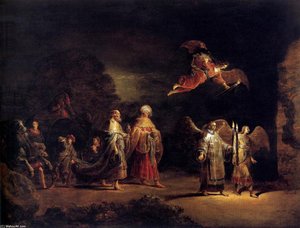
Leonaert Bramer’s “Design for a wall decoration,” created in 1645, stands as a testament to the Baroque fascination with dramatic nocturnal landscapes and intricate storytelling—a style that cemented his reputation as “Leonardo della Notte.” More than just a visual representation, this drawing embodies the spirit of its time, reflecting Delft’s artistic prowess during the Golden Age and offering valuable insights into the creative process of one of Holland's most celebrated painters.Composition and Narrative Depth
The artwork’s composition is deliberately dense, populated with figures arranged in a manner that suggests a theatrical scene unfolding within an architectural framework—likely conceived as inspiration for a monumental decorative panel. A central figure dominates the view, positioned with his back to the viewer, while another gazes forward slightly behind him, establishing a dynamic interplay of perspectives and inviting contemplation. Several seated individuals contribute to the visual tapestry, creating layers of depth and complexity that underscore the narrative intent. The arched doorway framing the scene serves as a focal point, guiding the eye inward and reinforcing the sense of enclosure—a characteristic element of Baroque art designed to immerse the viewer in an emotionally charged experience.Technique: Cross-Hatching and Illusionistic Rendering
Bramer’s masterful technique is evident in the extensive use of cross-hatching and fine lines meticulously applied to render textures and tonal variations with remarkable precision. These lines aren't merely descriptive; they actively sculpt the image, conveying a palpable sense of roughness on clothing surfaces and stone walls alike—a deliberate stylistic choice that contributes to the overall illusionistic effect. The varying density of lines simulates light reflection, creating subtle gradations of color and enhancing the realism of the depiction. This painstaking attention to detail reflects Bramer’s dedication to capturing not just what he saw but also how it felt—a hallmark of Baroque artistry aimed at transporting the viewer into another realm.Symbolism and Contextual Significance
The drawing's symbolism transcends its immediate visual elements, hinting at broader themes of power, piety, and human drama. The central figure’s attire – reminiscent of Middle Eastern influences – speaks to the artistic currents circulating in Europe during Bramer’s era, reflecting a fascination with exotic cultures and traditions. Furthermore, the architectural setting—particularly the archway—represents stability and grandeur, mirroring the aspirations of aristocratic patrons who commissioned such artworks. “Design for a wall decoration” exemplifies the Baroque preoccupation with conveying moral lessons through visual spectacle—a tradition rooted in Renaissance humanist ideals and fueled by religious fervor.Emotional Resonance: A Window into Baroque Aesthetics
Ultimately, Bramer’s drawing transcends mere decorative function; it aspires to evoke emotion and inspire contemplation. The artist's ability to capture the atmosphere of darkness and illumination—characteristic of nocturnal scenes—demonstrates a profound understanding of Baroque aesthetics. Like many artworks from this period, “Design for a wall decoration” seeks to engage the viewer on an intellectual and emotional level, prompting reflection on themes of faith, honor, and human experience. It remains a captivating example of artistic innovation and stylistic mastery—a timeless masterpiece that continues to resonate with audiences today.- Artist: Leonaert Bramer
- Date: 1645
- Medium: Pen on Paper
- Size: 180 x 216 cm
Domande e risposte
Qual è l'uso consigliato per una stampa di "Design for a wall decoration"?
Una riproduzione di "Design for a wall decoration" di Leonaert Bramer è consigliata per Accent. Questo suggerimento deriva dal soggetto, dall'atmosfera e dai colori dell'opera.
Quali sono la tecnica e le dimensioni di "Design for a wall decoration" di Leonaert Bramer?
L'originale "Design for a wall decoration" di Leonaert Bramer è un'opera in Acrylic On Canvas di dimensioni 180 x 216 cm. La tecnica e le dimensioni si riferiscono all'opera originale.
Quale tavolozza e quale emozione si incontrano in "Design for a wall decoration"?
La tavolozza Neutrals di "Design for a wall decoration" di Leonaert Bramer si sposa con il suo tono emotivo Mysterious. Il colore è uno dei mezzi attraverso cui un'opera trasmette emozioni.
Biografia dell'artista
Leonaert Bramer: Una Vita tra Arte e Intrighi
- Nato: Delft, Paesi Bassi (1596)
- Morto: 1674
Leonaert Bramer, conosciuto anche come Leonard o Leendert, è stato un prolifico pittore olandese del XVII secolo. È riconosciuto per le sue scene di genere, opere religiose e dipinti storici, spesso caratterizzati da ambientazioni notturne ed esotici dettagli. La sua vita fu segnata da estesi viaggi, innovazione artistica e coinvolgimento nella vivace scena culturale di Delft.
Primi Anni e Soggiorno Italiano
- Primi Viaggi: Nel 1614, all'età di 18 anni, Bramer intraprese un significativo viaggio che lo portò attraverso varie città europee, raggiungendo infine Roma nel 1616.
- Bentvueghels e Vita Romana: Divenne parte dei Bentvueghels, un gruppo di artisti del nord residenti a Roma, guadagnandosi il soprannome di "Nestelghat" (Irrequieto). Il suo periodo in Italia non fu privo di incidenti, incluso uno scontro con Claude Lorraine.
- Sviluppo Artistico in Italia: Bramer trascorse un considerevole tempo a Roma, Mantova e Venezia, sviluppando le sue abilità e acquisendo il soprannome di “Leonardo della Notte” a causa della sua predilezione per scene notturne. Padroneggiò la pittura a fresco durante questo periodo.
Ritorno a Delft e Stile Artistico
- Ammissione alla Gilda: Ritornando a Delft nel 1628, Bramer entrò nella Gilda di San Luca nel 1629.
- Mecenatismo: Ricevette il patrocinio da figure importanti come membri della Casa d'Orange, nonché da funzionari locali.
- Diverse Attività Artistiche: Oltre alla pittura, Bramer progettò per aziende di tappeti e creò murales e soffitti, alcuni impiegando tecniche illusionistiche. I suoi affreschi, sebbene ora perduti a causa delle condizioni climatiche, furono una caratteristica notevole degli edifici civici di Delft.
- Stile Unico: Lo stile di Bramer è caratterizzato dalla sua energia nervosa e dalla sua abile rappresentazione della riflessione della luce. Spesso preferiva temi italiani rispetto ai tipici soggetti olandesi come paesaggi o nature morte.
Influenze e Relazioni Notevoli
- Influenze Artistiche: Bramer fu influenzato da Adam Elsheimer e dal pittore di affreschi Agostino Tassi.
- Relazione con Johannes Vermeer: Svolse un ruolo significativo nella difesa di Johannes Vermeer quando la futura suocera tentò di impedirgli il matrimonio, suggerendo una possibile relazione di tutoraggio tra i due artisti. Si ipotizza che Bramer possa essere stato l'insegnante di Vermeer.
- L'"Album Bramer": Questa collezione di disegni (1642-1654) fornisce preziose informazioni sulle collezioni di Delft e sulle pratiche artistiche dell'epoca.
Eredità e Significato Storico
- Personalità Intrigante: Bramer è considerato una figura intrigante nell'arte olandese del XVII secolo a causa dei suoi viaggi, delle sue diverse attività artistiche e del suo coinvolgimento in vari circoli sociali.
- Visione Artistica Unica: La sua preferenza per i temi italiani e le scene notturne lo distinguevano da molti dei suoi contemporanei.
- Contributo alla Scena Artistica di Delft: Il lavoro di Bramer ha contribuito in modo significativo alla vivace scena artistica di Delft, influenzando le generazioni successive di artisti.
- Riconoscimento Postumo: Nonostante una vendita delle sue opere dopo la sua morte, l'eredità di Bramer è stata rivalutata negli ultimi tempi, consolidando il suo posto come figura importante nella storia artistica olandese.

Leonaert Bramer
1596 - 1674 , Paesi Bassi
Dettagli rapidi
- Artisti Influenti:
- Adam Elsheimer
- Agostino Tassi
- Data Di Nascita: 24 dicembre 1596
- Luogo Di Nascita: Delft, Paesi Bassi
- Movimento Artistico: Genere, religioso, storico
- Nazionalità: Olandese
- Nome Completo: Leonaert Bramer
- Opere Notevoli:
- La resurrezione di Lazzaro
- San Pietro che rinnega Gesù
Articoli correlati

I 10 Capolavori del Barocco Olandese che Hanno Definito un'Epoca | OriginalUniqueArt
Esplora i 10 capolavori del Barocco olandese con OriginalUniqueArt. Scopri Rembrandt, Vermeer e altri maestri. Quadri antichi, luce intensa e storie affascinanti per decorare la tua casa con arte di qualità museale. Esplora la collezione online!

I 10 Capolavori dell'Età d'Oro Olandese: Arte, Storia e Stile per la Tua Casa
Esplora i 10 capolavori dell'Età d'Oro Olandese con ! Rembrandt, Vermeer e altri maestri rivivono in dipinti iconici. Scopri storia, tecnica e colori di opere senza tempo per arredare la tua casa con arte di qualità museale. Esplora la collezione online!

Golden Light & Dutch Skies: The Timeless Magic of Dutch Golden Age Landscapes
Discover the breathtaking beauty of Dutch Golden Age landscapes. Explore the mastery of light, chiaroscuro, and 17th-century realism through an expert art history lens, celebrating the enduring legacy of the Dutch Masters for discerning collectors and art lovers.

Golden Age Reflections: Dutch Baroque Painting & Cultural Innovation
Explore the Dutch Golden Age of painting! Discover key artists like Vermeer & ter Borch, their innovative techniques, and the rich cultural context behind these Baroque masterpieces. Learn about collecting & appreciating this iconic art period.

Chiaroscuro and Character: A Definitive Guide to Light and Shadow in the Dutch Baroque Era
Explore the dramatic mastery of the Dutch Baroque era. Discover how masters like Rembrandt used chiaroscuro to transform everyday life into timeless art. An expert guide for collectors and enthusiasts seeking to understand the profound interplay of light and shadow.