
 Anteprima in scala reale
 Invia
Invia Condividi
 Dettagli opera
 Guida
Guida

 Scarica
 Simili
 Radiografia
 Slideshow
 Domande e risposte
 Statistiche
Still Life Decaying Apples

- 34.0 x 44.0 cm


 Espandi i dettagli
L'opera d'arte visualizzata in questa pagina è protetta dalle leggi sul diritto d'autore, il che significa che non possiamo legalmente creare o vendere una riproduzione identica. Tale protezione è garantita da accordi internazionali quali la Convenzione di Berna e dalle leggi nazionali, incluse quelle stabilite da Legge sul copyright degli Stati Uniti - Titolo 17. Tutti i diritti riservati. Le immagini presenti su questo sito sono protette da copyright e non possono essere riprodotte o utilizzate senza l'autorizzazione scritta di WahooArt.com o dei rispettivi proprietari del copyright.
Questo metodo è pienamente conforme alle normative sul diritto d'autore poiché non prevede la copia o la duplicazione dell'opera protetta. Si tratta invece di una rielaborazione creativa: un nuovo dipinto che trae ispirazione dall'originale, senza tuttavia esserne identico.
Giclée / Stampe d'arte
Stampa giclée o su tela di qualità museale, con produzione rapida e diverse opzioni di finitura. ( Acquista il dipinto realizzato a mano Passa all'immagine digitale)




P118B €10

P118H €10

P118W €10

P438Z €10

P508JH €12

P508YH €12

P805H €10

P805Z €10

P919BZ €10

P919G €10

P919XJ €10

P959ZH €10

P968JZ €12

W106C €8

W218G €10

W218JH €8

W218Y €10

W307PJ €10

W316G €10

W316PJ €8

W316Y €10

W398PJ €8

W4111J €10

W500HY €15

W500JH €15

W692G €12

W849H €8

W940BG €15

W953PJ €8




Scegli tra le nostre dimensioni predefinite, che rispettano le proporzioni originali dell'opera d'arte.

Inserisci la larghezza e l'altezza desiderate, per adattarle alla tua cornice o alla tua parete. Una stampa può essere solo ritagliata, mai resa più grande dell'immagine originale; pertanto, un formato con una forma differente comporterà la perdita di una parte dell'opera. Ti invieremo un mockup digitale da approvare prima di procedere con la stampa. L'immagine mostrata in questa pagina non rappresenta il ritaglio reale — solo il mockup lo mostra.
Consegna in tutto il mondo () in 2 settimane invece delle normali 4/5 settimane. (5 Novembre)

Spedizione espressa gratuita in tutto il mondo

Tela in lino di alta qualità

Assicurazione completa sulla spedizione

Garanzia di rimborso dei dazi doganali

Garanzia di fedeltà cromatica assoluta

Politica di reso entro 100 giorni (solo per difetti di fabbricazione)

Garanzia di rimborso al 100%

Offerta per acquisti multipli
 L'opzione vetro è disponibile solo per dimensioni inferiori a 110 cm

Still Life Decaying Apples
Giclée / Stampe d'arte
Dimensioni riproduzione
-


Prezzo finale calcolato
€ 72
A Poignant Meditation on Impermanence
In the quiet, contemplative realm of Still Life Decaying Apples, Sir Lawrence Gowing invites us into a space where time itself seems to slow and settle like dust upon a wooden table. Created in 1946, a period marked by the profound global shifts following the Second World War, this work transcends a mere study of fruit to become a hauntingly beautiful meditation on the cycle of life. The composition is anchored by a collection of apples, their forms varying in size and shape, scattered across the tabletop with an organic, unforced grace. Some fruits sit prominently in the foreground, demanding our immediate attention, while others recede into the soft shadows of the background, creating a rhythmic depth that draws the eye deeper into the painting’s intimate atmosphere.
The presence of two bowls—one nestled near the left periphery and another resting more centrally—alongside a solitary bottle on the right, provides a structural balance to the scene. These objects are not merely props; they serve as silent witnesses to the inevitable passage of time. The title itself, hinting at decay, suggests a vanitas tradition, where the beauty of the fruit is inextricably linked to its eventual decline. For the discerning collector or interior designer, this piece offers a sophisticated layer of intellectual and emotional depth, making it an ideal centerpiece for spaces that value quiet reflection and the understated elegance of the British academic tradition.
Mastery of Light and Texture
Gowing’s technique in this mid-century masterpiece demonstrates a profound command over light and the tactile qualities of his subject matter. The artist employs a subtle, nuanced application of paint to capture the varying textures of the fruit—from the smooth, taut skin of a ripening apple to the bruised, softening surfaces of those beginning to succumb to time. Through a masterful use of chiaroscuro, light dances across the curves of the apples and the reflective surfaces of the glassware, creating a sense of three-dimensional volume that feels remarkably tangible.
The color palette is earthy and grounded, utilizing muted tones that evoke a sense of nostalgia and somber beauty. This restrained use of color allows the viewer to focus on the subtle gradations of shadow and the delicate interplay of light, which imbues the work with a soft, almost melancholic glow. For those seeking to adorn a home or gallery with a high-quality reproduction, the visual richness of Gowing’s brushwork ensures that every detail—from the glint on the bottle to the subtle imperfections in the fruit—is rendered with breathtaking clarity and emotional resonance.
An Enduring Legacy for Modern Interiors
Beyond its technical brilliance, Still Life Decaying Apples carries an emotional weight that resonates across generations. It is a work that speaks to the universal human experience of change and the bittersweet beauty found in fragility. In a modern era often characterized by rapid movement and digital ephemeralness, Gowing’s ability to freeze a moment of quiet decay offers a grounding, soulful presence.
Integrating a reproduction of this caliber into an interior design scheme allows for the introduction of historical gravity and artistic sophistication. Whether placed in a sunlit study or a moody, contemporary dining room, the painting acts as a conversational anchor, prompting viewers to pause and contemplate the transient nature of beauty. It is more than a decoration; it is an invitation to find grace in the ephemeral, making it a timeless acquisition for any lover of fine art.
Domande e risposte
Dove posso trovare opere d'arte simili a "Still Life Decaying Apples" di Lawrence Gowing?
Le opere simili a "Still Life Decaying Apples" sono elencate nella pagina Opere simili dell'opera.
In che anno è stata realizzata l'opera "Still Life Decaying Apples" di Lawrence Gowing e a quale movimento appartiene?
"Still Life Decaying Apples" di Lawrence Gowing risale al 1946 e appartiene al Contemporary Realism.
Che livello di saturazione e intensità presenta "Still Life Decaying Apples" di Lawrence Gowing?
La saturazione del colore di "Still Life Decaying Apples" è Clear Color Presence e la sua intensità è Balanced.
Biografia dell'artista
Lawrence Gowing: Una vita dedicata all'arte e all'educazione
Sir Lawrence Burnett Gowing (1918-1991) non fu soltanto un artista; fu una figura cardine nel panorama dell'arte britannica del XX secolo, un educatore instancabile la cui influenza ha risuonato attraverso generazioni di artisti e studiosi. Nato a Hackney, nell'East London – un inizio sorprendentemente umile per colui che avrebbe in seguito conquistato il rispetto dei più alti vertici del mondo dell'arte – la giovinezza di Gowing fu plasmata dalla sua educazione quacchera e da una acuta osservazione dell'ambiente urbano, come testimoniato dalla sua opera primordiale, “Mare Street, Hackney”, un vibrante spaccato del negozio di tessuti di suo padre. Questa prima incursione nella pittura gettò le basi per una carriera che seppe fondere armoniosamente la creazione artistica con il rigoroso studio accademico e una passione feconda per l'insegnamento.
La formazione artistica formale di Gowing ebbe inizio presso la prestigiosa Leighton Park School nel Gloucestershire e proseguì alla Euston Road School, dove studiò sotto la guida di William Coldstream – un'esperienza formativa che gli instillò un impegno profondo verso l'osservazione diretta e una comprensione sfumata del colore. Fondamentale fu il suo periodo di obiezione di coscienza durante la Seconda Guerra Mondiale, che lo condusse a uno studio autodidatta, favorendo un approccio indipendente alla storia dell'arte e un profondo apprezzamento per i maestri della pittura europea. Questo spirito autodidatta si rivelò prezioso mentre navigava nel mutevole scenario artistico della Gran Bretagna del dopoguerra.
Un ritrattista di rilievo e un interprete di Turner
Gli anni Quaranta segnarono un punto di svolta nella carriera di Gowing, consacrandolo come un ricercato pittore di ritratti. Ottenne rapidamente riconoscimento per la sua capacità di catturare l'essenza di figure illustri – Clement Attlee, Lord Halifax, Edgar Adrian – infondendo in ogni ritratto un senso di dignazione e carattere. Questi non erano semplici somiglianze; erano narrazioni accuratamente costruite che riflettevano la posizione del soggetto all'interno della società. Contemporaneamente, egli continuò a coltivare la sua passione di una vita per la pittura di paesaggio en plein air, affinando le proprie abilità attraverso l'osservazione e la sperimentazione.
La dedizione di Gowing verso Turner è particolarmente degna di nota. Nel 1966, orchestrò una mostra storica al Museum of Modern Art di New York, mettendo in luce la vastità e la brillantezza dell'opera del pittore romantico. Questo evento non solo portò il lavoro di Turner a un pubblico più ampio, ma cementò anche la reputazione di Gowing come autorità principale sull'artista. Esposizioni successive a Londra e in Francia consolidarono ulteriormente la sua competenza e la sua influenza internazionale.
Accademia e leadership istituzionale
Al di là delle sue aspirazioni artistiche, Gowing lasciò un segno indelebile come educatore. Iniziò l'insegnamento al King's College di Durham (successivamente Newcastle upon Tyne) nel 1948, ascendendo alla direzione della Chelsea School of Art dal 1958 al 1965 e assumendo infine il ruolo di Direttore della Slade School of Fine Art presso l'University College London dal 1975 al 1985. Questi incarichi richiedevano non solo visione artistica, ma anche doti amministrative, modellando i programmi di studio e promuovendo un ambiente di apprendimento vibrante per innumerevoli studenti.
La sua influenza si estese ben oltre l'aula; Gowing servì come fiduciario di istituzioni prestigiose come la Tate Gallery, la National Portrait Gallery e il British Museum, dimostrando il suo impegno nel preservare e promuovere l'eredità artistica. Fu inoltre eletto Associato della Royal Academy nel 1978 e successivamente divenne Curatore Onorario, consolidando ulteriormente il suo prestigio all'interno della comunità artistica.
Eredità e influenza duratura
L'eredità di Lawrence Gowing è poliedrica. Non fu semplicemente un pittore o un insegnante; fu un curatore, uno storico dell'arte e un fervente sostenitore del potere duraturo della cultura visiva. Le sue ricerche meticolose, i suoi scritti profondi e la sua dedizione sia alla creazione artistica che all'educazione hanno lasciato un segno innegabile nella storia dell'arte britannica. La recente apertura del suo archivio personale presso l'University College London offre spunti preziosi sul lavoro della sua vita, garantendo che i suoi contributi continuino a essere studiati e apprezzati per le generazioni a venire.
Il suo impegno nel promuovere una comprensione profonda delle tecniche artistiche, in particolare nello studio di maestri come Vermeer, Hogarth, Turner, Cézanne, Matisse e Freud, ha permesso agli studenti di acquisire sia competenze tecniche che capacità di pensiero critico. L'approccio di Gowing non enfatizzava la semplice imitazione, ma un vero e proprio coinvolgimento con il contesto storico e le sfumature stilistiche dell'opera di ogni artista – una filosofia che continua a risuonare profondamente nell'educazione artistica contemporanea.

Lawrence Gowing
1918 - 1991 , Regno Unito
Dettagli rapidi
- Artistic Movement Or Style: Ritrattistica, Paesaggio
- Artists Or Movements Influenced By This Artist:
- Vermeer
- Turner
- Cézanne
- Artists Who Influenced This Artist: ['William Coldstream']
- Date Of Birth: 21 aprile 1918
- Date Of Death: 5 febbraio 1991
- Full Name: Lawrence Burnett Gowing
- Nationality: Inglese
- Notable Artworks:
- Mare Street, Hackney
- On the Phone
- Place Of Birth: Hackney, Londra
Articoli correlati
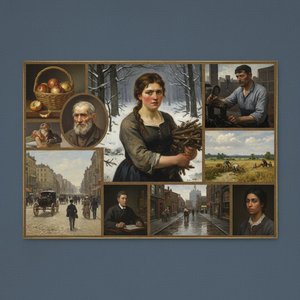
Realismo nell'Arte: I 10 Capolavori che Rivoluzionano la Percezione
Esplora i 10 capolavori del Realismo con OriginalUniqueArt.com! Da Courbet a Manet, scopri la storia e le tecniche di questi dipinti iconici. Trova riproduzioni d'arte di alta qualità per decorare casa tua. Scopri tutte le opere su OriginalUniqueArt.com

The Bountiful Still Life: Symbolism & Artistic Representation of Fruit Across Art History
Explore the rich history of still life painting & the symbolism of fruit across art movements. Discover masterpieces from Caravaggio to Cézanne with OriginalUniqueArt – expert guidance & museum-quality reproductions.

I 10 Capolavori del Realismo Romantico che hanno Incantato la Storia dell'Arte
Esplora l'emozione del Realismo Romantico attraverso 10 capolavori senza tempo. Scopri la storia di maestri come Constable e Friedrich e lasciati ispirare da opere iconiche per il tuo arredamento. Trova riproduzioni d'arte di qualità museale su OriginalUniqueArt.com.

Silent Narratives: Exploring the Enduring Appeal of Still Life Painting Across Centuries
Explore the rich history of still life painting with OriginalUniqueArt. Discover Dutch Masters, decode vanitas symbolism & learn about collecting timeless art. Expert insights and museum-quality reproductions.

I 25 Capolavori di Paul Cézanne: L'Architetto della Forma
Scopri i 25 capolavori di Paul Cézanne e la rivoluzione post-impressionista. Esplora la collezione su OriginalUniqueArt.com.