Anteprima in scala reale
 Condividi
 Condividi
 Dettagli
 Guida stampabile

 Scarica
 Articoli simili
 Radiografia
 Slideshow
 Statistiche
The Blueprint Drawings


 Leggi tutto
L'opera d'arte visualizzata in questa pagina è protetta dalle leggi sul diritto d'autore, il che significa che non possiamo legalmente creare o vendere una riproduzione identica. Tale protezione è garantita da accordi internazionali quali la Convenzione di Berna e dalle leggi nazionali, incluse quelle stabilite da Legge sul copyright degli Stati Uniti - Titolo 17. Tutti i diritti riservati. Le immagini presenti su questo sito sono protette da copyright e non possono essere riprodotte o utilizzate senza l'autorizzazione scritta di WahooArt.com o dei rispettivi proprietari del copyright.
Questo metodo è pienamente conforme alle normative sul diritto d'autore poiché non prevede la copia o la duplicazione dell'opera protetta. Si tratta invece di una rielaborazione creativa: un nuovo dipinto che trae ispirazione dall'originale, senza tuttavia esserne identico.
Giclée / Stampe d'arte
Stampa giclée o su tela di qualità museale, con produzione rapida e diverse opzioni di finitura. ( Ordina la riproduzione dipinta a mano Passa all'immagine digitale)




P118B €10

P118H €10

P118W €10

P438Z €10

P508JH €12

P508YH €12

P805H €10

P805Z €10

P919BZ €10

P919G €10

P919XJ €10

P959ZH €10

P968JZ €12

W106C €8

W218G €10

W218JH €8

W218Y €10

W307PJ €10

W316G €10

W316PJ €8

W316Y €10

W398PJ €8

W4111J €10

W500HY €15

W500JH €15

W692G €12

W849H €8

W940BG €15

W953PJ €8




Scegli tra le nostre dimensioni predefinite, che rispettano le proporzioni originali dell'opera d'arte.

Inserisci la larghezza e l'altezza desiderate, per adattarle alla tua cornice o alla tua parete. Una stampa può essere solo ritagliata, mai resa più grande dell'immagine originale; pertanto, un formato con una forma differente comporterà la perdita di una parte dell'opera. Ti invieremo un mockup digitale da approvare prima di procedere con la stampa. L'immagine mostrata in questa pagina non rappresenta il ritaglio reale — solo il mockup lo mostra.
Consegna in tutto il mondo () in 2 settimane invece delle normali 4/5 settimane. (23 Ottobre)

Spedizione espressa gratuita in tutto il mondo

Tela in lino di alta qualità

Assicurazione completa sulla spedizione

Garanzia di rimborso dei dazi doganali

Garanzia di perfetta fedeltà cromatica

Politica di reso entro 100 giorni (solo per difetti di fabbricazione)

Garanzia di rimborso al 100%

Sconto per acquisti multipli
 L'opzione vetro è disponibile solo per dimensioni inferiori a 110 cm

The Blueprint Drawings
Giclée / Stampe d'arte
Dimensioni della riproduzione
-


Prezzo totale
€ 70
Exploring the Energetic Geometry of Keith Haring’s “The Blueprint Drawings”
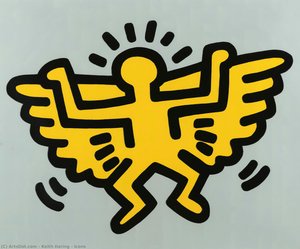
“The Blueprint Drawings,” created in 1990 by Keith Haring, stands as a testament to the artist's singular vision—a bold declaration of playful energy and social consciousness rendered in deceptively simple lines. This series of six interconnected panels transcends mere visual representation; it embodies Haring’s distinctive approach to Pop Art, blending influences from graffiti art and cartoon aesthetics into a powerfully emotive statement about human connection and collective action.Composition and Technique: A Grid of Dynamic Gestures
The artwork's striking geometric structure immediately commands attention. Six rectangular panels are arranged in a grid, fostering a sense of order amidst the exuberant dynamism contained within each individual scene. Haring’s technique is remarkably direct—a masterful application of black ink on white paper achieved through meticulous drawing with a pen or marker. The absence of shading or subtle gradations underscores the artist's deliberate focus on line work, creating crisp, clean lines that define figures and objects alike. Dotted or hatched areas subtly introduce textural variation without detracting from the overall graphic impact. This technique speaks to Haring’s commitment to accessibility and immediacy—a rejection of academic conventions in favor of a visual language rooted in urban culture.Historical Context and Symbolic Resonance
Haring emerged onto the New York art scene during the AIDS crisis, a period marked by profound social anxieties and artistic experimentation. His work served as a visceral response to this moment, channeling feelings of vulnerability and resilience into stylized depictions of human figures engaged in repetitive actions—a deliberate echo of graffiti culture’s preoccupation with repetition and rhythm. The inclusion of elements like a baseball bat symbolizes playfulness but also hints at underlying tensions – mirroring the complexities of navigating societal challenges while maintaining optimism. Furthermore, the raised arms prevalent throughout the series are interpreted as expressions of celebration, surrender, or protest, encapsulating Haring's belief in the transformative power of collective action and artistic engagement.Style and Influences: Pop Art Meets Graffiti
“The Blueprint Drawings” firmly establishes Haring’s stylistic signature—a fusion of Pop Art principles with the rebellious spirit of graffiti art. Like Warhol and Lichtenstein before him, Haring embraced bold colors (though absent here) and simplified forms to convey powerful messages. However, unlike his predecessors, Haring drew inspiration directly from street culture, incorporating elements like stylized figures reminiscent of cartoon characters and utilizing repetitive patterns characteristic of graffiti murals. This stylistic blend reflects Haring’s desire to democratize artmaking and engage audiences on a visceral level—a mission that continues to resonate with contemporary artists and collectors alike.Emotional Impact: A Celebration of Connection
Ultimately, “The Blueprint Drawings” transcends its formal elements to deliver an emotionally resonant experience. The artwork's stark monochrome palette amplifies the impact of Haring’s expressive line work, conveying a sense of urgency and conviction. More than just aesthetically pleasing, it serves as a reminder of Haring’s unwavering belief in human connection—a celebration of shared experiences and collective responsibility. Reproductions of this iconic piece offer an opportunity to immerse oneself in Haring's visionary aesthetic and contemplate the enduring relevance of his artistic message.Domande e risposte
A quale periodo della carriera di Keith Haring appartiene "The Blueprint Drawings"?
"The Blueprint Drawings" appartiene al Late Period della carriera di Keith Haring. Questa classificazione riconduce l'opera all'evoluzione dell'artista.
In che modo "The Blueprint Drawings" di Keith Haring collega Pop Art al paese d'origine dell'artista?
"The Blueprint Drawings" è stata creata da Keith Haring, nato in Stati Uniti d'America, all'interno del movimento Pop Art. L'origine dell'artista lega l'opera al Pop Art così come praticato dagli artisti di Stati Uniti d'America.
Esiste una scheda informativa su "The Blueprint Drawings" di Keith Haring per gli studenti?
La pagina Schede didattiche di "The Blueprint Drawings" di Keith Haring offre una scheda informativa stampabile in due fogli: l'opera d'arte con la sua tabella identificativa, una linea temporale decennale che la colloca nel periodo di vita dell'artista, altre opere dello stesso autore, la tavolozza dei colori misurata e citazioni pronte per essere copiate in quattro stili diversi.
Biografia dell'artista
La Primi Anni e le Influenze
Keith Allen Haring, un artista e attivista sociale americano, nacque il 4 maggio 1958 a Reading, Pennsylvania. La sua infanzia fu segnata da un forte interesse per l'arte, influenzato dal padre, Allan Haring, ingegnere e cartooneamatore dilettante. La passione di Keith per l’arte fu ulteriormente nutrita dai cartoni animati Disney, dalle opere di Dr. Seuss, Charles Schulz e dai personaggi dei Looney Tunes.Il Percorso Artistico
Dopo un breve periodo di studio in arte commerciale presso la Ivy School of Professional Art di Pittsburgh (1976-1978), Haring si sentì deluso dall'approccio convenzionale all’arte. Ispirato da "The Art Spirit" di Robert Henri (1923), decise di concentrarsi sul suo stile unico, che sarebbe diventato un linguaggio visivo del XX secolo.New York e l'Ascesa alla Fama
Alla fine degli anni '70, Haring si trasferì a New York City, dove divenne una figura chiave nella scena artistica underground. La sua opera, caratterizzata da linee audaci, colori vivaci e figure dinamiche, iniziò a trasmettere messaggi potenti di vita e unità. In questo periodo nacque il suo simbolo iconico, "il bambino radioso," che divenne sinonimo del suo stile.- Untitled (235), un esempio emblematico del suo stile pop art, può essere ammirato su OriginalUniqueArt.
- Il coinvolgimento di Haring nella cultura street art newyorkese degli anni '80 portò a numerose opere pubbliche, tra cui "Crack is Wack" (1986), visibile dalla FDR Drive.
- La sua associazione con Andy Warhol, come si vede in "Andy Mouse," fu un elemento significativo del suo successo.
Riconoscimento Internazionale e Attivismo
Negli anni '80, Haring si affermò a livello internazionale, con opere come The Story of Red and Blue (collezione Nakamura Keith Haring, Hokuto, Giappone), visibile su OriginalUniqueArt. Il suo attivismo si estese alla progettazione di un poster per l'Africa del Sud libera nel 1985 e alla pittura di una sezione del muro di Berlino nel 1986.Eredità
L’eredità di Keith Haring non si limita alla sua arte; si estende alla sua influenza sull'attivismo sociale e sul linguaggio visivo del XX secolo. La sua opera continua a ispirare, con i disegni blueprint (collezione Nakamura Keith Haring, Hokuto, Giappone) che testimoniano il suo impatto duraturo.- Per maggiori informazioni sulla vita e le opere di Haring, visita la pagina dedicata su OriginalUniqueArt.
- Esplora il movimento neoespressionista, che ha influenzato lo stile di Haring, nella pagina dedicata su OriginalUniqueArt.
Conclusione
La vita di Keith Haring è stata una testimonianza del potere dell'arte come mezzo per il cambiamento sociale. La sua eredità, segnata dal suo linguaggio visivo iconico e dalla sua incrollabile attività attivista, continua a ispirare artisti e attivisti in tutto il mondo.
Keith Haring
1958 - 1990 , Stati Uniti d'America
Informazioni rapide
- Artistic Movement Or Style: Pop Art, Neo-Espressionismo
- Artists Or Movements Influenced By This Artist: ['Neo-Espressionismo']
- Artists Who Influenced This Artist:
- Walt Disney
- Dr. Seuss
- Charles Schulz
- Andy Warhol
- Jean Dubuffet
- Date Of Birth: 4 maggio 1958
- Date Of Death: 16 febbraio 1990
- Full Name: Keith Allen Haring
- Nationality: Americano
- Notable Artworks:
- Untitled (235)
- Crack is Wack
- The Story of Red and Blue
- Place Of Birth (City And Country): Reading, Stati Uniti d'America
Articoli correlati
Keith Haring: La Subversione della Cultura Pop – Un'Analisi del Commento Sociale e dell'Innovazione Artistica
Esplora l'universo artistico di Keith Haring: analisi del suo impegno sociale, dell'iconografia pop e dell'influenza sulla cultura contemporanea. Guida completa per collezionisti esperti.
Beyond the Line: Mastering the Raw Power of Contemporary Drawing and Urban Expression
Master the raw energy of contemporary drawing. Explore how street art, bold graphic lines, and urban grit are redefining modern aesthetics. Discover expert trend forecasts for collecting high-impact, pop-culture-inspired pieces that transform any space with unapologetic power.

Aggressive Confrontational Pop: The Bold Rebellion of Modern Art and Its Impact on Contemporary Aesthetics
Explore the visceral power of Aggressive Confrontational Pop. From the rebellion of NO!art to Neo-Pop icons, discover how bold aesthetics and social critique redefined modern art for today's discerning collectors.

The Alchemy of Ink: Mastering the Timeless Beauty and Art History of Paper and Brush
Embark on a sophisticated exploration of ink wash painting and Sumi-e. Uncover the profound historical lineages, Zen philosophies, and technical mastery behind this timeless medium in our authoritative guide for fine art enthusiasts.
Bold & Iconic: A Definitive Guide to the Vibrant World of Pop Art Masterpieces
Dive into the vibrant world of Pop Art. Explore iconic masterpieces from Warhol to Haring, discover how bold colors and mass media redefined art history, and learn to curate high-impact, colorful pieces for your modern home collection.