Pop Art · 1990
Icons (Keith Haring, 1990)
Keith Haring (1958–1990) ha realizzato Icons. Risale al 1990. Fa parte del movimento Pop Art. È realizzato in Litografia. È conservata presso il Nakamura Keith Haring Collection a Hōkuto, Giappone.
- 1990
- Litografia
- Nakamura Keith Haring Collection, Hōkuto

 Anteprima in scala reale

 Dipinto a olio fatto a mano
 Invia
 Condividi
 Scheda didattica


 Scarica
 Simili
 Radiografia
 Slideshow
 Domande e risposte

 Statistiche
Icons, in breve
- Titolo
- Icons
- Artista
- Keith Haring (1958–1990)
- Artista nato a
- Reading, Stati Uniti d'America
- Date
- 1990
- Tecnica
- Litografia
- Dove vederlo
- Nakamura Keith Haring Collection, Hōkuto, Giappone
- Movimento
- Pop Art
- Epoca
- Età Moderna
Cosa raffigura Icons?
A Chronicle of Innocence and Mystery: Unpacking Keith Haring’s “Icons”
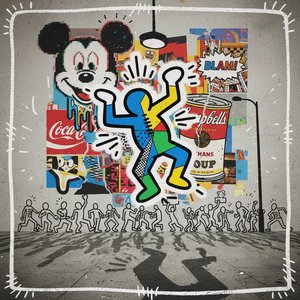
Keith Haring's "Icons," created in 1990 during the final year of his tragically short life, stands as a potent distillation of his revolutionary artistic vision. Published alongside the artist’s passing, this lithograph series – featuring his signature TAG characters – immediately resonates with an urgency born from its historical context: the vibrant, chaotic energy of 1980s New York City and Haring's own fervent engagement with social issues. The image itself, a close-up rendering of the “Radiant Baby,” is deceptively simple yet profoundly layered with meaning, inviting endless interpretation and reflecting the artist’s deeply personal reflections on life, death, and the human condition.
- The Radiant Baby: Haring's most iconic figure, the crawling baby, embodies youthful innocence, purity, and potential. Initially conceived as a symbol of hope amidst the AIDS crisis, its open-mouthed expression – rendered in unsettling shades of purple and teeth – subtly shifts this interpretation. The wide eyes suggest not just naiveté but also a disconcerting awareness, perhaps even a premonition of the complexities and dangers that lie ahead.
- Symbolic Gestures: Beyond the immediate visual impact, "Icons" is replete with symbolic gestures. The ‘x’ on the “Winged Man”’s chest, a recurring motif, represents both death and mystery, acting as a marker of transition or a signpost to the unknown.
- The Smiley Face: Haring's enigmatic "Smiley Face," often depicted with an unsettlingly wide grin, presents a fascinating paradox. Initially intended as a symbol of joy and connection, it quickly became associated with greed, excess, and the darker aspects of consumer culture – a reflection of the anxieties prevalent in late 20th-century society.
Technique and Style: A Bold Fusion
Created as a lithograph, “Icons” showcases Haring’s masterful manipulation of printmaking techniques. His signature black outlines are rendered with remarkable precision, creating a graphic intensity that is both immediate and enduring. The use of flat color fields – particularly the vibrant yellow of the smiling face – contributes to the work's iconic status, echoing the bold, almost cartoonish aesthetic he developed throughout his career. Haring’s technique was deliberately accessible, rejecting traditional academic approaches in favor of direct communication with a broad audience, reflecting his desire to engage with social and political issues through art.
Historical Context and Legacy
"Icons" was produced during a pivotal moment in Haring's artistic trajectory. His work, initially created as spontaneous chalk drawings on the sidewalks of New York City, quickly gained recognition for its raw energy and direct engagement with urban life. The series reflects his growing interest in spirituality and his exploration of themes related to identity, power, and social justice. The fact that it was completed in the same year as Haring’s death adds a poignant layer to the work, transforming it into a memorial to a brilliant and tragically short-lived talent.
Emotional Impact and Collectible Value
More than just a visually striking image, “Icons” evokes a powerful emotional response. The unsettling juxtaposition of innocence and menace within the "Radiant Baby" forces viewers to confront uncomfortable truths about human nature and societal values. As a key work from Keith Haring’s oeuvre, this lithograph holds significant historical and artistic value, making it a compelling addition to any collection. Its vibrant colors, bold lines, and layered symbolism ensure its continued relevance and appeal for art lovers, collectors, and interior designers alike.
In quale museo si trova Icons?
Nakamura Keith Haring Collection
Hōkuto, Giappone
La Collezione Nakamura Keith Haring: Un Tributo Ineguagliabile al Pop Art Nel cuore della pittoresca Hōkuto, nella splendida regione di Yamanashi, si trova un luogo unico nel suo genere: la Collezione Nakamura Keith Haring. Non è semplicemente un museo; è un’immersione profonda nell'universo vibrante e rivoluzionario di Keith Haring, l'artista americano che ha sapientemente intrecciato arte pubblica, attivismo sociale e una straordinaria capacità comunicativa. Questa collezione, custodita con cura da Kazuo Nakamura, fondatore e direttore della collezione, rappresenta il primo e l’unico museo al mondo interamente dedicato all'opera di Haring, offrendo ai visitatori un'esperienza senza precedenti che va oltre la mera contemplazione artistica.
Immagini ad alta risoluzione di Icons

Protetti da copyright: questi file sono per uso personale e non costituiscono una licenza per la ripubblicazione.
Keith Haring, Icons (1990), Nakamura Keith Haring Collection.
Domande su Icons, risposte
Dove è esposta oggi l'opera "Icons" di Keith Haring?
L'originale di "Icons" di Keith Haring è conservato presso Nakamura Keith Haring Collection, Hōkuto, Giappone. Una riproduzione permette di esporre l'opera in casa propria.
In che anno è stata creata "Icons" di Keith Haring?
"Icons" risale al 1990. Questa data colloca l'opera all'interno della carriera di Keith Haring e del suo periodo storico.
Con quale tecnica è realizzata "Icons" di Keith Haring?
"Icons" è realizzata con Litografia.
"Icons" è di pubblico dominio?
Stato del copyright per "Icons" di Keith Haring: l'opera è ancora protetta dal diritto d'autore. Ciò determina se sia possibile effettuare liberamente riproduzioni dell'immagine.
Chi è l'artista dietro "Icons"?
"Icons" è stata creata da Keith Haring. Le informazioni contenute in questa pagina descrivono l'opera originale di Keith Haring.
A quale stile appartiene "Icons"?
Il movimento associato a "Icons" di Keith Haring è Pop Art. Questa classificazione colloca l'opera tra artisti e opere d'arte correlati.
A quale fase della carriera di Keith Haring appartiene "Icons"?
"Icons" rappresenta il Late Period di Keith Haring.
Che età aveva Keith Haring quando ha realizzato "Icons"?
Quando "Icons" fu creata nel 1990, Keith Haring - nato nel 1958 - aveva 32 anni.
"Icons" di Keith Haring è di pubblico dominio? E perché?
"Icons" di Keith Haring è di ancora protetta dal diritto d'autore. La durata del copyright decorre dalla morte dell'artista, avvenuta nel 1990.
Informazioni sull'artista, Keith Haring

1958–1990, Stati Uniti d'America
Keith Haring
La Primi Anni e le Influenze Keith Allen Haring, un artista e attivista sociale americano, nacque il 4 maggio 1958 a Reading, Pennsylvania. La sua infanzia fu segnata da un forte interesse per l'arte, influenzato dal padre, Allan Haring, ingegnere e cartooneamatore dilettante. La passione di Keith per l’arte fu ulteriormente nutrita dai cartoni animati Disney, dalle opere di Dr. Seuss, Charles Schulz e dai personaggi dei Looney Tunes.
Altre opere di Keith Haring
 Montreux
 Untitled (235)
 Pala d'altare: La vita di Cristo1990
 Topo Andy1986
Saggi su Icons
 I 25 capolavori di Hans Holbein il Giovane: l'essenza del RinascimentoScopri i 25 capolavori di Hans Holbein il Giovane e il realismo Tudor. Esplora la collezione su OriginalUniqueArt.com.
 Keith Haring: La Subversione della Cultura Pop – Un'Analisi del Commento Sociale e dell'Innovazione ArtisticaEsplora l'universo artistico di Keith Haring: analisi del suo impegno sociale, dell'iconografia pop e dell'influenza sulla cultura contempo…
 Bold & Iconic: Reimagining the Feminine Figure Through Modern Pop and Street ArtExplore the electric fusion of Pop Art and Street Art through the reimagined feminine figure. Discover how bold icons like Lichtenstein and…