Pop Art · 1990
Icone (Keith Haring, 1990)
Keith Haring (1958–1990) ha realizzato Icone. Risale al 1990. Fa parte del movimento Pop Art. È realizzato in Acrilico su tela. È conservata presso il Nakamura Keith Haring Collection a Hōkuto, Giappone.
- 1990
- Acrilico su tela
- Nakamura Keith Haring Collection, Hōkuto

 Anteprima in scala reale

 Dipinto a olio fatto a mano
 Invia
 Condividi
 Scheda didattica


 Scarica
 Simili
 Radiografia
 Slideshow
 Domande e risposte

 Statistiche
Icone, in breve
- Titolo
- Icone
- Artista
- Keith Haring (1958–1990)
- Artista nato a
- Reading, Stati Uniti d'America
- Date
- 1990
- Tecnica
- Acrilico su tela
- Dove vederlo
- Nakamura Keith Haring Collection, Hōkuto, Giappone
- Movimento
- Pop Art
- Epoca
- Età Moderna
- Soggetto
- keith haring, radiant baby, figura iconica, simbolismo, innocenza giovanile, personaggio misterioso
Cosa raffigura Icone?
A Radiant Echo: Exploring Keith Haring’s ‘Icons’
Published in 1990, the year of Keith Haring's untimely passing, this striking lithograph series – collectively known as ‘Icons’ – offers a poignant glimpse into the heart of one of New York City’s most influential and enduring artistic voices. More than just a collection of instantly recognizable figures, these images represent a potent distillation of Haring’s vision: a vibrant exploration of innocence, social commentary, and the complexities of human experience. The artwork itself, dominated by the iconic ‘Radiant Baby,’ immediately draws the viewer into its world of bold color and simplified forms – a testament to Haring's deliberate rejection of academic art traditions in favor of direct communication with the public.
The Language of Symbols: Decoding Haring’s Figures
- The Radiant Baby: Perhaps the most frequently referenced image within the series, the ‘Radiant Baby’ transcends mere representation. Initially conceived as a symbol of youthful innocence, purity, and potential, it quickly evolved into a powerful emblem of hope amidst societal anxieties. Haring himself described it as a reflection of his own self, embodying vulnerability and the desire for a better future.
- The Dog: This seemingly simple depiction of a barking dog carries a surprising weight. While lacking explicit symbolism, its presence often signifies action, suspicion, and the inherent challenges within human interaction. Haring’s ability to imbue everyday objects with profound meaning is central to his artistic legacy.
- The Angel: Representing both spiritual guardianship and the chaotic forces of life, ‘The Angel’ embodies a complex duality. It speaks to humanity's yearning for guidance while acknowledging the inherent instability and power dynamics that shape our world.
- The Winged Man: The ‘Winged Man,’ with its prominent ‘x’ marking, is laden with symbolic weight. Interpreted as both a mark of death and a representation of mystery, it serves as a potent reminder of mortality and the unknown.
- The Smiley Face: This ubiquitous figure, often described by Haring himself as having “no particular meaning,” has become an icon in its own right. Initially conceived as a mysterious figure associated with greed and excess, it has also been interpreted as representing the boundless possibilities of the cosmos – a testament to Haring’s playful ambiguity.
Technique and Context: A Revolutionary Approach
Created as lithographs, this series showcases Haring's mastery of printmaking techniques while retaining the raw energy of his original drawings. The bold black and orange palette – a deliberate choice reflecting the vibrancy of 1980s New York – amplifies the impact of each figure. Produced in 1990, shortly before Haring’s death, the ‘Icons’ series serves as a powerful memorial to his artistic legacy and a poignant reminder of his commitment to social justice and public engagement. Haring's work was deeply rooted in the street art movement, utilizing public spaces as his canvas and challenging traditional notions of artistic ownership.
Emotional Resonance: A Timeless Message
Beyond its technical brilliance and symbolic richness, ‘Icons’ possesses a profound emotional resonance. The artwork speaks to universal themes of innocence, hope, fear, and the search for meaning – emotions that continue to resonate with audiences today. The vibrant colors and instantly recognizable figures create an immediate connection, inviting viewers to contemplate their own place in the world. This reproduction offers a unique opportunity to own a piece of Keith Haring’s revolutionary art, a testament to his enduring influence on contemporary culture.
In quale museo si trova Icone?
Nakamura Keith Haring Collection
Hōkuto, Giappone
La Collezione Nakamura Keith Haring: Un Tributo Ineguagliabile al Pop Art Nel cuore della pittoresca Hōkuto, nella splendida regione di Yamanashi, si trova un luogo unico nel suo genere: la Collezione Nakamura Keith Haring. Non è semplicemente un museo; è un’immersione profonda nell'universo vibrante e rivoluzionario di Keith Haring, l'artista americano che ha sapientemente intrecciato arte pubblica, attivismo sociale e una straordinaria capacità comunicativa. Questa collezione, custodita con cura da Kazuo Nakamura, fondatore e direttore della collezione, rappresenta il primo e l’unico museo al mondo interamente dedicato all'opera di Haring, offrendo ai visitatori un'esperienza senza precedenti che va oltre la mera contemplazione artistica.
Immagini ad alta risoluzione di Icone

Protetti da copyright: questi file sono per uso personale e non costituiscono una licenza per la ripubblicazione.
Keith Haring, Icone (1990), Nakamura Keith Haring Collection.
Domande su Icone, risposte
Dove è esposta oggi l'opera "Icone" di Keith Haring?
"Icone" di Keith Haring è esposta presso Nakamura Keith Haring Collection, Hōkuto, Giappone. La scheda del museo si riferisce all'opera originale e non a riproduzioni.
In che anno è stata creata "Icone" di Keith Haring?
"Icone" di Keith Haring è stata creata nel 1990.
Con quale tecnica è realizzato "Icone"?
Keith Haring ha utilizzato la tecnica del Acrilico su tela per "Icone". La tecnica definisce la natura materica dell'opera originale.
Qual è il soggetto di "Icone"?
"Icone" di Keith Haring raffigura: keith haring, radiant baby, figura iconica, simbolismo, innocenza giovanile, personaggio misterioso.
"Icone" è di pubblico dominio?
Stato del copyright per "Icone" di Keith Haring: l'opera è ancora protetta dal diritto d'autore. Ciò determina se sia possibile effettuare liberamente riproduzioni dell'immagine.
Chi è l'artista dietro "Icone"?
L'artista che ha creato "Icone" è Keith Haring. L'opera è catalogata sotto il nome di Keith Haring.
A quale corrente artistica appartiene "Icone" di Keith Haring?
"Icone" è un'opera di Pop Art. Il movimento indica la tradizione artistica di cui l'opera fa parte.
A quale fase della carriera di Keith Haring appartiene "Icone"?
"Icone" rappresenta il Ultimo periodo di Keith Haring.
Che età aveva Keith Haring quando ha realizzato "Icone"?
Keith Haring aveva 32 anni quando ha creato "Icone" nel 1990. L'età è calcolata sulla base dell'anno di nascita dell'artista, 1958.
Informazioni sull'artista, Keith Haring

1958–1990, Stati Uniti d'America
Keith Haring
La Primi Anni e le Influenze Keith Allen Haring, un artista e attivista sociale americano, nacque il 4 maggio 1958 a Reading, Pennsylvania. La sua infanzia fu segnata da un forte interesse per l'arte, influenzato dal padre, Allan Haring, ingegnere e cartooneamatore dilettante. La passione di Keith per l’arte fu ulteriormente nutrita dai cartoni animati Disney, dalle opere di Dr. Seuss, Charles Schulz e dai personaggi dei Looney Tunes.
Altre opere di Keith Haring
 Montreux
 Untitled (235)
 Pala d'altare: La vita di Cristo1990
 Topo Andy1986
Saggi su Icone
 The Language of Devotion: Understanding Religious Iconography in Global Art HistoryExplore the profound meaning behind sacred symbols and religious art history. Unlock the secrets of global iconography today.
 I 25 capolavori di Hans Holbein il Giovane: l'essenza del RinascimentoScopri i 25 capolavori di Hans Holbein il Giovane e il realismo Tudor. Esplora la collezione su OriginalUniqueArt.com.
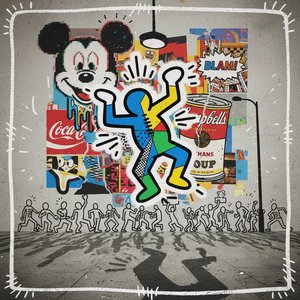 Keith Haring: La Subversione della Cultura Pop – Un'Analisi del Commento Sociale e dell'Innovazione ArtisticaEsplora l'universo artistico di Keith Haring: analisi del suo impegno sociale, dell'iconografia pop e dell'influenza sulla cultura contempo…