
 Anteprima in scala reale
 Invia
Invia Condividi
 Dettagli opera
 Guida
Guida

 Scarica
 Simili
 Radiografia
 Slideshow
 Domande e risposte
 Statistiche
Totsuka


 Espandi i dettagli
Giclée / Stampe d'arte
Stampa giclée o su tela di qualità museale, con produzione rapida e diverse opzioni di finitura. ( Acquista il dipinto realizzato a mano Passa all'immagine digitale)




P118B €10

P118H €10

P118W €10

P438Z €10

P508JH €12

P508YH €12

P805H €10

P805Z €10

P919BZ €10

P919G €10

P919XJ €10

P959ZH €10

P968JZ €12

W106C €8

W218G €10

W218JH €8

W218Y €10

W307PJ €10

W316G €10

W316PJ €8

W316Y €10

W398PJ €8

W4111J €10

W500HY €15

W500JH €15

W692G €12

W849H €8

W940BG €15

W953PJ €8




Scegli tra le nostre dimensioni predefinite, che rispettano le proporzioni originali dell'opera d'arte.

Inserisci la larghezza e l'altezza desiderate, per adattarle alla tua cornice o alla tua parete. Una stampa può essere solo ritagliata, mai resa più grande dell'immagine originale; pertanto, un formato con una forma differente comporterà la perdita di una parte dell'opera. Ti invieremo un mockup digitale da approvare prima di procedere con la stampa. L'immagine mostrata in questa pagina non rappresenta il ritaglio reale — solo il mockup lo mostra.
Consegna in tutto il mondo () in 2 settimane invece delle normali 4/5 settimane. (9 Novembre)

Spedizione espressa gratuita in tutto il mondo

Tela in lino di alta qualità

Assicurazione completa sulla spedizione

Garanzia di rimborso dei dazi doganali

Garanzia di fedeltà cromatica assoluta

Politica di reso entro 100 giorni (solo per difetti di fabbricazione)

Garanzia di rimborso al 100%

Offerta per acquisti multipli
 L'opzione vetro è disponibile solo per dimensioni inferiori a 110 cm

Totsuka
Giclée / Stampe d'arte
Dimensioni riproduzione
-


Prezzo finale calcolato
€ 72
A Moment of Quietude: Unveiling Hokusai’s “Totsuka”
Katsushika Hokusai's "Totsuka," a captivating woodblock print from his celebrated “Fifty-Three Stations of the Tokaido” series, isn’t merely a depiction of a roadside scene; it’s a distillation of Japanese life and a profound meditation on human connection. Created around 1806 during the Edo period, this image transports us to a fleeting moment along the ancient trade route between Kyoto and Edo (modern-day Tokyo), capturing an ordinary encounter imbued with a subtle grace and quiet dignity.
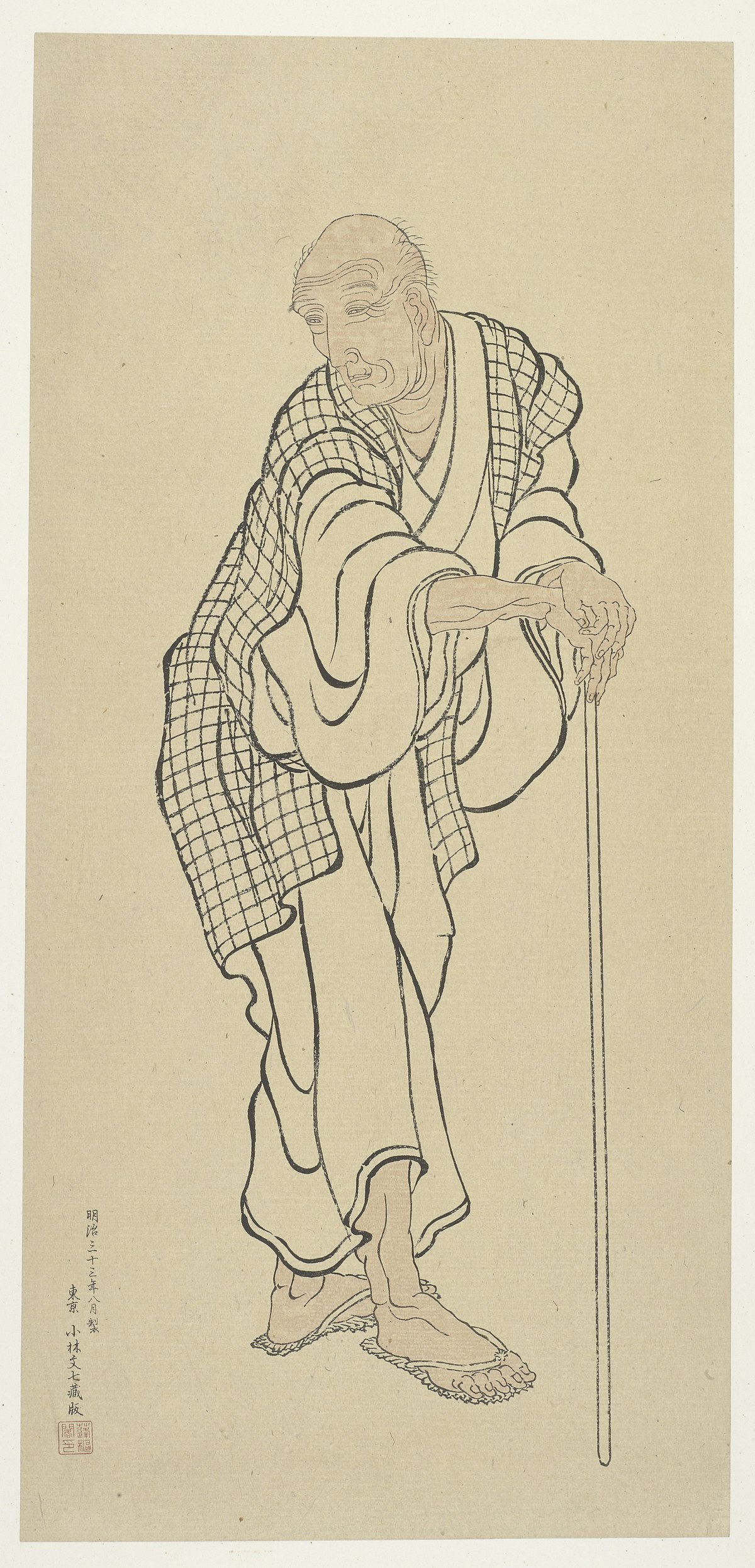
The scene unfolds in a simple, yet meticulously rendered, landscape. A lone traveler, clad in the dark robes of a pilgrim, pauses beside a woman beckoning him to rest. She stands near a small wooden structure – likely a roadside inn or teahouse – her posture suggesting both invitation and a gentle warning against haste. The composition is remarkably balanced; the receding lines of the path draw the eye into the distance, while the figures are positioned with an almost theatrical precision. Hokusai’s masterful use of negative space—the expansive sky and surrounding fields—amplifies the sense of solitude and contemplation.
The Art of Ukiyo-e: Technique and Style
“Totsuka” exemplifies the hallmarks of ukiyo-e, a genre that flourished during the Edo period. Hokusai, a true innovator within this tradition, pushed its boundaries with his dynamic compositions, vibrant colors (achieved through Prussian blue pigment imported from Europe), and bold use of perspective. The print is executed in sumi-ink and color woodblock printing, a painstaking process involving multiple blocks carved to create the various tones and textures. Notice the subtle gradations of color—the delicate washes of blue sky, the earthy browns of the landscape, and the rich reds and greens of the woman’s robes—all achieved through careful layering and precise carving.
Hokusai's signature style is evident in his loose, expressive brushstrokes and his ability to capture fleeting moments with remarkable immediacy. He wasn’t simply documenting a scene; he was imbuing it with emotion and atmosphere. The print’s slightly flattened perspective—a characteristic of ukiyo-e—creates an illusion of depth while maintaining a sense of intimacy.
A Window into Edo Life and Symbolism
“Totsuka” offers a valuable glimpse into the daily life of people traveling along the Tokaido highway. The pilgrim’s attire, the simple structure offering shelter, and the woman's gesture all speak to the realities of travel during this period. The woman herself is often interpreted as a symbol of hospitality and guidance—a reminder that even in a world of constant movement, human connection remains essential. The umbrella she holds, a common sight in Japan, adds to the scene’s sense of practicality and everyday life.
Furthermore, Hokusai's work reflects broader cultural themes. The series as a whole was commissioned to celebrate the opening of the Tokaido road, but it also served as a vehicle for showcasing the beauty of Japan’s landscapes and its people. The print’s composition subtly evokes the concept of *wabi-sabi*, an aesthetic philosophy that embraces imperfection, transience, and simplicity—qualities deeply rooted in Japanese culture.
The Enduring Legacy
Katsushika Hokusai's “Totsuka” is more than just a beautiful print; it’s a testament to the artist’s genius and his profound understanding of human nature. Its enduring appeal lies in its ability to evoke a sense of quiet contemplation, reminding us of the beauty that can be found in everyday moments. Reproductions of this iconic work continue to captivate audiences worldwide, offering a window into a rich cultural heritage and a timeless meditation on life’s simple pleasures.
Domande e risposte
In che modo il soggetto di "Totsuka" si relaziona ai temi abituali di Katsushika Hokusai?
"Totsuka" raffigura japanese art, edo period, hokusai, bath scene, umbrella, family, traditional, japan, mentre i temi ricorrenti di Katsushika Hokusai sono inspired by western prints, reflects edo society life, mountain imagery symbolism”, “part of series landscapes”, hokusai’s evolving style”. Il confronto tra i due evidenzia come l'opera si relazioni con i soggetti abituali dell'artista.
Che livello di saturazione hanno i colori di "Totsuka" di Katsushika Hokusai?
"Totsuka" di Katsushika Hokusai presenta una saturazione Subtle Color.
Che tipo di opera è "Totsuka"?
"Totsuka" è un'opera in WallArt.
Biografia dell'artista
Katsushika Hokusai: Vita e Eredità
Primi Anni di Vita e Formazione
Katsushika Hokusai, nato a Edo (l'odierna Tokyo), in Giappone intorno al 31 ottobre 1760, è stato una figura chiave nel mondo dell’arte giapponese. La sua vita giovanile è stata plasmata dal suo padre, Nakajima Ise, un fabbricante di specchi per lo Shogun. Fin da piccolo – si dice a sei anni – Hokusai ha mostrato predisposizione al disegno, probabilmente apprendendo competenze fondamentali dal padre. Questa esposizione iniziale ha acceso una passione che avrebbe definito il suo percorso artistico.
Sviluppo Artistico e Carriera
All’età di dodici anni, Hokusai iniziò a lavorare in una libreria e biblioteca, un ambiente che favorì la sua curiosità intellettuale e affinò ulteriormente le sue abilità. Entro i diciotto anni, entrò nello studio di Katsukawa Shunshō, capo della scuola Katsukawa, specializzata in *ukiyo-e* – stampe xilografiche che raffigurano scene dalla vita quotidiana. Questo segnò un punto di svolta cruciale, lanciando la carriera prolifica di Hokusai.
- Hokusai ha cambiato frequentemente il suo nome nel corso della sua vita, adottando oltre 30 pseudonimi diversi. Questa pratica era comune tra gli artisti *ukiyo-e* e rifletteva periodi di reinventazione artistica.
- Inizialmente si concentrò su illustrazioni per libri, per poi espandersi alle stampe a una singola foglia.
- Le sue opere giovanili raffiguravano spesso attori, cortigiane e paesaggi.
Realizzazioni Principali e Opere Notabili
L’output artistico di Hokusai era straordinariamente diversificato. Ha prodotto migliaia di stampe xilografiche, dipinti e libri illustrati nel corso della sua carriera. Alcune delle sue opere più celebrate includono:
- Trentasei Viste del Monte Fuji (富嶽三十六景, Fugaku Sanjūroku-kei, c. 1831): Questa serie ha consacrato la fama di Hokusai, in particolare l’iconica La Grande Onda di Kanagawa.
- Fuochi d'artificio a Ryōgoku Bridge (1790): Un’opera rivoluzionaria che dimostra la sua abilità nel catturare scene dinamiche della vita quotidiana.
- Hokusai Manga: Una collezione di schizzi e studi, che mostra una vasta gamma di soggetti – persone, animali, paesaggi – e ha influenzato lo sviluppo del manga come forma d’arte.
Influenze e Stile Artistico
Pur essendo profondamente radicato nell'estetica tradizionale giapponese, lo stile di Hokusai era innovativo ed sperimentale. Ha tratto ispirazione da:
- Tradizioni Ukiyo-e: Padronanza delle tecniche di stampa xilografica e della materia prima.
- Pittura paesaggistica cinese: Incorporazione di elementi di prospettiva e composizione.
- Vita quotidiana a Edo: Cattura dell'energia e della vivacità del Giappone urbano.
Lo stile distintivo di Hokusai è caratterizzato da linee audaci, colori vibranti, composizioni dinamiche e un’attenta osservazione della natura. Era un maestro della prospettiva e la utilizzava per creare scene drammatiche e coinvolgenti.
Significato Storico ed Eredità
L'opera di Hokusai ha avuto un impatto profondo sull’arte occidentale nel tardo XIX secolo, coincidente con la tendenza *Japonisme*. Le sue composizioni innovative, l'uso del colore e la materia prima hanno catturato l'attenzione degli artisti europei.
- Influenza sull'Impressionismo: Artisti come Claude Monet, Edgar Degas e Vincent van Gogh sono stati profondamente ispirati dalle sue opere, in particolare dai suoi paesaggi e dall’uso della luce.
- Impatto sull'Arte Moderna: La sua influenza si è estesa oltre l’Impressionismo, plasmando lo sviluppo dei movimenti artistici moderni.
- Popolarità Duratura: Oggi Hokusai è uno degli artisti più celebrati del Giappone e le sue opere sono ammirate in tutto il mondo per la loro bellezza, arte e significato culturale.
Gli Ultimi Anni
Hokusai ha continuato a dipingere e creare fino alla sua morte nel 1849 all'età di 89 anni. Ha lasciato un vasto corpo di lavoro che continua a ispirare artisti ed appassionati d’arte oggi, consolidando il suo posto come vero maestro di *ukiyo-e* e una figura significativa nella storia dell’arte.

Katsushika Hokusai
1760 - 1849 , Giappone
Dettagli rapidi
- Artistic Movement Or Style: Ukiyo-e
- Artists Or Movements Influenced By This Artist:
- Claude Monet
- Edgar Degas
- Vincent van Gogh
- Artists Who Influenced This Artist: ['Katsukawa Shunshō']
- Date Of Birth: 31 ottobre 1760
- Date Of Death: 1849
- Full Name: Katsushika Hokusai
- Nationality: Giapponese
- Notable Artworks:
- Trentasei Viste del Monte Fuji
- La Grande Onda di Kanagawa
- Fuochi a Ryōgoku Bridge
- Hokusai Manga
- Place Of Birth (City And Country): Tokyo, Giappone
Articoli correlati

I 25 Capolavori di Hokusai: L'Incanto dell'Onda e del Monte Fuji
Scopri i 25 capolavori di Hokusai e l'anima dell'Ukiyo-e. Esplora la collezione su OriginalUniqueArt.com.

The Floating World: Unveiling the Timeless Beauty and Soul of Japanese Ukiyo-e Artistry
Journey through the ephemeral beauty of Japanese Ukiyo-e. Uncover the profound history of woodblock prints, the mastery of Hokusai, and the captivating link between the 'Floating World' and Impressionism. A sophisticated guide for the discerning art enthusiast.
Masterpieces of Japan: A Definitive Guide to Ukiyo-e and the Art of the Floating World
Explore the profound beauty of Japanese Ukiyo-e. From Hokusai's iconic waves to the elegance of the Edo period, discover the history and masters behind the 'Floating World' in this expert art-history guide for collectors and enthusiasts.

Floating Worlds: A Definitive Guide to the Mastery and Philosophy of Japanese Ukiyo-e Woodblock Prints
Explore the profound beauty of Ukiyo-e. Discover the history, philosophy, and legendary masters of Japanese woodblock prints, from Hokusai to Kuniyoshi, in this expert guide to the 'Floating World'.
Ukiyo-e: The Art of the Floating World and the Legacy of Japanese Woodblock Masters
Explore the profound history of Ukiyo-e, from Hokusai's iconic waves to the vibrant culture of Edo Japan. Discover the intricate craft of woodblock printing and the enduring legacy of these Japanese masterpieces through our expert art history guide.


