

 Anteprima in scala reale
 Condividi
 Condividi
 Dettagli

 Scarica
 Articoli simili
 Radiografia
 Slideshow
 Statistiche
Restaurant


 Leggi tutto
Giclée / Stampe d'arte
Stampa giclée o su tela di qualità museale, con produzione rapida e diverse opzioni di finitura. ( Ordina la riproduzione dipinta a mano Passa all'immagine digitale)




P118B $10

P118H $10

P118W $10

P438Z $10

P508JH $12

P508YH $12

P805H $10

P805Z $10

P919BZ $10

P919G $10

P919XJ $10

P959ZH $10

P968JZ $12

W106C $8

W218G $10

W218JH $8

W218Y $10

W307PJ $10

W316G $10

W316PJ $8

W316Y $10

W398PJ $8

W4111J $10

W500HY $15

W500JH $15

W692G $12

W849H $8

W940BG $15

W953PJ $8




Scegli tra le nostre dimensioni predefinite, che rispettano le proporzioni originali dell'opera d'arte.

È possibile inserire dimensioni personalizzate per adattare l'opera a una cornice o a uno spazio specifico. Se la dimensione selezionata non corrisponde alle proporzioni dell'immagine originale, procederemo al ritaglio dell'opera o all'estensione dell'immagine con un bordo specchiato o a tinta unita. Un mockup digitale ti verrà inviato per approvazione prima dell'inizio della produzione.
Si prega di notare che l'anteprima a schermo non riflette il ritaglio o l'estensione effettivi. Solo il mockup mostrerà accuratamente la composizione finale.
Sebbene siano disponibili dimensioni personalizzate, si raccomanda di selezionare una dimensione dall'elenco predefinito per preservare le proporzioni originali.
Consegna in tutto il mondo () in 2 settimane invece delle normali 4/5 settimane. (18 Settembre)

Spedizione espressa gratuita in tutto il mondo

Tela in lino di alta qualità

Assicurazione completa sulla spedizione

Garanzia di rimborso dei dazi doganali

Garanzia di perfetta fedeltà cromatica

Politica di reso entro 100 giorni (solo per difetti di fabbricazione)

Garanzia di rimborso al 100%

Sconto per acquisti multipli
 L'opzione vetro è disponibile solo per dimensioni inferiori a 110 cm

Restaurant
Giclée / Stampe d'arte
Dimensioni della riproduzione
-


Prezzo totale
$ 80
A Window into Edo: The Serenity of Hokusai’s Restaurant
In the vast and vibrant tapestry of Japanese Ukiyo-e, few moments capture the quiet pulse of daily life as tenderly as Katsushika Hokusai’s Restaurant. This exquisite woodblock print serves as more than a mere visual record of a rural eatery; it is a profound invitation to step back into the Edo period, a time when the boundaries between humanity and the natural world were woven with threads of deep respect and understated elegance. As one gazes upon the scene, there is an immediate sense of arrival, as if being transported to a secluded corner of old Japan where the passage of time is measured not by clocks, but by the gentle shifting of shadows beneath a venerable pine tree.
The composition is anchored by the commanding presence of a gnarled, ancient pine, its branches reaching out like protective arms over a humble village settlement. Within this sheltered nook, Hokusai masterfully depicts the rhythmic motions of everyday existence. One can almost hear the soft murmur of villagers sharing a meal and the focused industry of fishermen preparing their recent catch. The thatched roofs of the structures, rendered with meticulous care, suggest a warmth and stability that contrasts beautifully with the organic, flowing lines of the landscape. It is a scene defined by tranquility, where the simple act of dining becomes a meditative ritual performed in harmony with the earth.
Mastery of Line and the Spirit of Ukiyo-e
Technically, Restaurant is a triumph of the woodblock printing process, showcasing the sophisticated layering and precision that Hokusai perfected. The artist utilizes bold, definitive outlines to give structure to the world, yet he avoids the trap of rigidity by employing flat planes of color that create a striking, modern visual impact. Through the clever use of overlapping elements and a flattened perspective, Hokusai achieves a remarkable sense of depth. This technique does not aim for photographic realism but rather seeks to capture the essence of space, guiding the viewer’s eye from the textured bark of the central tree down into the heart of the bustling village.
The color palette is a masterclass in balance, dominated by soothing blues, earthy greens, and warm browns, punctuated by subtle reds that breathe life into the lanterns and figures. This careful selection of pigments, pressed onto fine Japanese paper, lends a tactile quality to the work; one can almost feel the roughness of the thatch and the coolness of the morning mist. For the discerning collector or interior designer, this print offers a sophisticated way to introduce a sense of calm and historical depth into a contemporary space. It is an artwork that does not shout for attention but rather rewards the contemplative eye with its layered complexities.
Symbolism and the Eternal Connection
Beyond its aesthetic beauty, the print is rich with the cultural symbolism of the Edo era. The pine tree, a central protagonist in this composition, is far more than a botanical element; in Japanese tradition, it stands as a powerful emblem of longevity, resilience, and steadfastness. By placing the human elements of the restaurant beneath its canopy, Hokusai suggests a way of life that is grounded and enduring. The figures within the print—the laborers and the diners—represent the virtues of industriousness and communal harmony, reflecting the social values of a society that found profound meaning in the seasonal cycles and the bounty of nature.
To possess a reproduction of this masterpiece is to bring a piece of this enduring philosophy into one's own home. Whether placed in a sunlit reading nook or as a focal point in a minimalist gallery-style room, Restaurant radiates an emotional tone of peace and contemplation. It serves as a constant reminder of the beauty found in simplicity and the strength found in our connection to the world around us. For those seeking art that transcends decoration to become a source of spiritual respite, Hokusai’s vision remains an unparalleled treasure.
Biografia dell'artista
Katsushika Hokusai: Vita e Eredità
Primi Anni di Vita e Formazione
Katsushika Hokusai, nato a Edo (l'odierna Tokyo), in Giappone intorno al 31 ottobre 1760, è stato una figura chiave nel mondo dell’arte giapponese. La sua vita giovanile è stata plasmata dal suo padre, Nakajima Ise, un fabbricante di specchi per lo Shogun. Fin da piccolo – si dice a sei anni – Hokusai ha mostrato predisposizione al disegno, probabilmente apprendendo competenze fondamentali dal padre. Questa esposizione iniziale ha acceso una passione che avrebbe definito il suo percorso artistico.
Sviluppo Artistico e Carriera
All’età di dodici anni, Hokusai iniziò a lavorare in una libreria e biblioteca, un ambiente che favorì la sua curiosità intellettuale e affinò ulteriormente le sue abilità. Entro i diciotto anni, entrò nello studio di Katsukawa Shunshō, capo della scuola Katsukawa, specializzata in *ukiyo-e* – stampe xilografiche che raffigurano scene dalla vita quotidiana. Questo segnò un punto di svolta cruciale, lanciando la carriera prolifica di Hokusai.
- Hokusai ha cambiato frequentemente il suo nome nel corso della sua vita, adottando oltre 30 pseudonimi diversi. Questa pratica era comune tra gli artisti *ukiyo-e* e rifletteva periodi di reinventazione artistica.
- Inizialmente si concentrò su illustrazioni per libri, per poi espandersi alle stampe a una singola foglia.
- Le sue opere giovanili raffiguravano spesso attori, cortigiane e paesaggi.
Realizzazioni Principali e Opere Notabili
L’output artistico di Hokusai era straordinariamente diversificato. Ha prodotto migliaia di stampe xilografiche, dipinti e libri illustrati nel corso della sua carriera. Alcune delle sue opere più celebrate includono:
- Trentasei Viste del Monte Fuji (富嶽三十六景, Fugaku Sanjūroku-kei, c. 1831): Questa serie ha consacrato la fama di Hokusai, in particolare l’iconica La Grande Onda di Kanagawa.
- Fuochi d'artificio a Ryōgoku Bridge (1790): Un’opera rivoluzionaria che dimostra la sua abilità nel catturare scene dinamiche della vita quotidiana.
- Hokusai Manga: Una collezione di schizzi e studi, che mostra una vasta gamma di soggetti – persone, animali, paesaggi – e ha influenzato lo sviluppo del manga come forma d’arte.
Influenze e Stile Artistico
Pur essendo profondamente radicato nell'estetica tradizionale giapponese, lo stile di Hokusai era innovativo ed sperimentale. Ha tratto ispirazione da:
- Tradizioni Ukiyo-e: Padronanza delle tecniche di stampa xilografica e della materia prima.
- Pittura paesaggistica cinese: Incorporazione di elementi di prospettiva e composizione.
- Vita quotidiana a Edo: Cattura dell'energia e della vivacità del Giappone urbano.
Lo stile distintivo di Hokusai è caratterizzato da linee audaci, colori vibranti, composizioni dinamiche e un’attenta osservazione della natura. Era un maestro della prospettiva e la utilizzava per creare scene drammatiche e coinvolgenti.
Significato Storico ed Eredità
L'opera di Hokusai ha avuto un impatto profondo sull’arte occidentale nel tardo XIX secolo, coincidente con la tendenza *Japonisme*. Le sue composizioni innovative, l'uso del colore e la materia prima hanno catturato l'attenzione degli artisti europei.
- Influenza sull'Impressionismo: Artisti come Claude Monet, Edgar Degas e Vincent van Gogh sono stati profondamente ispirati dalle sue opere, in particolare dai suoi paesaggi e dall’uso della luce.
- Impatto sull'Arte Moderna: La sua influenza si è estesa oltre l’Impressionismo, plasmando lo sviluppo dei movimenti artistici moderni.
- Popolarità Duratura: Oggi Hokusai è uno degli artisti più celebrati del Giappone e le sue opere sono ammirate in tutto il mondo per la loro bellezza, arte e significato culturale.
Gli Ultimi Anni
Hokusai ha continuato a dipingere e creare fino alla sua morte nel 1849 all'età di 89 anni. Ha lasciato un vasto corpo di lavoro che continua a ispirare artisti ed appassionati d’arte oggi, consolidando il suo posto come vero maestro di *ukiyo-e* e una figura significativa nella storia dell’arte.

Katsushika Hokusai
1760 - 1849 , Giappone
Informazioni rapide
- Artistic Movement Or Style: Ukiyo-e
- Artists Or Movements Influenced By This Artist:
- Claude Monet
- Edgar Degas
- Vincent van Gogh
- Artists Who Influenced This Artist: ['Katsukawa Shunshō']
- Date Of Birth: 31 ottobre 1760
- Date Of Death: 1849
- Full Name: Katsushika Hokusai
- Nationality: Giapponese
- Notable Artworks:
- Trentasei Viste del Monte Fuji
- La Grande Onda di Kanagawa
- Fuochi a Ryōgoku Bridge
- Hokusai Manga
- Place Of Birth (City And Country): Tokyo, Giappone
Articoli correlati

Katsushika Hokusai: Le 25 Opere Più Iconiche per Amare l'Arte Giapponese
Esplora le 25 opere più iconiche di Katsushika Hokusai, maestro dell'ukiyo-e. Scopri la storia dietro 'La Grande Onda', il Monte Fuji e altre stampe giapponesi senza tempo. Trova riproduzioni d'arte di alta qualità per decorare la tua casa su OriginalUniqueArt.com.
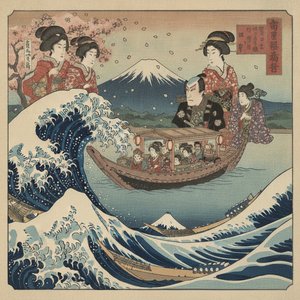
Masterpieces of Japan: A Definitive Guide to Ukiyo-e and the Art of the Floating World
Explore the profound beauty of Japanese Ukiyo-e. From Hokusai's iconic waves to the elegance of the Edo period, discover the history and masters behind the 'Floating World' in this expert art-history guide for collectors and enthusiasts.
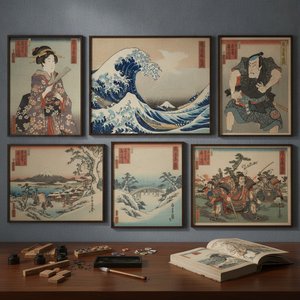
Ukiyo-e: The Art of the Floating World and the Legacy of Japanese Woodblock Masters
Explore the profound history of Ukiyo-e, from Hokusai's iconic waves to the vibrant culture of Edo Japan. Discover the intricate craft of woodblock printing and the enduring legacy of these Japanese masterpieces through our expert art history guide.

Floating Worlds: A Definitive Guide to the Mastery and Philosophy of Japanese Ukiyo-e Woodblock Prints
Explore the profound beauty of Ukiyo-e. Discover the history, philosophy, and legendary masters of Japanese woodblock prints, from Hokusai to Kuniyoshi, in this expert guide to the 'Floating World'.
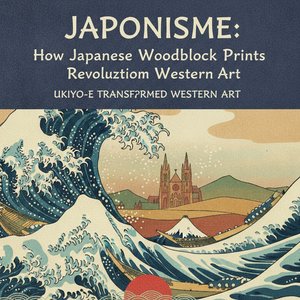
Japonisme: How Japanese Woodblock Prints Revolutionized Western Art
Explore the profound impact of Japonisme on Western art. Discover how Japanese ukiyo-e woodblock prints revolutionized perspective, color, and composition for masters like Monet and Van Gogh, forever changing the course of modern art history.


