- Home

- Stampa su tela
- Karol Hiller
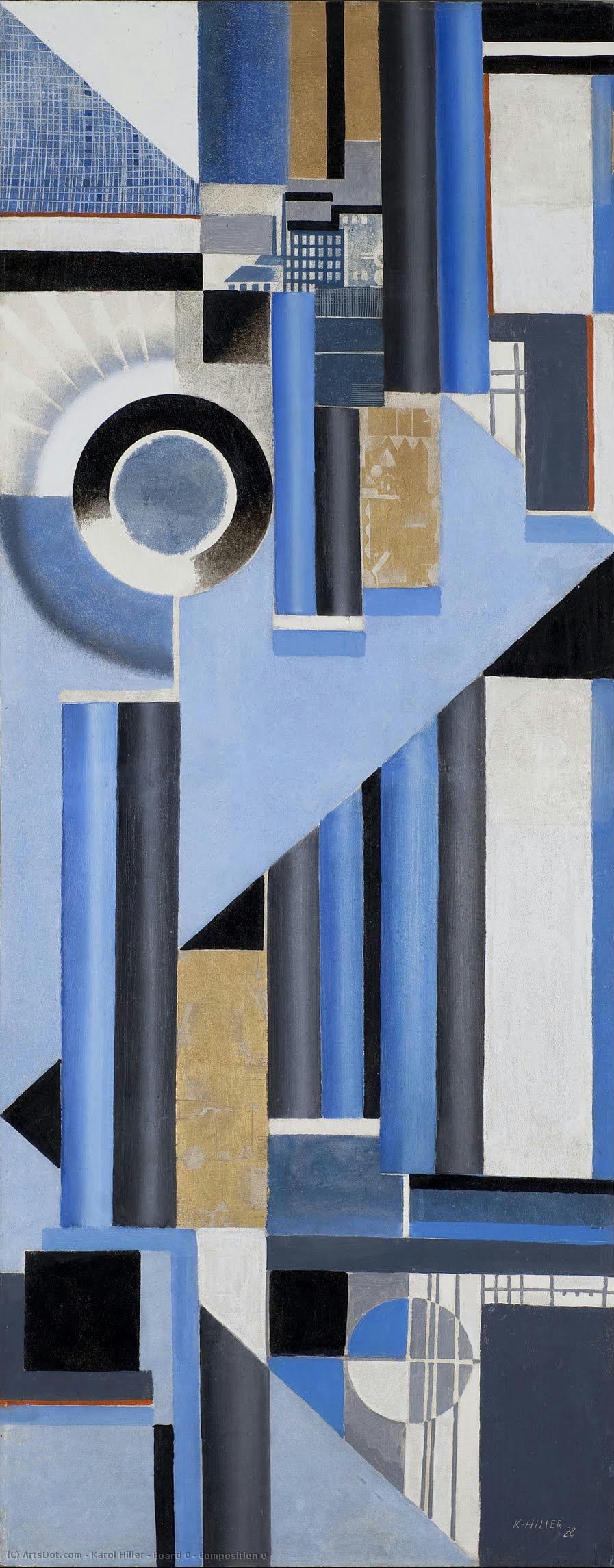
- Board 0 / Composition 0
 Preview
 Invia
Invia Condividi
 Dettagli opera

 Scarica
 Simili
 Radiografia
 Slideshow
Board 0 / Composition 0
 1928
1928 120.0 x 47.0 cm
 Scopri di più
Giclée / Stampa d'arte
Stampa giclée o su tela di qualità museale, con produzione rapida e diverse opzioni di finitura. ( Switch to hand made Painting Switch to Image)




































Scegli tra le nostre dimensioni predefinite, che rispettano le proporzioni originali dell'opera d'arte.

È possibile inserire dimensioni personalizzate per adattare l'opera a una cornice o a uno spazio specifico. Se la dimensione selezionata non corrisponde alle proporzioni dell'immagine originale, procederemo al ritaglio dell'opera o all'estensione dell'immagine con un bordo specchiato o a tinta unita. Un mockup digitale ti verrà inviato per approvazione prima dell'inizio della produzione.
Si prega di notare che l'anteprima a schermo non riflette il ritaglio o l'estensione effettivi. Solo il mockup mostrerà accuratamente la composizione finale.
Sebbene siano disponibili dimensioni personalizzate, si raccomanda di selezionare una dimensione dall'elenco predefinito per preservare le proporzioni originali.
Consegna in tutto il mondo () in 2 settimane invece delle normali 4/5 settimane. (28 Luglio)

Spedizione espressa gratuita in tutto il mondo

Tela in lino di alta qualità

Assicurazione completa sulla spedizione

Garanzia di rimborso dei dazi doganali

Garanzia di fedeltà cromatica

Politica di reso entro 60 giorni (solo per difetti)

Garanzia di rimborso al 100%

Sconto per acquisti multipli
 L'opzione vetro è disponibile solo per dimensioni inferiori a 110 cm

Board 0 / Composition 0
Giclée / Stampa d'arte
Dimensioni riproduzione
-


Prezzo totale finale
$ 80
Biografia dell'artista
Karol Hiller: Pioneer of Abstract Biology
Karol Hiller (6 December 1891 in Łódź – December 1939) stands as a singular figure within Polish art history, recognized primarily for his groundbreaking contribution to Constructivism and his subsequent exploration of abstract forms infused with organic inspiration. Born into a family rooted in Łódź’s industrial landscape—a city synonymous with textile manufacturing—Hiller's formative years instilled an appreciation for precision and materiality that would profoundly shape his artistic vision.Early Life and Education
Before dedicating himself entirely to painting, Hiller pursued studies in Chemistry at Darmstadt University and Civil Engineering at Warsaw University, equipping him with a scientific understanding crucial for perceiving the underlying principles of visual art. However, it was his enrollment at Kiev Academy of Fine Arts that truly ignited his artistic passion. This institution fostered an environment receptive to avant-garde ideas, allowing him to immerse himself in discussions about revolutionary approaches to representation and fostering connections with fellow artists who would become instrumental in shaping Polish artistic discourse.The Constructivist Movement
Hiller’s involvement in the Constructivist movement of the 1920s cemented his place as a pivotal voice within Polish art. Influenced by figures like Mikhail Boychuk, he embraced geometric abstraction—characterized by bold lines and planar surfaces—as a means of conveying dynamism and social critique. His canvases reflected the spirit of the era, grappling with themes of industrialization, technological advancement, and the reshaping of societal structures. Notable works from this period include “Heliographic Composition (XXIX)” and "Factory outlet," demonstrating his mastery of heliography – a photographic printing process – and highlighting his commitment to exploring innovative techniques.Shift Towards Organic Forms
Despite the initial dominance of geometric abstraction, Hiller’s artistic trajectory took an unexpected turn in the 1930s. Recognizing the limitations of purely rational forms, he abandoned rigid geometry and embarked on a quest for expressive resonance within organic shapes—particularly those reminiscent of plant life. This stylistic evolution signaled a desire to transcend mere intellectual contemplation and tap into deeper emotional currents. His paintings from this period – “O Composition” being particularly striking – embody a fascination with biological processes and convey a sense of profound interconnectedness.Tragic End and Legacy
Karol Hiller’s artistic career tragically ended in December 1939 when he was executed by the Gestapo during World War II, marking an abrupt halt to his creative endeavors. Yet, his legacy persists as a testament to Polish Constructivism's daring experimentation and its enduring influence on subsequent generations of artists. He remains remembered not only for his artistic achievements but also for embodying the spirit of intellectual defiance in the face of oppressive political forces—a symbol of resilience and unwavering commitment to artistic integrity. His work continues to inspire contemplation on the relationship between art, science, and the natural world.
Karol Hiller
1891 - 1939 , Polonia
Dati rapidi
- Artistic Movement Or Style: Constructivism
- Artists Or Movements Influenced By This Artist: ['Cubism']
- Artists Who Influenced This Artist: ['Mikhail Boychuk']
- Date Of Birth: December 6, 1891
- Date Of Death: December 1939
- Full Name: Karol Hiller
- Nationality: Polish
- Notable Artworks:
- Heliographic composition (XXIX)
- Factory outlet
- O Composition
- Place Of Birth: Łódź, Poland

