
 Anteprima in scala reale
 Condividi
 Condividi
 Dettagli

 Scarica immagine
 Articoli simili
 Radiografia
 Slideshow
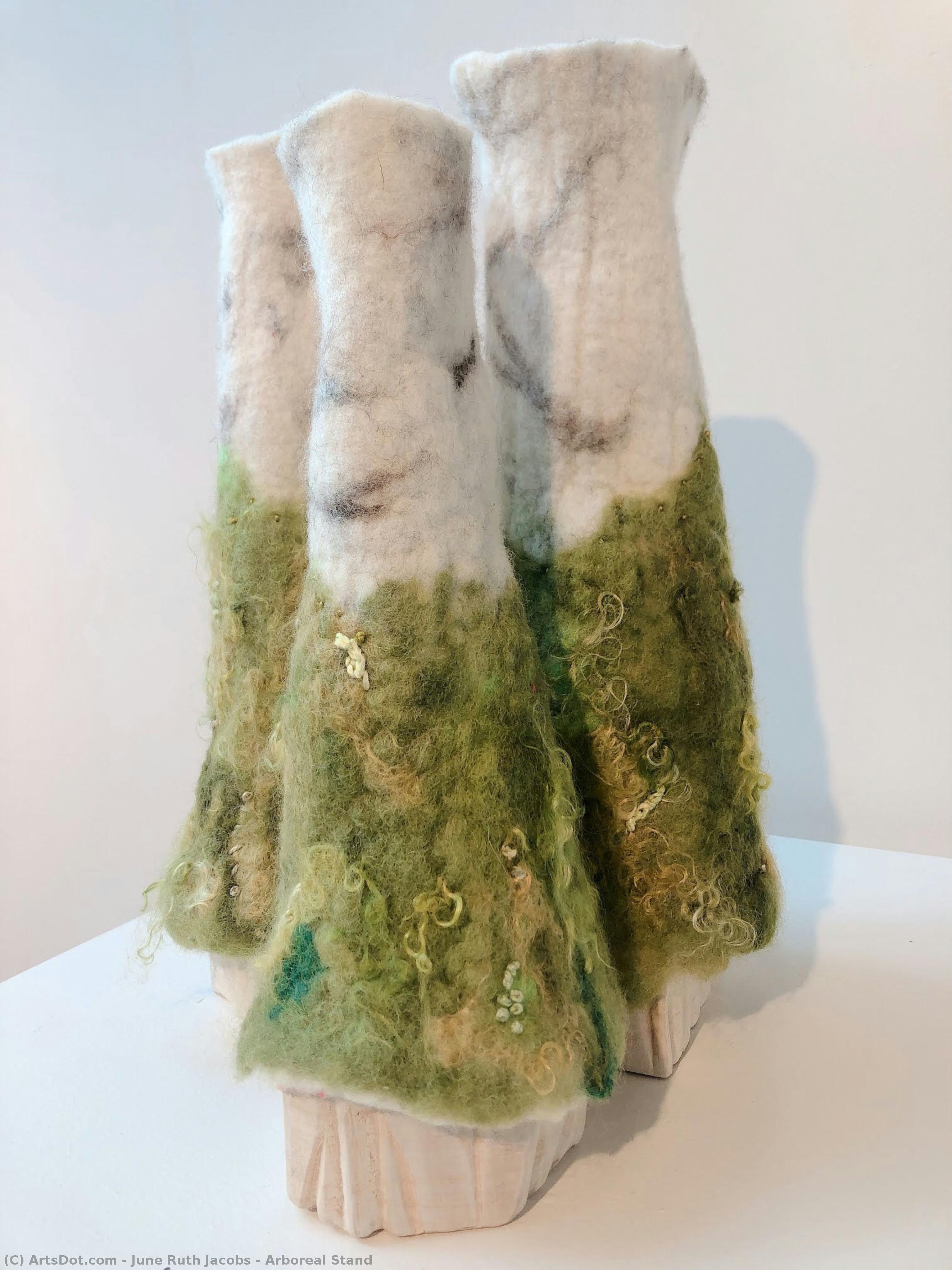
Arboreal Stand


 Leggi tutto
Giclée / Stampe d'arte
Stampa giclée o su tela di qualità museale, con produzione rapida e diverse opzioni di finitura. ( Ordina la riproduzione dipinta a mano Acquista download)




































Scegli tra le nostre dimensioni predefinite, che rispettano le proporzioni originali dell'opera d'arte.

È possibile inserire dimensioni personalizzate per adattare l'opera a una cornice o a uno spazio specifico. Se la dimensione selezionata non corrisponde alle proporzioni dell'immagine originale, procederemo al ritaglio dell'opera o all'estensione dell'immagine con un bordo specchiato o a tinta unita. Un mockup digitale ti verrà inviato per approvazione prima dell'inizio della produzione.
Si prega di notare che l'anteprima a schermo non riflette il ritaglio o l'estensione effettivi. Solo il mockup mostrerà accuratamente la composizione finale.
Sebbene siano disponibili dimensioni personalizzate, si raccomanda di selezionare una dimensione dall'elenco predefinito per preservare le proporzioni originali.
Consegna in tutto il mondo () in 2 settimane invece delle normali 4/5 settimane. (16 Agosto)

Spedizione espressa gratuita in tutto il mondo

Tela in lino di alta qualità

Assicurazione completa sulla spedizione

Garanzia di rimborso dei dazi doganali

Garanzia di fedeltà cromatica dell'originale

Politica di reso entro 60 giorni (solo per difetti di fabbricazione)

Garanzia di rimborso al 100%

Sconto per acquisti multipli
 L'opzione vetro è disponibile solo per dimensioni inferiori a 110 cm

Arboreal Stand
Giclée / Stampe d'arte
Dimensioni della riproduzione
-


Prezzo totale
$ 80
Biografia dell'artista
June Ruth Jacobs (1930 – 2018): A Voice for Peace and Jewish Justice
June Ruth Jacobs was a British peace activist whose unwavering dedication to advocating for human rights, particularly within the Jewish community, cemented her legacy as a pivotal figure in the latter half of the 20th century. Born in London in 1930, she emerged from a family steeped in intellectual curiosity and humanitarian concern—her parents, Lilly and Louis Caller, instilled in her a profound belief in social responsibility. This formative influence shaped her lifelong commitment to challenging injustice and championing vulnerable populations. Jacobs’s early education at Westonbirt School provided her with a grounding in scientific inquiry alongside humanist values, preparing her for the intellectual rigor required by her future pursuits. Her marriage to Basil Jacobs in 1950 brought companionship and shared passion for activism—together they established a family centered around values of compassion and engagement with the wider world. Their children inherited this spirit of service, mirroring their parents’ dedication to improving society. The catalyst for Jacobs's transformative involvement in social justice was her participation in youth clubs where she volunteered alongside fellow activists. This experience ignited her desire to confront societal inequities and fueled her determination to translate empathy into tangible action. Notably, she spearheaded the National Council for Soviet Jews (NCSFJ), embarking on daring missions to Moscow and Leningrad during the Cold War era—risking imprisonment to secure the freedom of Jewish refuseniks denied emigration permits from the Soviet Union. These perilous journeys underscored Jacobs’s unwavering conviction that dialogue and advocacy could overcome political barriers. Jacobs's leadership at ICJW brought her to international prominence, where she tirelessly represented the organization at UN Commission on the Status of Women events in New York. Her commitment to advancing women’s rights globally resonated deeply with her own experiences as a woman navigating societal expectations—a perspective that informed her advocacy for equality and justice across borders. She continued her work through membership in European Women's Lobby and Women's International Commission, demonstrating an enduring dedication to fostering collaborative solutions for pressing global challenges. Beyond her activism, Jacobs’s artistic endeavors reflected her profound engagement with the human condition. Her landscapes—particularly “Arboreal Stand”—captivated viewers with their evocative portrayal of natural beauty intertwined with symbolic representations of resilience and interconnectedness. Jacobs's distinctive style blended meticulous observation with expressive brushstrokes, conveying a deep appreciation for both the grandeur of nature and the subtleties of human emotion. She was recognized as an artist who skillfully captured the essence of her surroundings while simultaneously communicating universal themes of contemplation and wonder. Her work stands as testament to her belief that art could inspire empathy and promote understanding—a conviction that underpinned her lifelong commitment to fostering a more compassionate world. Jacobs’s influence extended beyond her artistic practice; she served on the board of directors of New Israel Fund, advocating for social justice within Israel. She championed JCORE's mission to combat antisemitism and discrimination, demonstrating an unwavering dedication to protecting minority rights. Furthermore, Jacobs was honored as Chairwoman of Mishpacha at Kesser Foundation, furthering her commitment to supporting Jewish cultural heritage and fostering intellectual discourse. Her legacy continues to inspire those striving for meaningful change—a testament to the transformative power of compassion, conviction, and artistic expression.
june ruth jacobs
1930 - 2018 , United Kingdom
Informazioni rapide
- Artistic Movement Or Style: Landscape Painting
- Artists Or Movements Influenced By This Artist: ['Nam June Paik']
- Date Of Birth: 1930
- Date Of Death: 2018
- Full Name: June Ruth Jacobs
- Nationality: British
- Notable Artworks: ['Arboreal Stand']
- Place Of Birth: United Kingdom

