
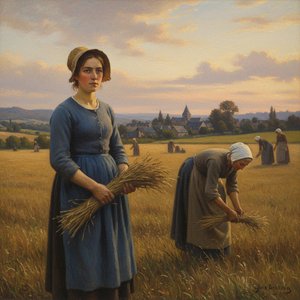
![Pas Mèche [nothing Doing] — Jules Bastien-lepage](/media/artworks/images-full/0a/a4/0aa443b038cfee7a0eeae71195adba8a.jpg)
 Anteprima in scala reale
 Invia
Invia Condividi
 Dettagli opera
 Guida
Guida

 Scarica
 Simili
 Radiografia
 Slideshow
 Statistiche
Pas Mèche [Nothing Doing]


 Espandi i dettagli
Riproduzione a olio fatta a mano
Olio su tela dipinto a mano nelle tue dimensioni e con la tua cornice, realizzato su ordinazione dai nostri artisti. ( Passa alle stampe Passa all'immagine digitale)




P118B €10

P118H €10

P118W €10

P438Z €10

P508JH €12

P508YH €12

P805H €10

P805Z €10

P919BZ €10

P919G €10

P919XJ €10

P959ZH €10

P968JZ €12

W106C €8

W218G €10

W218JH €8

W218Y €10

W307PJ €10

W316G €10

W316PJ €8

W316Y €10

W398PJ €8

W4111J €10

W500HY €15

W500JH €15

W692G €12

W849H €8

W940BG €15

W953PJ €8




Scegli tra le nostre dimensioni predefinite, che rispettano le proporzioni originali dell'opera d'arte.

Inserisci la larghezza e l'altezza desiderate, per adattarle alla tua cornice o alla tua parete. Trattandosi di un'opera dipinta a mano, in caso di dimensioni con un formato differente, l'artista può estendere leggermente il dipinto oltre i bordi dell'immagine o ritagliare una piccola parte — la scelta spetta a te. Ti invieremo un mockup digitale da approvare prima che la realizzazione abbia inizio. L'immagine mostrata in questa pagina non rappresenta il risultato finale — solo il mockup lo fa.
Dopo l'ordine, il team di OriginalUniqueArt.com contatterà il cliente via e-mail per ricevere le istruzioni e fornirà un'anteprima del mockup
Consegna in tutto il mondo () in 3/4 settimane anziché nelle normali 5 settimane. (26 Ottobre). Nessun compromesso sulla qualità.

Spedizione espressa gratuita in tutto il mondo

Tela in lino di alta qualità

Assicurazione completa sulla spedizione

Garanzia di rimborso dei dazi doganali

Garanzia di fedeltà cromatica assoluta

Politica di reso entro 100 giorni (solo per difetti di fabbricazione)

Garanzia di rimborso al 100%

Offerta per acquisti multipli
 L'opzione vetro è disponibile solo per dimensioni inferiori a 110 cm
![Pas Mèche [Nothing Doing]](/static/images/originaluniqueart/artworks/painting.a1e74a1cb7dc.png)
Pas Mèche [Nothing Doing]
Tecnica di riproduzione
Dimensioni riproduzione
-


Prezzo finale calcolato
€ 263
A Moment Frozen in Rural France: Jules Bastien-Lepage’s *Pas Mèche*
Jules Bastien-Lepage's *Pas Mèche* (Nothing Doing), painted in 1882, isn’t merely a portrait; it’s a carefully constructed tableau of rural life imbued with a quiet dignity and an unspoken narrative. The painting depicts a young boy, likely a barge worker, standing on the edge of a small village road, his gaze direct and unwavering. He is a figure of remarkable composure amidst what appears to be a mundane scene – a worn brown jacket, raggedy trousers, and large, unlaced boots speak to a life of hard work and simple means. Yet, within this apparent ordinariness lies a profound sense of observation and a subtle suggestion of melancholy. Bastien-Lepage, a pivotal figure in the transition from Realism to Naturalism, masterfully captures not just an image but also a feeling—a poignant awareness of time passing and the quiet realities of peasant existence. The title itself, *Pas Mèche*, is a French slang phrase meaning “Nothing Doing,” hinting at a state of weary resignation or perhaps simply a moment’s pause before returning to labor.The Naturalist Approach: Light, Texture, and Observation
Bastien-Lepage's artistic approach was deeply rooted in the tenets of Naturalism, a movement that sought to depict life as it truly was—without idealization or romantic embellishment. He achieved this through meticulous observation and a masterful understanding of light and texture. Unlike the polished surfaces favored by earlier academic painters, Bastien-Lepage employed loose, visible brushstrokes, allowing the canvas to breathe and revealing the materiality of his subjects. The paint itself seems almost tactile—one can practically feel the roughness of the boy’s clothing and the weathered surface of the road beneath his feet. He utilized a muted palette dominated by earthy browns, greens, and greys, reflecting the colors of the rural landscape he so faithfully rendered. Crucially, Bastien-Lepage spent considerable time *en plein air* (outdoors), directly observing his subjects in their natural environment, ensuring an unparalleled level of accuracy and authenticity in his depictions. This commitment to direct observation is evident in the boy’s posture, the way the light falls across his face, and the subtle details of the surrounding village.Symbolism Within Simplicity: The Tools of Labor
Beyond the immediate depiction of the boy, *Pas Mèche* is rich with symbolic elements. The fishing rod clutched in his hand immediately establishes his profession—a barge worker who would have been responsible for guiding and controlling the boats navigating the canals and rivers of France. The horn slung across his back was a vital tool for communication, alerting lockmasters to the approach of a boat. These seemingly simple objects – the rod, the horn, the worn boots – represent not just labor but also a connection to tradition, community, and the rhythms of rural life. The boy’s direct gaze is particularly significant; it suggests an awareness beyond his years, perhaps a recognition of the limitations imposed upon him by his circumstances. His stillness conveys a quiet dignity—a refusal to be defined solely by his humble profession.A Legacy of Rural Realism
Jules Bastien-Lepage’s *Pas Mèche* stands as a cornerstone of French Naturalist painting, profoundly influencing generations of artists. His ability to capture the essence of rural life with such honesty and sensitivity resonated deeply with audiences seeking an alternative to the idealized depictions prevalent in academic art. Born in 1848 and tragically dying at just thirty-six, Bastien-Lepage’s brief but impactful career left behind a body of work that continues to captivate viewers today. *Pas Mèche* exemplifies his signature style—a blend of meticulous observation, evocative light, and a profound understanding of the human condition. It's a painting that invites contemplation, prompting us to consider the lives of those who labor unseen and the quiet beauty found in the most unassuming corners of the world. Reproductions of *Pas Mèche* offer a valuable opportunity to bring this poignant work into any interior space, serving as a reminder of France’s rich artistic heritage and the enduring power of simple, honest representation.Domande e risposte
Qual è la dimensione di stampa consigliata per "Pas Mèche [Nothing Doing]" di Jules Bastien-Lepage?
La dimensione di stampa consigliata per "Pas Mèche [Nothing Doing]" di Jules Bastien-Lepage è Medium.
Qual è il formato di "Pas Mèche [Nothing Doing]"?
Il formato di "Pas Mèche [Nothing Doing]" è Portrait. Questa informazione è utile per pianificare il posizionamento di una riproduzione.
A quale fase della carriera di Jules Bastien-Lepage appartiene "Pas Mèche [Nothing Doing]" (1882)?
Data la sua datazione al 1882, "Pas Mèche [Nothing Doing]" rientra nel Mature Period di Jules Bastien-Lepage.
Biografia dell'artista
Jules Bastien-Lepage: Un Pioniere del Naturalismo
- Nato: Damvilliers, Francia (1848)
- Morto: 1884
Jules Bastien-Lepage è stato un pittore francese strettamente associato all'inizio del naturalismo, uno stile artistico che si sviluppò dal movimento realista e aprì la strada allo sviluppo dell'impressionismo. Le sue rappresentazioni en plein air della vita contadina nella campagna furono molto influenti su molti artisti internazionali.
Primi Anni e Formazione
Bastien-Lepage nacque nel 1848 nel villaggio di Damvillers, Meuse, dove trascorse la sua infanzia. Iniziò il suo addestramento artistico sotto suo padre, che era anch'egli un artista, prima di trasferirsi a Parigi nel 1867 per studiare all'École des Beaux-Arts. Lì, lavorò sotto Alexandre Cabanel e sviluppò le sue capacità come pittore.
Stile Artistico e Influenze
Lo stile di Bastien-Lepage è caratterizzato da tratti intricati e una tavolozza pura bagnata da calda luce naturale. Si concentrò principalmente sui sobborghi occidentali di Parigi, dipingendo all'aperto nella tradizione plein air. Il suo lavoro fu influenzato dal movimento realista, ma trasse ispirazione anche da altri artisti, tra cui George Clausen e Tom Roberts.
- Caratteristiche Chiave: Tratti intricati, tavolozza pura, calda luce naturale, pittura en plein air.
- Influenze: Movimento Realista, George Clausen, Tom Roberts.
Opere Principali e Riconoscimenti
Bastien-Lepage ottenne un primo successo nel 1874 con il suo dipinto "Ritratto di mio nonno", che riscosse ampio plauso critico e ricevette una terza medaglia. Vinse anche fama per i suoi dipinti storici, tra cui “Giovanna d'Arco”, ora conservata al Musée d’Orsay a Parigi.
- Dipinti Notabili:
- "Ritratto di mio nonno" (1874)
- “Giovanna d'Arco” (Musée d’Orsay, Parigi)
- "Vendemmia" (Les Foins) – lo riconobbe come il leader della scuola naturalista emergente.
- "Ottobre - raccolta delle patate"
- "Al tempo del raccolto"
- "Laura, Lady Alma Tadema"
- "Sarah Bernhardt" (1879) – un ritratto che gli portò commissioni prestigiose.
- "Paesaggio a carbone, inverno"
Dopo il successo di "Vendemmia", Bastien-Lepage fu riconosciuto come il leader della scuola naturalista emergente. Nel 1883, un critico poteva proclamare che “l'intero mondo dipinge così tanto oggi come m. bastien-lepage che m. bastien-lepage sembra dipingere come l'intero mondo”. Questa fama gli portò commissioni prestigiose, tra cui un ritratto di Sarah Bernhardt nel 1879.
Naturalismo e Eredità
Il naturalismo fu un movimento artistico che emerse come reazione alla rivoluzione industriale e al suo impatto sulla società. Rappresentava la classe operaia e i poveri, concentrandosi sulle loro lotte e difficoltà. Il movimento iniziò in Francia e si diffuse in tutta Europa, diventando ampiamente considerato uno stile artistico importante.
- Significato: Bastien-Lepage è stata una figura significativa nello sviluppo del naturalismo e dell'impressionismo. I suoi dipinti continuano a essere celebrati per la loro bellezza e profondità emotiva, e la sua influenza può essere vista in molti artisti che lo hanno seguito.
Per saperne di più su Jules Bastien-Lepage e sul suo lavoro:
- Visita OriginalUniqueArt.com
- Esplora il Musée d'Orsay a Parigi
- Leggi sul naturalismo e sulla sua influenza sull'arte su OriginalUniqueArt.com

Jules Bastien-Lepage
1848 - 1884 , Francia
Dettagli rapidi
- Artistic Movement Or Style: Naturalismo, Realismo
- Artists Or Movements Influenced By This Artist: ['Impressionismo']
- Artists Who Influenced This Artist:
- Alexandre Cabanel
- George Clausen
- Tom Roberts
- Date Of Birth: 18 novembre 1848
- Date Of Death: 10 dicembre 1884
- Full Name: Jules Bastien-Lepage
- Nationality: Francese
- Notable Artworks:
- Ritratto del nonno
- Giovanna d'Arco
- La falciatura
- Raccolta delle patate
- Sarah Bernhardt
- Place Of Birth (City And Country): Damvillers, Francia
Articoli correlati

Echoes of Rural Life: Art's Enduring Representations of the Countryside
Explore the rich history of rural life in art! Discover masterpieces from Millet to Mauve & beyond. Learn about Realism, Barbizon School & find inspiration for your home with OriginalUniqueArt.

Léon Augustin L'Hermitte: Capturing the Soul of French Rural Life
Discover the captivating realist paintings of Léon Augustin L'Hermitte, masterfully depicting French rural life. Explore his technique, influences & legacy – a cornerstone of 19th-century art.

The Enduring Legacy of Oil on Canvas: Technique, History & Aesthetic Impact
Explore the rich history & techniques of oil painting – from Renaissance masters to Impressionism. Discover pigments, layering methods, and why this timeless medium endures. Expert insights for artists & art enthusiasts.

Oil on Canvas: A Historical & Technical Exploration of a Timeless Artistic Medium
Explore the rich history & enduring techniques of oil painting on canvas. Discover the science behind its longevity, conservation practices, and contemporary relevance. Expert insights for art enthusiasts.
Jules Breton: Capturing the Poetic Soul of French Rural Life
Explore the captivating world of Jules Breton, master of French Realism. Discover his iconic paintings of rural life, learn about his artistic journey, and find high-quality reproductions to elevate your art collection at OriginalUniqueArt.


