
 Anteprima in scala reale
 Condividi
 Condividi
 Dettagli

 Scarica immagine
 Articoli simili
 Radiografia
 Slideshow
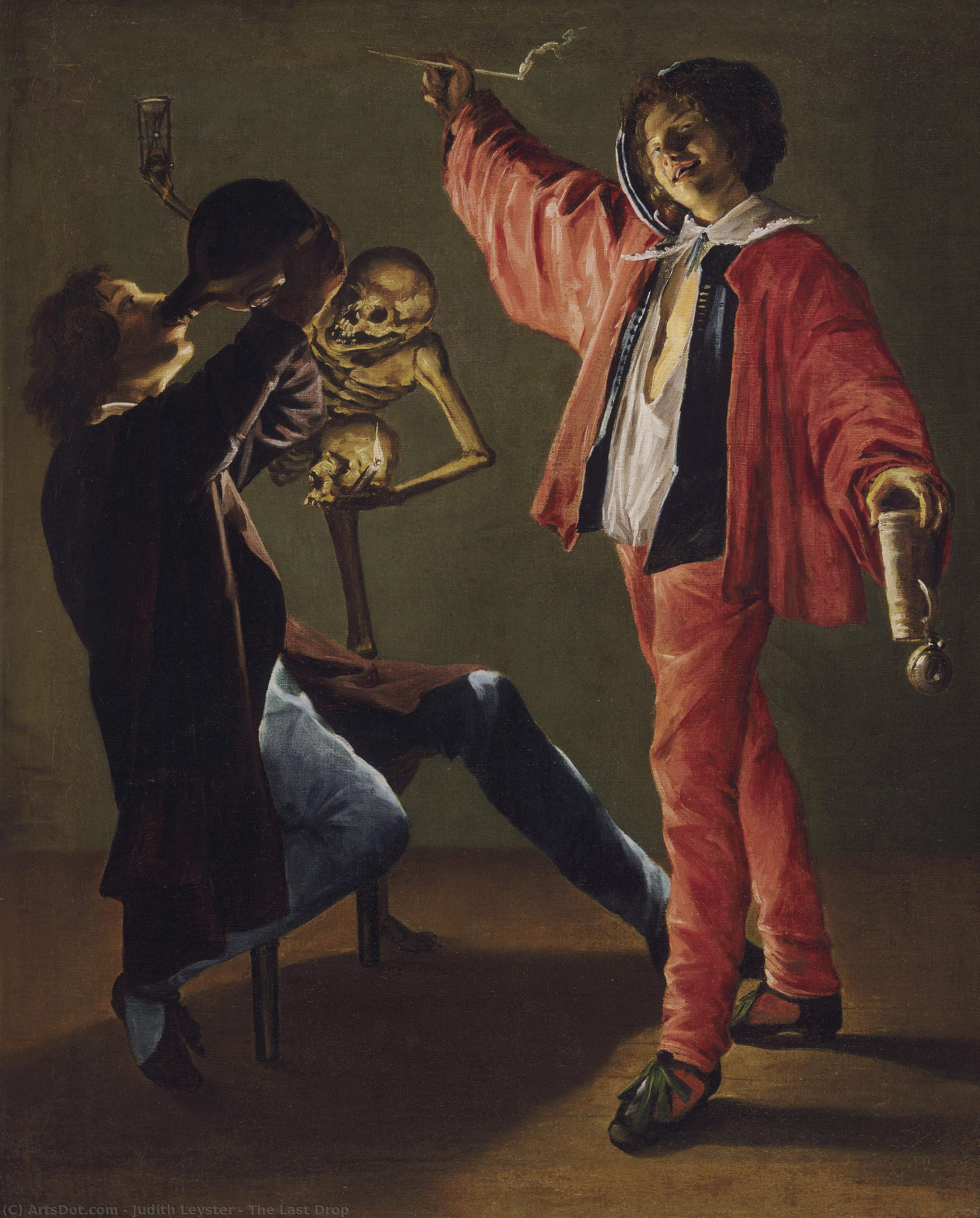
The Last Drop
 Oil On Canvas
- WallArt
- Baroque
 1629
1629 89.0 x 74.0 cm
 Philadelphia Art Museum
 Leggi tutto
Giclée / Stampe d'arte
Stampa giclée o su tela di qualità museale, con produzione rapida e diverse opzioni di finitura. ( Ordina la riproduzione dipinta a mano Acquista download)




P118B $10

P118H $10

P118W $10

P438Z $10

P508JH $12

P508YH $12

P805H $10

P805Z $10

P919BZ $10

P919G $10

P919XJ $10

P959ZH $10

P968JZ $12

W106C $8

W218G $10

W218JH $8

W218Y $10

W307PJ $10

W316G $10

W316PJ $8

W316Y $10

W398PJ $8

W4111J $10

W500HY $15

W500JH $15

W692G $12

W849H $8

W940BG $15

W953PJ $8




Scegli tra le nostre dimensioni predefinite, che rispettano le proporzioni originali dell'opera d'arte.

È possibile inserire dimensioni personalizzate per adattare l'opera a una cornice o a uno spazio specifico. Se la dimensione selezionata non corrisponde alle proporzioni dell'immagine originale, procederemo al ritaglio dell'opera o all'estensione dell'immagine con un bordo specchiato o a tinta unita. Un mockup digitale ti verrà inviato per approvazione prima dell'inizio della produzione.
Si prega di notare che l'anteprima a schermo non riflette il ritaglio o l'estensione effettivi. Solo il mockup mostrerà accuratamente la composizione finale.
Sebbene siano disponibili dimensioni personalizzate, si raccomanda di selezionare una dimensione dall'elenco predefinito per preservare le proporzioni originali.
Consegna in tutto il mondo () in 2 settimane invece delle normali 4/5 settimane. (17 Agosto)

Spedizione espressa gratuita in tutto il mondo

Tela in lino di alta qualità

Assicurazione completa sulla spedizione

Garanzia di rimborso dei dazi doganali

Garanzia di fedeltà cromatica dell'originale

Politica di reso entro 60 giorni (solo per difetti di fabbricazione)

Garanzia di rimborso al 100%

Sconto per acquisti multipli
 L'opzione vetro è disponibile solo per dimensioni inferiori a 110 cm

The Last Drop
Giclée / Stampe d'arte
Dimensioni della riproduzione
-


Prezzo totale
$ 80
Descrizione del pezzo
Judith Leyster’s “The Last Drop”: A Portrait of Ambiguity and Artistic Innovation
“The Last Drop,” painted in 1629 by Judith Jans Leyster, stands as a remarkable testament to the burgeoning artistic spirit of the Dutch Golden Age. This captivating baroque portrait delves into themes of intimacy, contemplation, and subtle psychological complexity—elements that continue to resonate with audiences today. Examining its stylistic choices, technical prowess, and historical significance unveils a deeper understanding of Leyster’s contribution to art history and her defiance of societal expectations for women artists.Style and Technique: Baroque Sensibility Meets Female Perspective
Leyster's style embodies the hallmarks of baroque painting—characterized by dramatic chiaroscuro (contrast between light and dark), opulent drapery, and meticulous attention to detail. However, unlike many male contemporaries who prioritized grand narratives and heroic figures, Leyster focused on capturing a moment of quiet repose within a domestic setting. The artist skillfully employs oil paint on canvas, layering translucent glazes to achieve luminous skin tones and conveying the velvety texture of fabrics with remarkable precision. Her brushstrokes are deliberate yet fluid, creating an illusion of depth and movement that draws the viewer into the scene. Notably, Leyster’s use of perspective subtly reinforces the intimacy of the portrait, positioning the figures within a confined space—a conscious decision reflecting the artistic conventions of her time while simultaneously asserting female agency.Historical Context: Challenging Gender Roles in Early Modern Art
Judith Leyster's career was fraught with obstacles due to prevailing prejudices against women pursuing professional artistic endeavors. Despite facing considerable resistance from the St Luke’s Guild, she persevered and achieved recognition as one of the era’s foremost painters—a feat that demanded exceptional talent and determination. “The Last Drop” emerges from a period marked by significant social upheaval, including religious reformation and burgeoning mercantile capitalism. The portrait reflects the humanist ideals prevalent during this time, emphasizing human emotion and psychological realism—a departure from earlier artistic traditions that prioritized idealized representations of saints or monarchs. Leyster’s success challenged conventional notions of femininity and demonstrated that women could excel in creative pursuits without compromising their moral integrity.Symbolism: Hints of Emotion Beneath Surface Calm
The composition itself is laden with symbolic significance. The two men depicted—likely Leyster's husband Willem van Hoorn and his son—are positioned close together, conveying a sense of familial connection and mutual affection. However, the man holding the pipe exudes an air of melancholy, suggesting introspection and perhaps unspoken anxieties. This subtle portrayal distinguishes Leyster’s work from more overtly celebratory portraits of the period. The inclusion of a skull—a common motif in baroque art representing mortality—serves as a poignant reminder of the fragility of human existence and underscores the painting's contemplative mood. Furthermore, the carefully arranged drapery contributes to the overall atmosphere of solemnity and reinforces the theme of inner reflection.Emotional Impact: Capturing Transient Moments of Human Experience
“The Last Drop” transcends mere visual representation; it aspires to evoke a profound emotional response in the viewer. Leyster’s masterful technique captures the fleeting expressions of emotion—the subtle nuances of gaze and posture—that define human experience. The painting invites contemplation on themes of love, loss, and remembrance, prompting viewers to consider the complexities of human relationships and the inevitability of death. Its enduring appeal lies in its ability to resonate with audiences across centuries, demonstrating Leyster’s profound understanding of psychology and her capacity to translate inner feelings into compelling visual imagery. The artwork's luminous palette and masterful rendering of texture contribute to its captivating beauty—a testament to Leyster’s artistic genius and her unwavering commitment to portraying the human condition with sensitivity and nuance.Biografia dell'artista
Judith Jans Leyster (1609 - 1660): A Pioneer Among Masters
Judith Jans Leyster, born in Haarlem on July 28, 1609, stands as a remarkable figure within the Dutch Golden Age—a period of unparalleled artistic flourishing—and one whose legacy continues to inspire admiration and scholarly debate. Her life story is interwoven with threads of ambition, perseverance, and an extraordinary talent that defied societal expectations for women during her time. Little is known about Leyster’s formative years beyond her birth into a family of modest means; however, she quickly gained recognition as an artist thanks to the patronage of Frans Pietersz de Grebber, a respected Haarlem painter who served as her mentor and fostered her burgeoning artistic inclinations.Early Training and Artistic Influences
The precise details surrounding Leyster’s training remain elusive, largely due to the scarcity of documentation from that era. Nevertheless, evidence suggests she honed her skills under De Grebber's tutelage—a pivotal encounter for any aspiring artist—absorbing techniques rooted in the Caravaggisti style. This movement championed dramatic chiaroscuro—the interplay of light and shadow—creating emotionally charged compositions reminiscent of Italian Baroque art. Leyster’s early works demonstrate a keen understanding of this stylistic approach, foreshadowing her distinctive artistic vision. Furthermore, Samuel Ampzing's book *Beschrijvinge ende lof der stad Haerlem* from 1628 mentions Leyster as an active artist during her youth, highlighting the importance of Haarlem’s artistic environment in shaping her career path.A Career Defined by Resilience and Collaboration
Leyster’s professional life unfolded against a backdrop of considerable hardship—her father's bankruptcy forced her family to relocate to Utrecht—yet she steadfastly pursued her artistic endeavors despite these challenges. Notably, Leyster joined the Haarlem Guild of St. Luke in 1633, marking an unprecedented achievement for women artists at the time; she was one of the first female painters admitted into this prestigious institution. This accomplishment underscores Leyster’s determination to assert herself within a male-dominated artistic sphere and symbolizes her commitment to upholding professional standards. Her marriage to Jan Miense Molenaer in 1636 solidified her partnership with another influential artist, fostering a collaborative studio environment where they nurtured their creative energies together. Their combined output—characterized by lively genre scenes and captivating portraits—represents a cornerstone of Dutch Baroque art.Notable Works and Artistic Style
Leyster’s oeuvre comprises approximately eighty paintings, predominantly genre scenes depicting everyday life—particularly musicians and drinkers—and intimate portraits capturing the nuances of human emotion. Her masterful use of light and shadow—a hallmark of Caravaggisti influence—elevates her compositions beyond mere representation, imbuing them with palpable drama and psychological depth. Among her most celebrated works are *Young Flute Player* (c. 1630), housed in the National Gallery of Art, Washington D.C., and *Merry Company*, which exemplifies her ability to convey complex narratives through visual storytelling. Her meticulous attention to detail—evident in depictions of clothing, textures, and facial expressions—demonstrates Leyster’s exceptional artistic skill and contributes to the enduring fascination surrounding her oeuvre.Rediscovery and Legacy
Despite her undeniable talent and recognition during her lifetime, Judith Leyster's work largely vanished from scholarly discourse after her death in 1660. It wasn’t until 1893 that she was rediscovered by art historians—a serendipitous event triggered by a legal dispute concerning the attribution of *The Proposition*—leading to renewed investigations into her artistic achievements and correcting longstanding misinterpretations regarding her oeuvre. Today, Leyster is rightfully celebrated as one of the foremost painters of the Dutch Golden Age—a woman artist who bravely defied societal constraints and whose legacy continues to inspire admiration for her pioneering spirit and artistic brilliance. Her story serves as a poignant reminder of the importance of recognizing talent regardless of gender and underscores the transformative power of scholarly rediscovery in reshaping art history narratives.
Judith Jans Leyster
1609 - 1660 , Paesi Bassi
Informazioni rapide
- Artistic Movement Or Style: Età d'Oro Olandese
- Artists Or Movements Influenced By This Artist: ['Caravaggisti']
- Artists Who Influenced This Artist:
- Frans Pietersz de Grebber
- Jan Miense Molenaer
- Date Of Birth: Luglio 28, 1609
- Full Name: Judith Jans Leyster
- Nationality: Olandese
- Notable Artworks:
- Giovane giocatore di flauto
- Allegro compagnia
- Autoritratto
- Place Of Birth: Haarlem, Paesi Bassi
Articoli correlati

Golden Age Reflections: Dutch Baroque Painting & Cultural Innovation
Explore the Dutch Golden Age of painting! Discover key artists like Vermeer & ter Borch, their innovative techniques, and the rich cultural context behind these Baroque masterpieces. Learn about collecting & appreciating this iconic art period.

Golden Light & Dutch Skies: The Timeless Magic of Dutch Golden Age Landscapes
Discover the breathtaking beauty of Dutch Golden Age landscapes. Explore the mastery of light, chiaroscuro, and 17th-century realism through an expert art history lens, celebrating the enduring legacy of the Dutch Masters for discerning collectors and art lovers.

I 10 Capolavori dell'Età d'Oro Olandese: Arte, Storia e Stile per la Tua Casa
Esplora i 10 capolavori dell'Età d'Oro Olandese con ! Rembrandt, Vermeer e altri maestri rivivono in dipinti iconici. Scopri storia, tecnica e colori di opere senza tempo per arredare la tua casa con arte di qualità museale. Esplora la collezione online!

Chiaroscuro and Character: A Definitive Guide to Light and Shadow in the Dutch Baroque Era
Explore the dramatic mastery of the Dutch Baroque era. Discover how masters like Rembrandt used chiaroscuro to transform everyday life into timeless art. An expert guide for collectors and enthusiasts seeking to understand the profound interplay of light and shadow.

I 10 Capolavori del Barocco Olandese che Hanno Definito un'Epoca | OriginalUniqueArt
Esplora i 10 capolavori del Barocco olandese con OriginalUniqueArt. Scopri Rembrandt, Vermeer e altri maestri. Quadri antichi, luce intensa e storie affascinanti per decorare la tua casa con arte di qualità museale. Esplora la collezione online!

