
 Anteprima in scala reale
 Condividi
 Condividi
 Dettagli

 Scarica immagine
 Articoli simili
 Radiografia
 Slideshow
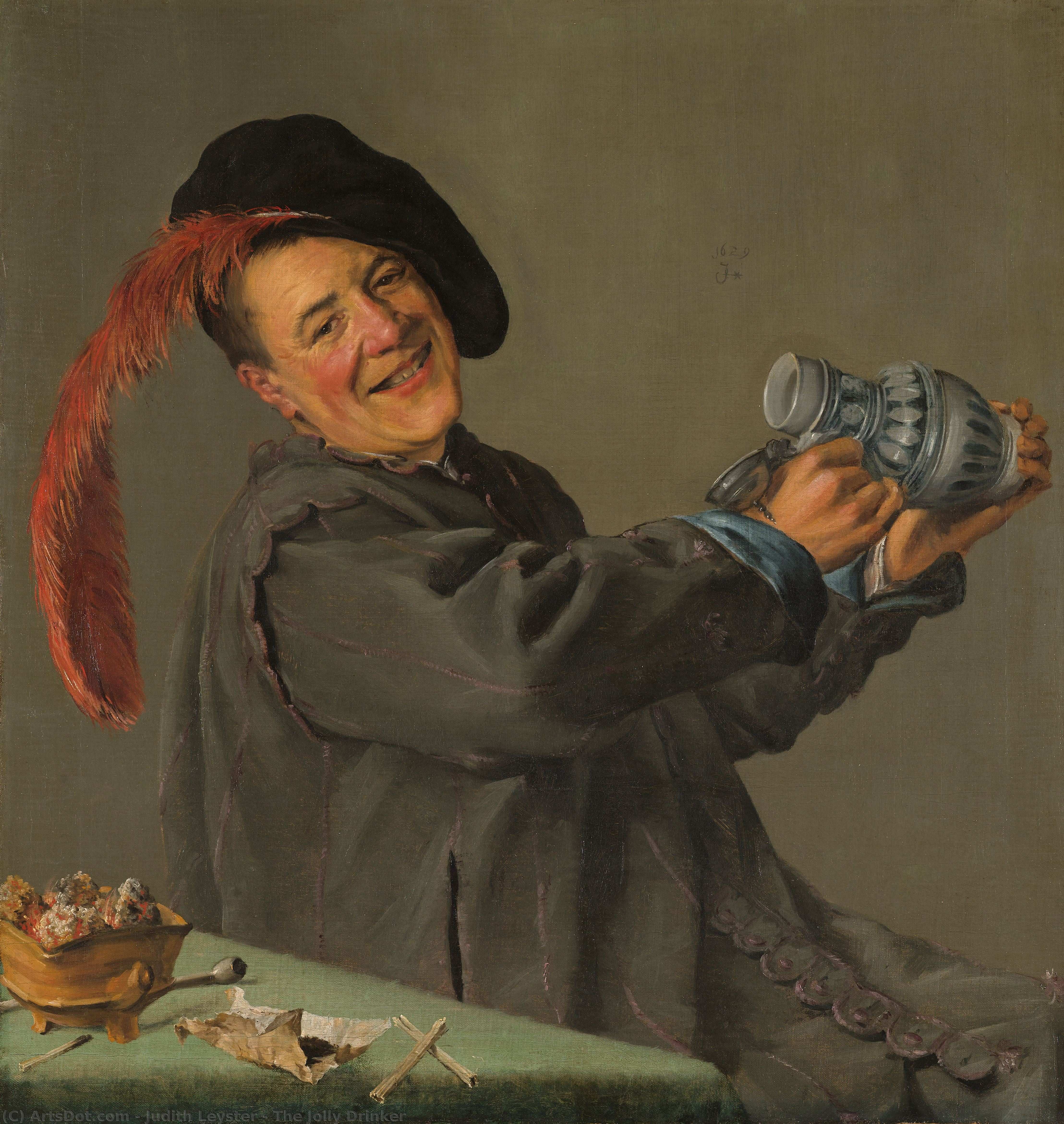
The Jolly Drinker
 Acrylic On Canvas
- WallArt
- Dutch Golden Age
 1629
1629 89.0 x 85.0 cm
 Rijksmuseum
 Leggi tutto
Riproduzione a olio fatta a mano
Olio su tela dipinto a mano nelle tue dimensioni e con la tua cornice, realizzato su ordinazione dai nostri artisti. ( Ordina stampa Acquista download)




P118B $10

P118H $10

P118W $10

P438Z $10

P508JH $12

P508YH $12

P805H $10

P805Z $10

P919BZ $10

P919G $10

P919XJ $10

P959ZH $10

P968JZ $12

W106C $8

W218G $10

W218JH $8

W218Y $10

W307PJ $10

W316G $10

W316PJ $8

W316Y $10

W398PJ $8

W4111J $10

W500HY $15

W500JH $15

W692G $12

W849H $8

W940BG $15

W953PJ $8




Scegli tra le nostre dimensioni predefinite, che rispettano le proporzioni originali dell'opera d'arte.

È possibile inserire dimensioni personalizzate per adattare l'opera a una cornice o a uno spazio specifico. Se la dimensione selezionata non corrisponde alle proporzioni dell'immagine originale, provvederemo a ritagliare l'opera o a estendere il dipinto con elementi aggiuntivi dipinti a mano. Un mockup digitale ti sarà inviato per approvazione prima dell'inizio della produzione.
Si prega di notare che l'anteprima a schermo non riflette il ritaglio o l'estensione effettivi. Solo il mockup mostrerà accuratamente la composizione finale.
Sebbene siano disponibili dimensioni personalizzate, consigliamo di selezionare una dimensione dall'elenco predefinito per preservare le proporzioni originali.
Dopo l'ordine, il team di OriginalUniqueArt.com contatterà il cliente via e-mail per le istruzioni e fornirà un'anteprima del mockup
Consegna in tutto il mondo () in 3/4 settimane anziché nelle normali 5 settimane. (18 Agosto). Nessun compromesso sulla qualità.

Spedizione espressa gratuita in tutto il mondo

Tela in lino di alta qualità

Assicurazione completa sulla spedizione

Garanzia di rimborso dei dazi doganali

Garanzia di fedeltà cromatica dell'originale

Politica di reso entro 60 giorni (solo per difetti di fabbricazione)

Garanzia di rimborso al 100%

Sconto per acquisti multipli
 L'opzione vetro è disponibile solo per dimensioni inferiori a 110 cm

The Jolly Drinker
Tecnica di riproduzione
Dimensioni della riproduzione
-


Prezzo totale
$ 300
Descrizione dell'opera
The Jolly Drinker: A Window into Seventeenth-Century Dutch Merriment
Judith Jans Leyster’s “The Jolly Drinker,” painted in 1629, isn't merely a portrait; it’s a vibrant snapshot of a specific moment in time – the burgeoning spirit of the Dutch Golden Age. This captivating work, now housed at the Rijksmuseum in Amsterdam, offers a glimpse into a world where conviviality, social interaction, and a touch of playful indulgence were highly valued. The painting depicts a man, likely a merchant or gentleman, reclining comfortably against a table laden with familiar objects: a warming brazier, a pipe, and a scattering of tobacco – all symbols of leisure and refined taste. But it’s the central focus—his outstretched hand holding aloft an empty jug—that immediately draws the eye, radiating an infectious sense of merriment.
Leyster's masterful technique is instantly recognizable. She employs a loose, almost impressionistic style, reminiscent of Frans Hals, another prominent Haarlem painter known for his dynamic brushwork and ability to capture fleeting moments of life. Notice how she uses rapid, short strokes to define the figure’s form, creating a sense of movement and immediacy. The colors are rich and warm – deep reds, browns, and golds—contributing to the painting's overall feeling of warmth and abundance. The background is deliberately muted, allowing the central figure and his immediate surroundings to command attention. This strategic use of light and shadow further enhances the drama and draws the viewer into the scene.
A Portrait of a Social Scene
“The Jolly Drinker” transcends a simple portrait; it’s a carefully constructed social tableau. The inclusion of the table setting—the brazier, pipe, and tobacco—suggests a gathering of friends or associates, perhaps enjoying a late-night conversation after a day's work. The man’s attire – a dark doublet with a flamboyant feathered hat – speaks to his status and position within society. He is not depicted as a pious recluse but as someone who embraces the pleasures of life, indulging in good company and spirited conversation. The painting reflects the changing social landscape of 17th-century Holland, where merchants and professionals were accumulating wealth and enjoying greater freedoms than previous generations.
Interestingly, for decades after its creation, “The Jolly Drinker” was mistakenly attributed to Frans Hals, a master of capturing lively scenes. This misattribution stemmed from the painting’s stylistic similarities to Hals' work—particularly his use of dynamic poses and loose brushwork. It wasn’t until 1893 that Leyster’s monogram – JL with a star – was discovered above the jug, finally correcting this long-standing error and recognizing her as the true artist behind this remarkable piece.
Symbolism and Emotional Resonance
The empty jug itself is laden with symbolism. It represents not just a drink but also an invitation to share, to celebrate, and to let loose from the constraints of daily life. The man’s flushed cheeks and joyful expression convey a sense of uninhibited pleasure—a testament to the Dutch spirit of hospitality and good cheer. The painting isn't simply depicting a drinking scene; it’s capturing an emotional state – one of relaxed enjoyment, camaraderie, and perhaps even a touch of mischievousness.
“The Jolly Drinker” is more than just a beautiful painting; it’s a window into the cultural values of 17th-century Holland. It speaks to a society that valued social interaction, embraced leisure, and celebrated the pleasures of life—qualities that continue to resonate with us today. Reproductions of this iconic work offer a chance to bring this vibrant scene into your home, evoking the spirit of the Dutch Golden Age and reminding us to savor the simple joys of good company and spirited conversation.
Biografia dell'artista
Judith Jans Leyster (1609 - 1660): A Pioneer Among Masters
Judith Jans Leyster, born in Haarlem on July 28, 1609, stands as a remarkable figure within the Dutch Golden Age—a period of unparalleled artistic flourishing—and one whose legacy continues to inspire admiration and scholarly debate. Her life story is interwoven with threads of ambition, perseverance, and an extraordinary talent that defied societal expectations for women during her time. Little is known about Leyster’s formative years beyond her birth into a family of modest means; however, she quickly gained recognition as an artist thanks to the patronage of Frans Pietersz de Grebber, a respected Haarlem painter who served as her mentor and fostered her burgeoning artistic inclinations.Early Training and Artistic Influences
The precise details surrounding Leyster’s training remain elusive, largely due to the scarcity of documentation from that era. Nevertheless, evidence suggests she honed her skills under De Grebber's tutelage—a pivotal encounter for any aspiring artist—absorbing techniques rooted in the Caravaggisti style. This movement championed dramatic chiaroscuro—the interplay of light and shadow—creating emotionally charged compositions reminiscent of Italian Baroque art. Leyster’s early works demonstrate a keen understanding of this stylistic approach, foreshadowing her distinctive artistic vision. Furthermore, Samuel Ampzing's book *Beschrijvinge ende lof der stad Haerlem* from 1628 mentions Leyster as an active artist during her youth, highlighting the importance of Haarlem’s artistic environment in shaping her career path.A Career Defined by Resilience and Collaboration
Leyster’s professional life unfolded against a backdrop of considerable hardship—her father's bankruptcy forced her family to relocate to Utrecht—yet she steadfastly pursued her artistic endeavors despite these challenges. Notably, Leyster joined the Haarlem Guild of St. Luke in 1633, marking an unprecedented achievement for women artists at the time; she was one of the first female painters admitted into this prestigious institution. This accomplishment underscores Leyster’s determination to assert herself within a male-dominated artistic sphere and symbolizes her commitment to upholding professional standards. Her marriage to Jan Miense Molenaer in 1636 solidified her partnership with another influential artist, fostering a collaborative studio environment where they nurtured their creative energies together. Their combined output—characterized by lively genre scenes and captivating portraits—represents a cornerstone of Dutch Baroque art.Notable Works and Artistic Style
Leyster’s oeuvre comprises approximately eighty paintings, predominantly genre scenes depicting everyday life—particularly musicians and drinkers—and intimate portraits capturing the nuances of human emotion. Her masterful use of light and shadow—a hallmark of Caravaggisti influence—elevates her compositions beyond mere representation, imbuing them with palpable drama and psychological depth. Among her most celebrated works are *Young Flute Player* (c. 1630), housed in the National Gallery of Art, Washington D.C., and *Merry Company*, which exemplifies her ability to convey complex narratives through visual storytelling. Her meticulous attention to detail—evident in depictions of clothing, textures, and facial expressions—demonstrates Leyster’s exceptional artistic skill and contributes to the enduring fascination surrounding her oeuvre.Rediscovery and Legacy
Despite her undeniable talent and recognition during her lifetime, Judith Leyster's work largely vanished from scholarly discourse after her death in 1660. It wasn’t until 1893 that she was rediscovered by art historians—a serendipitous event triggered by a legal dispute concerning the attribution of *The Proposition*—leading to renewed investigations into her artistic achievements and correcting longstanding misinterpretations regarding her oeuvre. Today, Leyster is rightfully celebrated as one of the foremost painters of the Dutch Golden Age—a woman artist who bravely defied societal constraints and whose legacy continues to inspire admiration for her pioneering spirit and artistic brilliance. Her story serves as a poignant reminder of the importance of recognizing talent regardless of gender and underscores the transformative power of scholarly rediscovery in reshaping art history narratives.
Judith Jans Leyster
1609 - 1660 , Paesi Bassi
Informazioni rapide
- Artistic Movement Or Style: Età d'Oro Olandese
- Artists Or Movements Influenced By This Artist: ['Caravaggisti']
- Artists Who Influenced This Artist:
- Frans Pietersz de Grebber
- Jan Miense Molenaer
- Date Of Birth: Luglio 28, 1609
- Full Name: Judith Jans Leyster
- Nationality: Olandese
- Notable Artworks:
- Giovane giocatore di flauto
- Allegro compagnia
- Autoritratto
- Place Of Birth: Haarlem, Paesi Bassi
Articoli correlati

Golden Light & Dutch Skies: The Timeless Magic of Dutch Golden Age Landscapes
Discover the breathtaking beauty of Dutch Golden Age landscapes. Explore the mastery of light, chiaroscuro, and 17th-century realism through an expert art history lens, celebrating the enduring legacy of the Dutch Masters for discerning collectors and art lovers.

I 10 Capolavori dell'Età d'Oro Olandese: Arte, Storia e Stile per la Tua Casa
Esplora i 10 capolavori dell'Età d'Oro Olandese con ! Rembrandt, Vermeer e altri maestri rivivono in dipinti iconici. Scopri storia, tecnica e colori di opere senza tempo per arredare la tua casa con arte di qualità museale. Esplora la collezione online!

Golden Age Reflections: Dutch Baroque Painting & Cultural Innovation
Explore the Dutch Golden Age of painting! Discover key artists like Vermeer & ter Borch, their innovative techniques, and the rich cultural context behind these Baroque masterpieces. Learn about collecting & appreciating this iconic art period.

Mastering Light & Shadow: A Journey Through the Dutch Golden Age's Luminous Legacy
Embark on a cultural journey through the Dutch Golden Age. Explore the masterful interplay of light and shadow in 17th-century masterpieces, from Rembrandt to Vermeer, and discover how this era of profound realism continues to inspire fine art collectors today.

Illuminating Innovation: Exploring the Dutch Golden Age of Painting
Explore the Dutch Golden Age of painting with OriginalUniqueArt. Discover Rembrandt, Vermeer & other Masters. Learn about key characteristics, iconic artworks, and lasting influence. Expert insights for collectors & enthusiasts.

